
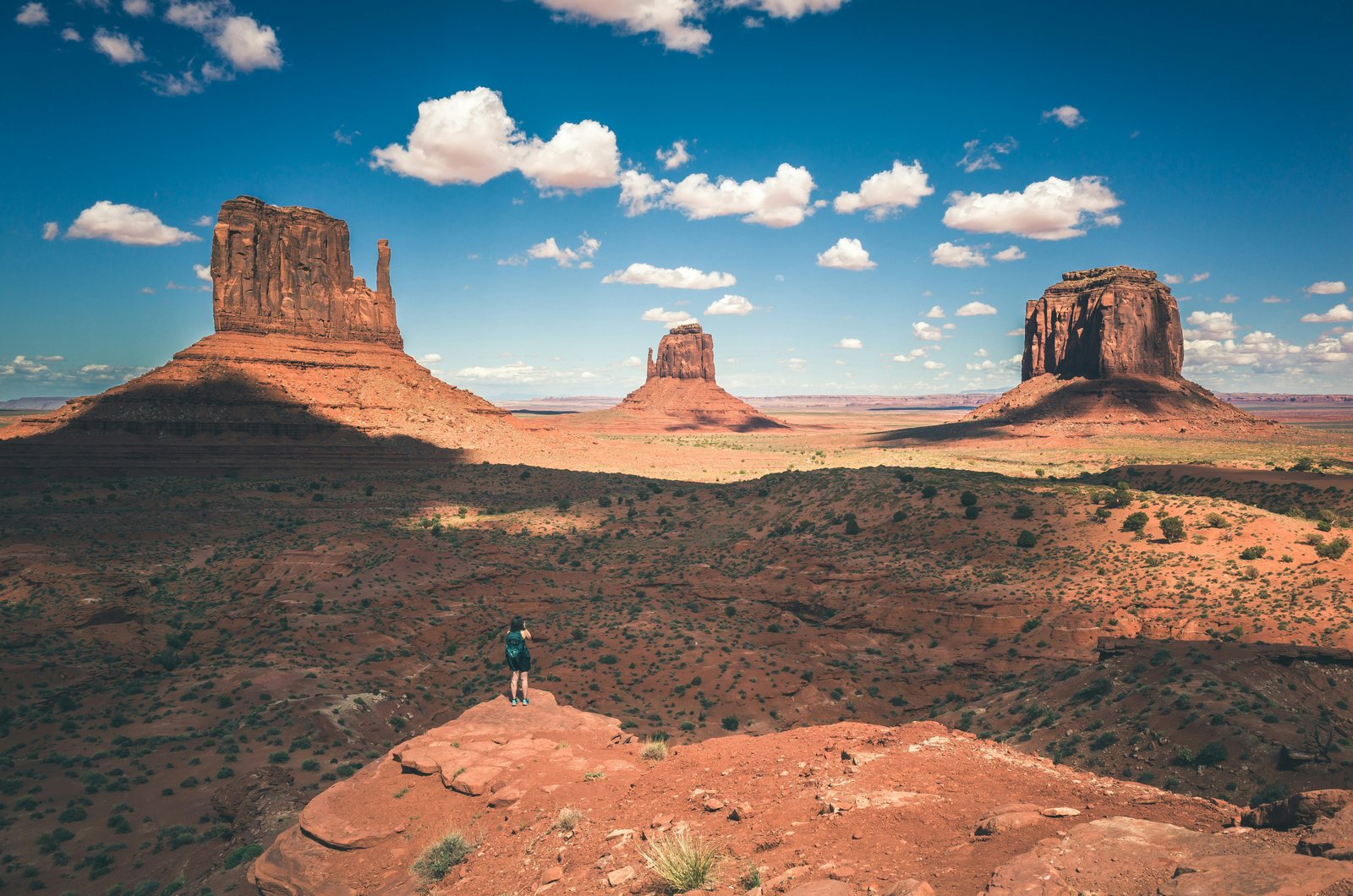
There’s nothing quite like seeing Monument Valley for the first time. The moment those massive red rock formations rise into view along the Utah–Arizona border, you’re suddenly surrounded by one of the most iconic landscapes in the American Southwest. With just one day, you can experience the region’s top highlights: the Monument Valley Scenic Drive, classic viewpoints throughout the tribal park, the famous highway overlook at Forrest Gump Point, and the quiet desert backroads leading to Valley of the Gods and Goosenecks State Park. It’s a full Southwest road‑trip day filled with wide‑open desert scenery, dramatic sandstone buttes, and unforgettable views that stay with you long after you’ve left.
This guide walks you through a complete Monument Valley 1‑day itinerary, including the best stops on the scenic loop, a photo‑worthy visit to Forrest Gump Point, a detour through Valley of the Gods, and a quick stop at Goosenecks State Park—everything you need to make the most of your time in this iconic Southwest destination.
A Quick Look at What This Guide Includes
- Monument Valley Overview — What to expect when visiting this iconic Navajo Tribal Park along the Utah–Arizona border.
- Pet Policy — Rules for bringing pets into the park and what areas are accessible.
- Getting to Monument Valley — How to reach the park from nearby cities, plus airport options.
- Best Time to Visit — Seasonal tips for weather, crowds, and photography.
- Amenities Inside the Park — Visitor Center details, restrooms, dining, and services available on-site.
- Amenities Nearby — Gas, groceries, restaurants, and lodging options in Mexican Hat, Kayenta, and Goulding’s.
- Where to Stay — Hotels, lodges, and campgrounds both inside and near Monument Valley.
- Monument Valley 1‑Day Itinerary — A complete plan for seeing the best of the park and nearby attractions in one day.
- Best Stops in Monument Valley — Must‑see viewpoints and highlights along the scenic drive.
- Forrest Gump Point — Tips for visiting this famous roadside viewpoint along US‑163.
- Valley of the Gods — A scenic detour through one of Utah’s most underrated red rock landscapes.
- Goosenecks State Park — A quick stop with dramatic canyon views over the San Juan River.
- FAQ – Answers to the most common questions about planning a Monument Valley trip.
- Helpful Links – Resources to help you plan your Monument Valley trip.
Monument Valley Overview
Monument Valley sits on the border of Arizona and Utah, right in the heart of the Navajo Nation, and it’s one of the most instantly recognizable landscapes in the American Southwest. The valley is famous for its towering sandstone buttes—some rising more than 1,000 feet above the desert floor—and its long, open roads that stretch toward the horizon. It’s a place shaped by both natural forces and deep cultural significance, and visiting offers a chance to experience scenery that has appeared in countless films, photographs, and classic Westerns. Monument Valley is open year‑round, with the best conditions typically in spring and fall, and entry is managed by the Navajo Nation with a per‑person fee. Whether you’re here for the scenic drive, photography, or simply to soak in the views, Monument Valley delivers a truly iconic Southwest experience.
Entrance Fee: $10 per person
Hours: 8 AM–7 PM (summer), 8 AM–5 PM (winter)
Closed: Thanksgiving, Christmas, New Year’s Day
Notes: Road closures possible during monsoon season; National Park Pass not accepted
Respectful Travel in Monument Valley
Monument Valley sits within Navajo Nation, and exploring here means being mindful of the land, culture, and communities who call it home. Stay on designated roads and trails, avoid climbing on rock formations, and never enter restricted areas or private property. Pack out all trash, keep noise low, and follow posted rules at viewpoints and stops. A little respect goes a long way in helping preserve this sacred landscape for future visitors and for the Navajo families who steward it.
Pet Policy Overview
Pets are allowed in Monument Valley Tribal Park, including the scenic drive and Wildcat Trail, but they must be kept on a leash at all times. Because the park is entirely exposed desert terrain, it’s important to plan for heat, water, and paw safety.
Key Rules for Visiting With Pets
- Leashes required — Pets must remain leashed everywhere in the park.
- Allowed areas — Scenic drive pullouts, parking areas, and Wildcat Trail.
- Restricted areas — Inside The View Hotel, restaurant, and guided tour vehicles (unless the tour operator allows it).
- Heat considerations — The ground gets extremely hot; avoid mid‑day walks in summer.
- Water needs — Bring more water than you think you’ll need; there are no water stations.
Getting to Monument Valley
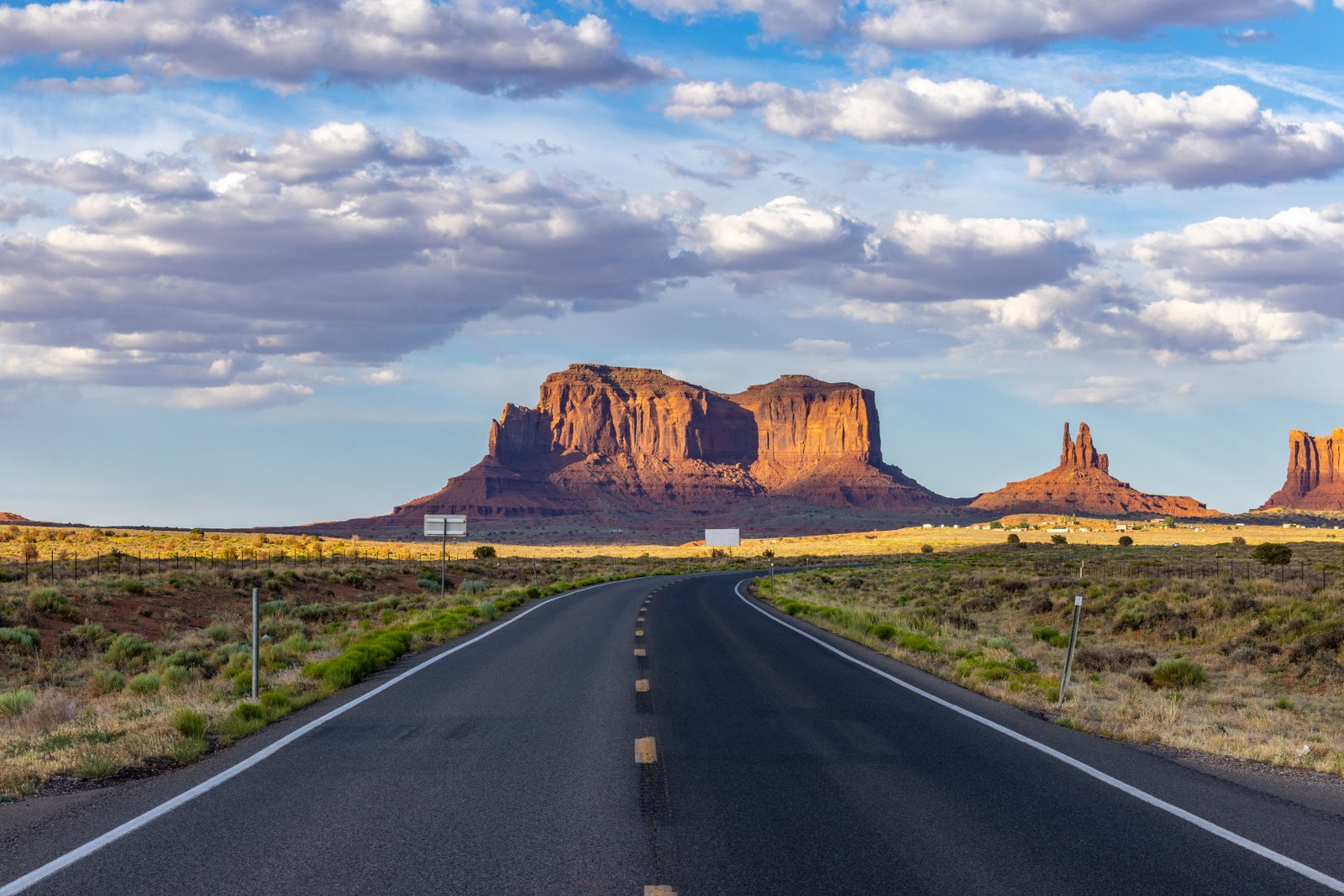
Monument Valley sits in northeastern Arizona along the Utah border, right in the heart of the Four Corners region. The Tribal Park is located off US Highway 163 and is part of the Navajo Nation, surrounded by wide‑open desert roads and classic Southwest scenery.
The closest major hubs are Moab, Utah to the north and Page, Arizona to the west, both offering lodging, restaurants, and easy access to other red rock destinations.
Monument Valley is also within a short drive of several iconic stops in the area. Forrest Gump Point, Valley of the Gods, and Goosenecks State Park are all about 30 minutes away, making it easy to combine them into a single day of exploring the Utah–Arizona desert.
- Page, AZ – 128 miles or 2 hours
- Moab, UT – 152 miles or 3 hours
- Las Vegas, NV – 400 miles or 6.5 hours
- Phoenix, AZ – 319 miles or 5 hours
Nearest Airports
The two most convenient major airports for reaching Monument Valley are Harry Reid International Airport (LAS) in Las Vegas and Phoenix Sky Harbor International Airport (PHX). Harry Reid is often the easiest option for travelers coming from the West Coast, offering a straight drive through the desert toward the Utah–Arizona border. Phoenix Sky Harbor is ideal for visitors arriving from the South or East, with a scenic route through northern Arizona toward the Navajo Nation. Both airports provide plenty of rental car options and direct access to the wide‑open highways that lead into Monument Valley.
Best Time to Visit Monument Valley
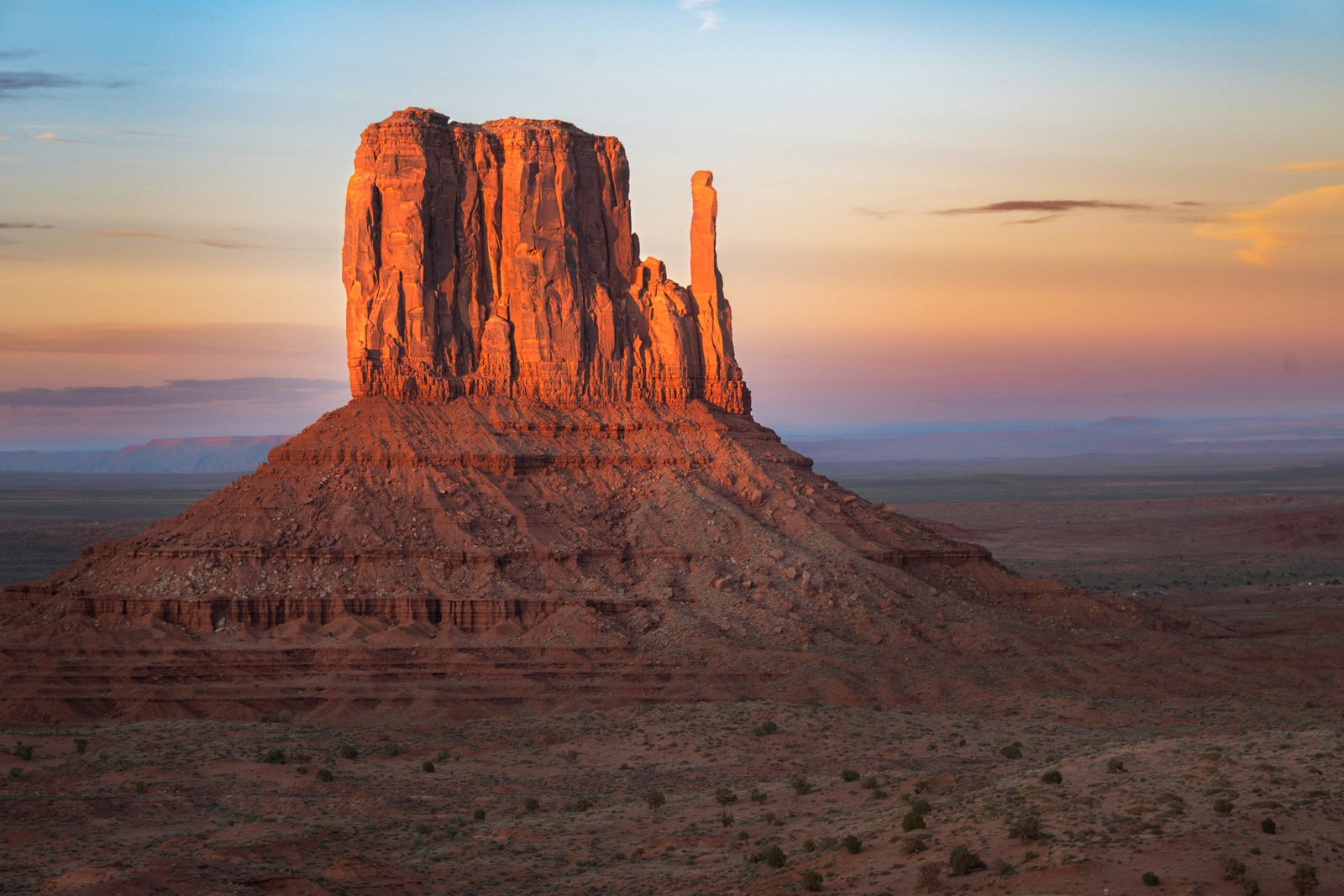
The best time to visit Monument Valley is spring and fall, when temperatures are mild, skies are clear, and the desert colors are at their most vibrant. March through May and September through October offer comfortable daytime weather for driving the scenic loop, stopping at viewpoints, and exploring nearby highlights like Forrest Gump Point, Valley of the Gods, and Goosenecks State Park.
Summer brings the longest daylight hours, but also intense heat and monsoon season, which can cause sudden storms and temporary road closures on the 17‑mile scenic drive. If you visit in June through August, plan for early mornings, carry plenty of water, and keep an eye on weather conditions.
Winter is the quietest time of year, with cold temperatures, fewer crowds, and dramatic low‑angle light that makes the sandstone formations glow. While the park is open year‑round, shorter days and occasional snow or ice can limit how much you see.
Overall, spring and fall provide the best balance of weather, visibility, and accessibility—ideal for photography, scenic drives, and experiencing Monument Valley’s iconic red rock landscapes at their best.
Amenities Inside Monument Valley Tribal Park
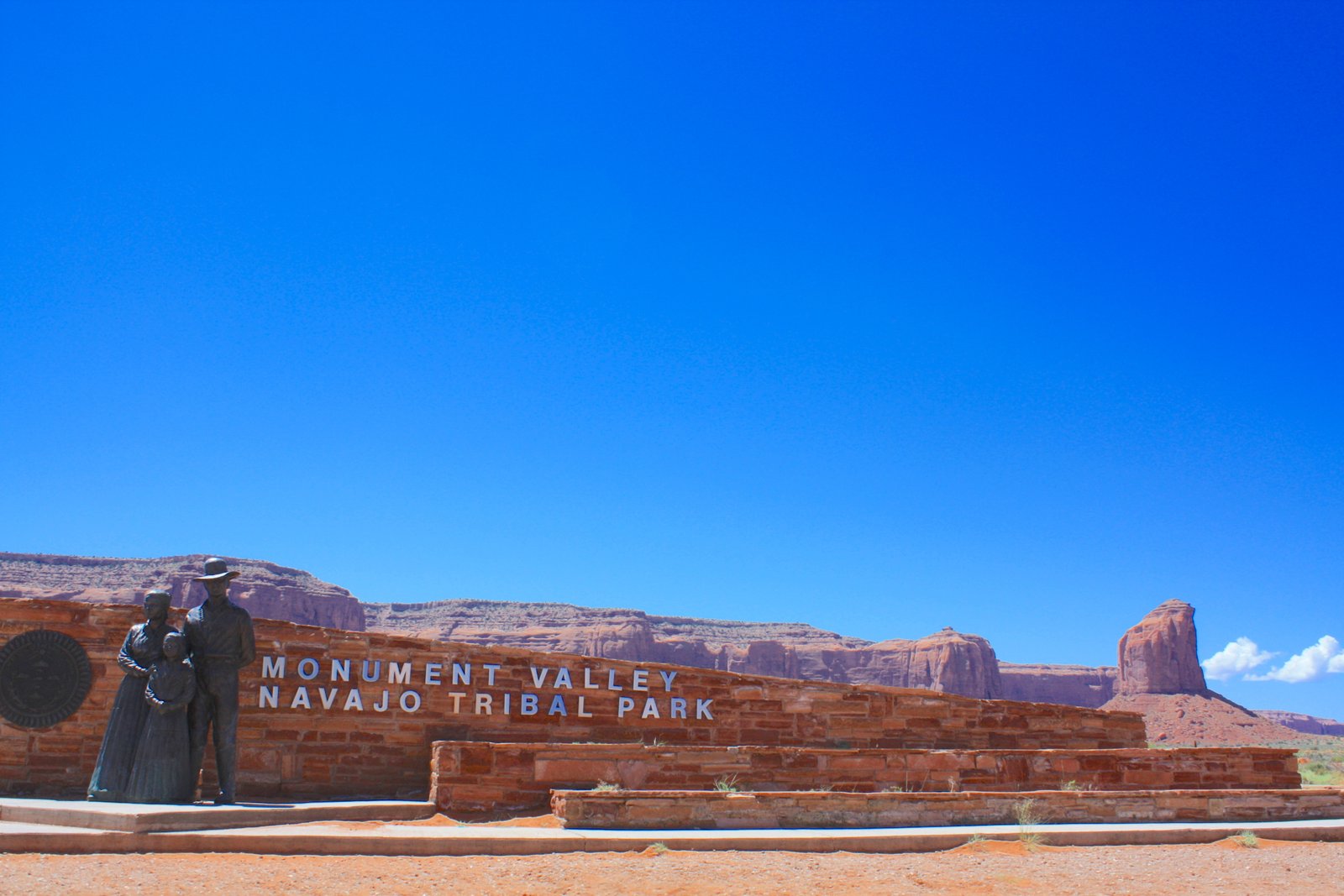
Amenities inside Monument Valley are limited, so it’s helpful to know what’s available before you arrive. The Tribal Park has a small but reliable set of services centered around the Visitor Center area, with very few options once you begin the 17‑mile scenic drive.
Visitor Center
The main Visitor Center sits at the entrance to the Tribal Park and offers restrooms, a small museum‑style display, a gift shop, and panoramic views of the Mittens. This is also where you’ll pay your entrance fee and get information about guided tours.
Restrooms
Flush restrooms are available at the Visitor Center. There are no restrooms along the scenic drive, so plan accordingly before heading out on the loop. There may be a few outhouses located at various points along the drive but those are not guaranteed.
Gift Shops & Navajo Art Vendors
Inside the Visitor Center you’ll find a gift shop with souvenirs, books, and Navajo‑made jewelry and crafts. Along the scenic drive, local Navajo vendors often set up small stands selling handmade art, pottery, and jewelry.
Food & Dining
The Monument Valley Restaurant (formerly The View Restaurant) offers sit‑down dining with classic Southwest dishes and incredible views of the Mittens. There is also a small café/market with grab‑and‑go snacks, drinks, and limited groceries.
Lodging
The View Hotel is located inside the park and offers rooms with direct sunrise views of the Mittens. Cabins are also available nearby at The View Campground, along with RV sites and tent camping.
Gas & Supplies
There is no gas station inside the Tribal Park. The nearest fuel is in Mexican Hat or Kayenta, depending on your direction of travel. It’s best to fill up before arriving.
Cell Service & Wi‑Fi
Cell service is spotty throughout the park, especially along the scenic drive. Wi‑Fi is available at The View Hotel and Visitor Center, but it’s limited and not reliable for heavy use.
Amenities Nearby Monument Valley
While services inside Monument Valley Tribal Park are limited, you’ll find everything you need within a short drive in the nearby communities of Mexican Hat, Kayenta, and Goulding’s Lodge. These areas offer fuel, food, lodging, and basic supplies—making them convenient stops before or after exploring the park.
Goulding’s Lodge & Trading Post (5 minutes from the park)
Located just outside the park entrance, Goulding’s offers a full range of traveler amenities: a lodge, campground, restaurant, small grocery store, gas station, laundromat, and a museum dedicated to Monument Valley’s film history. It’s the closest and most convenient option for lodging and last‑minute supplies.
Mexican Hat, Utah (10 minutes north)
This tiny roadside town is the closest place to grab essentials. You’ll find a gas station, a few small restaurants, and basic convenience items. It’s also the nearest stop if you’re heading toward Valley of the Gods, Goosenecks State Park, or Forrest Gump Point.
Kayenta, Arizona (25 minutes south)
Kayenta is the largest nearby town and has the most reliable services. Here you’ll find multiple gas stations, grocery stores, fast‑food options, restaurants, and a handful of hotels. It’s the best place to stock up on snacks, water, and road‑trip supplies before entering the Tribal Park.
Where to Stay Near Monument Valley
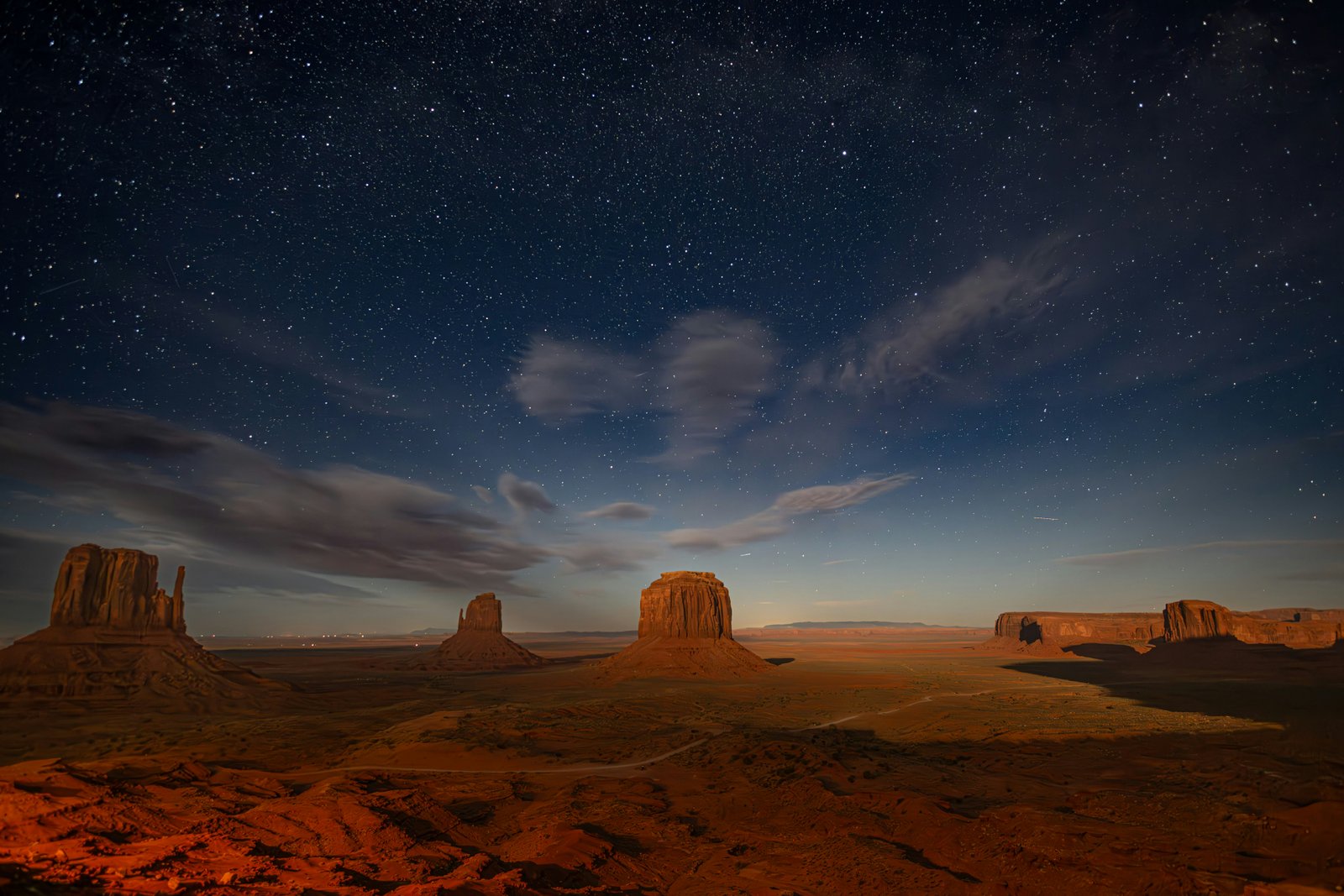
You’ll find several great places to stay around Monument Valley, ranging from on‑site hotels with iconic views to quiet small‑town options just a short drive away. Your best choice depends on whether you want sunrise views, easy access to the scenic drive, or a comfortable base with more amenities.
The View Hotel (Best for Sunrise Views)
Staying at The View Hotel puts you right inside Monument Valley Tribal Park with unbeatable balcony views of the Mittens. Rooms face east, so sunrise lights up the buttes directly from your window. It’s the most convenient option for starting the scenic drive early.
- Location — Inside Monument Valley Tribal Park
- Why stay here — Iconic views, closest access to the scenic drive
- Best for — Photographers and early‑morning itineraries
Goulding’s Lodge (Best for Amenities)
Goulding’s Lodge sits just outside the park and offers more amenities than The View—an indoor pool, a small market, a restaurant, and a museum with film history. Many rooms have great views, and it’s only a few minutes from the park entrance.
- Location — Just northwest of Monument Valley
- Why stay here — More amenities, family‑friendly, historic site
- Best for — Families and travelers wanting comfort + convenience
Campgrounds Near Monument Valley
Camping is one of the best ways to experience Monument Valley’s quiet desert landscape, especially if you want sunrise and sunset views right from your site. Options range from on‑site camping inside the Tribal Park to nearby campgrounds with full amenities.
The View Campground (Inside Monument Valley Tribal Park)
The View Campground offers tent sites, RV sites, and a handful of cabins with unbeatable views of the Mittens. Tent sites are rustic but scenic, with access to restrooms and the Visitor Center area. RV sites are dry camping only—no hookups—but the location is ideal for early starts on the scenic drive.
Goulding’s Campground (5 minutes from the park)
Goulding’s Campground is the most convenient full‑service option near Monument Valley. It offers RV sites with hookups, tent sites, showers, laundry, a small market, and access to the lodge’s indoor pool. It’s a great choice if you want comfort and amenities while still being close to the Tribal Park.
Valley of the Gods Dispersed Camping (30 minutes north)
For travelers who prefer solitude and wide‑open desert views, Valley of the Gods offers free dispersed camping along its scenic dirt road. Sites are first‑come, first‑served, with no services—so pack in water, food, and supplies. The area is stunning at sunrise and sunset, but road conditions can vary after rain.
Goosenecks State Park (30 minutes north)
Goosenecks State Park offers primitive campsites perched along the edge of a dramatic canyon overlook. Sites are basic—no hookups, limited amenities—but the views of the San Juan River’s deep meanders are unforgettable. It’s a quiet, scenic option for travelers who enjoy remote camping.
Monument Valley 1‑Day Itinerary
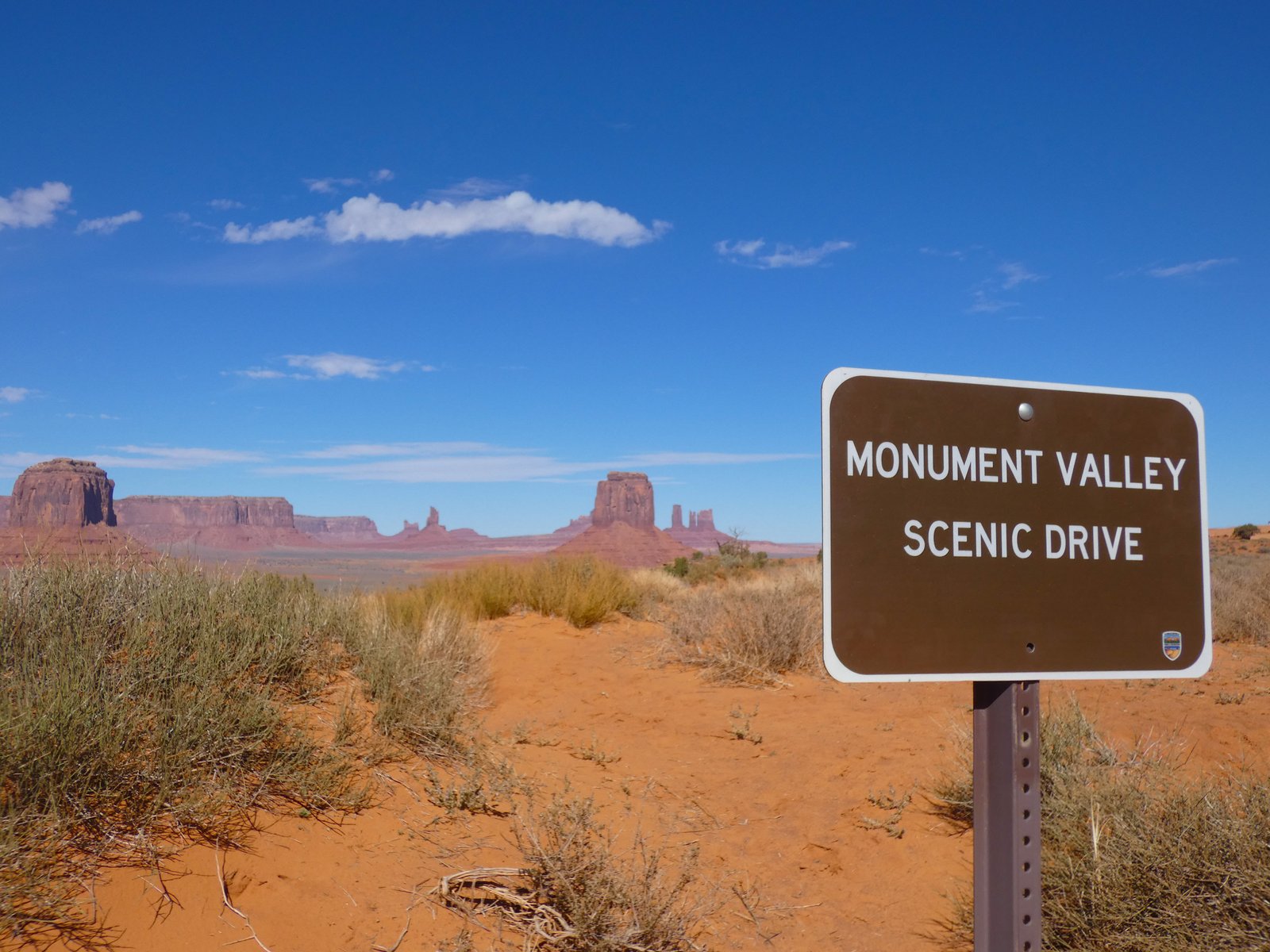
This itinerary is built for a smooth, realistic day—no rushing, no backtracking, and plenty of time for photography. It follows the natural flow of the landscape and ends with Valley of the Gods and Goosenecks as optional add‑ons if you want to extend your day.
Morning: Arrive at Monument Valley & Start the Scenic Drive
Start early—Monument Valley is at its best in the morning light, and arriving early helps you avoid mid‑day crowds.
- Arrive at the Visitor Center – Pay the entry fee, use restrooms, and take in your first big views of the Mittens.
- Take photos from the Visitor Center Overlook – This is one of the most iconic viewpoints in the entire Southwest.
- Begin the 17‑mile Scenic Drive – The road is unpaved but manageable for most vehicles in dry conditions.
Plan for 2–3 hours with stops.
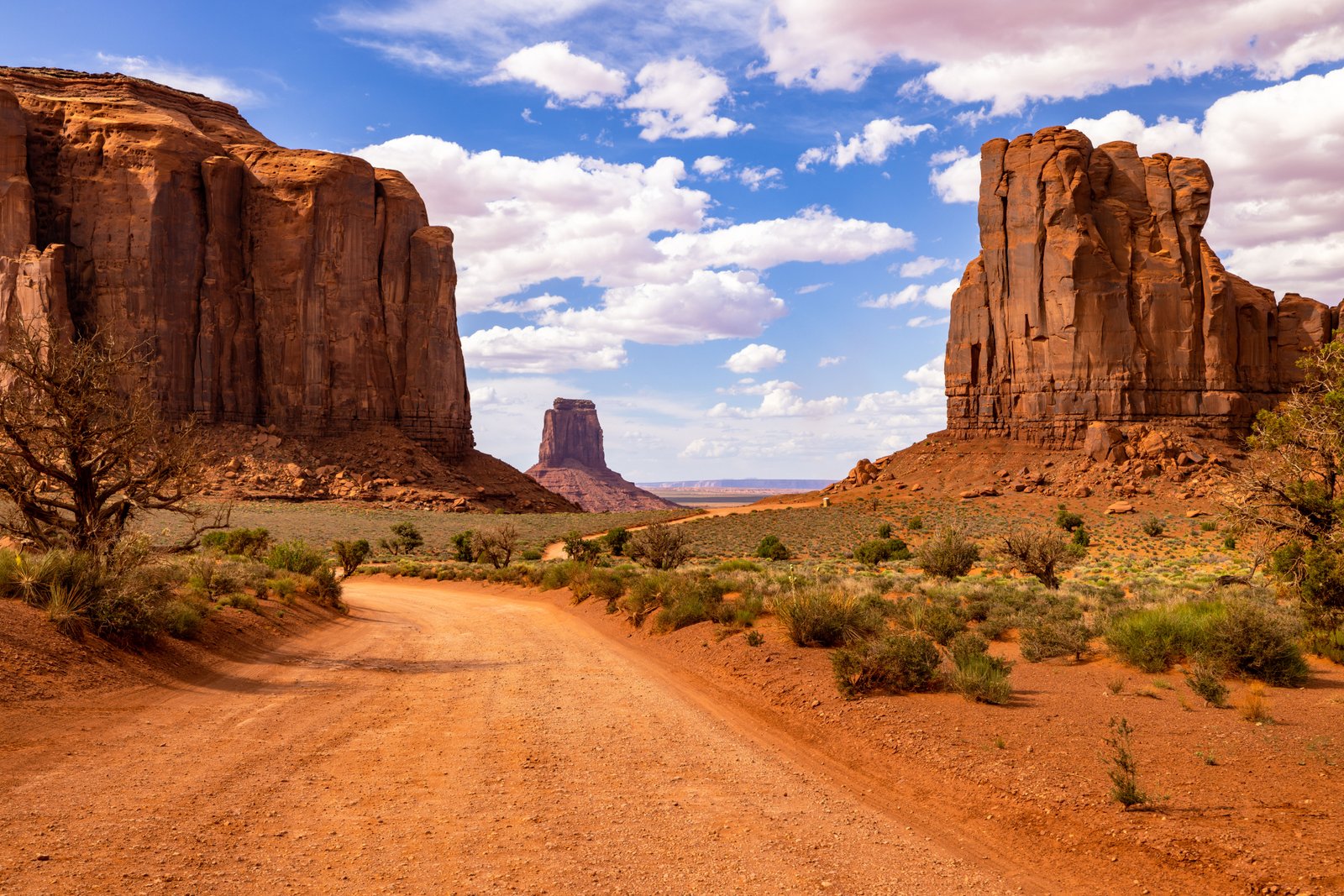
Mid‑Morning: Drive the Valley Loop & Stop at the Major Viewpoints
Work your way through the loop at a relaxed pace. These are the stops most travelers consider essential:
- John Ford’s Point — Classic Western film scenery.
- Elephant Butte — Great mid‑morning light.
- Three Sisters — A quick but worthwhile stop.
- Artist’s Point — One of the best wide‑angle views.
- Totem Pole & Yei Bi Chei — Visible from a distance; guided tours required to get close.
- North Window — Beautiful framing for photos.
Expect this portion to take 2 hours if you stop often for photos.
Optional Midday Add‑On: Hike the Wildcat Trail
If you want to stretch your legs and get closer to the formations, the Wildcat Trail is the only self‑guided hiking trail inside Monument Valley. This 3.8‑mile loop circles West Mitten Butte, giving you a completely different perspective than the viewpoints along the scenic drive.
The trail is mostly flat but exposed, so plan for 1.5–2 hours and bring plenty of water. Midday is a good time for this hike since the scenic drive is busiest then, and you’ll get beautiful close‑up views of the buttes even if the light is a bit harsher.
It’s a great option for travelers who want a mix of driving and hiking without needing a guided tour.
Lunch: Return to the Visitor Center Area
You can either:
- Eat at The View Restaurant for Navajo‑inspired dishes and panoramic windows, or
- Bring your own picnic and enjoy the outdoor tables with sweeping views.
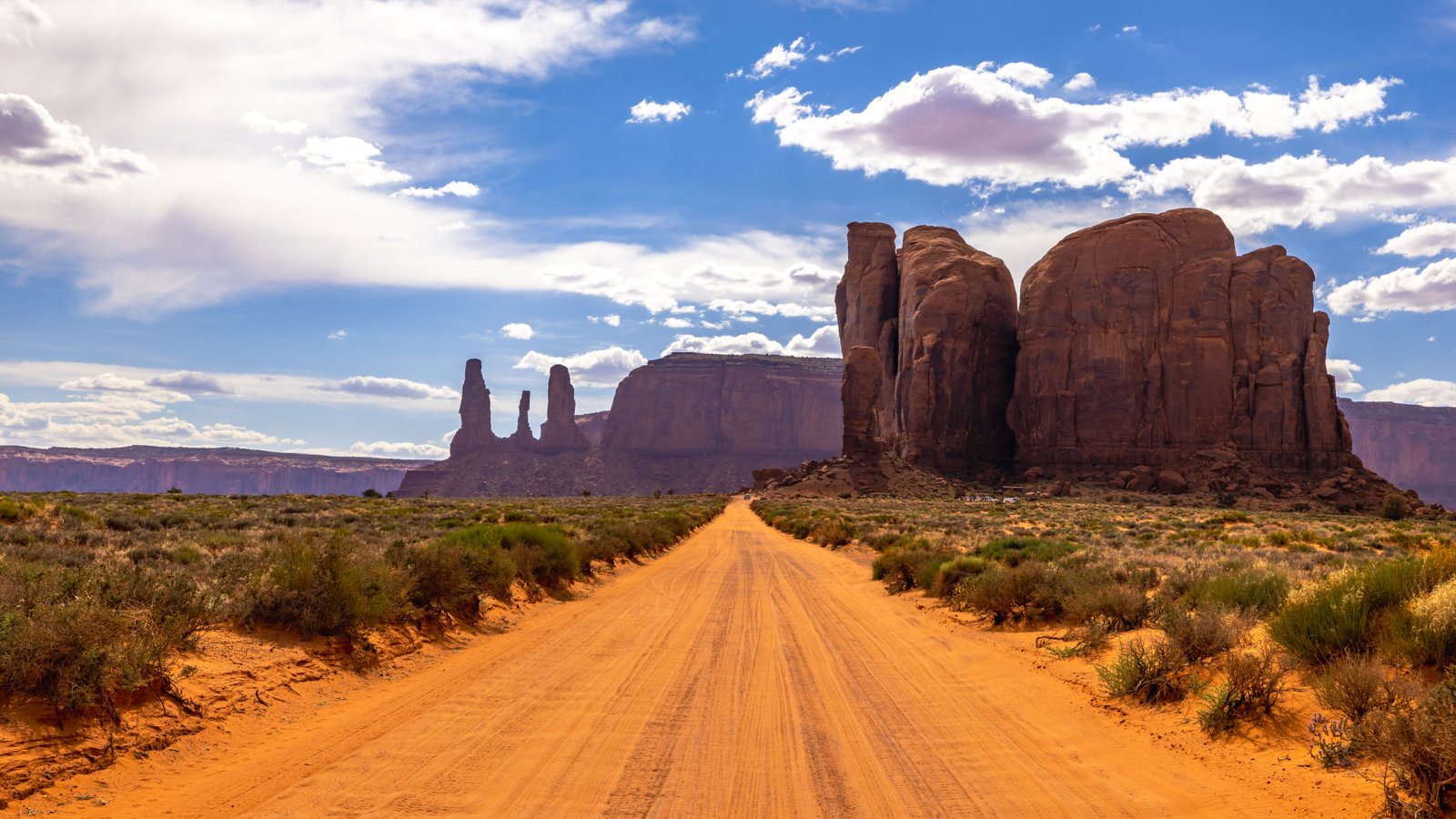
Early Afternoon: Optional Guided Tour (Highly Recommended)
If you want to see restricted areas like Mystery Valley or Hunts Mesa, this is the time to join a Navajo‑guided tour.
Tours typically last 2–3 hours and offer access to places you can’t reach on your own.
If you prefer to continue on your own, you can spend this time exploring the gift shop and cultural displays.
Late Afternoon: Stop at Forrest Gump Point
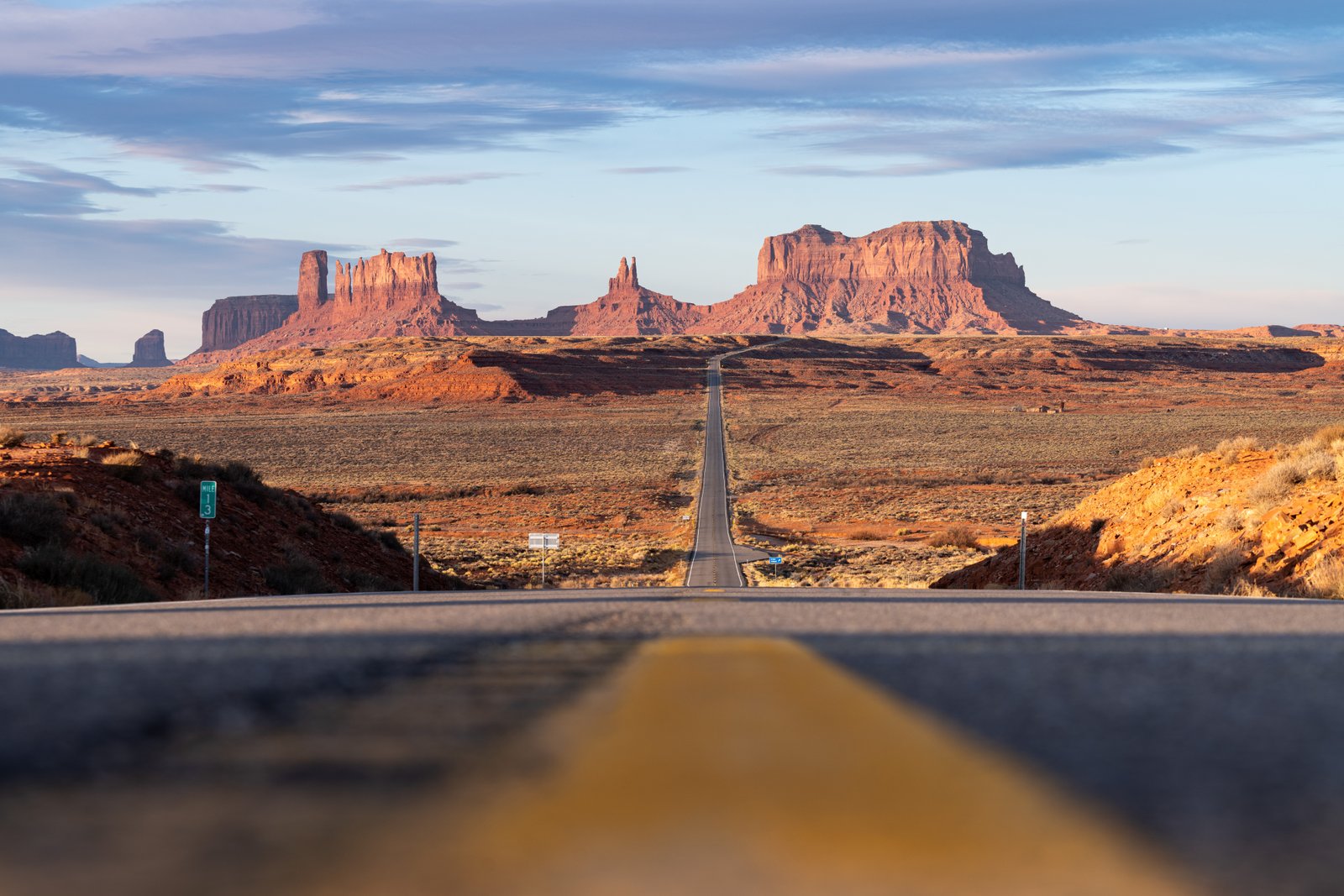
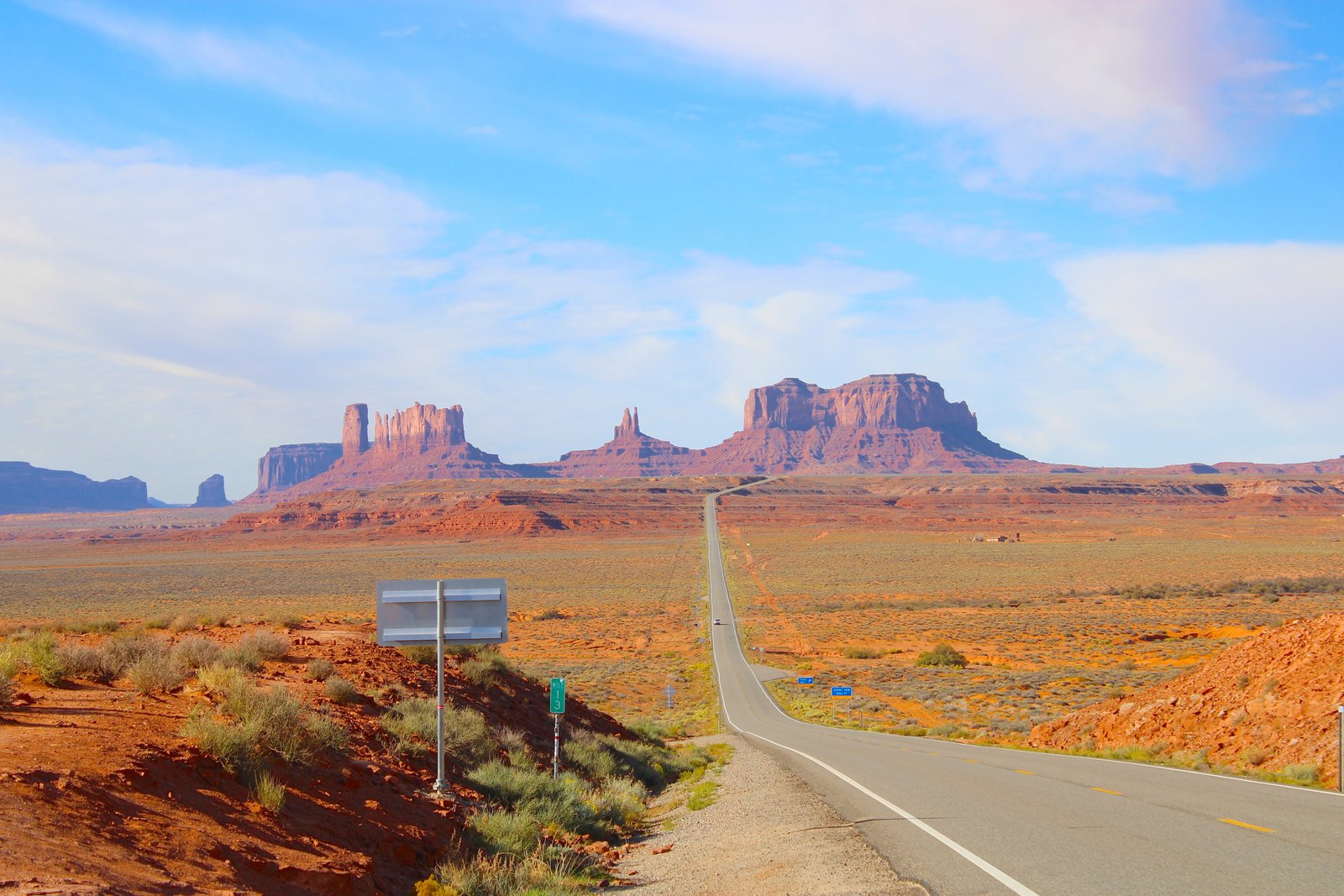
As you leave Monument Valley and head north toward Mexican Hat, make a quick stop at Forrest Gump Point on US‑163. This is the famous spot where Forrest ends his cross‑country run in the movie, and the long straight road lined up with Monument Valley’s buttes makes it one of the most iconic photo locations in the Southwest.
It’s an easy pull‑off along the shoulder, and the view is especially beautiful in late‑day light when the road glows and the formations stand out sharply in the distance. Plan for 10–15 minutes here.
Late Afternoon: Drive to Valley of the Gods
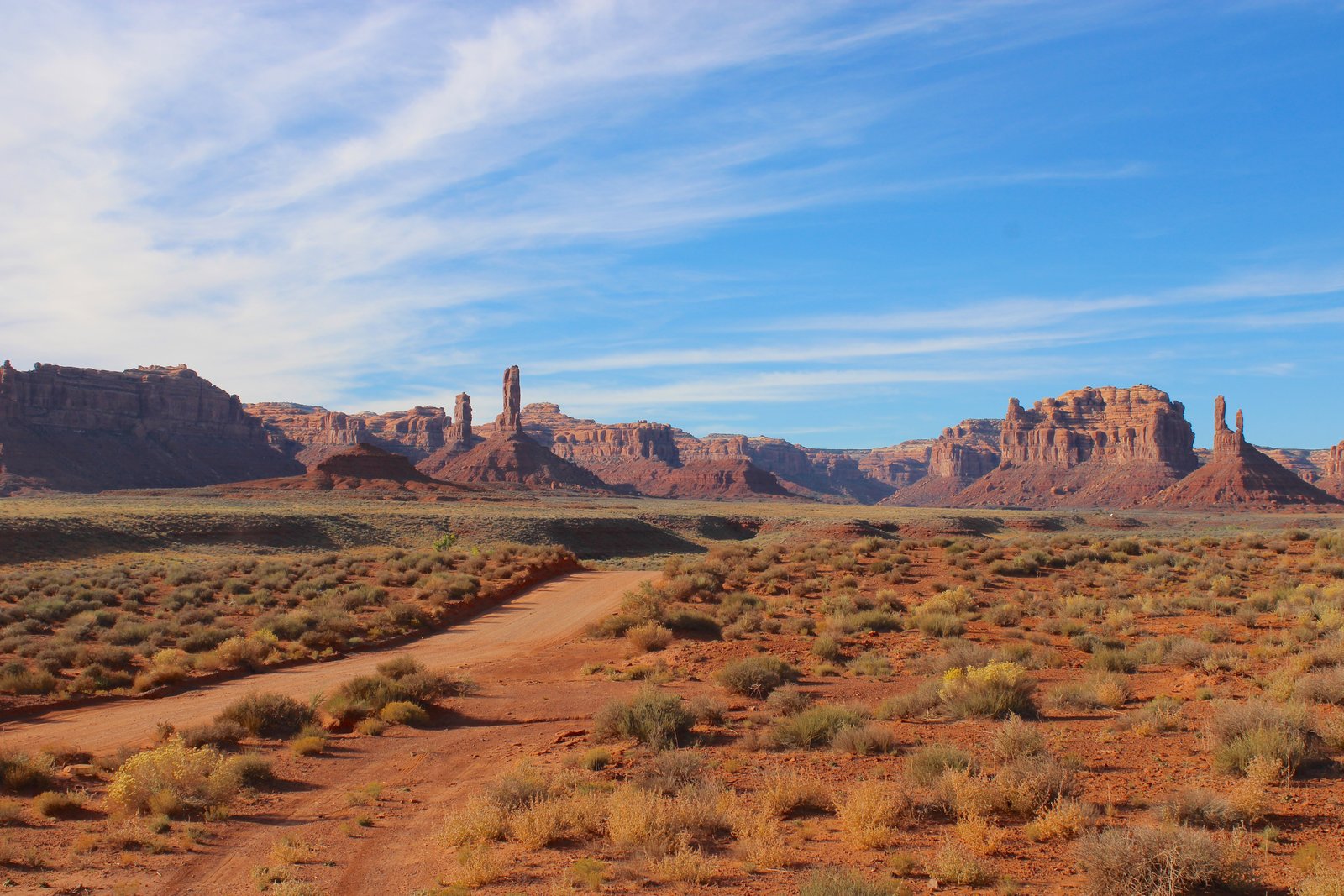
After your stop at Forrest Gump Point, continue north toward Mexican Hat and the start of Valley of the Gods. Valley of the Gods is a quieter, less‑visited version of Monument Valley with a 17‑mile dirt road that winds through mesas, buttes, and wide desert views. The drive is about 30–40 minutes.
Plan for 1–1.5 hours depending on how often you stop.
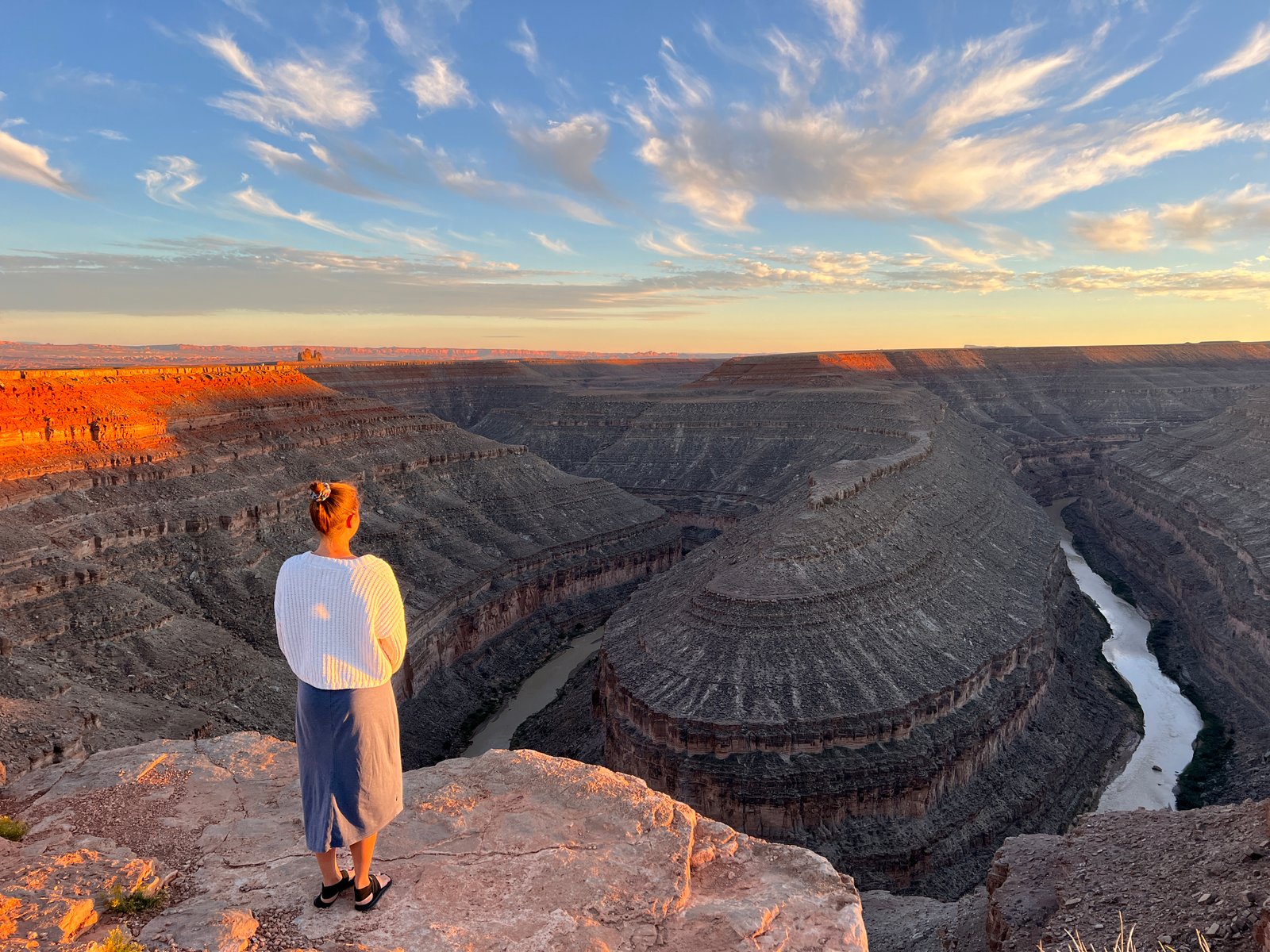
Sunset: Goosenecks State Park
End your day at Goosenecks State Park, just 10 minutes from Mexican Hat.
The overlook reveals a dramatic, winding section of the San Juan River carved deep into the canyon—perfect for sunset photography.
You only need 20–30 minutes here, but many travelers stay longer because the view is so striking.
Evening: Return to Your Hotel or Campsite
Head back to your lodging in Monument Valley, Mexican Hat, or Bluff.
This wraps up a full day of classic Southwest scenery without feeling rushed.
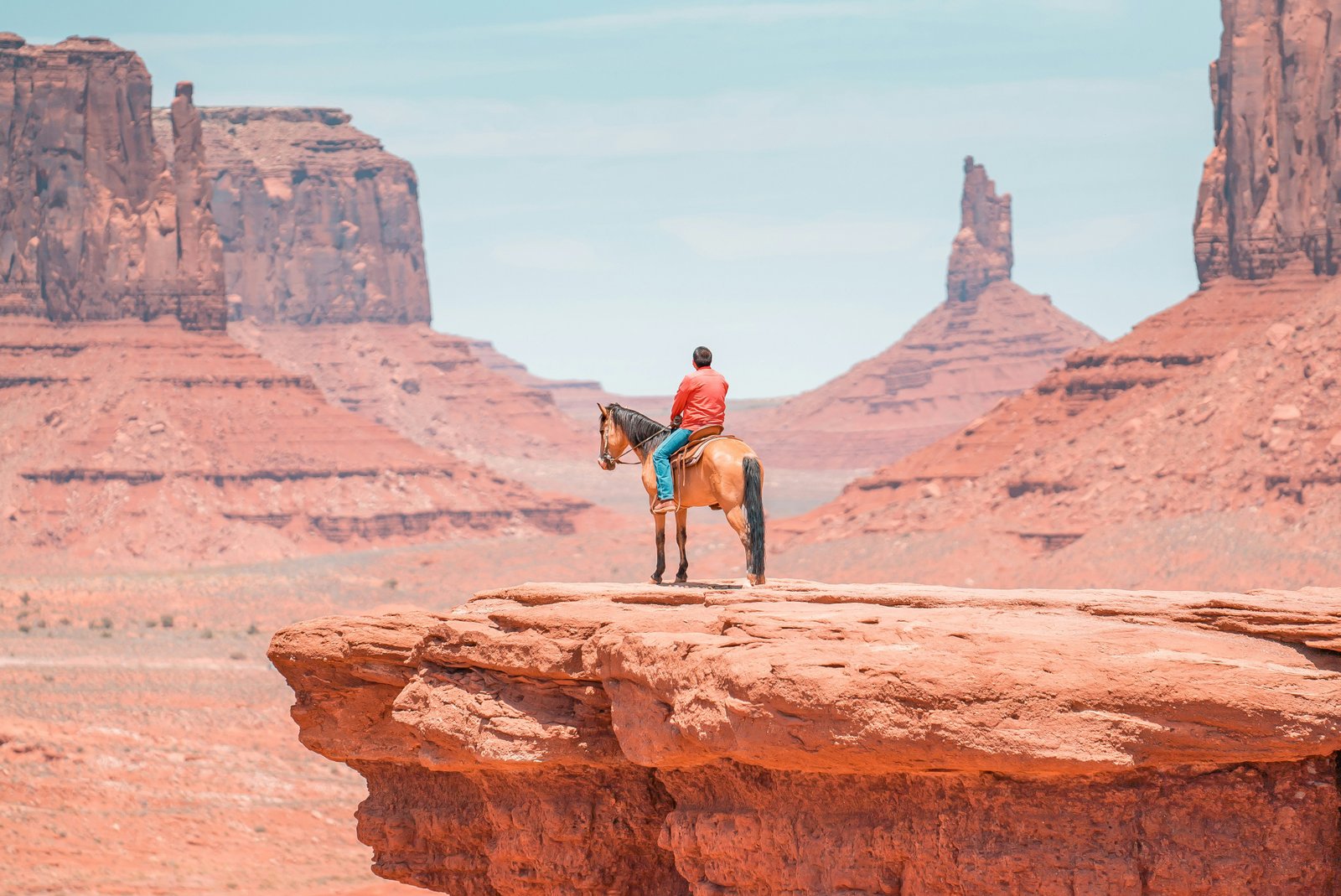
Best Stops in Monument Valley
These are the stops most travelers consider essential along the 17‑mile scenic drive. Each one offers a different angle of the valley’s famous sandstone formations, and together they create the classic Monument Valley experience.
Visitor Center Overlook — Your first panoramic view of the Mittens and Merrick Butte. This is one of the most photographed spots in the Southwest and a perfect place to start your day.
John Ford’s Point — A sweeping viewpoint made famous by classic Western films. The wide desert floor and towering buttes make this one of the most dramatic stops on the loop.
Elephant Butte — A massive formation shaped like an elephant, best viewed in mid‑morning light when the textures stand out.
Three Sisters — Three slender spires rising from a single base. It’s a quick stop but a great one for close‑up photos.
Artist’s Point — One of the most expansive views in the valley. From here you can see multiple buttes and mesas stretching across the horizon.
Totem Pole & Yei Bi Chei — A striking cluster of tall, narrow spires. You’ll see them from a distance on the main drive; guided tours are required to get closer.
North Window — A natural “window” framing the valley’s formations. It’s a beautiful spot for wide‑angle photography.
The Hub — A lesser‑known stop with a tall, rounded butte rising from the desert floor. It’s quieter and often overlooked, making it a nice bonus viewpoint.
Wildcat Trail — The only self‑guided hiking trail inside Monument Valley. This 3.8‑mile loop circles West Mitten Butte and gives you close‑up views you can’t get from the road. Plan for 1.5–2 hours if you add it to your day.
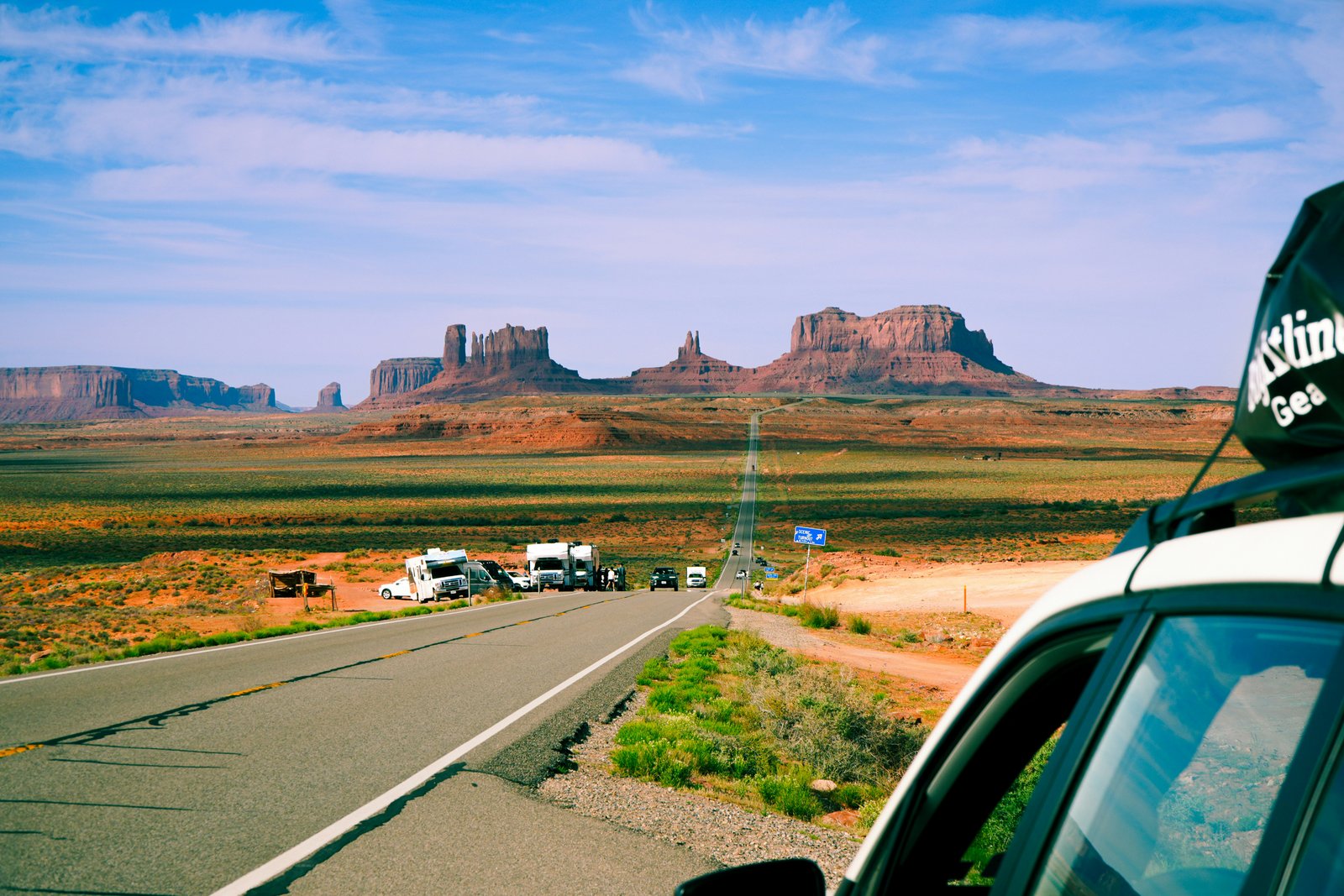
Forrest Gump Point
Forrest Gump Point is one of the most famous roadside viewpoints in the Southwest, thanks to the scene in Forrest Gump where he ends his cross‑country run. Located along US‑163 just north of Monument Valley, this stretch of highway lines up perfectly with the towering buttes in the distance, creating one of the most recognizable photo spots in Utah. It’s an easy stop on your way to or from Monument Valley, and the view is especially beautiful in the soft light of early morning or late afternoon.
- Location — About 20 minutes north of Monument Valley on US‑163.
- Best Time for Photos — Early morning or late afternoon for softer light and fewer cars.
- Parking — Roadside pull‑outs along the shoulder; use caution and watch for traffic.
- Why It’s Famous — Featured in Forrest Gump during the “I’m pretty tired… I think I’ll go home now” scene.
- Photography Tips — Use the road as a leading line; a wide‑angle lens works best.
Why Add It to Your Monument Valley Day
Forrest Gump Point gives you the classic “long road into Monument Valley” shot that travelers love. It’s quick, easy, and adds a completely different perspective compared to the views inside the park. If you’re already heading toward Mexican Hat or Valley of the Gods, it’s right on the way — no detour needed.
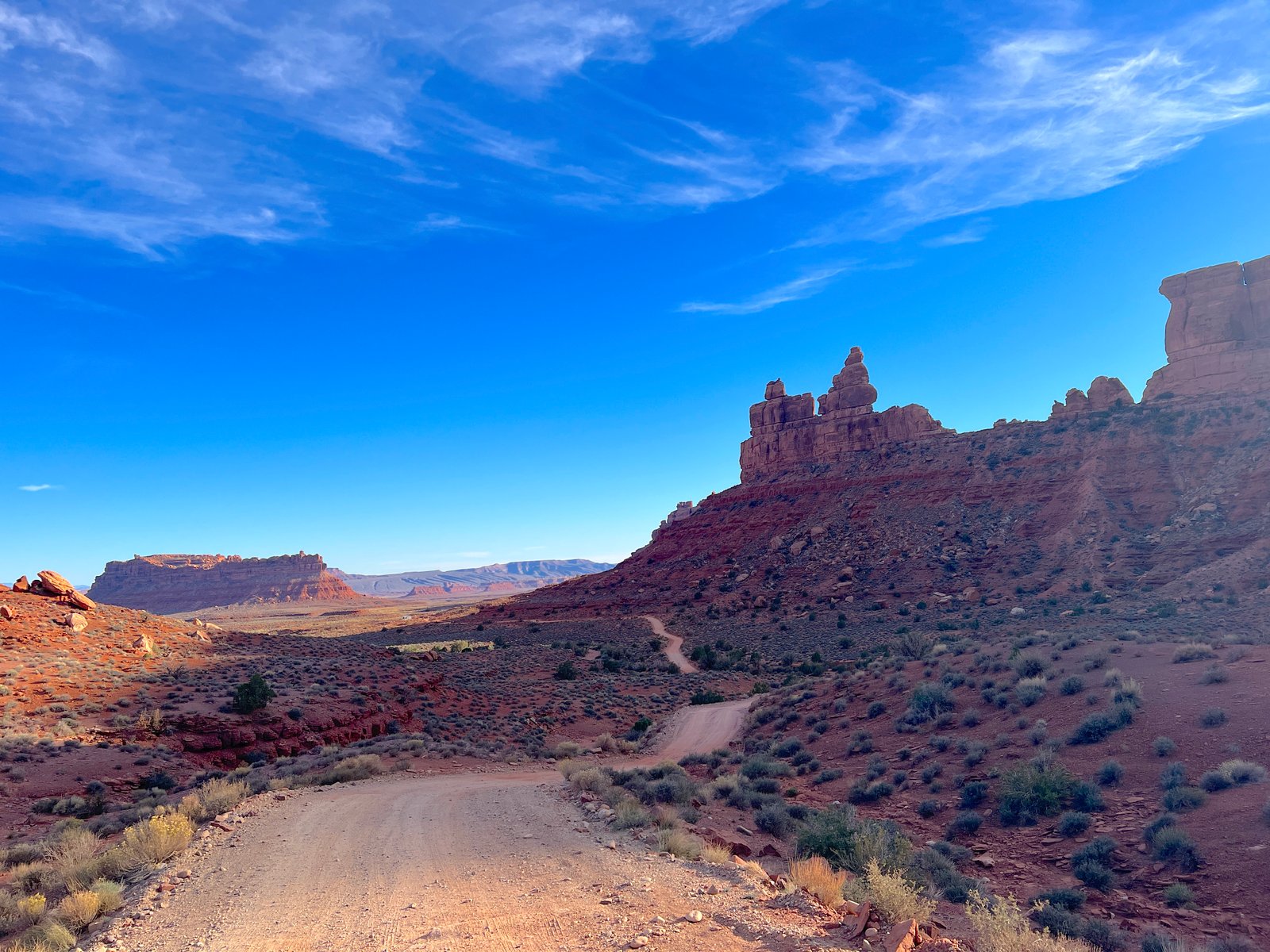
Valley of the Gods Scenic Drive
Valley of the Gods is one of the best add‑ons to a Monument Valley trip—quiet, wide‑open, and filled with towering rock formations that feel like a more peaceful, less‑visited version of its famous neighbor. The 17‑mile dirt road winds through mesas, buttes, and desert flats, giving you nonstop views without crowds or tour buses. It’s the kind of place where you can stop anywhere, step out of the car, and feel completely immersed in the landscape.
- Location — About 30–40 minutes north of Monument Valley, just outside Mexican Hat.
- Road Conditions — The road is dirt and can be washboarded, but it’s usually passable for most vehicles in dry weather. High‑clearance is helpful but not required.
- Driving Time — Plan for 1–1.5 hours, depending on how often you stop for photos.
- Crowds — Very light traffic; you may go long stretches without seeing another car.
- Best Time to Visit — Late afternoon when the warm light hits the formations.
What Makes Valley of the Gods Special
Valley of the Gods feels wild and untouched. There are no visitor centers, no designated viewpoints, and no crowds—just a quiet dirt road winding through dramatic rock formations with names like Rooster Butte and Setting Hen Butte. The freedom to stop anywhere and explore at your own pace makes this drive feel more personal and adventurous than Monument Valley’s main loop.
It’s also a perfect contrast to Monument Valley: where Monument Valley is iconic and structured, Valley of the Gods is open, quiet, and wonderfully simple.
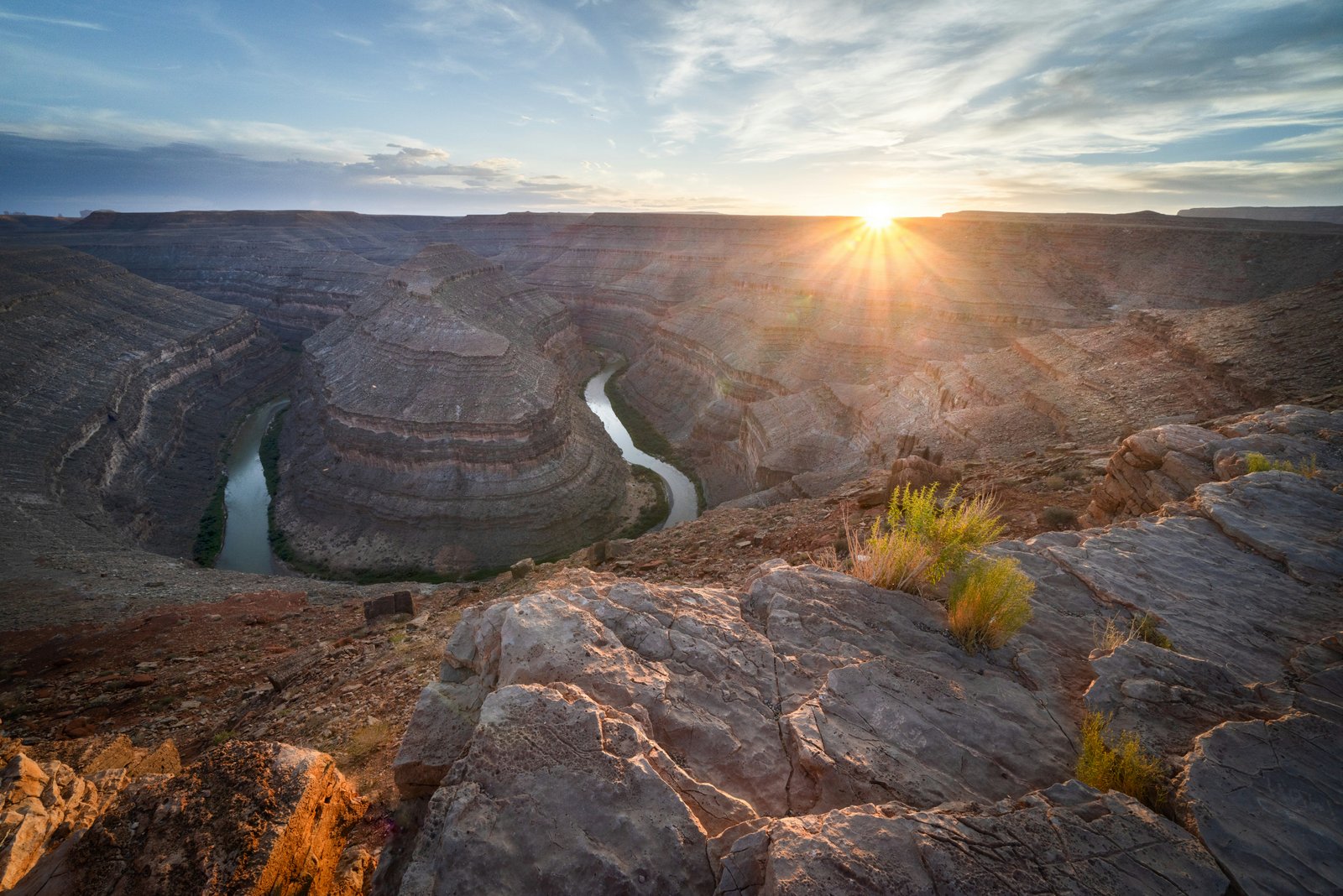
Goosenecks State Park
Goosenecks State Park is a quick but unforgettable stop just outside Mexican Hat, making it an easy addition to your Monument Valley day. The overlook sits high above a deep canyon carved by the San Juan River, which twists back and forth in tight, dramatic curves—“goosenecks”—over millions of years. It’s one of the most striking river bends in the Southwest and a perfect place to end your day with wide, golden desert light.
- Location — About 10 minutes from Mexican Hat, and roughly 40–45 minutes from Monument Valley.
- Entry Fee — A $5 per‑vehicle fee or $10 per night to camp is collected at the entrance booth.
- Facilities — Basic amenities only; vault toilets and picnic tables.
- Best Time to Visit — Sunset is ideal, when the canyon walls glow and the river bends are easiest to see.
- Photography — Bring a wide‑angle lens to capture the full sweep of the river’s curves.
Why Goosenecks Is Worth the Stop
The viewpoint requires almost no walking—just park and walk a few steps to the edge—yet the view is enormous. The San Juan River has carved a canyon more than 1,000 feet deep, looping back on itself in tight, dramatic bends that you can see all at once from the overlook. It’s a completely different landscape from Monument Valley and Valley of the Gods, and the contrast makes it a perfect finale to your one‑day itinerary.
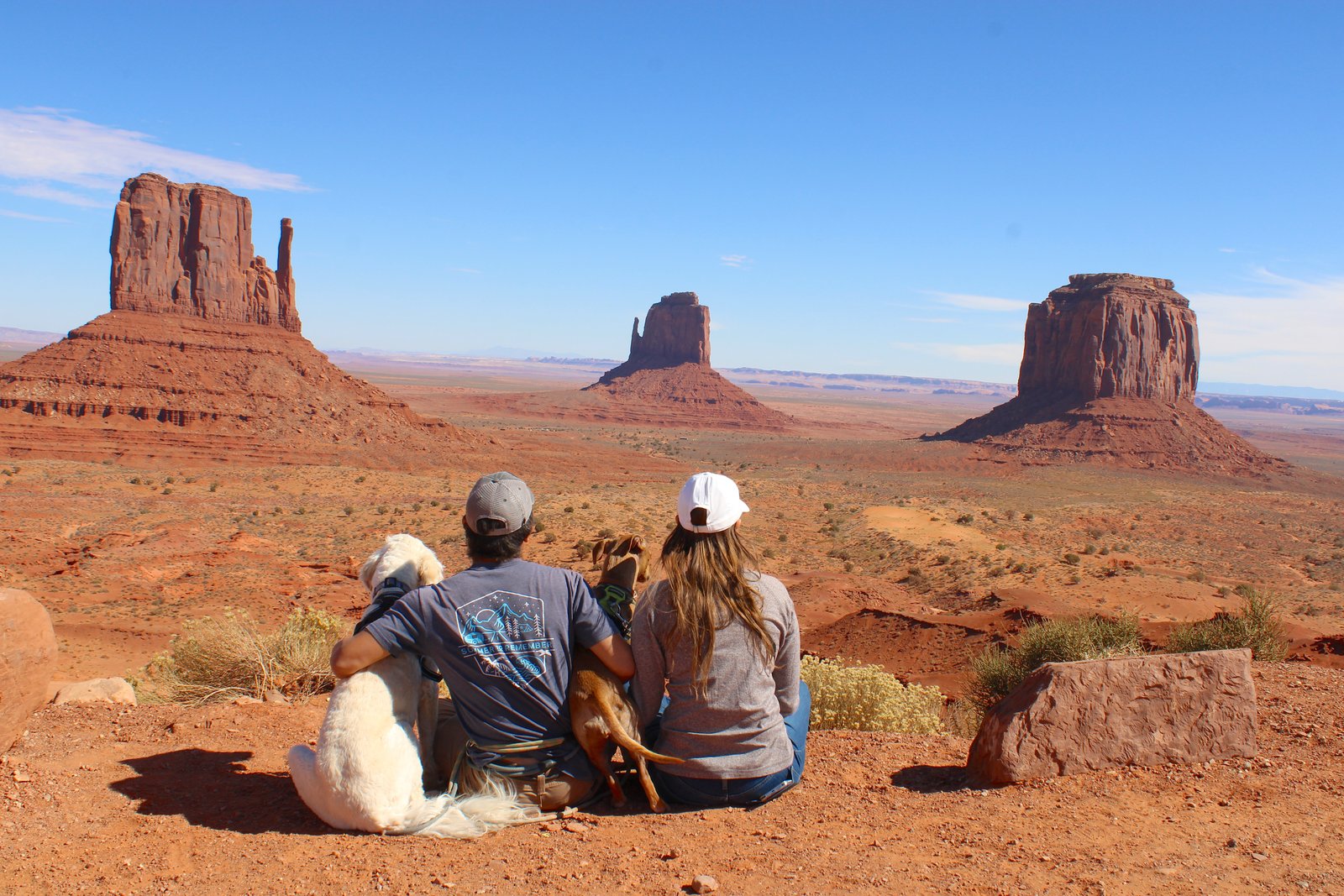
Monument Valley is one of those rare places that stays with you long after you’ve left—its quiet roads, towering sandstone buttes, and wide‑open desert views create an experience that feels both timeless and deeply personal. Whether you’re visiting for the classic overlooks, the scenic drives, or the chance to explore Navajo Nation lands, this region offers something unforgettable for every traveler. If you’ve visited Monument Valley before, I’d love to hear about your experience and what moments stood out most to you.
Monument Valley FAQ
How long does it take to visit Monument Valley?
Most travelers spend 2–3 hours driving the 17‑mile scenic loop, plus extra time for photos, the Visitor Center, or a guided tour. With your full itinerary, plan for half a day inside the park.
Do I need a high‑clearance vehicle for the scenic drive?
A high‑clearance vehicle is recommended, but not required in dry conditions. The road is unpaved and can be bumpy or sandy in spots. After rain, conditions can change quickly.
Is Monument Valley open year‑round?
Yes. Monument Valley is typically open year‑round, though hours can vary seasonally. It’s managed by the Navajo Nation, so closures may occur for cultural events or weather.
What is the entry fee for Monument Valley?
There is a per‑vehicle fee collected at the entrance, managed by the Navajo Nation. Prices can change, so check current rates before you go.
Can I visit Monument Valley without a tour?
Yes. The main scenic drive is self‑guided. However, certain areas—like Mystery Valley and Hunts Mesa—require a Navajo‑guided tour to access.
Are drones allowed in Monument Valley?
No. Drones are not permitted anywhere within Monument Valley Tribal Park.
What’s the best time of year to visit?
Spring and fall offer the best weather and clearest skies. Summer can be hot, and winter brings colder temperatures but fewer crowds.
Where is the best place to photograph the Mittens?
The Visitor Center Overlook is the classic viewpoint, especially at sunrise. You can also capture great angles from the start of the scenic drive.
Is Valley of the Gods worth adding to a Monument Valley trip?
Yes—Valley of the Gods is a quiet, scenic 17‑mile dirt road with formations similar to Monument Valley but far fewer crowds. It’s an easy add‑on just north of Mexican Hat.
How far is Goosenecks State Park from Monument Valley?
Goosenecks is about 40–45 minutes from Monument Valley and only 10 minutes from Mexican Hat. It’s a perfect sunset stop.
Helpful Links
- Monument Valley Navajo Tribal Park (Official Site) – https://www.navajonationparks.org/tribal-parks/monument-valley
- The View Hotel & Campground – https://www.monumentvalleyview.com
- Goulding’s Lodge & Campground – https://www.gouldings.com
- Forrest Gump Point (US‑163 Scenic Viewpoint) – https://www.visitutah.com/places-to-go/forrest-gump-point
- Valley of the Gods (Bureau of Land Management) – https://www.blm.gov/visit/valley-of-the-gods
- Goosenecks State Park (Utah State Parks) – https://stateparks.utah.gov/parks/goosenecks
- Navajo Nation Parks & Recreation Updates – https://www.navajonationparks.org