
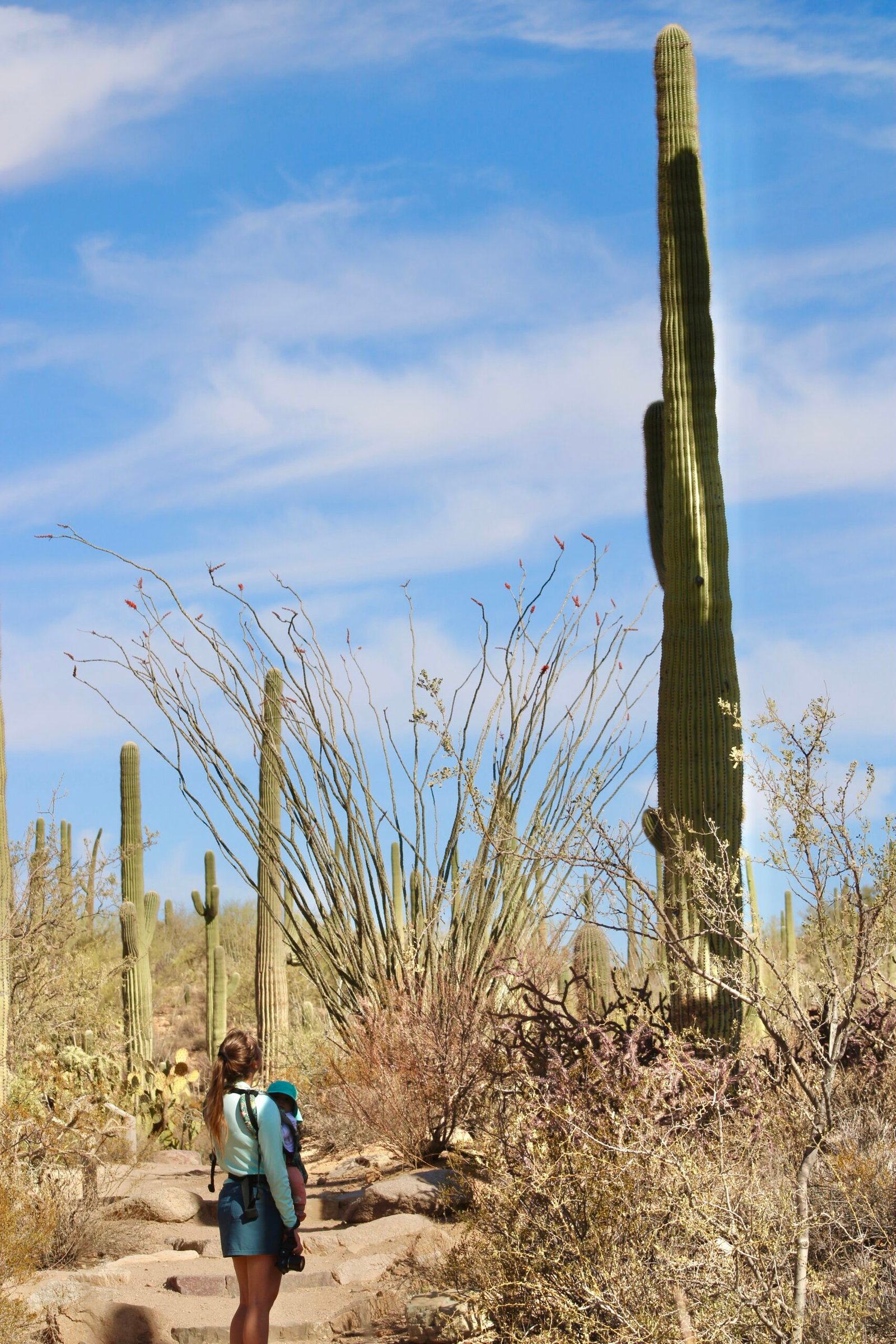
Saguaro National Park is a desert icon and a must do on any trip to the southwest. Located in southern Arizona in the city of Tucson, the park is split into two districts — the East (Rincon Mountain District) and the West (Tucson Mountain District). Both sides offer scenic drives, hiking trails, ranger programs, visitor centers, and of course, endless views of giant saguaro cacti.
Saguaro National Park is one of the few places in the United States where you can see such an undisturbed forest of saguaros, often called the “guardians of the desert.” In this post, we’re sharing exactly how to spend one day exploring the West District of Saguaro National Park.
This post contains affiliate links, so we may earn a small commission when you make a purchase through links on our site at no additional cost to you.
A look at what this guide includes:
- Park Details — entrance fees, pet policy, operating hours, and West District basics.
- Getting to Saguaro National Park (West District) — driving routes, travel times, and what to expect when you arrive.
- Best Time to Visit Saguaro — weather, seasonal considerations, and how desert conditions affect your day.
- Amenities in the Park & Nearby — visitor center info, picnic areas, and essential services around the West District.
- Things to Bring — gear, clothing, and desert essentials for a comfortable visit.
- Things to Do in the West District — the best viewpoints, scenic drives, short hikes, and desert experiences.
- One‑Day West District Itinerary — a detailed, stop‑by‑stop plan for exploring Saguaro’s West side in one day.
- What to Know Before Your Trip — helpful advice for desert safety, timing, and navigating the West District.
- FAQ — answers to common questions about visiting Saguaro National Park.
- Helpful Links — official resources and nearby services to help plan your trip.
Quick Overview of Saguaro National Park (West District)
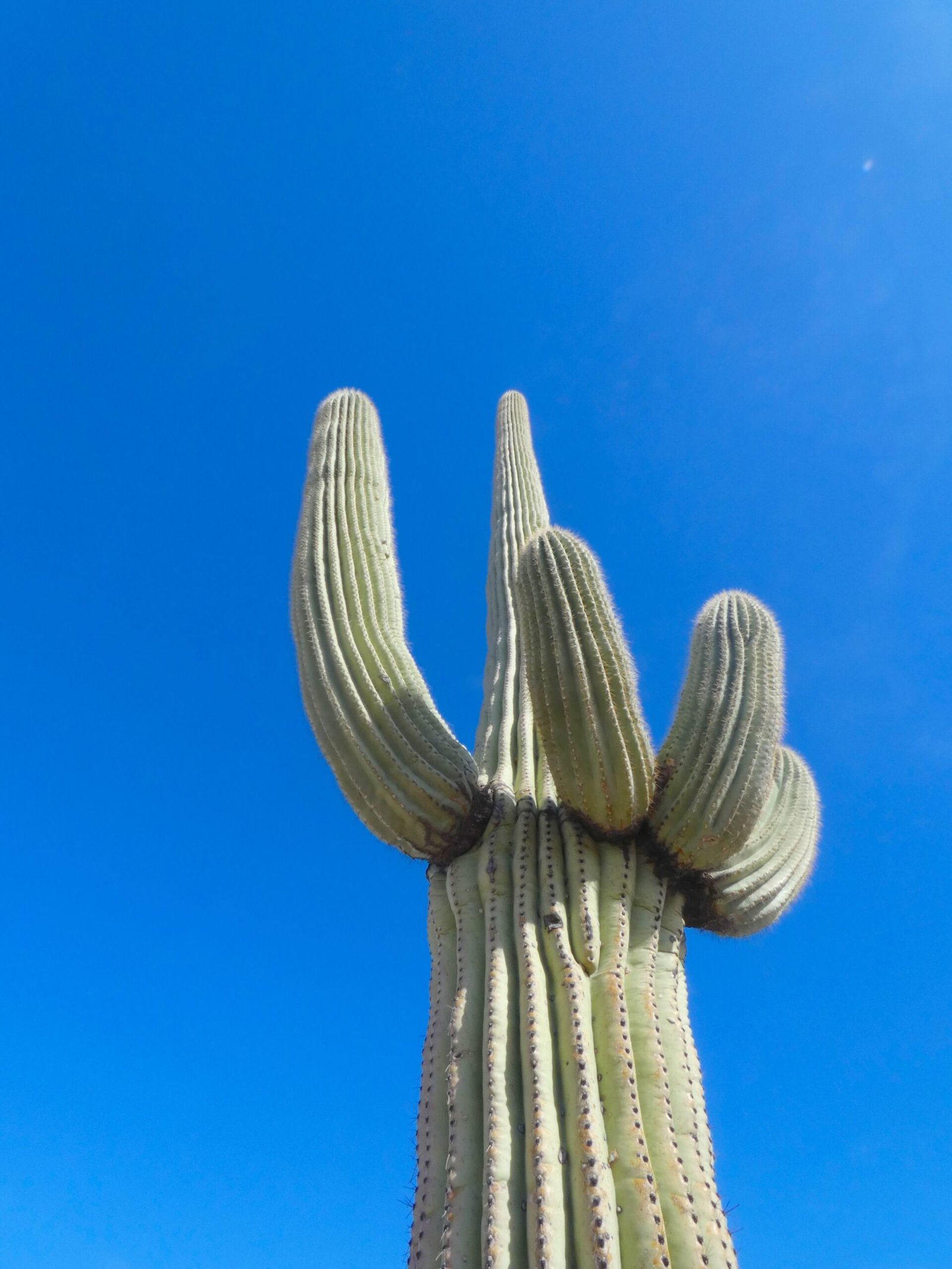
Saguaro National Park is split into two separate districts on opposite sides of Tucson: the East (Rincon Mountain District) and the West (Tucson Mountain District). While both areas protect the iconic saguaro cactus, the West District is known for its denser cactus forests, rugged desert scenery, and easy access to short hikes and scenic drives — making it perfect for a one‑day visit.
The West side is smaller and more compact, which means you can experience a lot in a short amount of time. Most of the highlights are located off Kinney Road and Picture Rocks Road, including the Red Hills Visitor Center, the Bajada Loop Drive, and several short trails with incredible views.
If you’re looking for classic desert landscapes, sunset viewpoints, and trails surrounded by towering saguaros, the Tucson Mountain District offers one of the best one‑day itineraries in the entire park.
Park Details
Before planning your one‑day Saguaro itinerary, it’s helpful to know a few key details about visiting Saguaro National Park. From entrance fees and pet rules to seasonal access and basic logistics, these essentials will make your trip smoother and help you prepare for what to expect in the Sonoran Desert.
Entrance Fees
Saguaro National Park charges a standard entrance fee for all visitors. The fee is $25 per vehicle, $20 for motorcycles, or $15 per person for walk‑ins and cyclists. Your pass is valid for seven consecutive days and covers both the East (Rincon Mountain District) and West (Tucson Mountain District) sections of the park. If you plan to visit multiple national parks throughout the year, the America the Beautiful Pass ($80 annually) is the best value.
Pet Policy
Pets are welcome in Saguaro National Park but have limited access. Leashed pets are allowed on roadways, picnic areas, and designated paved trails, but they are not permitted on dirt hiking trails or in the backcountry. Because the desert heat can be intense, plan short walks early or late in the day and always bring extra water for your pet. Never leave animals unattended in vehicles — temperatures rise quickly even in cooler months.
Operating Hours & Seasons
Both districts of Saguaro National Park are open year‑round, though summer temperatures often exceed 100°F. The cooler months (October through April) are the most comfortable for hiking and photography. Visitor centers in each district are typically open daily from morning to late afternoon, with hours varying slightly by season.
Getting to Saguaro National Park
Saguaro National Park is split into two separate districts on either side of Tucson, and understanding this layout makes planning your visit much easier. The West District (Tucson Mountain District) is known for dense cactus forests and classic desert views, while the East District (Rincon Mountain District) offers scenic drives, higher elevation, and more varied terrain. Both are easy to reach from Tucson, but they sit about 30–45 minutes apart depending on traffic.
Closest Airport
The nearest airport is Tucson International Airport (TUS), located about 20–30 minutes from both park districts. Phoenix Sky Harbor International Airport (PHX) is another option, roughly 1 hour 45 minutes north of Tucson.
Driving to the West District (Tucson Mountain District)
The West District is closest to downtown Tucson and is generally the easier district to reach. From central Tucson, take Speedway Blvd or Gates Pass Road west toward the Tucson Mountains. Gates Pass is especially scenic but has steep, winding sections. The Red Hills Visitor Center is the main hub for this district.
Driving to the East District (Rincon Mountain District)
The East District sits on the eastern edge of Tucson. From downtown, take Broadway Blvd or Old Spanish Trail toward the Rincon Mountains. The Rincon Mountain Visitor Center is located near the park entrance and provides access to the Cactus Forest Drive, one of the most popular scenic loops in the park.
Travel Time Between Districts
Although both districts are close to Tucson, they are not connected internally. Driving between the East and West Districts typically takes 30–45 minutes, so plan your day accordingly if you want to visit both.
Best Time to Visit Saguaro National Park
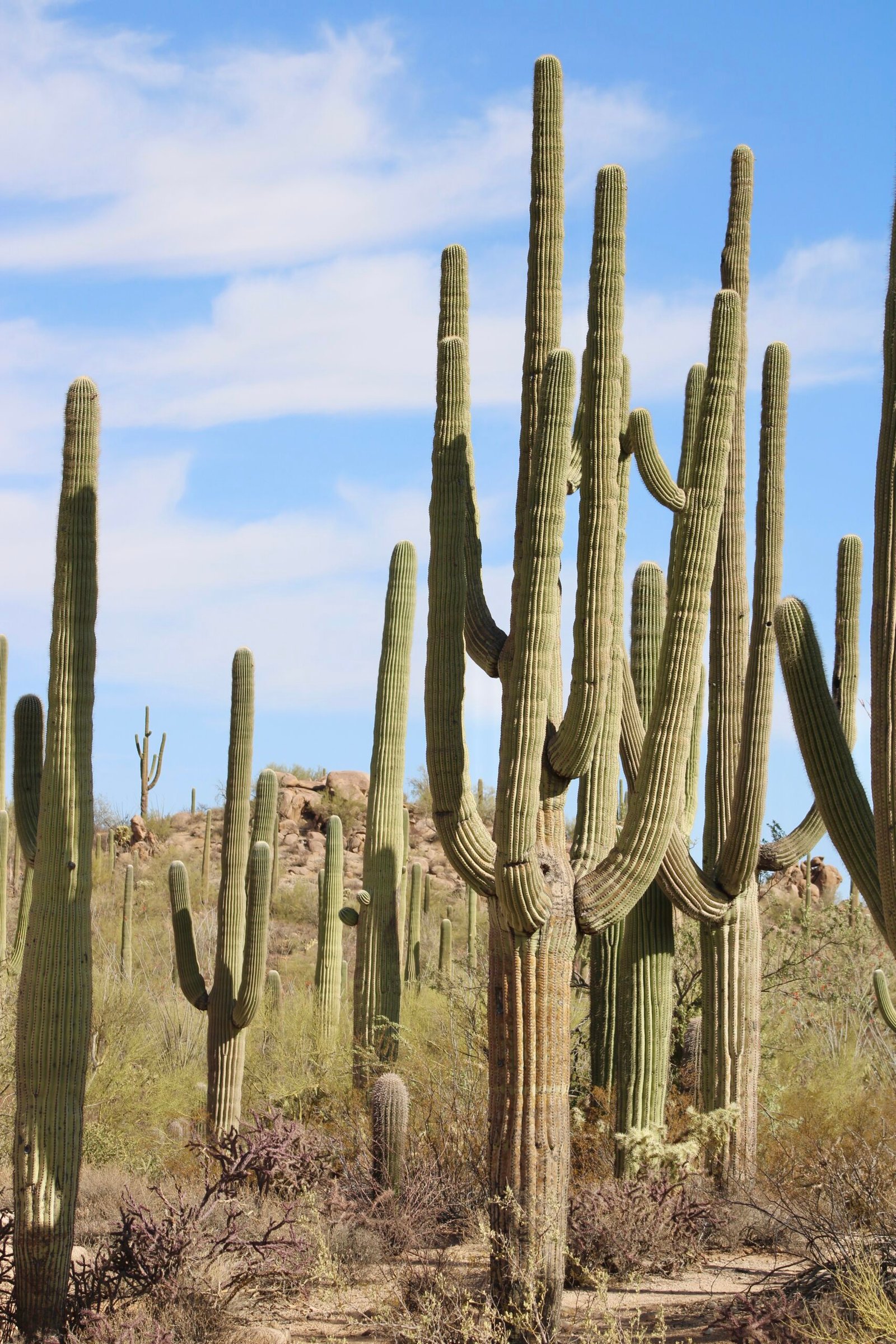
Before planning your trip to Saguaro National Park, it’s important to choose the right season. In short — anytime except summer. The best time to visit is fall through spring, when daytime temperatures are cooler, hiking is safe, and the desert is comfortable to explore.
Summer in southern Arizona can be extremely dangerous, with temperatures often climbing above 110–120°F. Trails become unsafe, heat exhaustion is common, and the park strongly discourages hiking during the hottest months. For the most enjoyable experience, plan your visit between October and April.
Spring is especially beautiful in Saguaro National Park. Wildflowers begin blooming in March, covering the desert with pops of yellow, purple, and pink. Around the same time, you may also see saguaro blooms, which typically appear from late April through early June. These creamy white flowers are Arizona’s state bloom and make the park feel even more magical.
If you want cooler temperatures, great hiking conditions, and the chance to see the desert come alive with color, March through early May is one of the most rewarding times to visit.
Saguaro National Park Packing Essentials
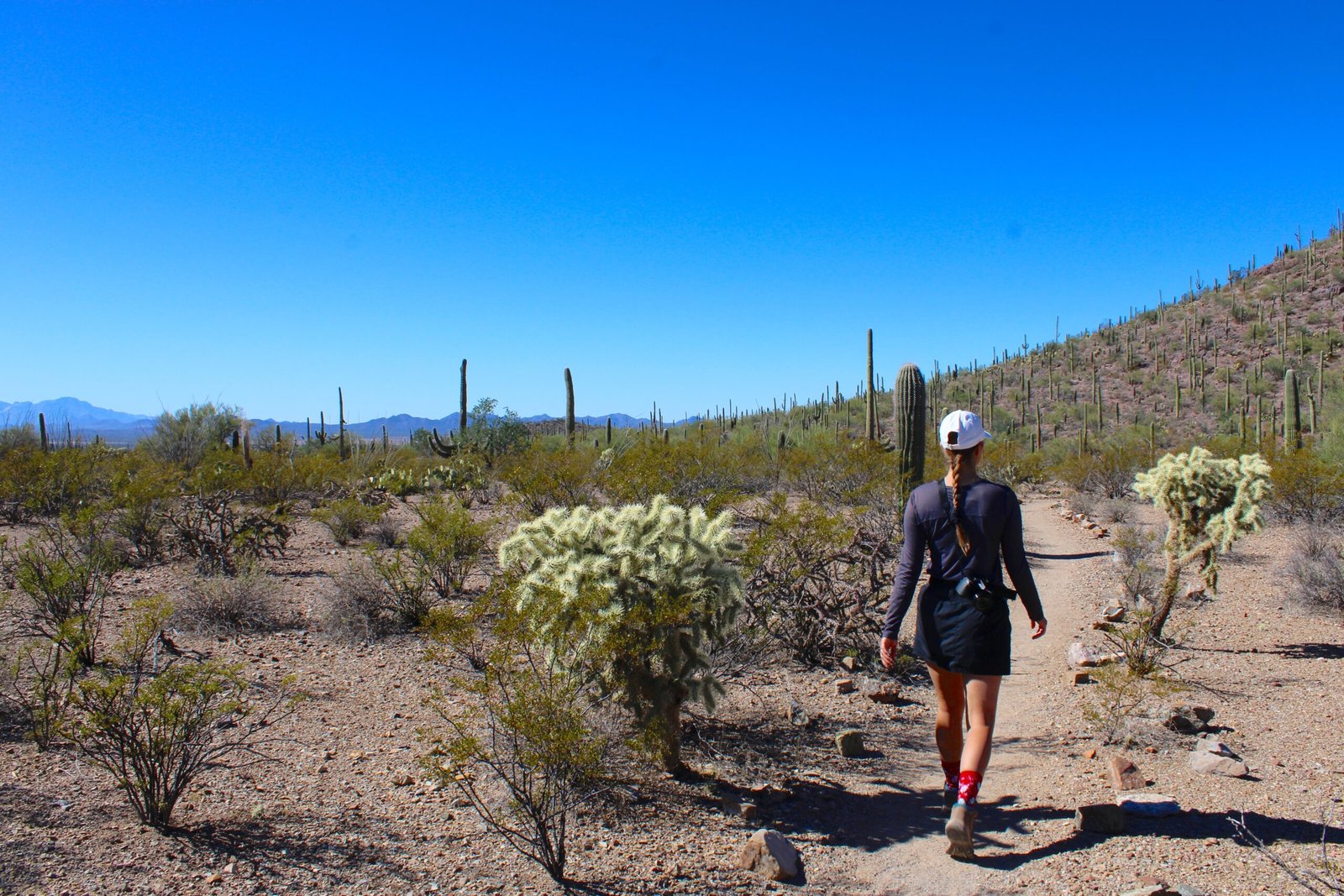
Prepare for your adventures in Saguaro National Park with our recommended hiking and safety gear. The West District can be hot, exposed, and rugged, so having the right items makes your visit safer and much more enjoyable.
Water & Hydration
Staying hydrated is the most important part of visiting Saguaro National Park, especially if you’re hiking or exploring during warmer months. Plan to bring at least 2–3 liters of water per person for a full day in the desert. We use Simple Modern insulated water bottles because they keep water cold all day, even in intense heat. For longer hikes or hotter days, adding electrolytes makes a huge difference — we personally use LMNT electrolyte packets and always pack a few in our daypack.
Sun Protection
The sun in Saguaro National Park can be intense year‑round, especially during midday and on exposed trails. A wide‑brimmed hat and high‑SPF sunscreen make a huge difference in staying comfortable and protected. We always bring lightweight sun layers and reapply sunscreen throughout the day, even in cooler months.
Footwear & Clothing
The trails in Saguaro National Park are rocky, uneven, and often covered in loose gravel, so sturdy footwear is essential. We use Columbia hiking boots (they come in both men’s and women’s versions), and they’ve been great for traction and ankle support on rocky desert trails. Breathable clothing, moisture‑wicking layers, and comfortable socks also make a big difference in staying cool throughout the day.
Navigation & Safety
Saguaro National Park is easy to explore, but cell service can be spotty in certain areas, especially along backroads and less‑traveled trails. Always download offline maps before you arrive and keep a general sense of where you are in the park. Carrying a small first‑aid kit, extra water, and letting someone know your plans are simple steps that go a long way in the desert. Hiking poles can also be helpful for balance on rocky or uneven terrain, especially in wash areas where footing can shift. Even short trails can feel more challenging in the heat, so pace yourself and stay aware of changing conditions.
- Montem Ultra Strong Hiking Poles
- Portable charger
- Small first‑aid kit
- Flashlight or headlamp (sunset hikes end quickly in the dark)
Desert‑Specific Items
The Sonoran Desert has its own unique challenges, so bringing a few desert‑specific items can make your day in Saguaro National Park much more comfortable. A small brush or cloth is helpful for removing cactus spines if you accidentally bump into cholla or prickly pear. Tweezers are great for removing tiny spines, and carrying extra water beyond what you think you’ll need is always smart in the desert. We also like to keep a lightweight cooling towel in our daypack for hot afternoons and a small emergency whistle in case we ever need to signal for help.
- Tweezers (yes — cactus encounters happen)
- Saline rinse for dust or sand
- Cooling towel for hot days
Optional but Helpful
These aren’t required for a great day in Saguaro National Park, but they can make your experience more comfortable. Binoculars are great for spotting wildlife or getting a closer look at distant saguaros, and bringing a camera helps you capture the park’s beautiful desert scenery. Snacks are always helpful on longer trails, especially when the heat makes you tire more quickly. A small trash bag is also useful for packing out any wrappers or tissues so you leave no trace.
- Binoculars for wildlife viewing
- Camera or phone tripod
- Snacks or a packed lunch
- Reusable trash bag (pack it in, pack it out)
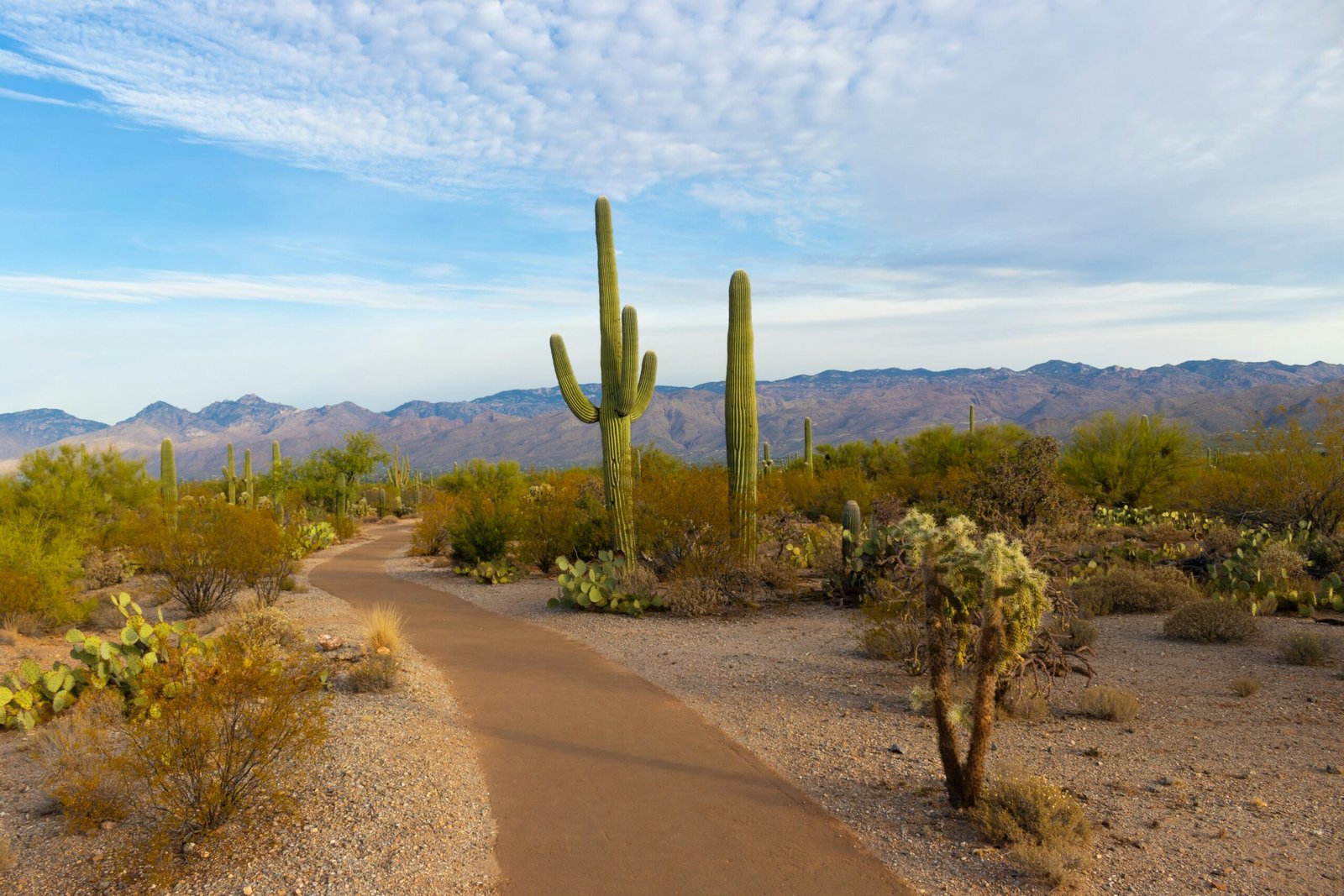
Amenities in the Park & Nearby
The West District of Saguaro National Park is more rustic than many national parks, so it’s helpful to know what amenities are available before you arrive. Services inside the park are limited, but Tucson is close enough that you can easily access food, lodging, and supplies as needed.
Visitor Center
The Red Hills Visitor Center is the main hub for the West District. It offers:
- Restrooms
- Water refill stations
- Educational exhibits
- Park maps and trail information
- A small bookstore with desert‑themed gifts
This is the best place to stop before beginning your scenic drive or hikes.
Picnic Areas
Several picnic areas are located throughout the West District, offering shaded tables and beautiful desert views. These are great for midday breaks, especially during cooler months.
- Signal Hill Picnic Area
- Ez-Kim-In-Zin Picnic Area
- Sus Picnic Area
Most picnic areas have ramadas, trash bins, and nearby trail access.
Food & Supplies (Outside the Park)
There are no restaurants or stores inside Saguaro National Park, so plan to bring all food, snacks, and water with you. Fortunately, the West District is close to Tucson, where you’ll find plenty of options:
- Grocery stores and gas stations along Speedway Blvd and Silverbell Road
- Restaurants and cafés in Tucson’s west side and downtown
- Outdoor gear shops if you need last‑minute supplies
Stock up before entering the park, especially during hot weather.
Lodging
There is no lodging inside Saguaro National Park, but Tucson offers a wide range of accommodations within a short drive of the West District. Popular areas include:
- Tucson’s west side (closest to the park)
- Downtown Tucson
- Oro Valley (north of the park, quieter and scenic)
If you prefer a desert‑style stay, look for casitas, small inns, or vacation rentals near the Tucson Mountains.
Campgrounds
The West District does not have developed campgrounds. Backcountry camping is only available in the East District with a permit. If you want to camp near the West District, consider:
- Gilbert Ray Campground (county‑run, located in Tucson Mountain Park, very close to Saguaro West)
- Catalina State Park (farther north but offers developed sites)
Gilbert Ray is the most convenient option for a Saguaro West visit.
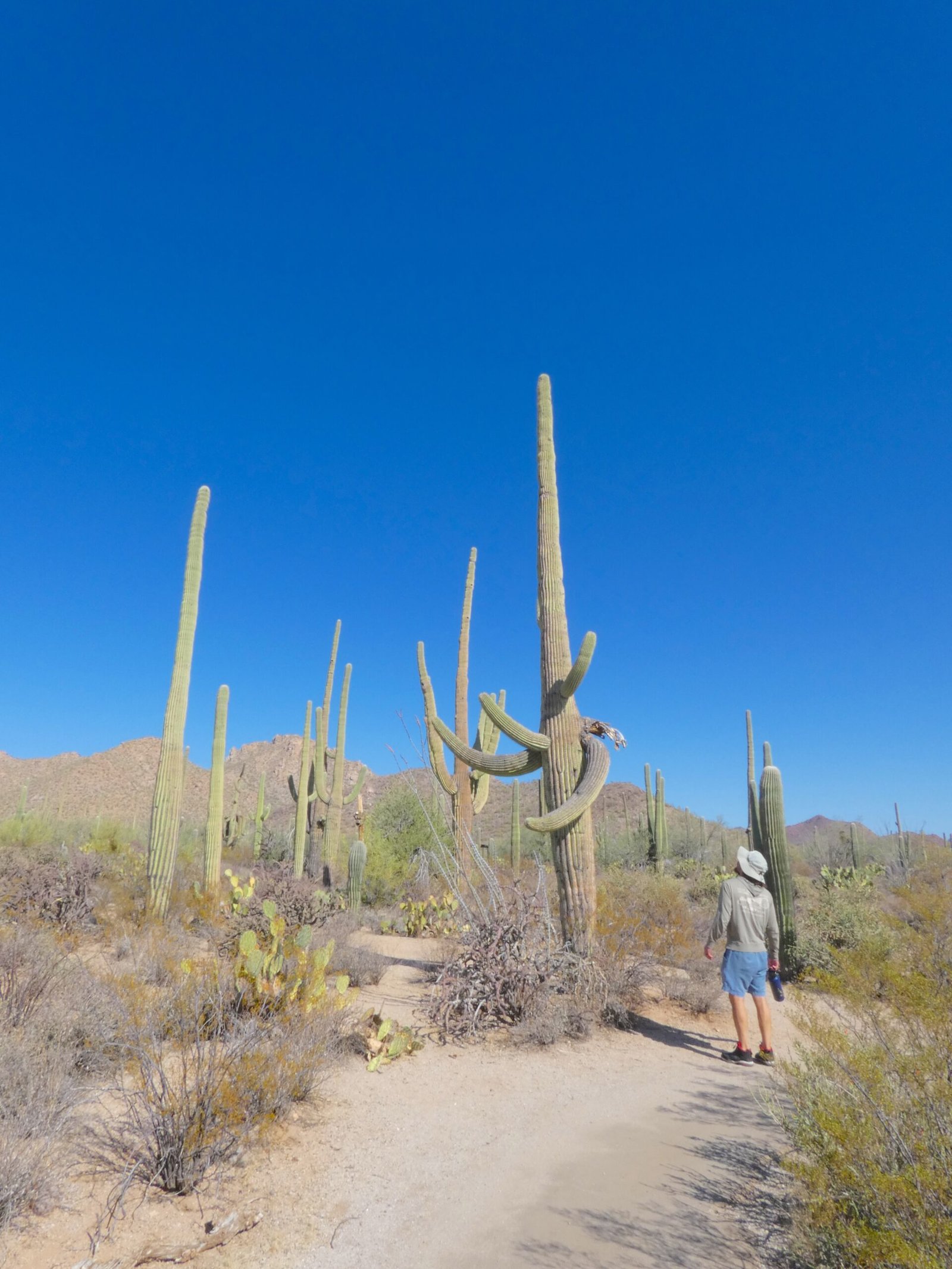
Things to Do in Saguaro National Park
Saguaro National Park offers a mix of scenic drives, short hikes, and classic Sonoran Desert views across its two districts. Whether you’re exploring the dense cactus forests of the West District or the higher‑elevation landscapes of the East District, there are plenty of ways to enjoy the park even with limited time.
Scenic Drives
Both districts have beautiful loop drives that make it easy to experience the desert without long hikes.
- Bajada Loop Drive (West District): A graded dirt road with sweeping views, pullouts, and access to short trails.
- Cactus Forest Drive (East District): An 8‑mile paved loop with overlooks, trailheads, and great sunrise/sunset light.
Short Hikes
Saguaro is full of easy, approachable trails that showcase the desert’s beauty.
- Valley View Overlook Trail (West): A short climb to a panoramic viewpoint over the Tucson Mountains.
- Signal Hill Trail (West): A quick walk to petroglyphs and classic saguaro scenery.
- Freeman Homestead Trail (East): A peaceful loop with desert plants, wildlife, and historic homestead remains.
- Mica View Loop (East): Flat, open desert walking with excellent saguaro density.
Visitor Centers
Both districts have small but helpful visitor centers with exhibits, maps, and knowledgeable rangers.
- Red Hills Visitor Center (West): Great for learning about Sonoran Desert wildlife and geology.
- Rincon Mountain Visitor Center (East): Offers trail information, scenic viewpoints, and access to Cactus Forest Drive.
Sunrise & Sunset Viewing
Saguaro is one of the best national parks for golden‑hour photography.
- Gates Pass (near West District): A local favorite for sunset.
- Javelina Rocks (East District): Beautiful sunrise light and wide desert views.
- Cactus Forest Drive pullouts (East): Soft evening light on the saguaros.
Wildlife Viewing
Keep an eye out for desert wildlife, especially early or late in the day.
- Gambel’s quail
- Roadrunners
- Desert cottontails
- Gila woodpeckers
- Occasional javelina or coyotes
One‑Day Itinerary for Saguaro National Park (West District)
If you’re spending one day in Saguaro National Park and want the classic Sonoran Desert experience, the West District (Tucson Mountain District) is the best place to focus your time. This side of the park has denser cactus forests, easier access, and some of the most iconic saguaro views in the entire region. Here’s a simple, scenic itinerary that fits perfectly into a single day.
Morning: Start at Red Hills Visitor Center
Begin your day at the Red Hills Visitor Center, where you can pick up a map, talk with rangers, and learn about the Sonoran Desert ecosystem. The visitor center also offers water filling stations, a small gift shop, museum exhibits, and two short interpretive trails with beautiful views of the surrounding cactus forest — a perfect way to ease into your day.
Just outside the building, the Cactus Garden Trail is a short, paved loop featuring labeled desert plants and close‑up views of the cacti species found throughout the park. Behind the visitor center, the Javelina Wash Trail winds 600 yards through a desert wash, showcasing the plants and animals that call Saguaro home. Both trails are easy, peaceful walks and a great warm‑up before heading deeper into the West District.
Suggested activities:
- Walk the short interpretive path outside the visitor center
- Get trail recommendations based on current conditions
- Enjoy early‑morning photography with soft desert light
Plan to spend 30–45 minutes here.
Late Morning: Explore Bajada Loop Drive
Next, head to the Bajada Loop Drive, a 6 mile unpaved loop road that winds through dense saguaro forests and offers some of the best scenery in the park. This rustic desert dirt road is easy to drive and gives you access to several hiking trails, picnic areas, scenic overlooks, and some of the densest saguaro forests in the entire park.
Although the road is gravel and unpaved, high‑clearance or 4×4 vehicles are not required. Most passenger cars can complete the loop without issues as long as you drive slowly and watch for washboard sections. The road feels rugged in a way that adds to the experience — you truly feel like you’re out in the desert.
Along the loop, you’ll find trailheads for Valley View Overlook, Signal Hill Petroglyphs, and several short walks that showcase the beauty of the Tucson Mountains. It’s a peaceful, scenic drive with plenty of spots to pull over, take photos, and enjoy the surrounding cactus landscape.
Suggested stops:
- Valley View Overlook Trail: A short, rewarding hike with a panoramic view over the Tucson Mountains. This 0.8‑mile out‑and‑back trail winds up and around fields of towering saguaro cacti and leads to one of the most breathtaking viewpoints in the West District. If you only have time for one trail in Saguaro National Park, this is the one I’d recommend. It’s quick, accessible, and delivers huge payoff for minimal effort.
- Wild Dog Trail pullouts: Great for photography and quiet desert scenery.
- Scenic overlooks: Perfect for spotting wildlife and capturing wide desert landscapes.
Plan 1.5–2 hours for the loop and short hikes.
Afternoon: Visit Signal Hill & Petroglyphs
After the loop, stop at Signal Hill, one of the most popular short trails in the West District. The walk is quick and leads to a cluster of petroglyphs created by the Hohokam people. If you enjoy history, archaeology, or cultural sites, this is a fantastic trail to explore.
Additional trails such as Manville and Cactus Wren can be accessed from this area, making Signal Hill a great spot to linger if you want to explore more of the Bajada Loop.
Parking is limited, so be sure to check park conditions before heading out to this trail.
Suggested activities:
- Photograph petroglyphs
- Enjoy wide desert views from the hilltop
- Take a short break in the picnic area
Plan 30–45 minutes here.
Late Afternoon: Additional Short Trails or Scenic Pullouts
If you have extra time, explore another short trail or simply enjoy the scenic pullouts along the main park road.
Good options include:
- Desert Discovery Trail: Easy, paved, 0.5‑mile loop that winds through a beautiful garden of giant saguaros and offers wide‑open views of the surrounding mountain landscape. This trail is a perfect introduction to the ecology and habitats found throughout Saguaro National Park.
- Wildlife viewing pullouts: Roadrunners, quail, and desert cottontails are common late in the day.
- Photography stops: The West District has incredible afternoon light on the saguaros.
Sunset: Gates Pass
End your day with a stop at Gates Pass, one of the most iconic sunset viewpoints in the Tucson area. Located in Tucson Mountain Park, just a quick 15‑minute drive from Saguaro National Park’s West District, this overlook offers sweeping views of rugged desert hills dotted with saguaros. It’s easily one of the most memorable ways to wrap up your visit. As the sun drops behind the mountains, the entire desert glows in shades of gold, orange, and pink — a classic Arizona sunset that feels almost unreal.
Because this spot is extremely popular, especially on weekends, be sure to arrive early. Parking is limited, and the area can fill up well before sunset. The gates close at 8 PM and reopen at 6 AM, so plan your timing accordingly.
Why it’s perfect for sunset:
- Wide views over the Tucson Mountains
- Beautiful golden light
- Easy access from the West District
Plan to arrive 30–45 minutes before sunset to enjoy the changing light.
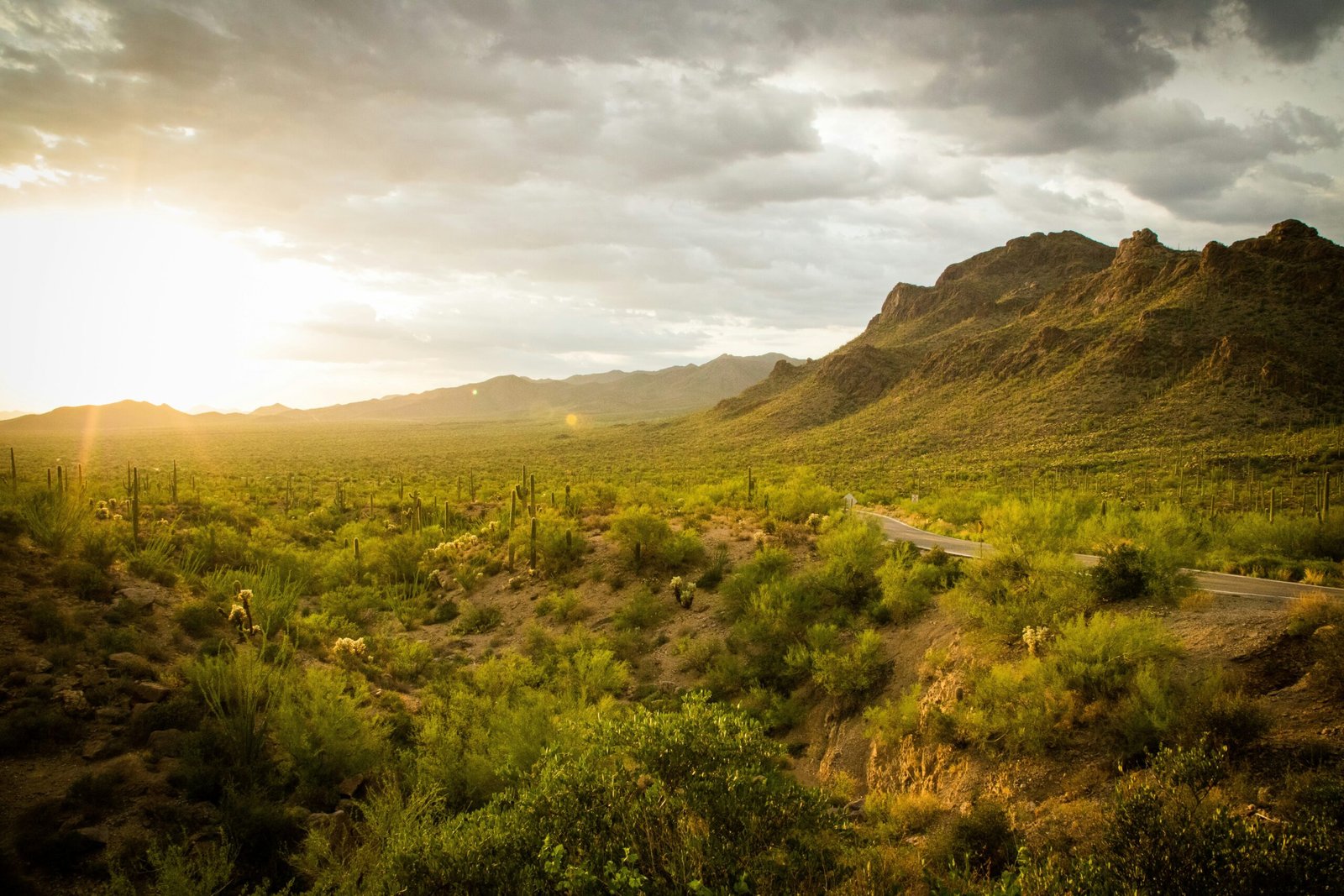
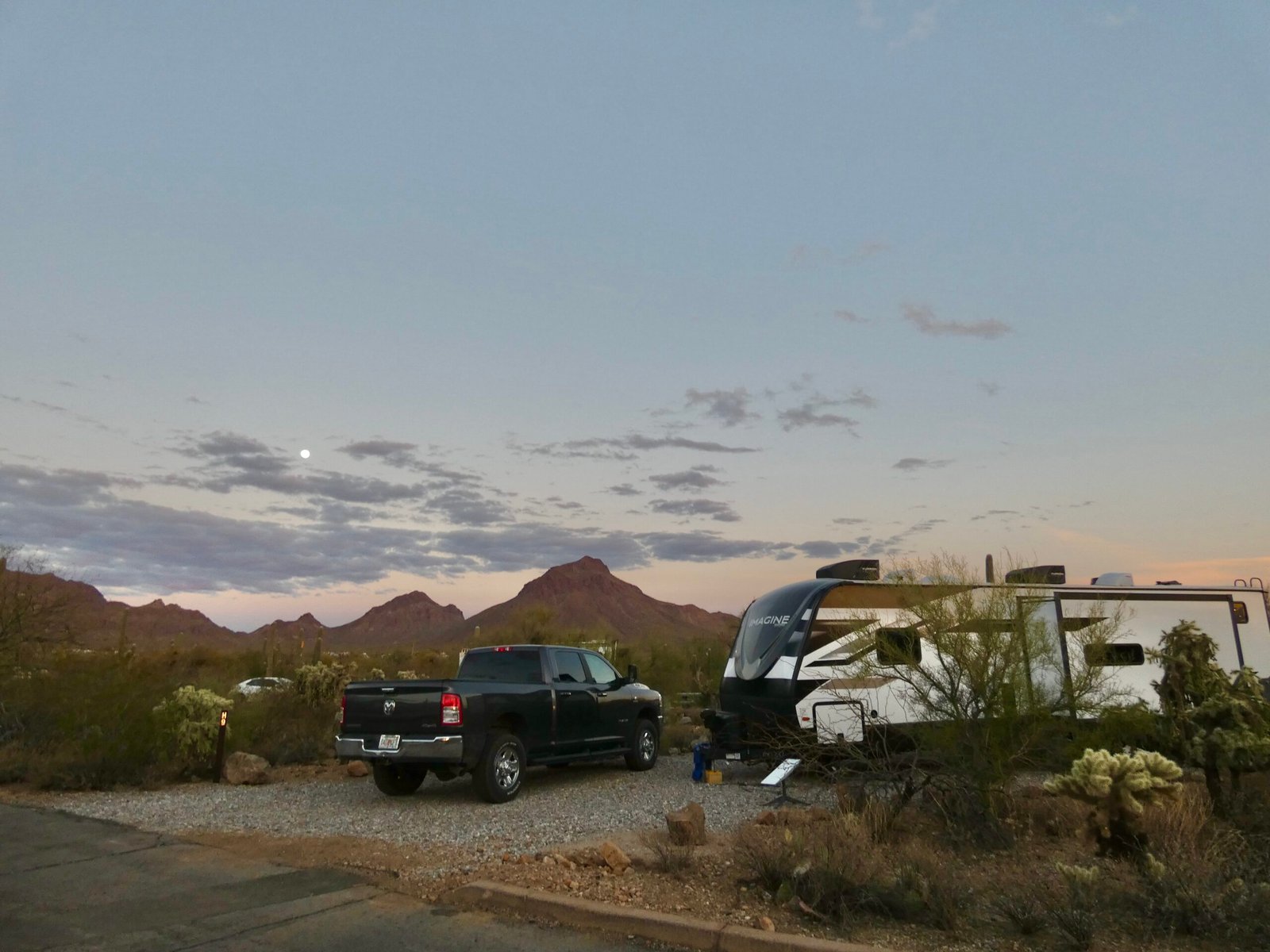
Evening Option: Camp Overnight at Gilbert Ray Campground
If you want to extend your visit and experience the desert after dark, Gilbert Ray Campground is the best place to stay near Saguaro’s West District. Located just minutes from the park inside Tucson Mountain Park, this quiet, scenic campground offers electric hookups, spacious sites, and incredible views of the surrounding cactus landscape.
Gilbert Ray is known for its peaceful atmosphere and wide‑open desert skies. At night, the area becomes one of the best places near Tucson for stargazing, thanks to minimal light pollution and unobstructed views of the horizon. You’ll see constellations clearly, enjoy dark‑sky conditions on moonless nights, and often hear desert wildlife moving through the area after sunset.
The campground offers:
- Electric hookups
- Restrooms and showers
- Water fill stations
- Dump station
- Back‑in RV sites
- Easy access to hiking trails and scenic overlooks
It’s a perfect base if you want to photograph the night sky, enjoy a quiet desert evening, or wake up surrounded by saguaros. Staying here also makes it easy to return to Saguaro West the next morning for sunrise or additional short hikes.
Before You Hit The Trail
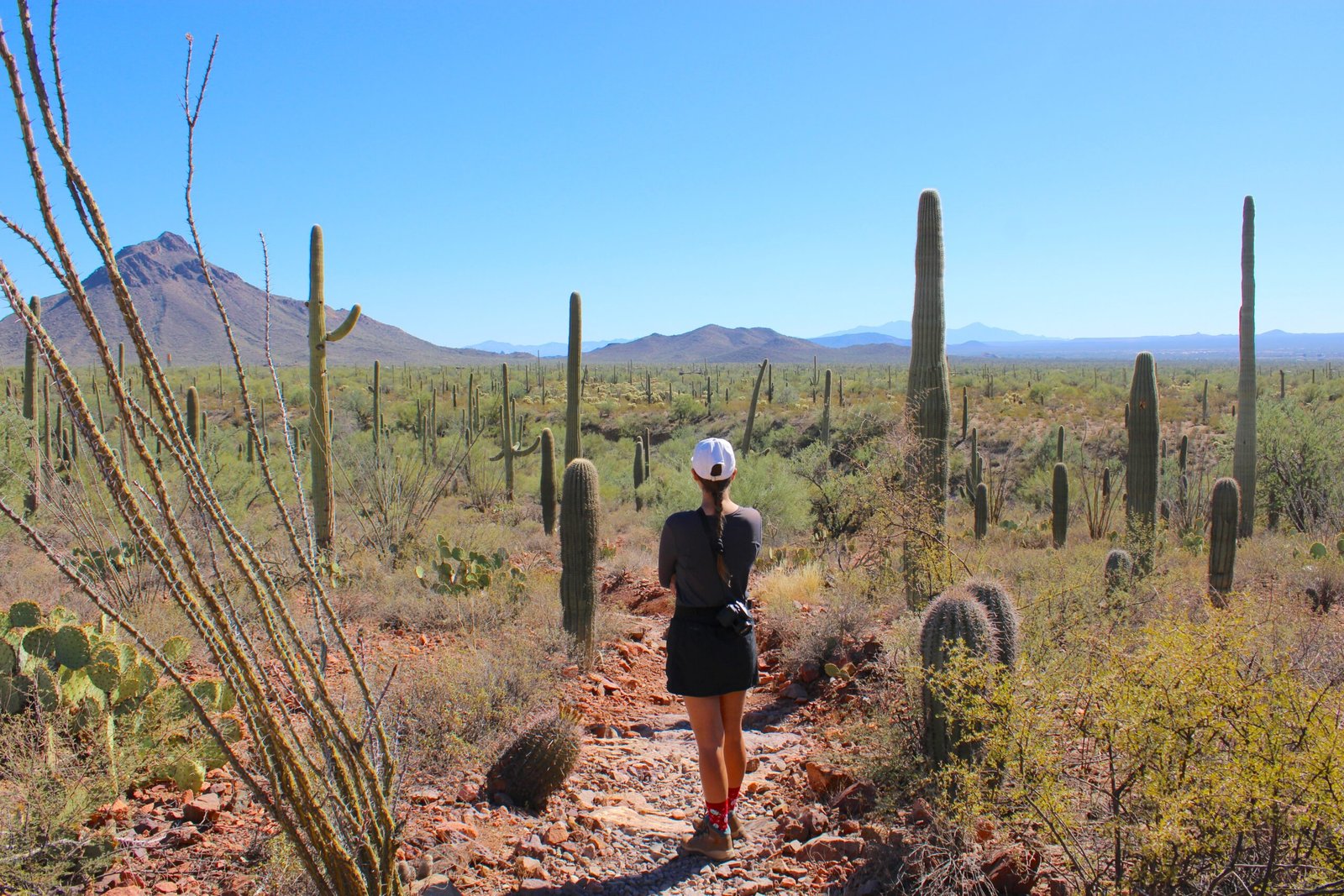
Saguaro National Park’s West District is one of the most beautiful places in the Sonoran Desert, and spending a full day here gives you the perfect mix of scenic drives, short hikes, cultural history, and unforgettable views. Whether you’re wandering through towering saguaros, watching the sunset at Gates Pass, or camping under the stars at Gilbert Ray Campground, this part of Arizona delivers a desert experience you’ll remember long after your trip.
What To Remember For Your Trip
Before you head out to explore Saguaro National Park’s West District, here are a few important tips to help you plan a safe and smooth visit.
- Check Park Conditions – Trail closures, road work, and parking limitations (especially at Signal Hill) can change daily. Visit the official NPS website or stop by the Red Hills Visitor Center for the latest updates.
- Prepare for Desert Weather – Temperatures can rise quickly, even in winter. Bring plenty of water, sun protection, and light layers if you’re visiting early in the morning or near sunset.
- Know the Road Conditions – The Bajada Loop Scenic Drive is unpaved and can be washboarded in sections. Most vehicles can complete it, but drive slowly and watch for dips and loose gravel.
- Download Offline Maps – Cell service is limited throughout the West District. Download offline maps or save your route before you arrive.
- Pack Essentials – Water, snacks, sunscreen, a hat, sturdy shoes, and a portable charger will make your day much more comfortable. If you’re hiking, bring electrolytes and a small first‑aid kit.
- Plan for Sunset Timing – If you’re heading to Gates Pass, arrive early. Parking fills up quickly, and the gates close at 8 PM.
FAQ: Saguaro National Park (West District)
Do I need a reservation to visit Saguaro National Park?
No — Saguaro National Park does not require reservations for entry. You can visit anytime during operating hours, and the West District is open year‑round.
Which side of Saguaro National Park is better — East or West?
Both are beautiful, but the West District is known for its denser saguaro forests, scenic drives, and short family‑friendly trails. It’s the best choice for a one‑day visit.
Is the Bajada Loop Scenic Drive suitable for all vehicles?
Yes. The road is unpaved and can be washboarded, but most standard vehicles can complete it. Drive slowly and watch for dips or loose gravel.
How much time do I need for the Valley View Overlook Trail?
About 30–45 minutes. It’s a short 0.8‑mile trail with a big payoff and one of the best viewpoints in the West District.
Can I bring my dog to Saguaro National Park?
Dogs are allowed only on paved roads, picnic areas, and parking lots. They are not allowed on trails, including Signal Hill and Valley View Overlook.
Is there water available in the park?
Yes — the Red Hills Visitor Center has water filling stations. Bring plenty of water, especially in warmer months.
What’s the best time of year to visit?
Fall, winter, and early spring offer the most comfortable temperatures. Summer can be extremely hot, especially midday.
Where is the best place to watch sunset?
Gates Pass is the most popular sunset viewpoint near the West District. Arrive early — parking fills quickly.
Helpful Links
- Saguaro National Park West District Official NPS Page – https://www.nps.gov/sagu/index.htm
- Red Hills Visitor Center Info – https://www.nps.gov/sagu/planyourvisit/visitorcenters.htm
- Desert Discovery Trail Info – https://www.nps.gov/places/desert-discovery-trail.htm
- Bajada Loop Scenic Drive Road + Trail Access Info https://www.nps.gov/sagu/planyourvisit/bajada-loop-drive.htm
- Valley View Overlook Trail Details – https://www.nps.gov/places/valley-view-overlook-trail.htm
- Signal Hill Petroglyphs Info – https://www.nps.gov/places/signal-hill.htm
- Gates Pass – Tucson Mountain Park Scenic Overlook Info – https://www.pima.gov/parks/tucsonmountainpark
- Gilbert Ray Campground Reservations + Info – https://www.pima.gov/parks/gilbertraycampground
I hope you found this guide helpful as you plan your day in Saguaro National Park. It’s truly one of Arizona’s most beautiful desert landscapes, and exploring the West District is an experience you won’t forget. If you’ve visited before, or once you go, feel free to leave a comment below and share your favorite thing to do in the park — I’d love to hear about your adventure.
If you’re exploring more of Arizona, you might also enjoy our guides to 8 Great RV Parks in Arizona and 10 Best Campgrounds in Arizona.