
The Grand Canyon has more viewpoints than most travelers can see in a single trip — and each overlook offers a completely different perspective of the canyon’s cliffs, colors, and depth. Whether you’re visiting the South Rim for its iconic, year‑round access or heading to the quieter, forested North Rim, knowing which viewpoints are truly worth your time makes all the difference.
This guide breaks down the best Grand Canyon viewpoints on both the South Rim and North Rim, including the top spots for sunrise, sunset, photography, and first‑time visitors. If you want the biggest views with the easiest access, or you’re searching for the most dramatic overlooks away from the crowds, these are the viewpoints you don’t want to miss.
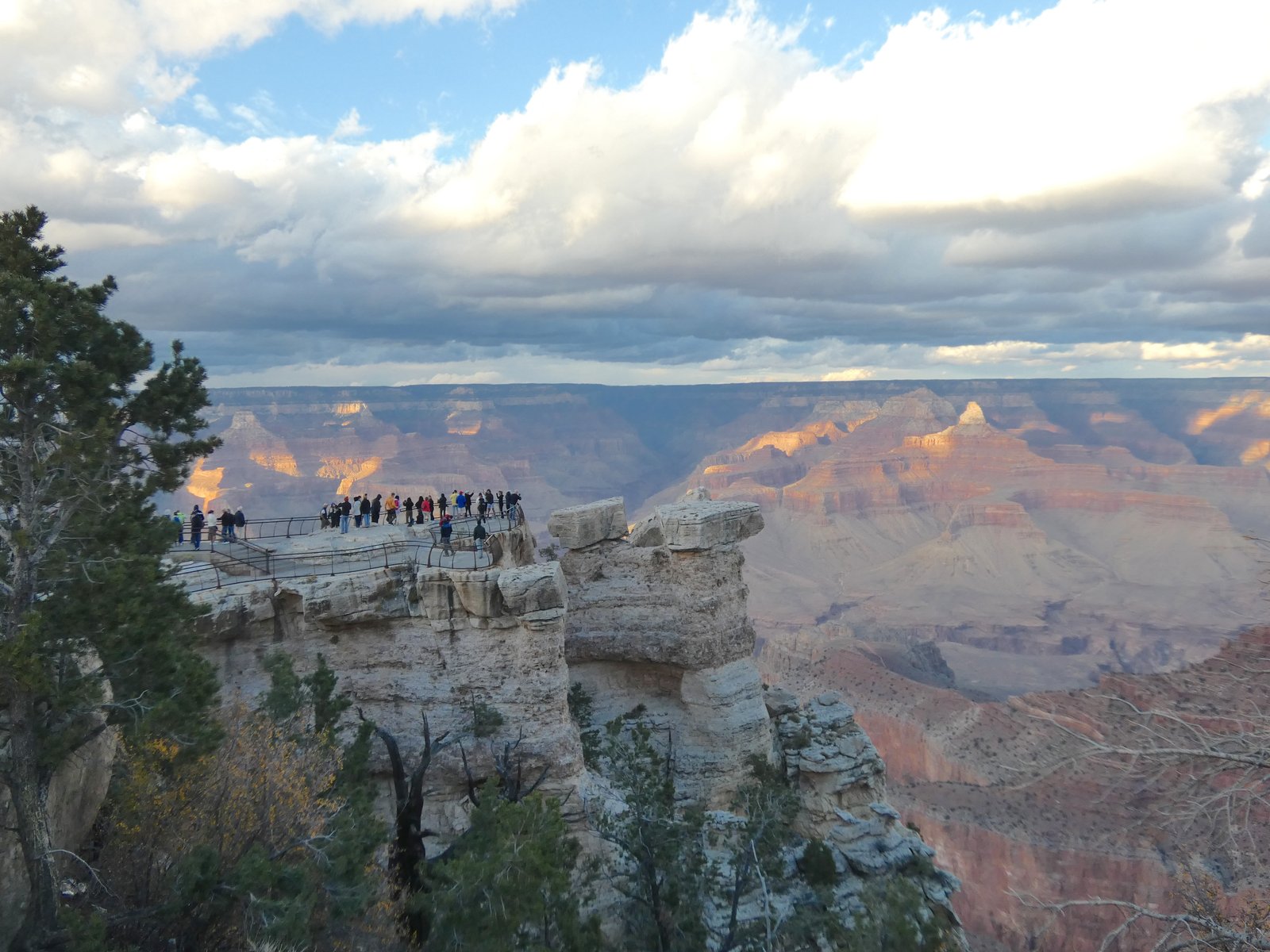
South Rim vs North Rim: What’s the Difference?
If you’re deciding between the South Rim and the North Rim, here’s a quick side‑by‑side look at how they differ so you can choose the experience that fits your trip.
- Number of Viewpoints
- South Rim: Dozens of overlooks, most easy to reach by car or shuttle.
- North Rim: Fewer viewpoints, but each one is dramatic and expansive.
- Style of Views
- South Rim: Classic, wide‑open panoramas with layered colors and long horizons.
- North Rim: Steeper cliffs, deeper drop‑offs, and more rugged, dramatic scenery.
- Accessibility to Viewpoints
- South Rim: Most viewpoints are roadside or a short walk from parking/shuttle stops.
- North Rim: Viewpoints are more spread out and often require short walks or drives.
- Crowds at Viewpoints
- South Rim: Popular overlooks can be busy, especially near the Visitor Center.
- North Rim: Much quieter, often giving you entire viewpoints to yourself.
- Photography Conditions
- South Rim: Best for sunrise and sunset color; more angles and compositions.
- North Rim: Best for dramatic cliff edges, high‑elevation perspectives, and fewer people in frame.
- Best For
- South Rim: First‑time visitors, families, and anyone wanting the most iconic views.
- North Rim: Travelers seeking solitude, dramatic cliffs, and quieter photography spots.
Both rims offer unforgettable viewpoints — the South Rim gives you the classic Grand Canyon experience, while the North Rim delivers quieter, more dramatic overlooks.
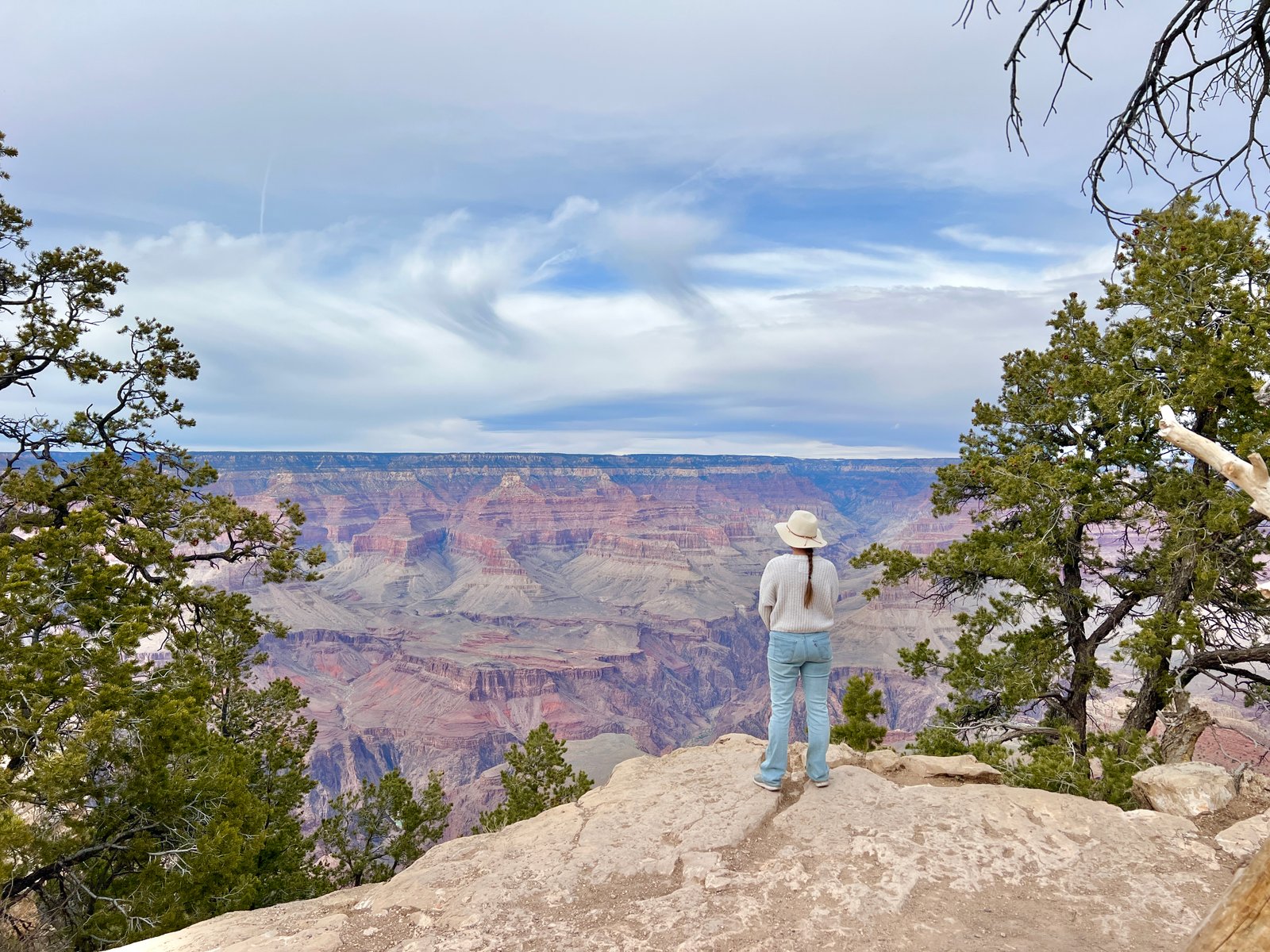
South Rim Viewpoints (Most Popular + Easiest Access)
The South Rim is open year‑round and offers the most iconic, wide‑open views of the Grand Canyon. Most overlooks are easy to reach by car or shuttle, making this the best rim for first‑time visitors, families, and photographers who want big scenery without long hikes. These are the South Rim viewpoints that deliver the most memorable and accessible canyon views.
Mather Point
- Best for: First‑time visitors
- Why it’s great: Classic panoramic view with easy access from the Visitor Center
- Tips: Arrive early morning before crowds build
Yavapai Point
- Best for: Geology lovers and wide panoramas
- Why it’s great: Indoor geology museum + sweeping canyon views
- Tips: Excellent midday viewpoint when layers are evenly lit
Yaki Point
- Best for: Sunrise
- Why it’s great: East‑facing cliffs catch the first light of day
- Tips: Shuttle‑only access (no private vehicles)
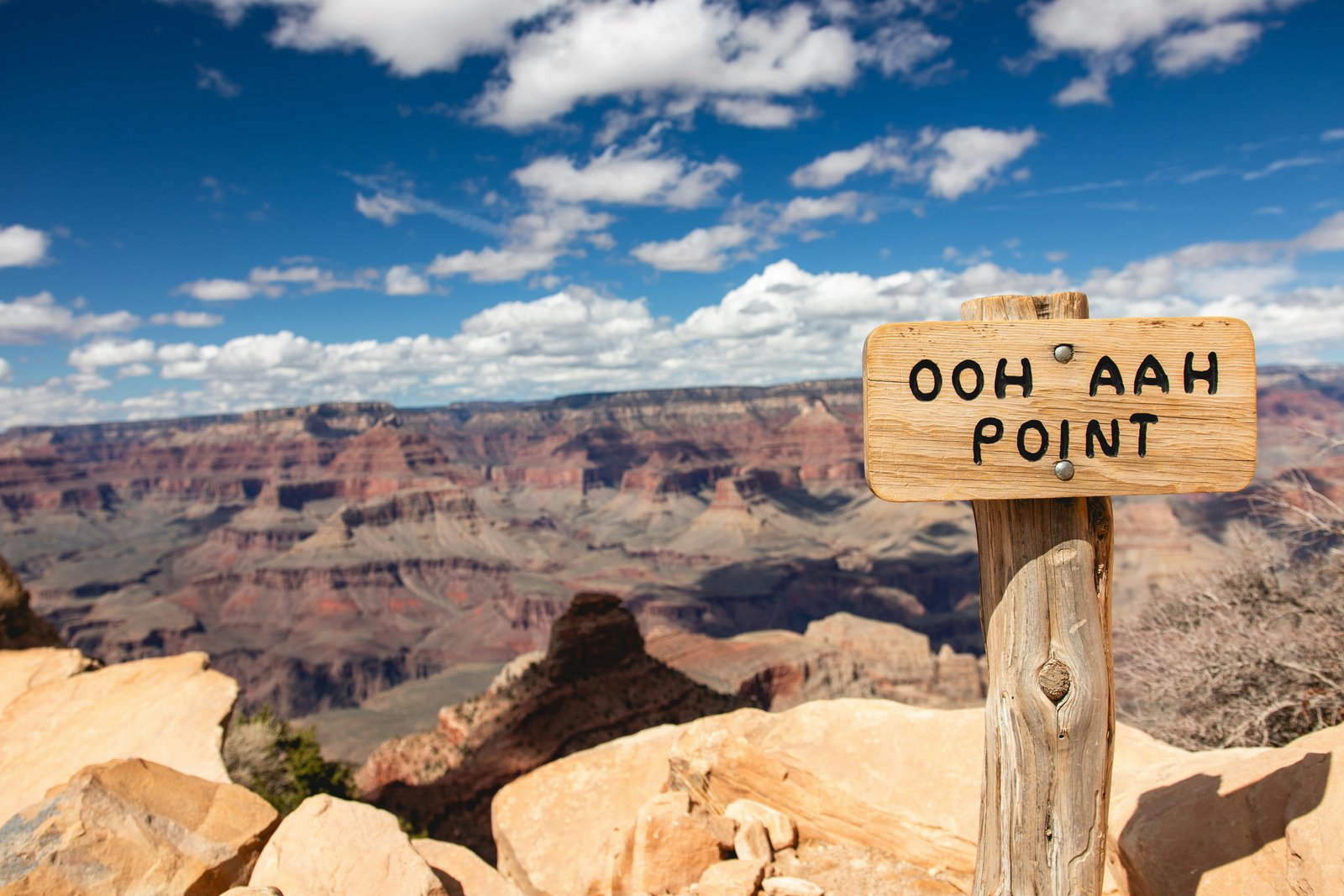
Ooh Aah Point (via South Kaibab Trail)
- Best for: Easy hike with a huge payoff
- Why it’s great: Interior canyon views without committing to a long hike
- Tips: 1.8 miles round‑trip; best in late afternoon light
Grandview Point
- Best for: Dramatic cliffs and fewer crowds
- Why it’s great: Steep drop‑offs and incredible depth
- Tips: Beautiful late‑afternoon glow on the canyon walls
Moran Point
- Best for: Color layers and photography
- Why it’s great: Strong reds, purples, and whites in the rock formations
- Tips: One of the best sunset viewpoints on the South Rim
Lipan Point
- Best for: Sunrise + Colorado River views
- Why it’s great: Long sightlines and clear river visibility below
- Tips: Top photography spot along Desert View Drive
Desert View Watchtower
- Best for: Architecture + wide panoramas
- Why it’s great: Climb the tower for elevated views and unique angles
- Tips: Best midday or late afternoon
If you’re planning a full day at the South Rim, you can use our one‑day South Rim guide to map out viewpoints, trails, and the best timing for each stop.
North Rim Viewpoints (Quiet, Dramatic, High‑Elevation Views)
The North Rim offers a completely different perspective of the Grand Canyon. The viewpoints here sit over 1,000 feet higher than the South Rim, creating steeper drop‑offs, deeper canyon walls, and a more dramatic sense of scale. It’s quieter, more remote, and surrounded by alpine forest, making these overlooks perfect for travelers who want big scenery without the crowds. These are the North Rim viewpoints that deliver the most unforgettable high‑country canyon views.
Bright Angel Point
- Best for: First‑time North Rim visitors
- Why it’s great: Short walk to a huge, dramatic panorama
- Tips: Especially beautiful at sunset
Point Imperial
- Best for: Sunrise
- Why it’s great: Highest viewpoint in the park with incredible morning light
- Tips: Cooler temperatures at 8,800 feet — bring layers
Cape Royal
- Best for: Sunset
- Why it’s great: Wide panoramas and views of Wotan’s Throne
- Tips: One of the best sunset spots in the entire Grand Canyon
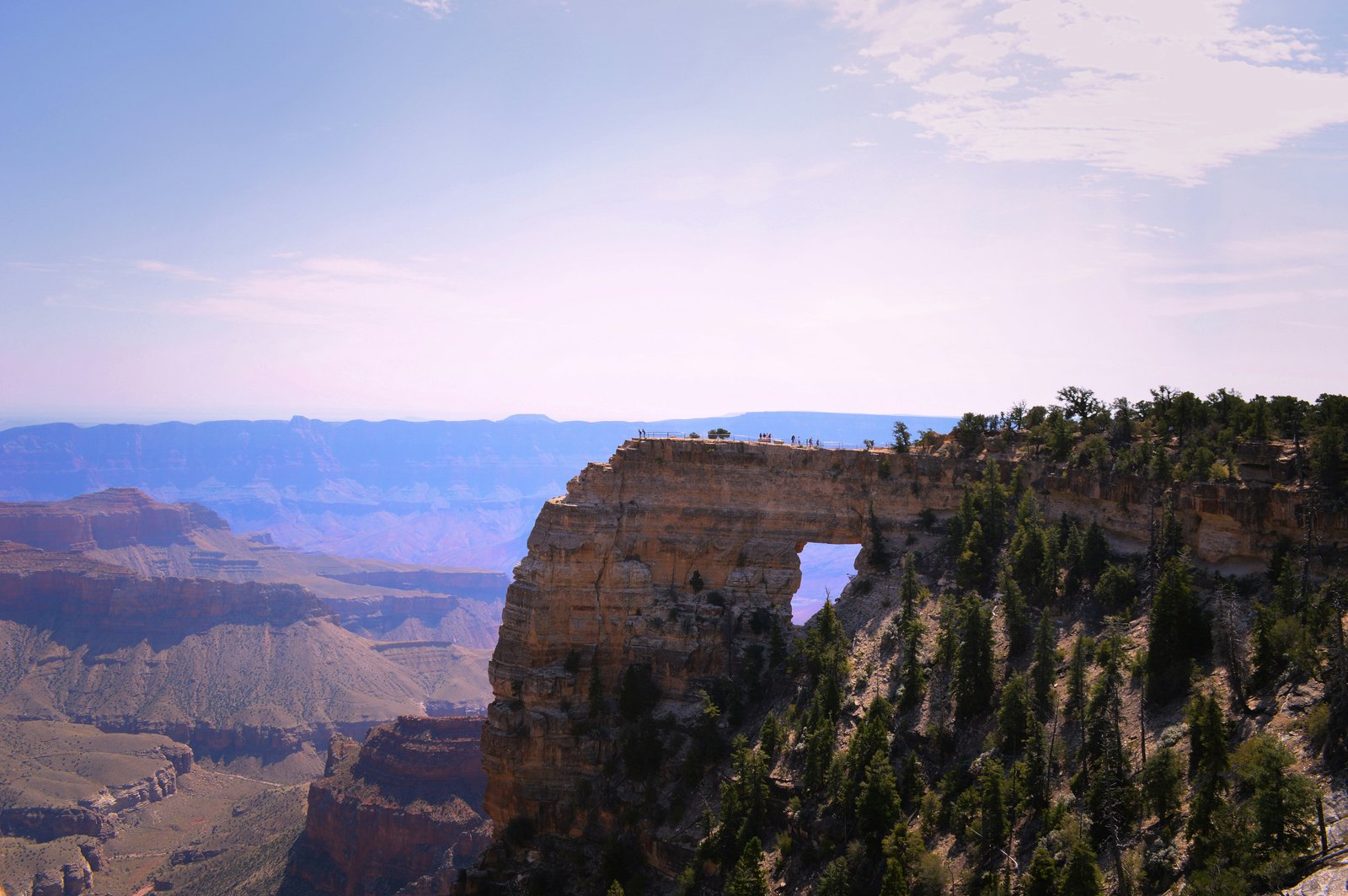
Angels Window
- Best for: Unique rock formations
- Why it’s great: Natural arch framing the canyon below
- Tips: Easy stop to combine with Cape Royal
For a full itinerary that includes these viewpoints, our one‑day North Rim guide covers timing, logistics, and what to expect on this quieter side of the canyon.
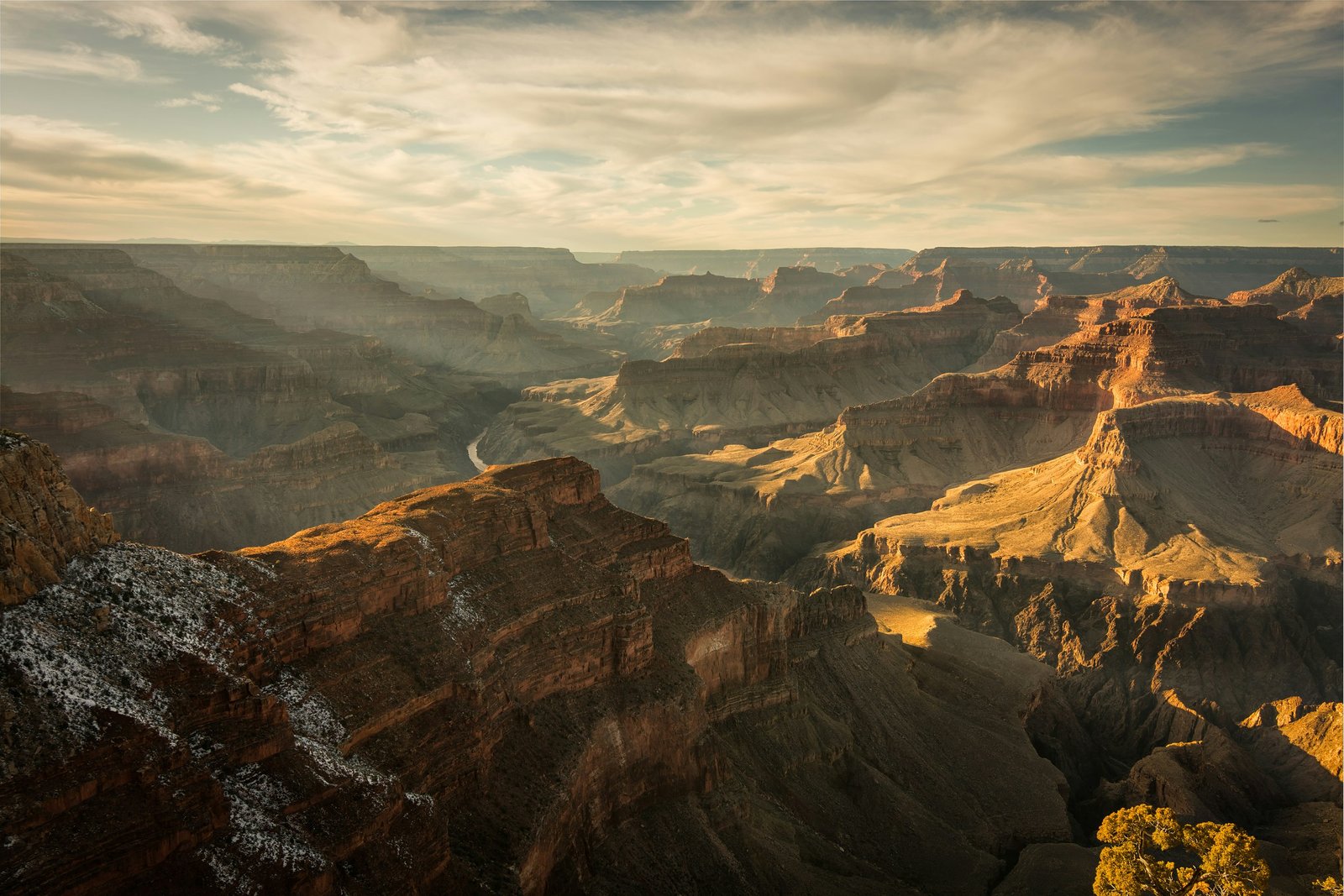
Best Sunrise Viewpoints
Sunrise at the Grand Canyon is all about soft color, long shadows, and east‑facing cliffs catching the first light of the day. These viewpoints offer the strongest sunrise conditions on both the South Rim and North Rim.
Yaki Point (South Rim)
- Best for: Classic sunrise color
- Why it’s great: East‑facing cliffs glow with warm light as soon as the sun rises
- Tips: Shuttle‑only access; arrive early for the first bus
Lipan Point (South Rim)
- Best for: Sunrise + Colorado River views
- Why it’s great: Long sightlines and river visibility make sunrise photos more dynamic
- Tips: One of the quietest sunrise spots on Desert View Drive
Mather Point (South Rim)
- Best for: First‑time visitors
- Why it’s great: Wide panoramas and easy access from the Visitor Center
- Tips: Arrive early — this is the most popular sunrise viewpoint
Point Imperial (North Rim)
- Best for: High‑elevation sunrise
- Why it’s great: Highest viewpoint in the park with incredible morning light on the cliffs
- Tips: Cooler temperatures at 8,800 feet — bring layers
Cape Royal (North Rim)
- Best for: Soft morning light
- Why it’s great: Wide views and gentle sunrise color across Wotan’s Throne
- Tips: Combine with Angels Window for a full morning route
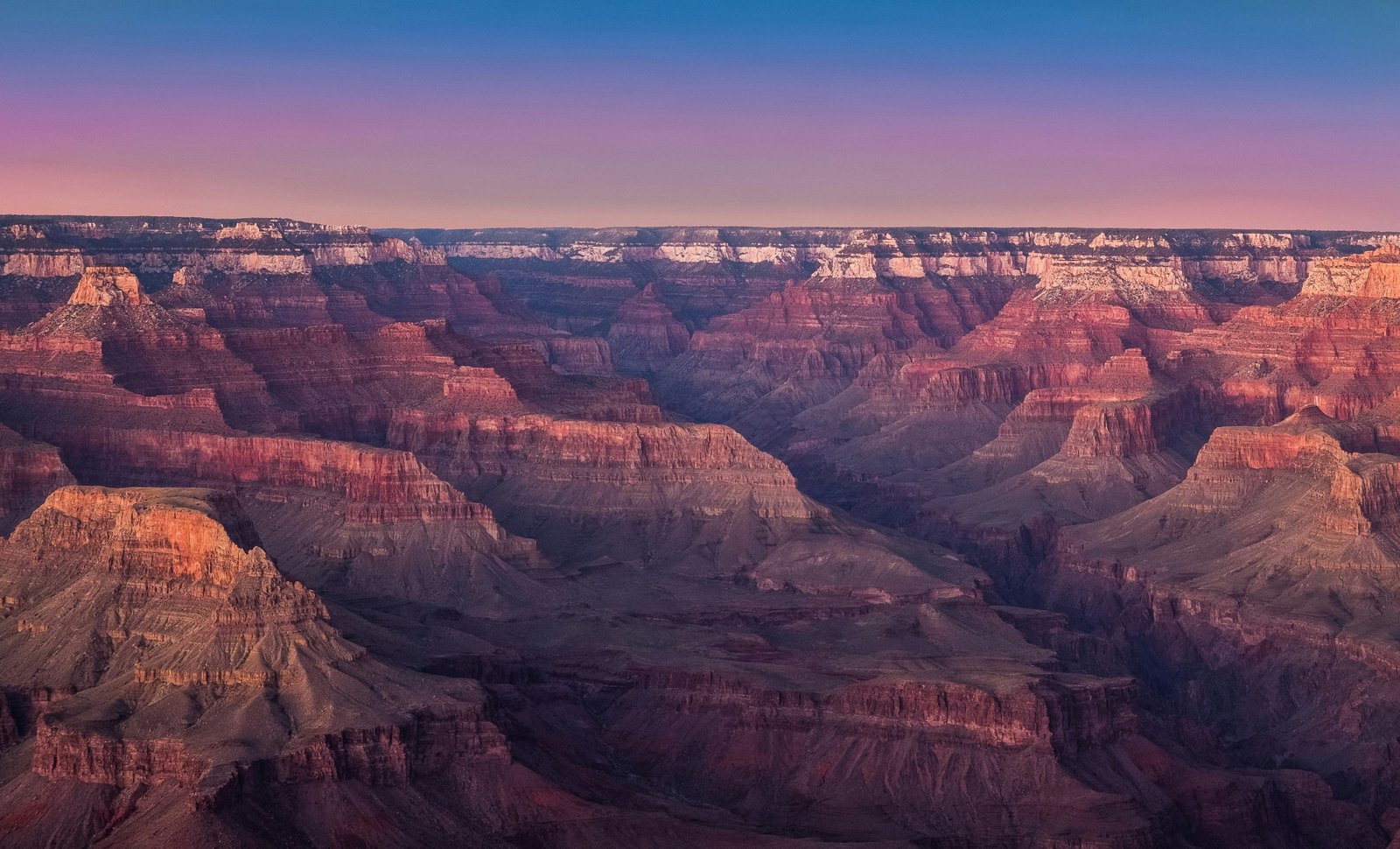
Best Sunset Viewpoints
Sunset at the Grand Canyon brings warm light, glowing cliffs, and long shadows that add depth to the landscape. These viewpoints offer the strongest sunset conditions on both the South Rim and North Rim.
Hopi Point (South Rim)
- Best for: Classic South Rim sunset
- Why it’s great: Wide west‑facing views and one of the best golden‑hour angles on the rim
- Tips: Popular spot — arrive early for a good position
Moran Point (South Rim)
- Best for: Color layers at sunset
- Why it’s great: Reds, purples, and whites in the rock glow beautifully in evening light
- Tips: Excellent for photographers who want strong color contrast
Pima Point (South Rim)
- Best for: Quiet sunset views
- Why it’s great: Long sightlines and fewer crowds than Hopi Point
- Tips: Great alternative when Hopi is busy
Desert View Watchtower (South Rim)
- Best for: Elevated sunset views
- Why it’s great: Climb the tower for a higher perspective and warm light on the eastern canyon
- Tips: Beautiful late‑afternoon glow before the sun sets
Cape Royal (North Rim)
- Best for: Dramatic North Rim sunset
- Why it’s great: Huge panoramas and glowing light on Wotan’s Throne
- Tips: One of the best sunset spots in the entire Grand Canyon
Bright Angel Point (North Rim)
- Best for: Sunset color on deep canyon walls
- Why it’s great: Steep drop‑offs catch warm light beautifully
- Tips: Short walk; bring a jacket — evenings are cooler at high elevation
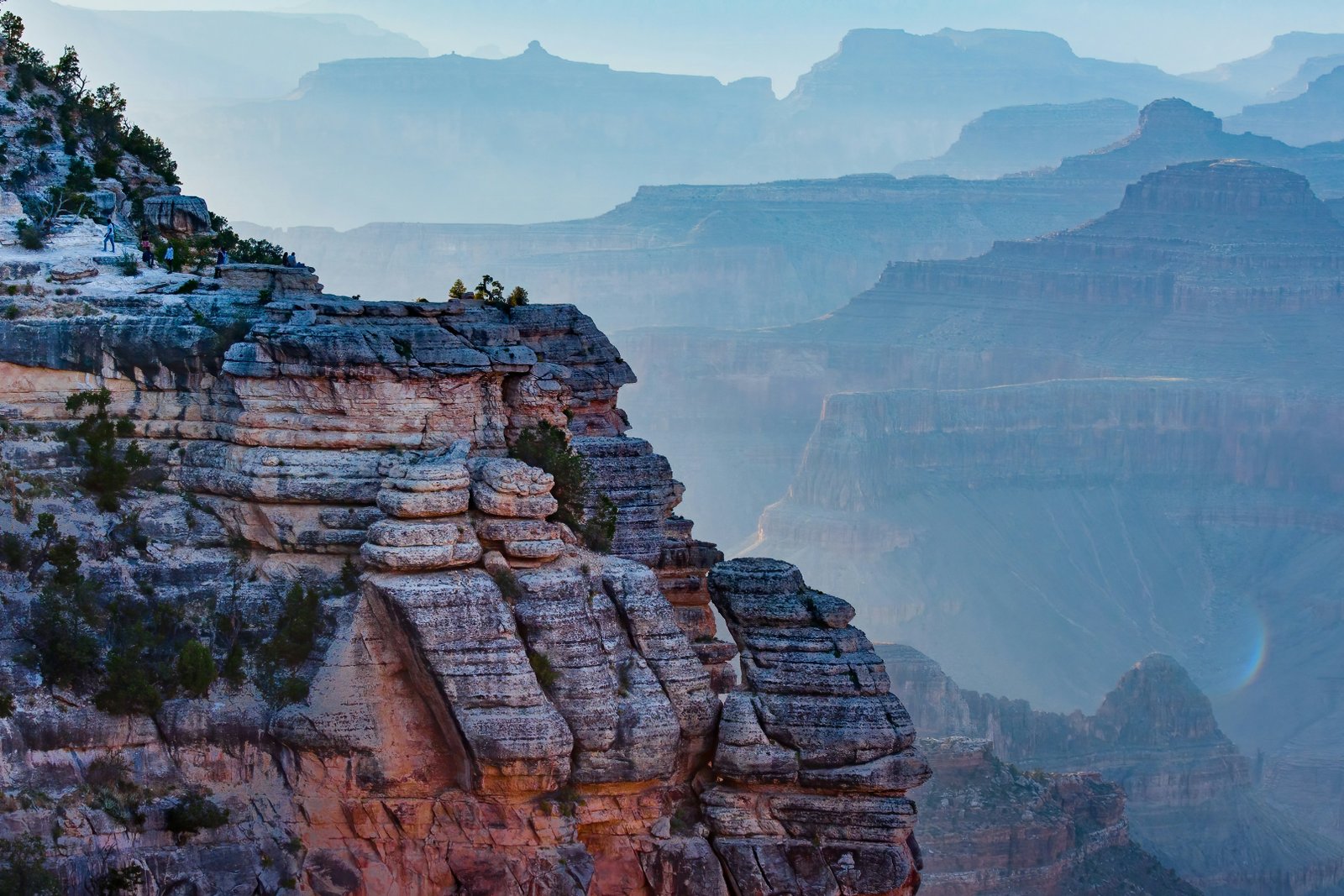
Best Viewpoints for Photography
The Grand Canyon changes constantly with light, shadow, and color — which means some viewpoints naturally lend themselves to stronger compositions, better depth, and more dynamic images. These are the best overlooks for photography on both the South Rim and North Rim.
Moran Point (South Rim)
- Best for: Color layers and strong compositions
- Why it’s great: Reds, purples, and whites in the rock create dramatic contrast in both sunrise and sunset light
- Tips: Sunset brings out the deepest color; arrive early for tripod space
Lipan Point (South Rim)
- Best for: Colorado River shots
- Why it’s great: Long sightlines and clear river visibility add movement and scale to photos
- Tips: Sunrise gives soft color and fewer crowds
Grandview Point (South Rim)
- Best for: Depth and dramatic cliffs
- Why it’s great: Steep drop‑offs and rugged terrain create powerful foreground‑to‑background compositions
- Tips: Late afternoon light adds texture to the cliffs
Desert View Watchtower (South Rim)
- Best for: Elevated perspectives
- Why it’s great: Climbing the tower gives you a higher angle and unique framing options
- Tips: Midday to late afternoon offers even lighting across the canyon
Cape Royal (North Rim)
- Best for: Wide panoramas
- Why it’s great: Nearly 270° views and glowing light on Wotan’s Throne make it a top North Rim photo spot
- Tips: Sunset is spectacular; bring a wide‑angle lens
Bright Angel Point (North Rim)
- Best for: Dramatic depth
- Why it’s great: Narrow ridge and steep drop‑offs create strong leading lines and sense of scale
- Tips: Sunset adds warm color to the canyon walls
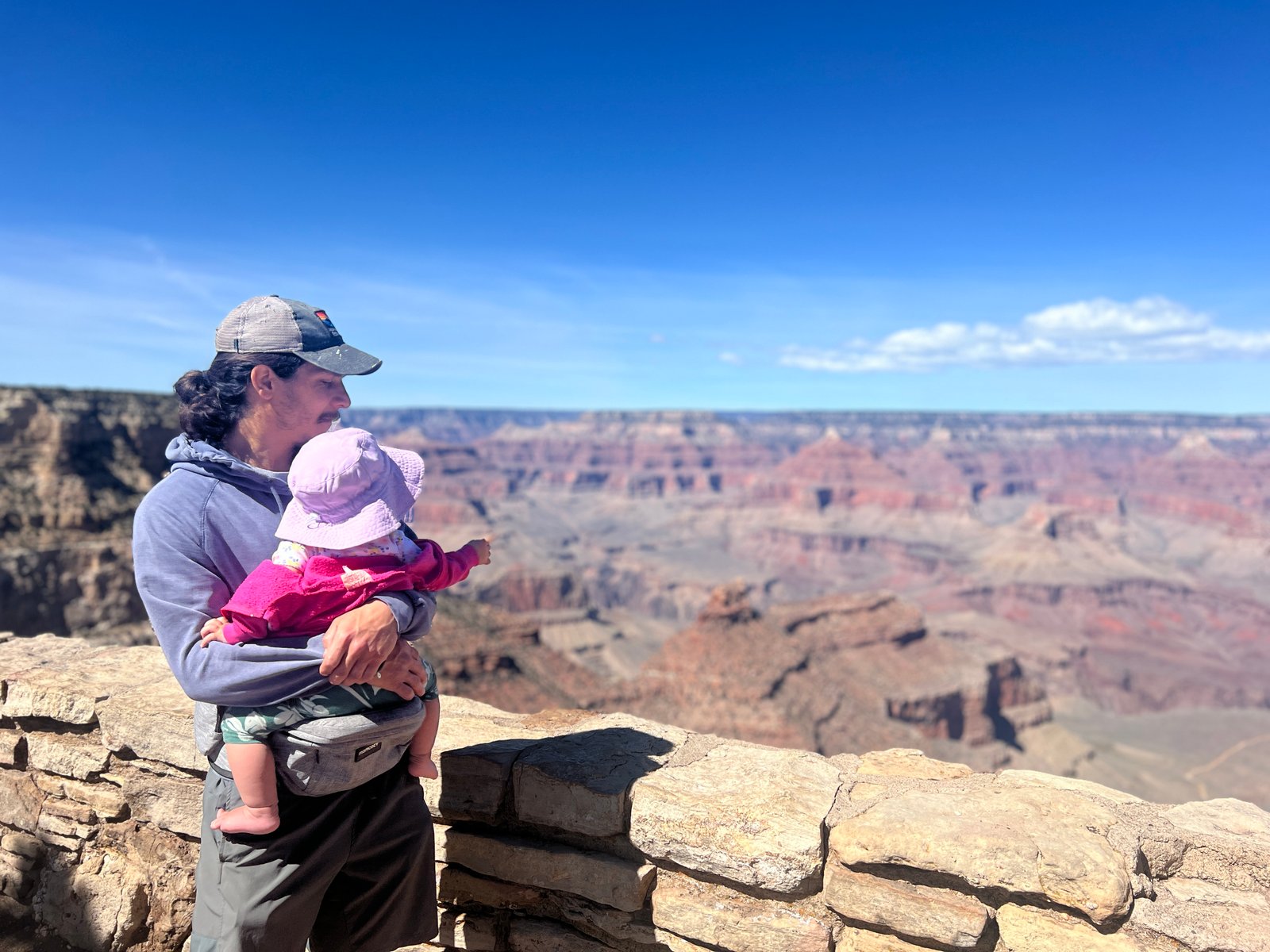
Best Viewpoints for Families + Easy Access
These viewpoints offer big Grand Canyon scenery with minimal walking, easy parking or shuttle access, and safe, spacious viewing areas — ideal for families, beginners, and anyone who wants great views without a long hike.
Mather Point (South Rim)
- Best for: First‑time visitors and families
- Why it’s great: Wide viewing platforms, railings, and multiple angles just steps from the Visitor Center
- Tips: Arrive early morning for fewer crowds
Yavapai Point (South Rim)
- Best for: Families who want indoor + outdoor viewing
- Why it’s great: The geology museum offers sheltered viewing and educational displays
- Tips: Midday light works well here
Desert View Watchtower (South Rim)
- Best for: Easy access + elevated views
- Why it’s great: Short walk from parking; climb the tower for a unique perspective
- Tips: Great late‑afternoon glow
Bright Angel Point (North Rim)
- Best for: Families visiting the North Rim
- Why it’s great: Short paved trail leads to a dramatic panorama
- Tips: Hold hands with younger kids — narrow ridge sections have drop‑offs
Cape Royal (North Rim)
- Best for: Wide, gentle viewpoints
- Why it’s great: Flat, easy path to one of the North Rim’s biggest panoramas
- Tips: Combine with Angels Window for a short, family‑friendly outing
Best Viewpoints for Seeing the Colorado River
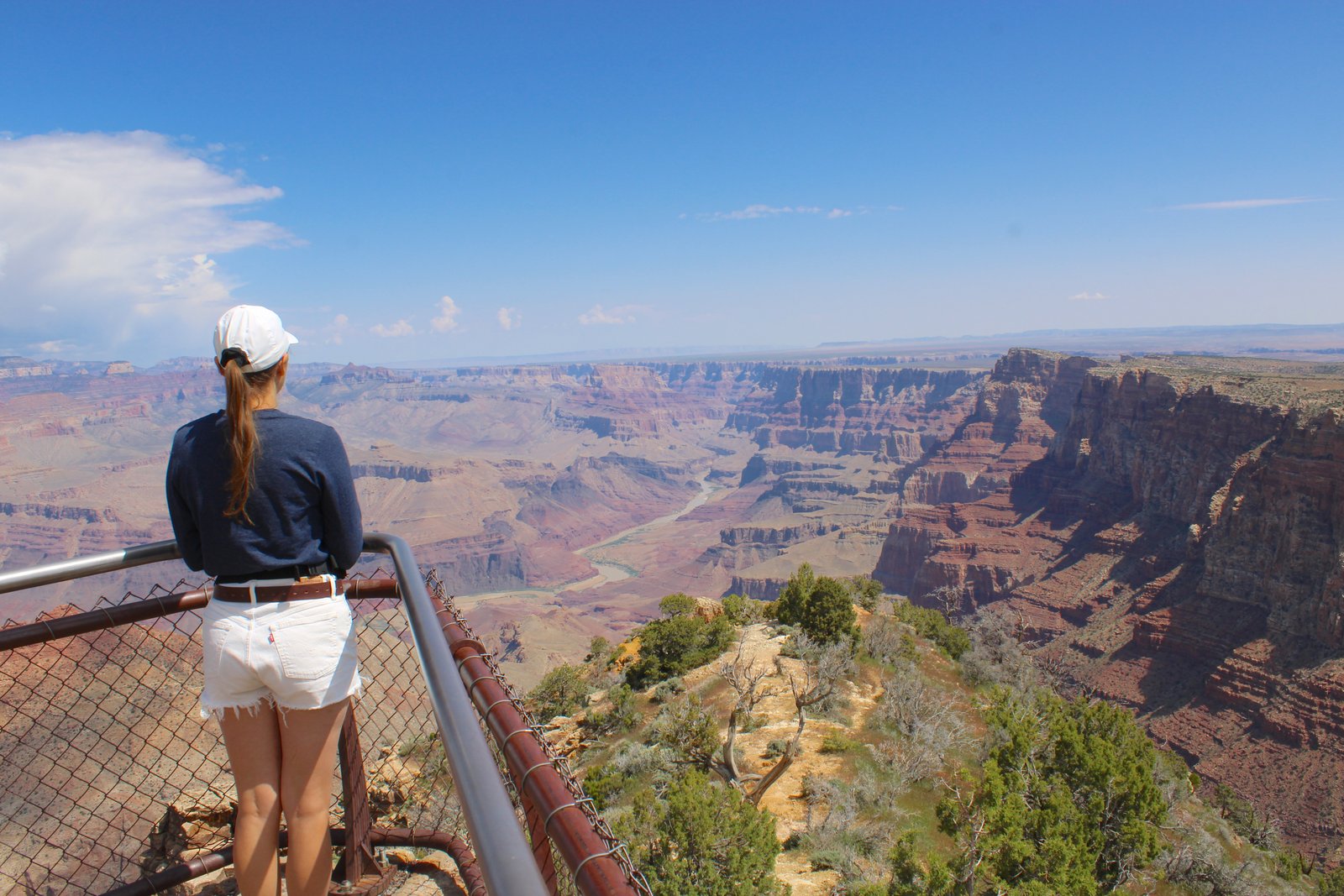
Not all Grand Canyon viewpoints offer river visibility — many overlooks sit high above the canyon with no direct sightlines. These viewpoints provide some of the clearest, most dramatic views of the Colorado River from both the South Rim and North Rim.
Lipan Point (South Rim)
- Best for: Wide river views
- Why it’s great: Long sightlines and elevated angles make the river easy to spot below
- Tips: Sunrise gives soft color and fewer crowds
Desert View (South Rim)
- Best for: Elevated river perspective
- Why it’s great: The Watchtower offers one of the highest vantage points for seeing the river
- Tips: Climb the tower for the best angles
Hopi Point (South Rim)
- Best for: River views along Hermit Road
- Why it’s great: West‑facing views reveal sections of the river winding through the canyon
- Tips: Beautiful at sunset when the river reflects warm light
Pima Point (South Rim)
- Best for: Quiet river overlook
- Why it’s great: Long, unobstructed views of the river and fewer crowds than Hopi Point
- Tips: Great alternative when Hermit Road viewpoints are busy
Cape Royal (North Rim)
- Best for: North Rim river views
- Why it’s great: One of the few North Rim viewpoints with clear river visibility
- Tips: Combine with Angels Window for a full scenic route
Tips for Visiting Viewpoints
These quick tips make it easier to enjoy the Grand Canyon’s viewpoints, avoid crowds, and get the best light for photos.
- Go early or stay late – Sunrise is calm and beautiful, and sunset brings warm light but bigger crowds. These times give you the best color and the quietest viewpoints.
- Use the South Rim shuttles – Hermit Road, Yaki Point, and other shuttle‑only areas are some of the best places for viewpoints. Check the seasonal schedules so you know which routes are running.
- Bring layers — even in summer – Temperatures drop fast at high elevation, especially at sunrise and sunset. The North Rim is usually cooler than the South Rim, so plan accordingly.
- Be careful near cliff edges – Many viewpoints have uneven rock and steep drop‑offs. Take your time, and keep kids close on narrow paths.
- Plan extra time for Desert View Drive – This quieter stretch has excellent photography stops — Lipan, Moran, and Desert View are all worth pulling over for.
- Check weather and visibility – Clouds, haze, and summer storms can completely change the canyon’s look. Stormy afternoons often create dramatic light.
- Carry water and sun protection – The elevation and strong sun can be dehydrating, even on short walks between viewpoints.
- Know North Rim seasonal access – The North Rim is only open mid‑May through mid‑October, with limited services. Always check current conditions before you go.
FAQ: Grand Canyon Viewpoints
What is the most popular viewpoint at the Grand Canyon?
Mather Point is the most popular because it’s close to the Visitor Center, easy to access, and offers classic panoramic views.
Which viewpoint has the best overall view?
Hopi Point (South Rim) is often considered the best all‑around viewpoint thanks to its wide west‑facing panorama and incredible sunset light.
Can you see the Colorado River from the viewpoints?
Yes — Lipan Point, Desert View, Hopi Point, Pima Point, and Cape Royal all offer clear river visibility.
What’s the best viewpoint for sunrise?
Yaki Point (South Rim) and Point Imperial (North Rim) are the strongest sunrise viewpoints.
What’s the best viewpoint for sunset?
Hopi Point (South Rim) and Cape Royal (North Rim) offer the most dramatic sunset views.
Are any viewpoints wheelchair accessible?
Yes — Mather Point, Yavapai Point, Desert View, and several Hermit Road viewpoints have paved paths or accessible viewing areas.
Do I need to hike to reach the viewpoints?
Most South Rim viewpoints are roadside or shuttle‑accessible. Only a few, like Ooh Aah Point, require a hike.
Is the North Rim open year‑round?
No — the North Rim is open mid‑May through mid‑October. Winter access is closed.
Which viewpoints are best for photography?
Moran Point, Lipan Point, Grandview Point, Cape Royal, and Bright Angel Point offer the strongest compositions and color layers.
How early should I arrive for sunrise or sunset?
Plan to arrive 30–45 minutes early for sunrise and 45–60 minutes early for sunset, especially at popular viewpoints.
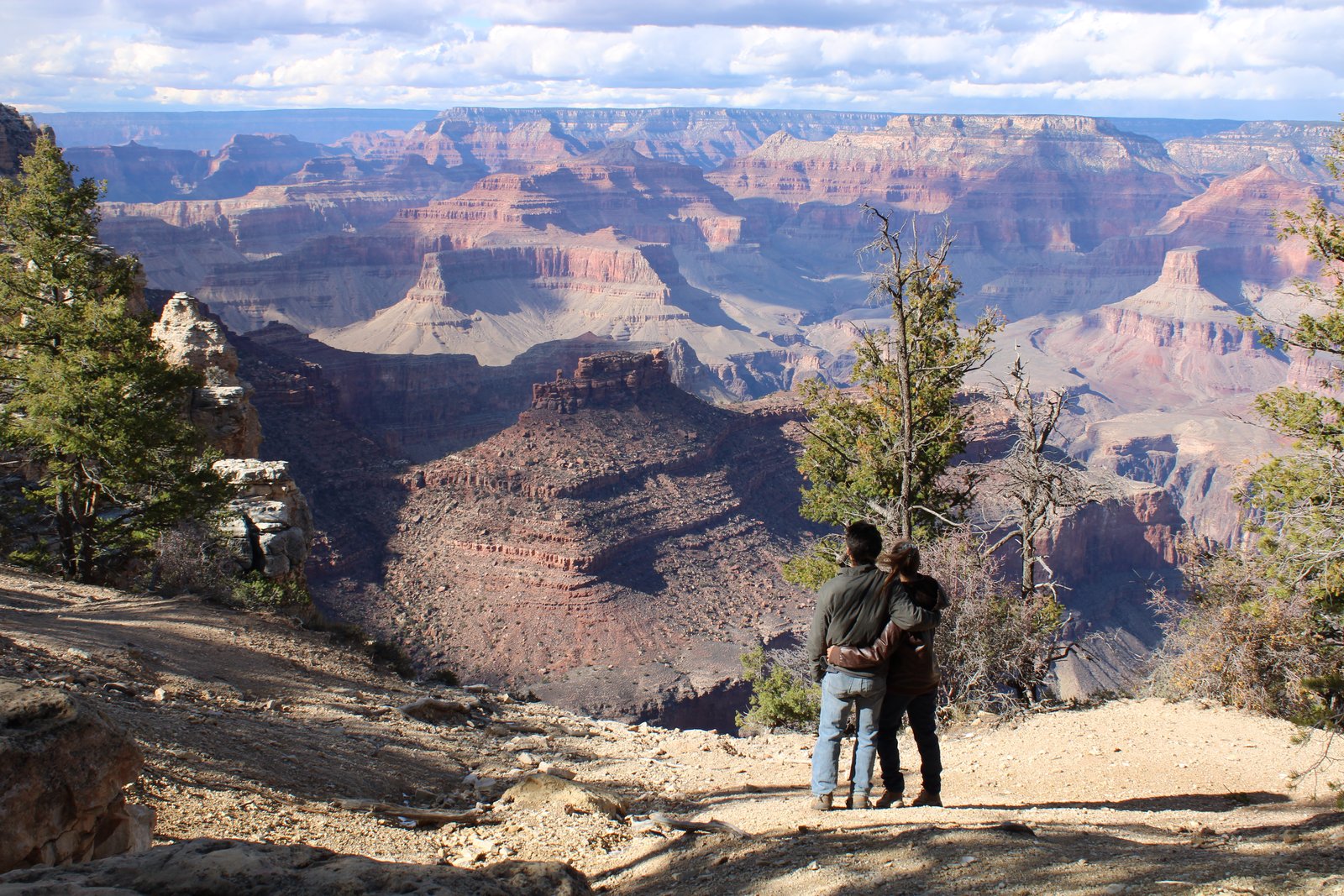
The Grand Canyon has hundreds of places to take in the view, but a handful of overlooks truly stand out. Whether you’re visiting the South Rim for its iconic, easy‑access viewpoints or the North Rim for quieter, dramatic scenery, each overlook offers a different angle on the canyon’s scale, color, and depth. With the right timing — sunrise, sunset, or golden hour — even familiar viewpoints feel completely new. No matter which rim you choose, exploring a few of these top spots will give you some of the most unforgettable views in the entire national park.
If you’re choosing which rim to visit, our one‑day South Rim and North Rim guides can help you plan a smooth, viewpoint‑focused day on either side of the canyon.
Helpful Links
These official resources make planning your visit easier:
- Grand Canyon National Park Website – Current conditions, maps, and seasonal updates https://www.nps.gov/grca/planyourvisit/conditions.htm
- South Rim Shuttle Schedules – Hermit Road, Kaibab Route, and Village Route details https://www.nps.gov/grca/planyourvisit/shuttle-buses.htm
- North Rim Information – Opening dates, services, and road access https://www.nps.gov/grca/planyourvisit/conditions.htm
- Grand Canyon Weather Forecast – Hourly and extended forecasts for both rims https://www.nps.gov/grca/planyourvisit/weather-condition.htm