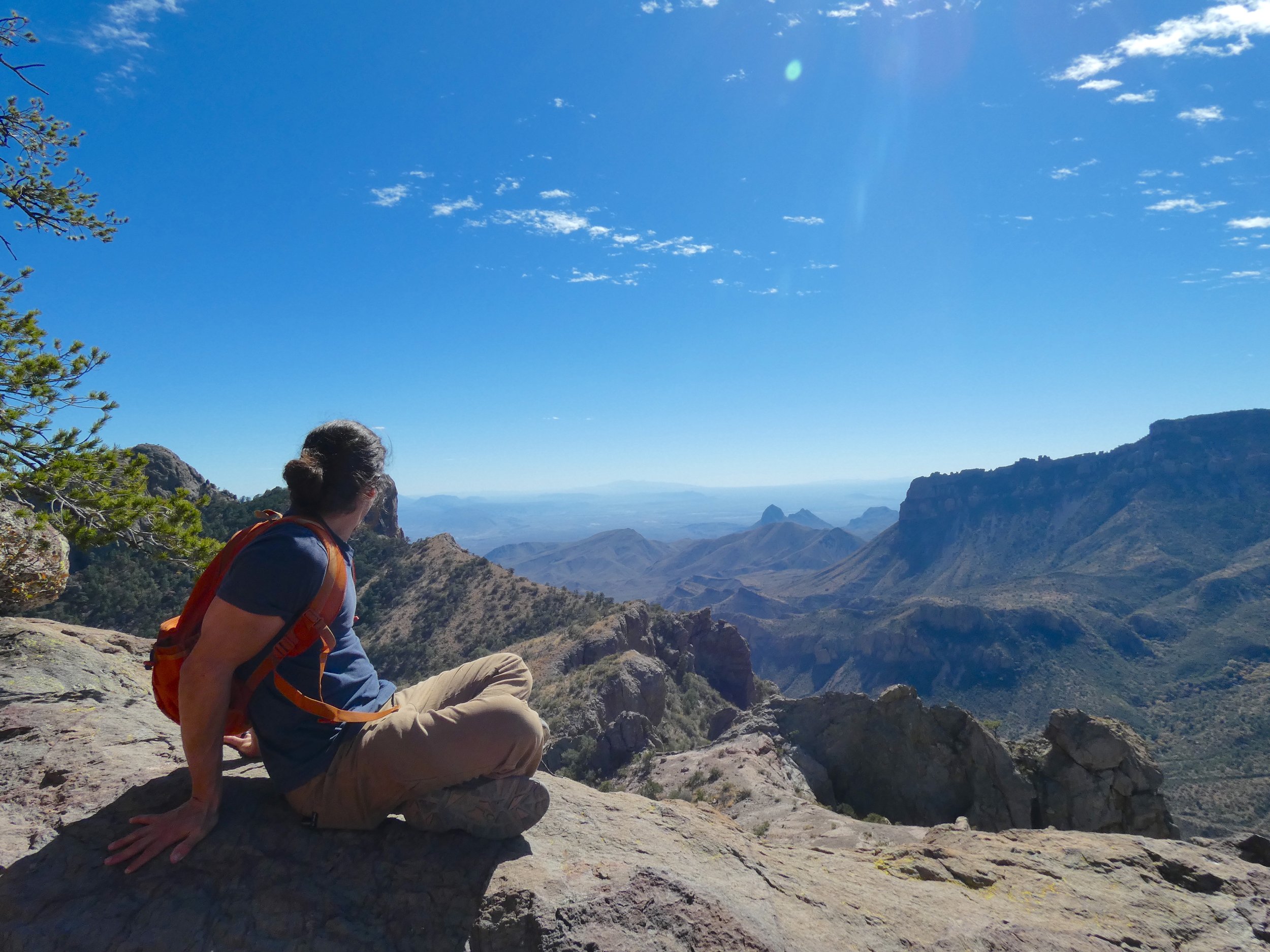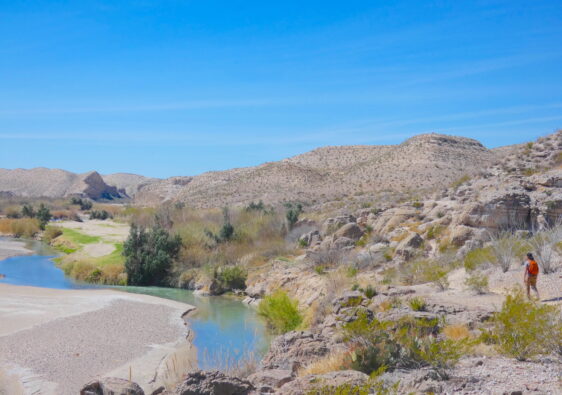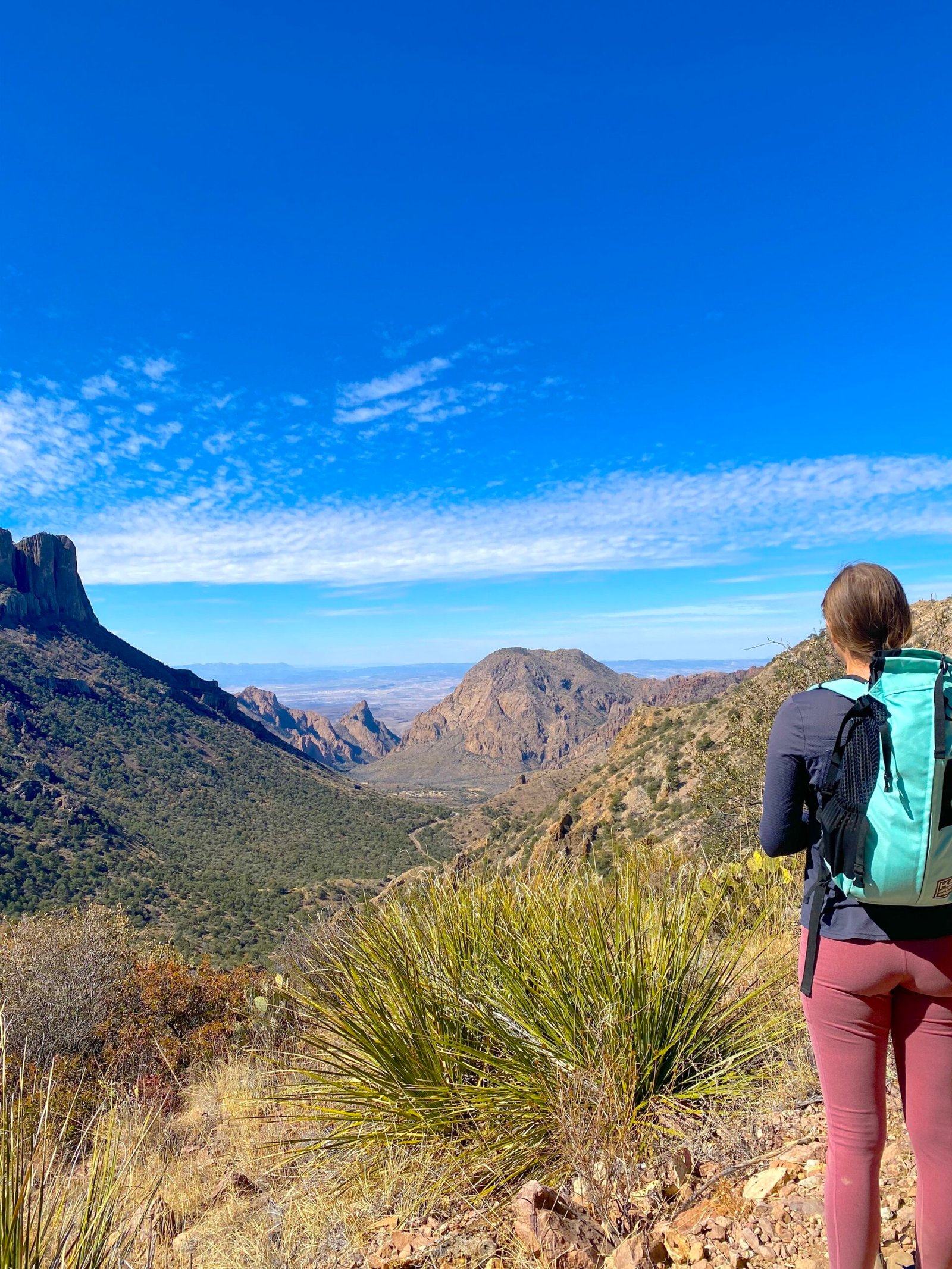

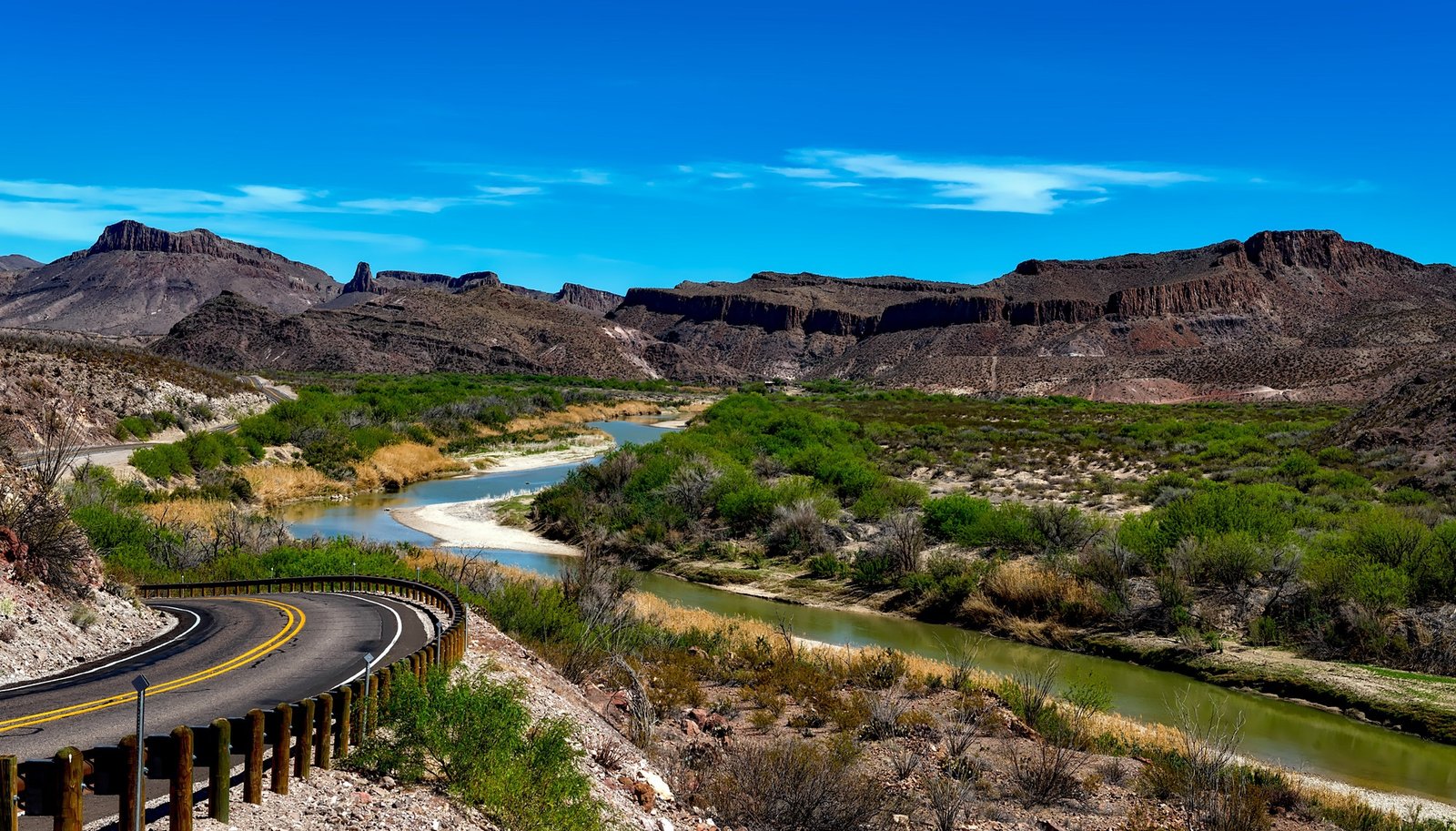
Nestled along the winding Rio Grande and sprawling across over 300,000 acres of raw West Texas wilderness, Big Bend Ranch State Park is Texas’ largest—and wildest—state park. While neighboring Big Bend National Park draws millions of visitors each year, Big Bend Ranch offers a much quieter, untamed escape defined by rugged canyon hikes, dramatic desert vistas, and endless dark skies.
Whether you’re planning to cruise the scenic river curves of FM 170, tackle slot canyons like Closed Canyon, or pitch a tent under a blanket of stars, navigating this vast backcountry requires a bit of extra preparation. In this complete first-timer’s guide, I’ll cover everything you need to know before visiting Big Bend Ranch State Park—including top trails, vehicle recommendations, camping permits, and essential safety tips to ensure an unforgettable desert adventure.
This post contains affiliate links, so we may earn a small commission when you make a purchase through links on our site at no additional cost to you.
Big Bend Ranch State Park: Fast Facts
- Location: West Texas (along the Rio Grande, between Lajitas and Presidio)
- Park Size: Over 311,000 acres (Texas’ largest state park)
- Entrance Fee: $5 per day for adults (ages 13+); free for kids 12 and under. Free entry with the Texas State Parks Pass.
- Visitor Centers:
- East Entrance: Barton Warnock Visitor Center (Lajitas / Terlingua side)
- West Entrance: Fort Leaton State Historic Site (Presidio side)
- Interior: Sauceda Ranger Station (requires 4WD/high clearance)
- Pet Policy: Dog-friendly on designated trails (including Closed Canyon and Ojito Adentro) and along FM 170, but must remain on a 6-foot leash.
- Cell Service: Very limited to non-existent inside the park. Download offline maps before you arrive!
How to Get to Big Bend Ranch State Park
Getting to Big Bend Ranch State Park is half the adventure. Located in far West Texas along the US-Mexico border, the park sits between the towns of Lajitas (on the east) and Presidio (on the west).
Most visitors access the park via FM 170 (also known as El Camino del Rio or the River Road)—frequently named one of the most scenic drives in North America.
Flying into the Region
Because West Texas is vast and remote, there is no major commercial airport right next door. If you’re flying in, your best options are to rent a vehicle at one of these regional airports:
- Midland International Airpower Airport (MAF): ~4-hour drive (235 miles) to the park’s east entrance via Alpine and Terlingua. This is often the most convenient airport with frequent domestic flights.
- El Paso International Airport (ELP): ~4.5 to 5-hour drive (300 miles) to the park. If coming from El Paso, you can drive through Marfa and Presidio to enter via the park’s west entrance at Fort Leaton.
- San Antonio International Airport (SAT) or Austin-Bergstrom (AUS): ~7 to 7.5-hour drive (430–480 miles). A longer drive, but great if you are planning an extended Texas road trip through Hill Country and West Texas.
Rental Car Tip: If you plan on exploring deep into the park interior (like Sauceda or backcountry campsites), look into renting a SUV with high clearance and four-wheel drive (4WD). Standard rental cars are fine for driving along paved FM 170 and frontcountry trailheads, but rental agreements often restrict driving standard cars on unpaved dirt roads like Casa Piedra.
Park Entrances & Visitor Centers
Depending on which direction you’re coming from, you’ll check in at one of two primary entrances along FM 170 before heading into the park:
East Entrance (Barton Warnock Visitor Center): Located just one mile east of Lajitas and about 20 minutes from Terlingua/Study Butte. If you are staying near Big Bend National Park or coming from Alpine/Study Butte, this will be your main entry point.
West Entrance (Fort Leaton State Historic Site): Located four miles southeast of Presidio. This is the main check-in station if you are traveling from Marfa or coming from the west.
The Interior (Sauceda Ranger Station): Located in the heart of the park via an unpaved interior road. You must check in at Fort Leaton or Barton Warnock first before driving out to Sauceda.
Understanding the Roads: 2WD vs. High-Clearance 4×4
One of the most critical things first-timers need to know is that Big Bend Ranch is split into two distinct areas:
- The River Corridor (FM 170): Fully paved and accessible by any standard car, RV, or travel trailer. This stretches along the Rio Grande and gives you direct access to popular frontcountry trailhead stops like Closed Canyon, the Hoodoos, and Contrabando.
- The Park Interior (Sauceda & Backcountry): Highly rugged and remote. Reaching Sauceda Visitor Center requires driving 27 miles down Casa Piedra Road, an unpaved dirt road. While a standard vehicle can usually handle the main dirt road to Sauceda in good weather (at a slow 15–20 mph), reaching deeper backcountry trails, campsites, and 4×4 tracks strictly requires a high-clearance vehicle with 4WD and durable, 10-ply tires.
Fuel & Logistics Strategy (Don’t Get Stranded!)
- Fill Up Before You Enter: There are no gas stations inside Big Bend Ranch State Park. Fill your tank completely in Terlingua/Study Butte (if coming from the east) or Presidio (if coming from the west).
- Download Offline Maps: You will lose cell coverage almost immediately after leaving Lajitas or Presidio. Download offline Google Maps or AllTrails routes, or grab a physical topographic map from the ranger station before venturing out.
Best Time to Visit Big Bend Ranch State Park
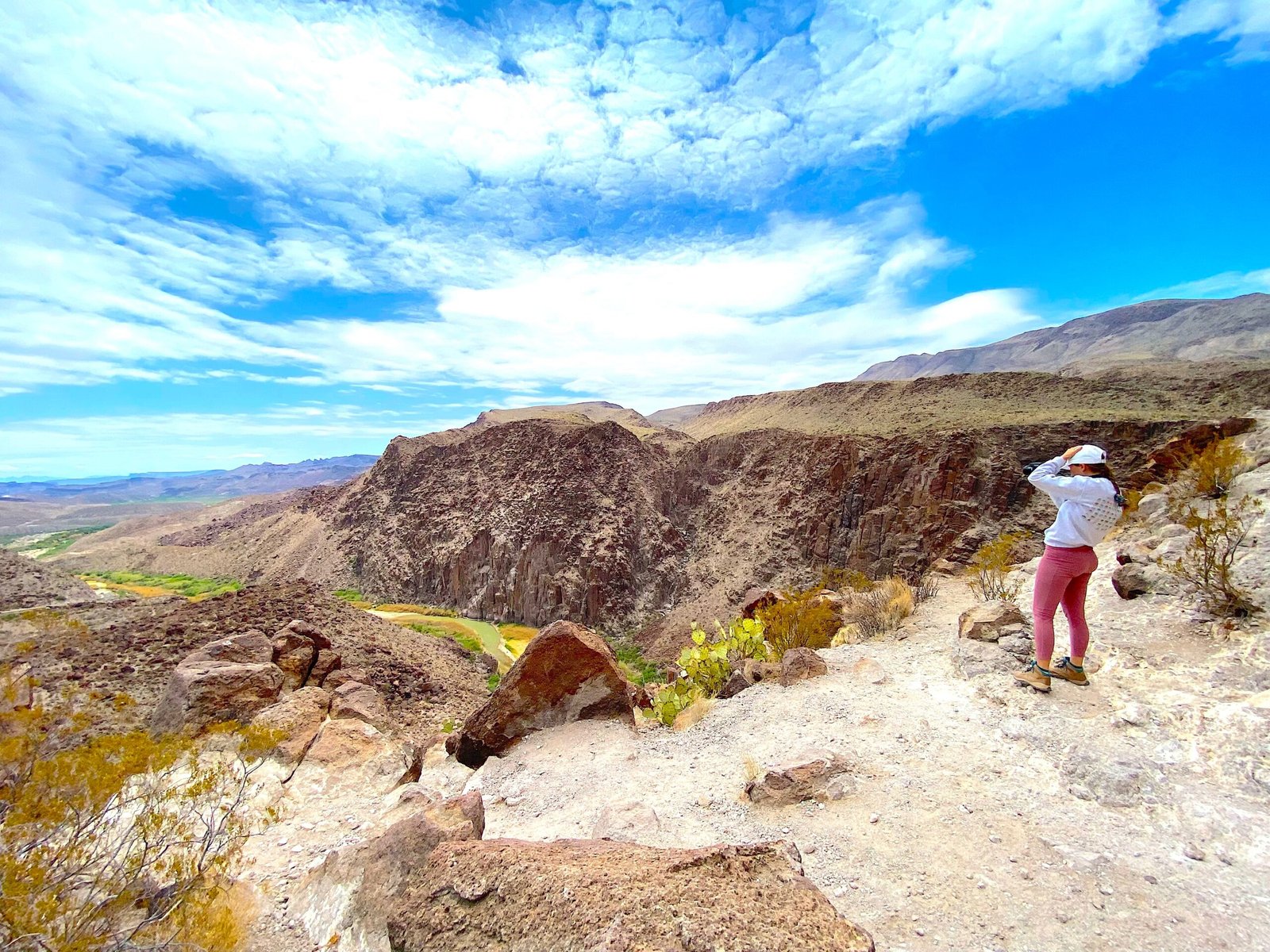
Due to the extreme desert climate of West Texas, timing is everything when planning your trip.
Fall (Late October – November) — Best Overall
Fall offers near-perfect weather with comfortable daytime highs in the 70s and crisp, cool nights. Summer monsoons have wrapped up, leaving the desert lush and green, while crowds remain far lower than in peak spring months.
Winter (December – February) — Best for Desert Hiking & Mountain Biking
Winter brings mild, sunny daytime temperatures (50s–60s°F), making it the safest time to tackle exposed, long-distance hikes and backcountry trails. However, desert nights frequently drop below freezing, so pack heavy layers if camping!
Special Event Notice: During February, the annual Chihuahuan Desert Bike Fest brings hundreds of mountain bikers to the area for three days of guided trail rides across the park and nearby Lajitas. Big Bend Ranch is home to Texas’ only designated “EPIC” ride by the International Mountain Bicycling Association (IMBA)—the grueling, 54-mile Fresno-Sauceda Loop. If you plan to visit in February, book your lodging and permits early!
Spring (March – April) — Best for Wildflowers & Water
Spring brings beautiful desert blooms (including bluebonnets and blooming cacti) and pleasant 70°F–80°F temperatures. Keep in mind that Spring Break (mid-March) is the busiest time of year in the region, so book campsite reservations well in advance.
Summer (May – September) — Use Extreme Caution
Summers in the Chihuahuan Desert are intensely hot, regularly exceeding 100°F–105°F along the river corridor. Desert hiking during mid-day in summer can be life-threatening. If visiting in summer, stick to early morning scenic drives on FM 170, avoid long exposed hikes, and carry far more water than you think you need.
Top Things to Do & Best Hikes in Big Bend Ranch State Park
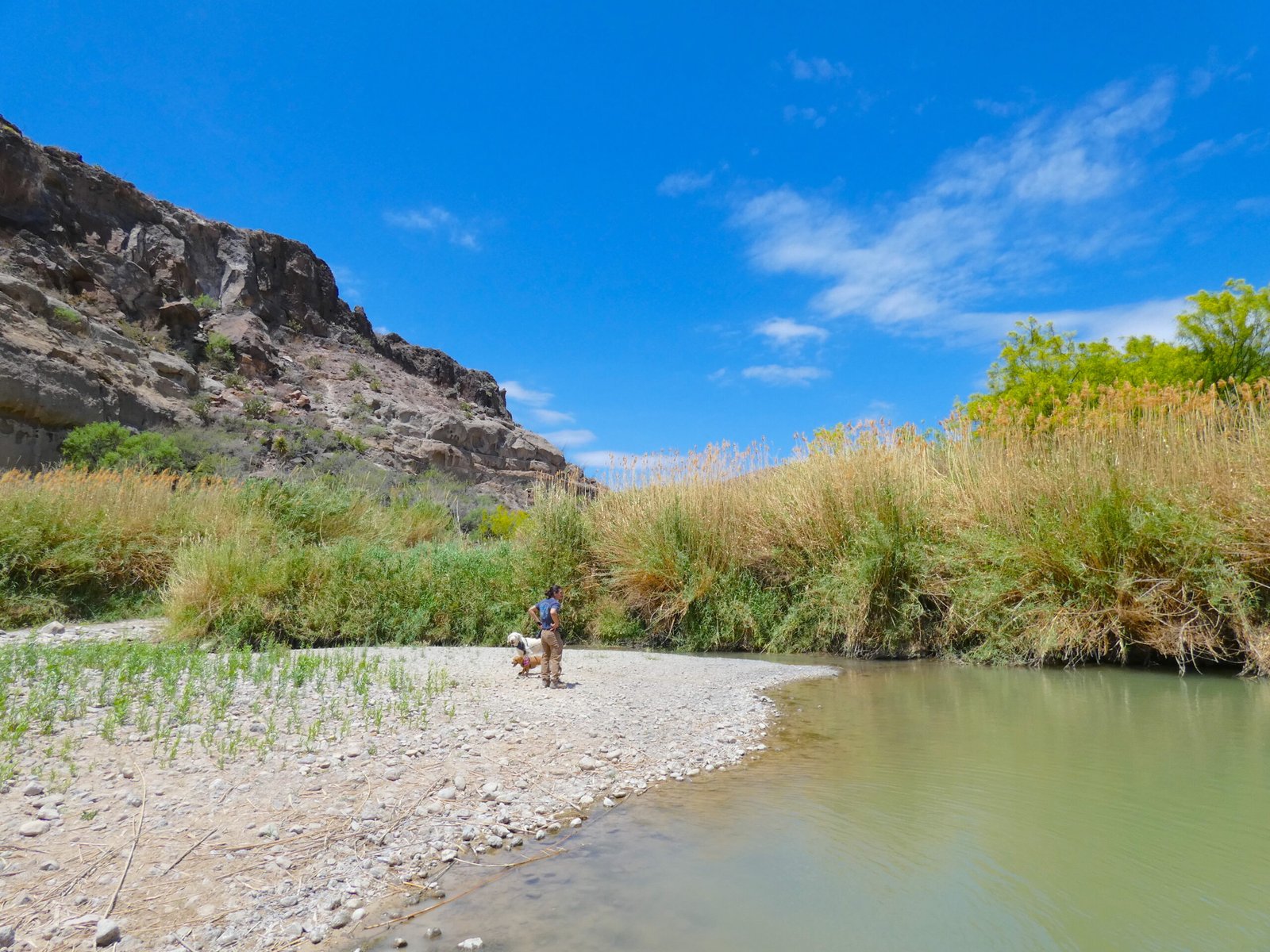
Big Bend Ranch State Park covers over 300,000 acres, but its highlights can generally be split into two main experiences: The River Corridor (FM 170), which is paved and easily accessible to all vehicles, and The Park Interior & Backcountry, which offers rugged remote adventures for 4×4 vehicles.
Must-See River Corridor Stops (Easy Access / 2WD Friendly)
If you have standard 2WD, limited time, or are traveling along FM 170 between Lajitas and Presidio, these are the top stops to add to your itinerary:
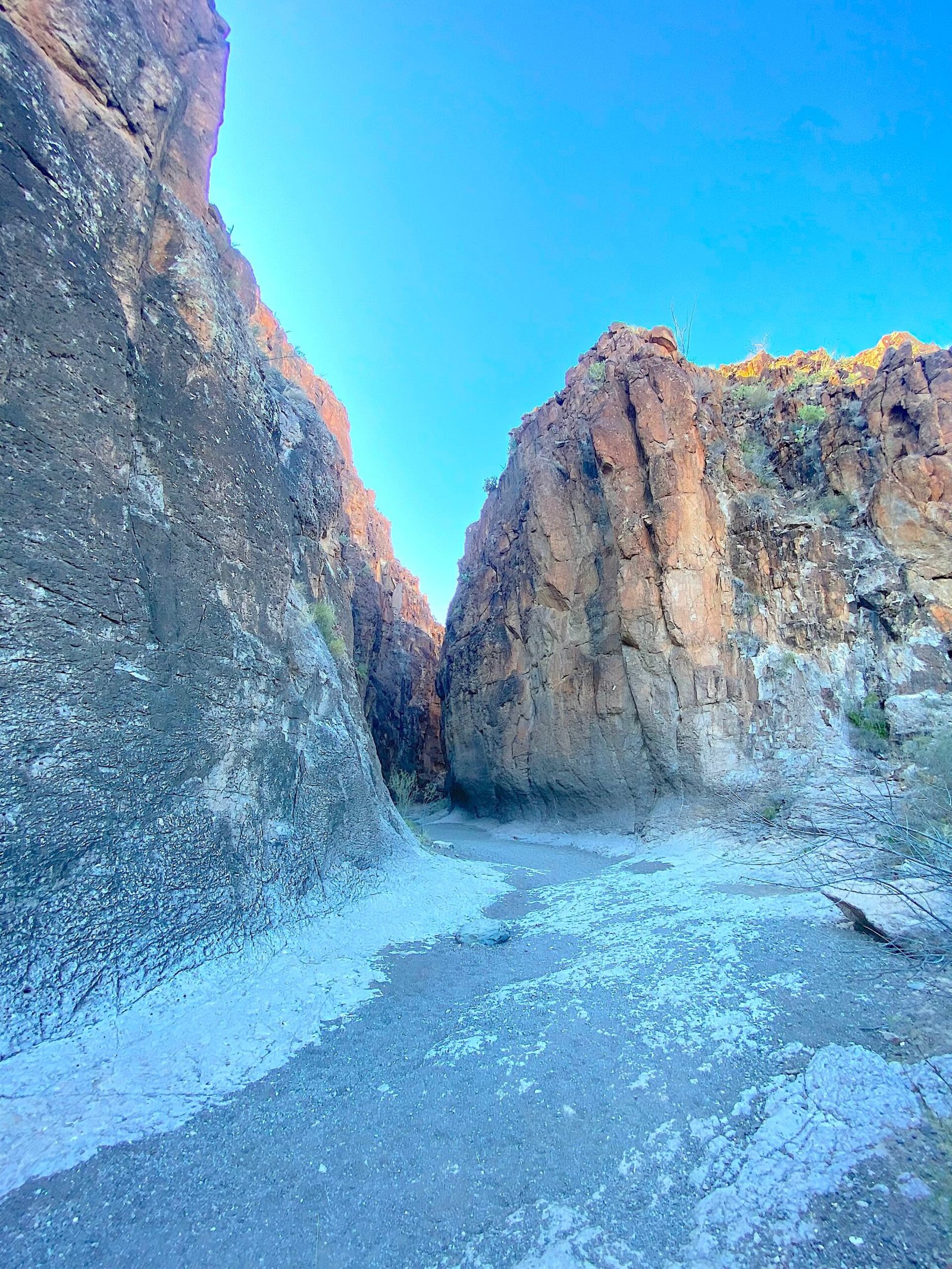
1. Closed Canyon Trail
- Distance: 1.4 miles round-trip
- Difficulty: Easy to Moderate
- Dog-Friendly: Yes (on a 6-foot leash)
- Highlights: A towering slot canyon carved through limestone that narrows as you walk deeper toward the Rio Grande. The tall rock walls provide rare, welcome shade, making this one of the most popular and enjoyable short hikes in the park.
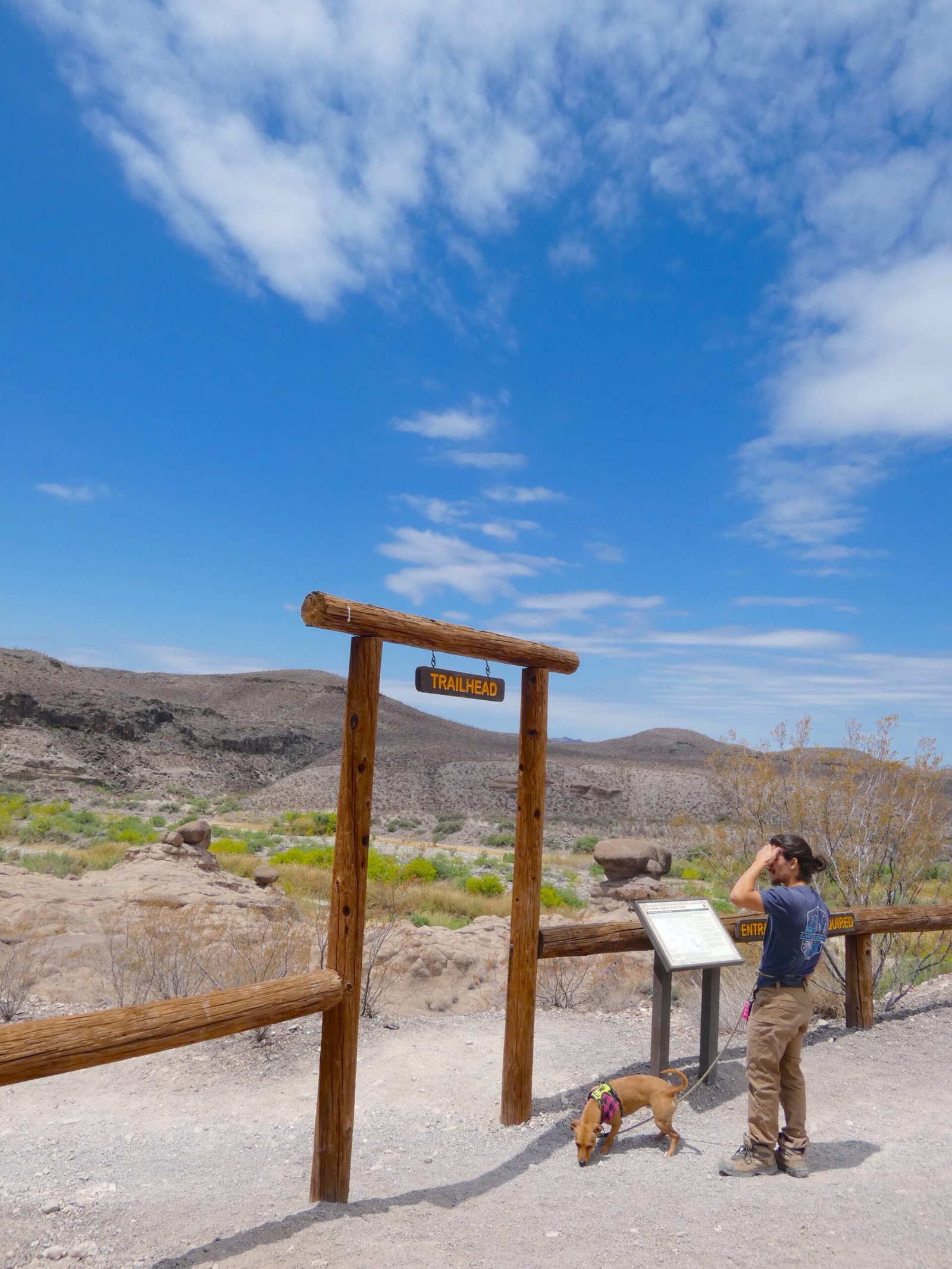
2. The Hoodoos Trail
- Distance: 1.1 miles loop
- Difficulty: Easy
- Dog-Friendly: Yes
- Highlights: Strange, balance-defying rock formations (hoodoos) sculpted by volcanic ash and erosion right along the edge of the Rio Grande. It offers fantastic views across the river into Mexico and is a great spot for photography at golden hour.
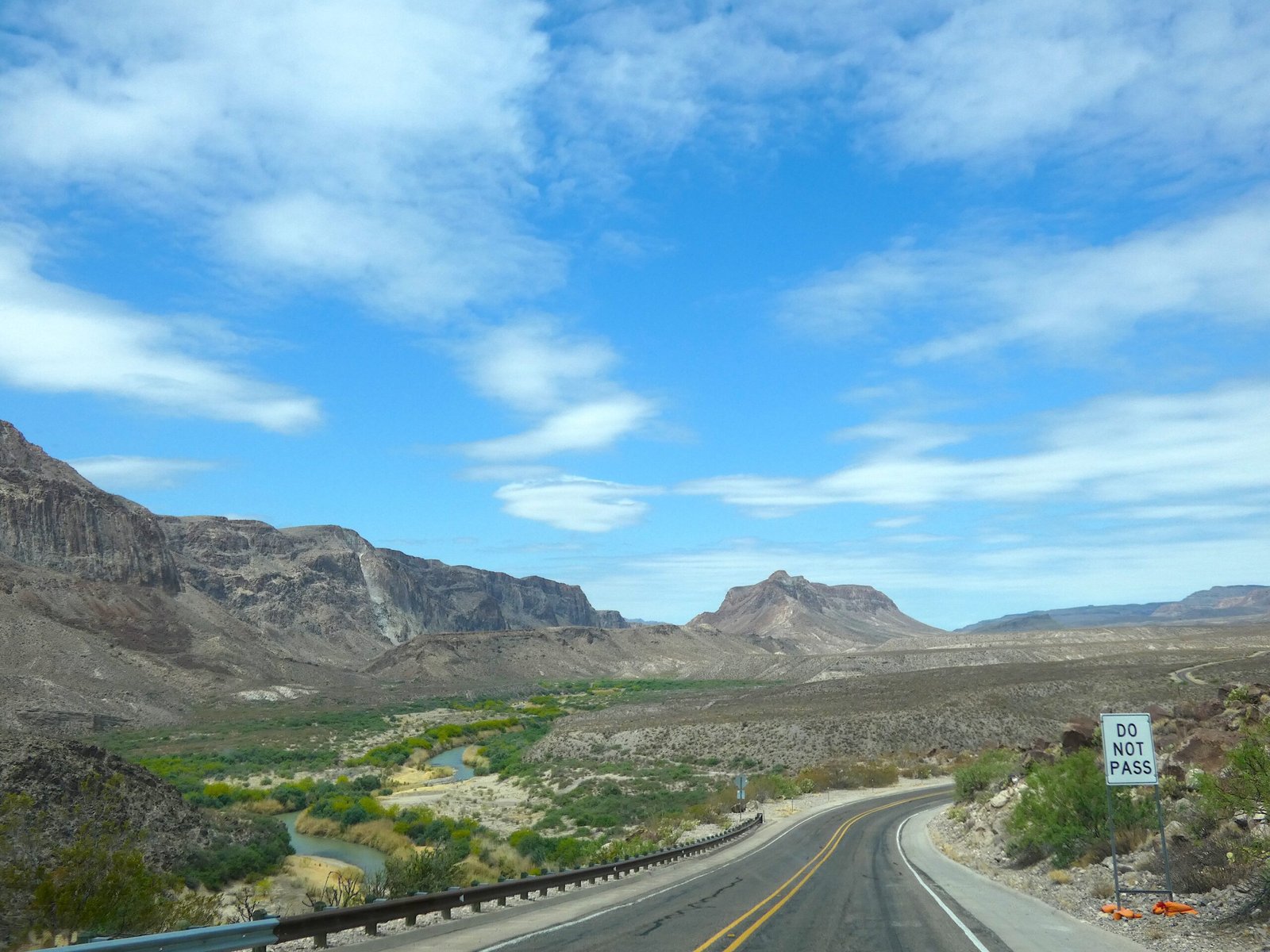
3. Drive FM 170 (El Camino del Rio) & The Big Hill
- Distance: ~50 miles between Lajitas and Presidio
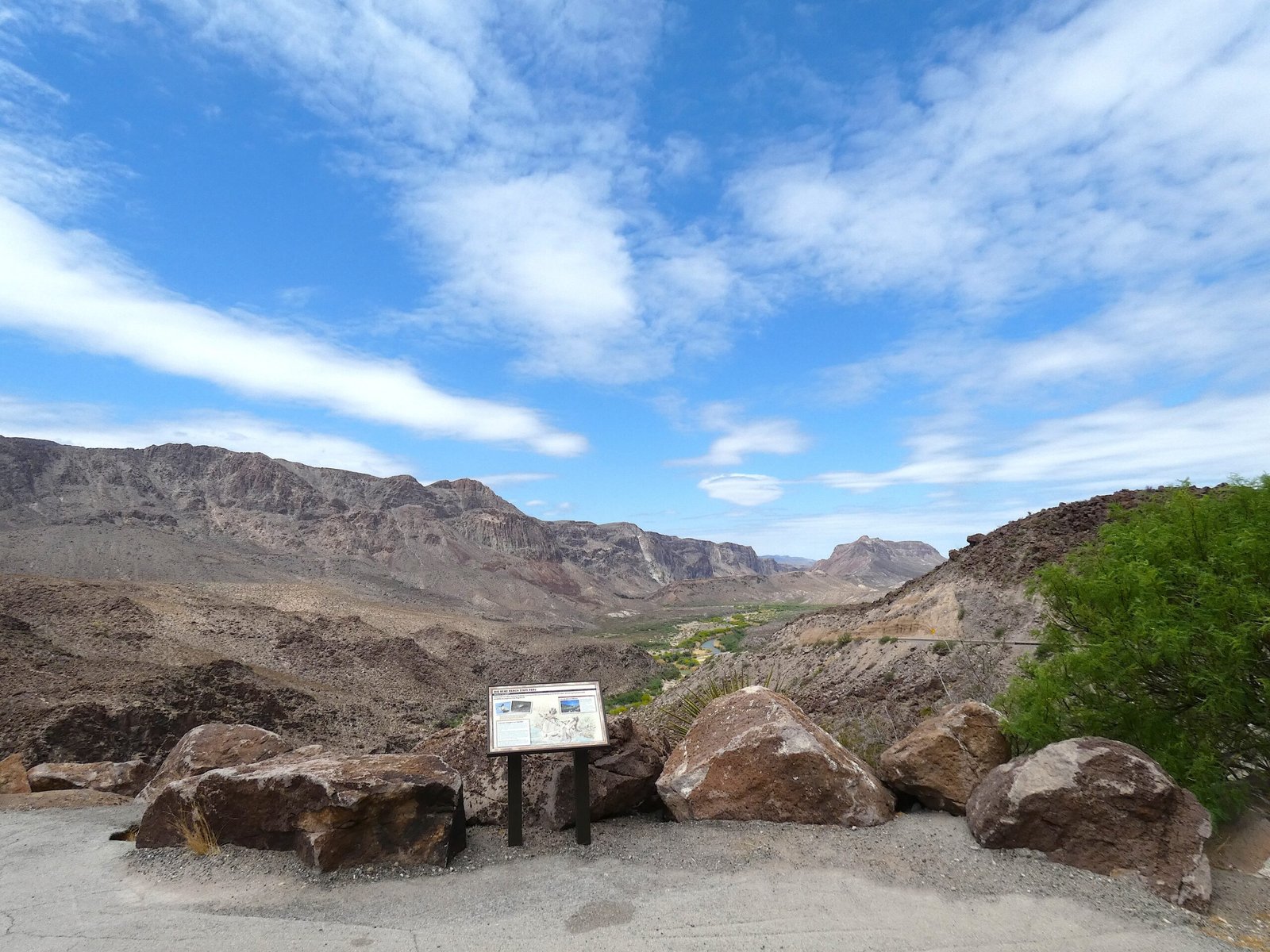
- Highlights: Hugging the twists and curves of the Rio Grande, FM 170 is widely considered one of the top scenic drives in North America. Be sure to pull off at “The Big Hill” (Contrabando Overlook) for sweeping panoramic views of the river canyon below.
4. Contrabando Dome & Movie Set Site
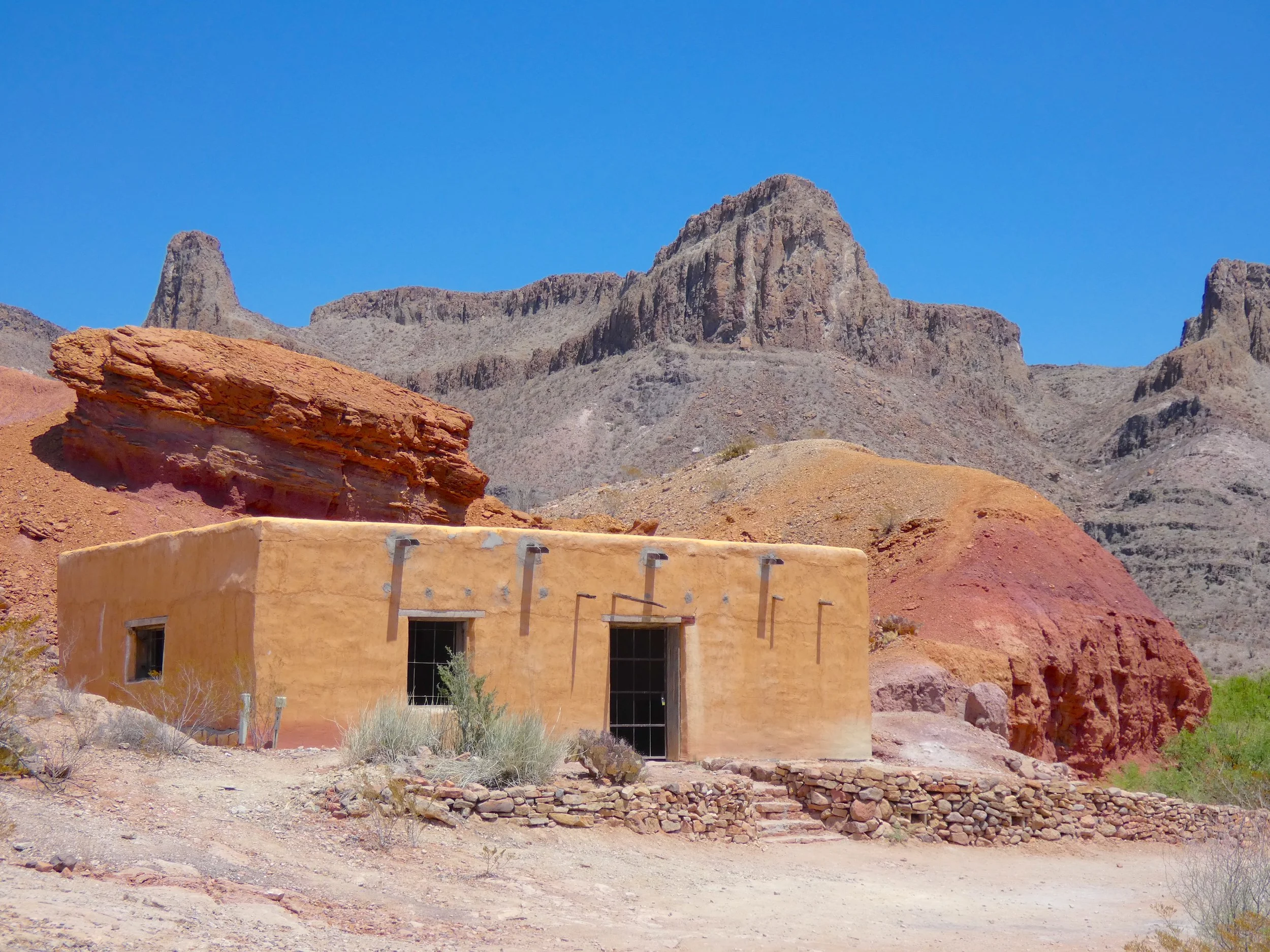
- Highlights: Located along FM 170, this historic site has served as a filming backdrop for several western movies over the decades. While some older structures were removed for safety, the area remains an intriguing historical marker and trailhead for longer desert treks.
Best Interior & Backcountry Hikes (High-Clearance / 4WD Required)
For those equipped with high-clearance 4×4 vehicles looking to escape deep into the park’s wild interior, these trailheads offer incredible solitude:
5. Ojito Adentro Trail
- Distance: 1.0 mile round-trip
- Difficulty: Easy to Moderate
- Highlights: Often described as the “Cattail Falls” of Big Bend Ranch, this trail leads you from arid desert scrub straight into a lush oasis powered by a natural spring, complete with towering cottonwood trees and shade.
6. Sauceda Historic District & Nature Trail
- Highlights: Located deep in the heart of the park, Sauceda serves as the park headquarters. Stroll the 0.9-mile nature trail to get a feel for historic ranching operations in West Texas and check out native desert flora.
7. Fresno West Rim Overlook
- Distance: 2.0 miles round-trip (from trailhead off Sauceda Road)
- Difficulty: Moderate
- Highlights: Drops you right on the rim of Fresno Canyon for breathtaking views of Solitario—a massive 10-mile-wide geological dome formation created by collapsed ancient magma chambers.
8. Float the Rio Grande (Colorado Canyon)
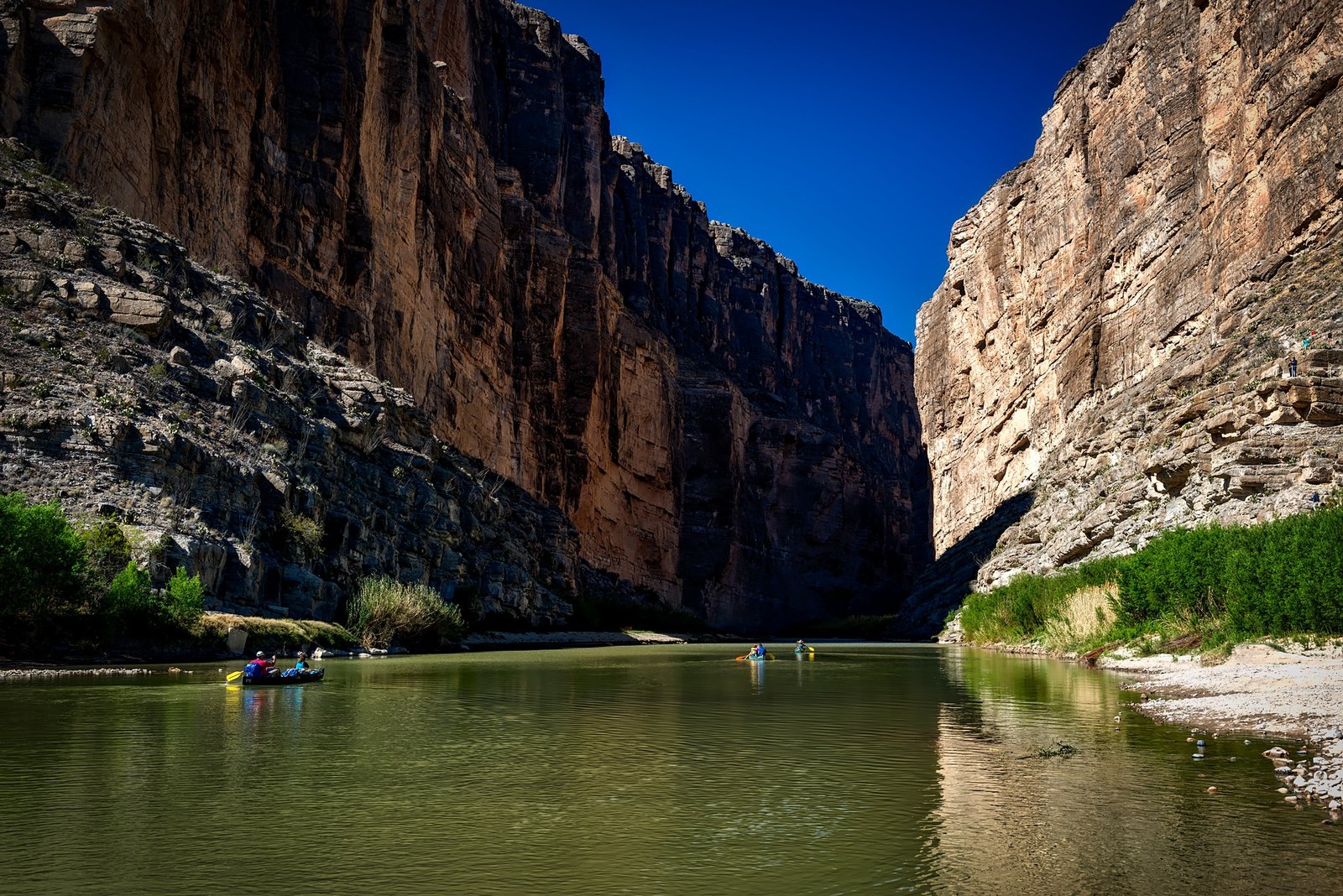
- Best Route: Colorado Canyon Run (Arenosa Launch to Madera Canyon / Lajitas)
- Type of Experience: Half-day, full-day, or multi-day river trip (Canoe, Kayak, or Raft)
- Difficulty: Beginner to Intermediate (Class I–II rapids at normal water levels)
Paddling down the Rio Grande is one of the most memorable ways to experience the park’s sheer canyon walls from below. While neighboring Big Bend National Park is famous for Santa Elena Canyon, Big Bend Ranch State Park offers Colorado Canyon, a dramatic, dark basalt canyon flanked by high volcanic cliffs.
How to Do It:
- Guided River Trips: If you don’t have your own boat or gear, booking a guided trip with local outfitters in Terlingua or Lajitas (such as Big Bend River Tours, Far Flung Outdoor Center, or Desert Sports) is the easiest option. They provide equipment, transportation, and expert guides who know the river levels.
- DIY Paddling: If you bring your own kayak, canoe, or paddleboard, you can access the river at designated launch sites along FM 170 (like Arenosa, Grassy Banks, or Madera Canyon).
Important River Rules & Logistics:
- Permits Required: You must obtain a self-serve river permit at the Barton Warnock Visitor Center or Fort Leaton before launching your craft.
- Required Gear: State regulations require every person to have a USCG-approved PFD (life jacket) plus an extra paddle/oar per craft (or per group for kayaks).
- Water Levels Matter: The Rio Grande’s flow fluctuates depending on rainfall and dam releases upstream. Always check current water levels with park rangers or outfitters before heading out—low water levels may require hard-bottom canoes or kayaks rather than rafts.
Big Bend Ranch State Park Activity Summary
| Activity / Spot | Distance / Type | Access / Road Type | Dog Friendly? |
|---|---|---|---|
| Closed Canyon | 1.4 miles (Hike) | Paved (FM 170 / 2WD) | Yes |
| The Hoodoos | 1.1 miles (Hike) | Paved (FM 170 / 2WD) | Yes |
| FM 170 Scenic Drive | ~50 miles (Drive) | Paved (FM 170 / 2WD) | Yes (in car) |
| Float Colorado Canyon | Half-Day / Full-Day (Paddle) | Paved Launch Sites | No |
| Ojito Adentro | 1.0 mile (Hike) | Unpaved Dirt (High Clearance) | Yes |
| Fresno Rim Overlook | 2.0 miles (Hike) | Unpaved Dirt / 4WD | No |
Where to Stay: Camping & Lodging in Big Bend Ranch State Park
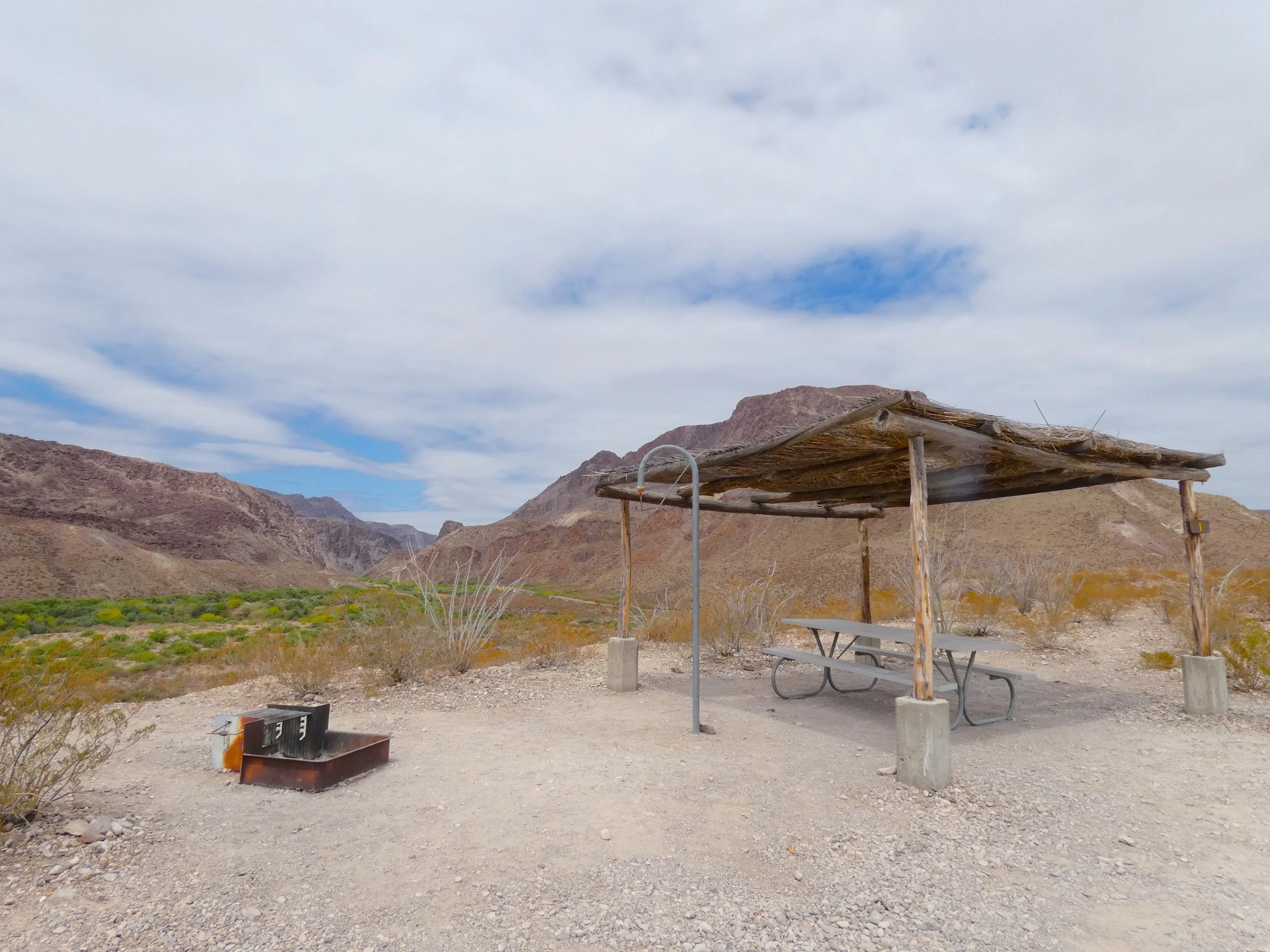
Because Big Bend Ranch State Park spans over 300,000 acres of remote wilderness, deciding where to stay depends entirely on your vehicle, your preferred comfort level, and whether you want to camp under the stars or sleep in a bed.
1. Frontcountry & River Road Camping (2WD & RV Friendly)
If you are traveling in a standard vehicle, van, or towing a travel trailer, the River Corridor (FM 170) offers several stunning primitive campsites right along the Rio Grande.
- What to Expect: These are primitive sites (meaning no hookups, flush toilets, or running water), but they are easily accessible from the paved highway. Sites feature picnic tables, shade ramadas, and vault toilets nearby.
- Top Areas: Grassy Banks, Arenosa, and Madera Canyon are popular river access points with designated campsites.
- Vehicle Fit: Perfect for cars, camper vans, and standard truck/trailer setups.
2. Backcountry & Interior Camping (High-Clearance 4WD Required)
If you are looking for absolute solitude and want to camp deep inside the park’s rugged interior, you’ll need a designated backcountry site.
- What to Expect: Total isolation, dark skies, and zero amenities. You must be completely self-sufficient (carrying all your own water and waste disposal).
- Vehicle Fit: Strictly restricted to high-clearance 4×4 vehicles with robust tires. Do not attempt to take trailers or low-clearance cars onto interior backcountry roads.
3. Staying Nearby: Lodging & Glamping
If you prefer not to camp or want a comfortable bed after a long day of desert hiking, you have great options just outside the park boundaries:
- Lajitas Golf Resort: Located right at the eastern edge of the park (where we spent a season working!), this resort offers upscale lodge rooms, restaurants, a golf course, and a full hookup RV Park.
- Terlingua / Study Butte: Located about 20–30 minutes east of the park entrance, Terlingua (the historic ghost town) offers fantastic glamping sites, boutique desert airstreams, and quirky local vacation rentals.
- Presidio: Located on the western edge of the park, Presidio offers traditional motels and hotels if you are entering via Fort Leaton.
Important Permits & Booking Tip
All camping inside Big Bend Ranch State Park—whether frontcountry or backcountry—requires a permit. Because spots along the River Road fill up quickly during peak winter and spring seasons, it is highly recommended to reserve your campsite online through the Texas State Parks reservation system well in advance.
Gateway Towns: Where to Eat, Fuel Up & Base Yourself
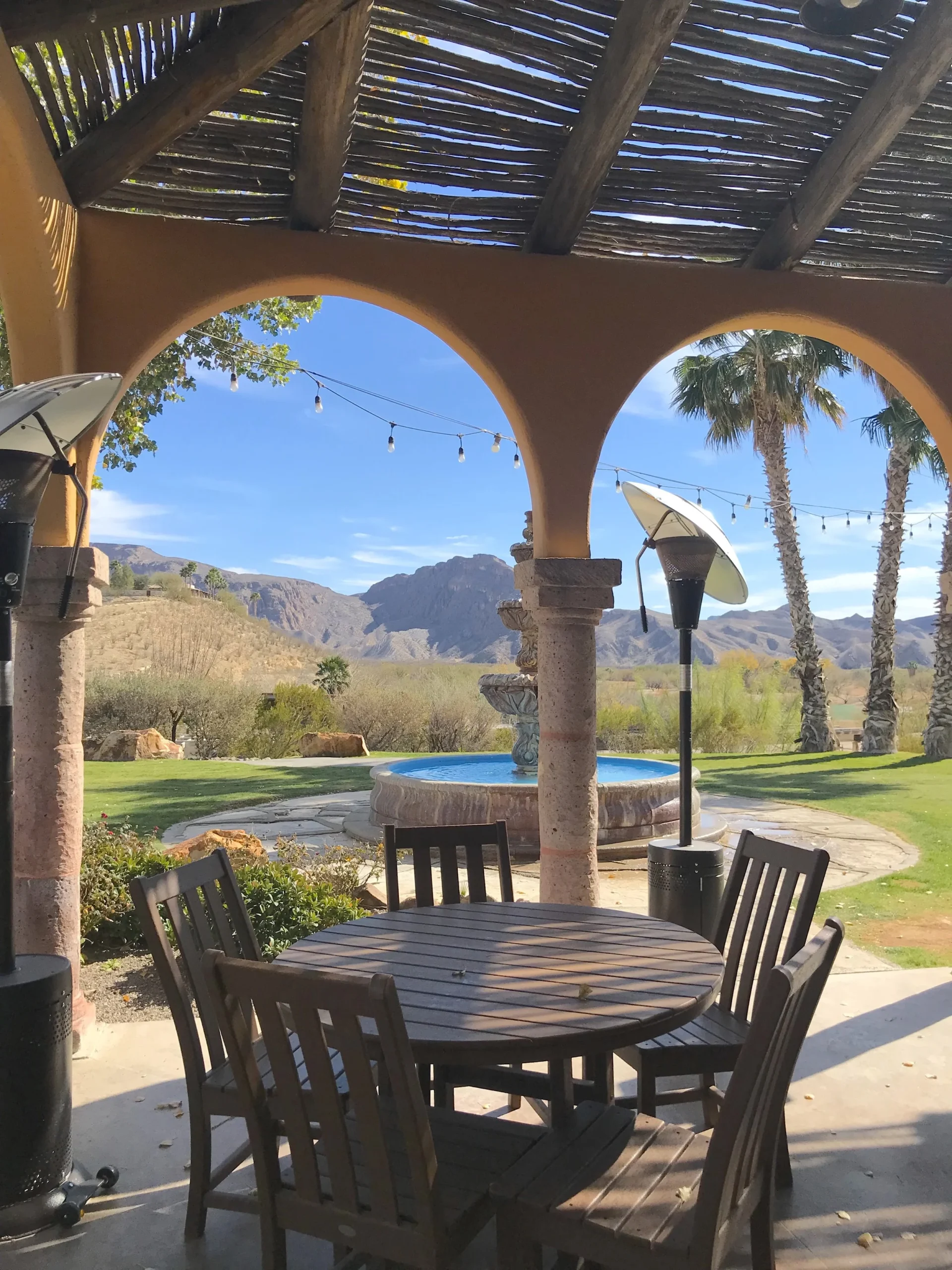
Since there are no stores, restaurants, or gas stations inside Big Bend Ranch State Park, you’ll be relying on the surrounding border towns for supplies, meals, and evening downtime. Each nearby town offers a completely different vibe:
1. Lajitas (East Gateway)
Sitting right on the park’s eastern border along FM 170, Lajitas is the immediate hub for the River Corridor.
- The Vibe: Resort charm mixed with frontier history.
- Best For: Luxury lodging, golf, horseback riding, and immediate park access via the Barton Warnock Visitor Center.
- Don’t Miss: Having a drink at the Thirsty Goat Saloon, grabbing coffee/groceries at the Lajitas General Store, and meeting Clay Henry, the famous beer-drinking goat mayor of Lajitas!
2. Terlingua & Study Butte (~20–30 Minutes East)
Located just east of Lajitas near the entrance to Big Bend National Park, Terlingua is the heart and soul of the region’s eccentric desert culture.
- The Vibe: Historic ghost town turned bohemian artistic outpost.
- Best For: Live music, cold drinks, unique glamping, and fuel strategy (Study Butte has the main gas station and supply store for the east side).
- Don’t Miss: Watching the sunset from the porch of the Starlight Theatre in the Ghost Town, grabbing tacos at High Sierra Bar & Grill, or getting breakfast at Taqueria el Milagro.
3. Presidio (West Gateway)
Located at the western end of FM 170 where the highway meets US-67 along the Mexican border.
- The Vibe: Authentic border town and rich historic trading post.
- Best For: Stocking up on gas, groceries, and official park permits at Fort Leaton State Historic Site before entering the park from the west.
- Don’t Miss: Authentic Mexican cuisine (like Tacos El Panocha or Don Jose’s), grabbing extra water/supplies at the local markets, or taking a quick day trip across the international bridge into Ojinaga, Mexico (passport required!).
Essential Desert Safety & Packing Tips
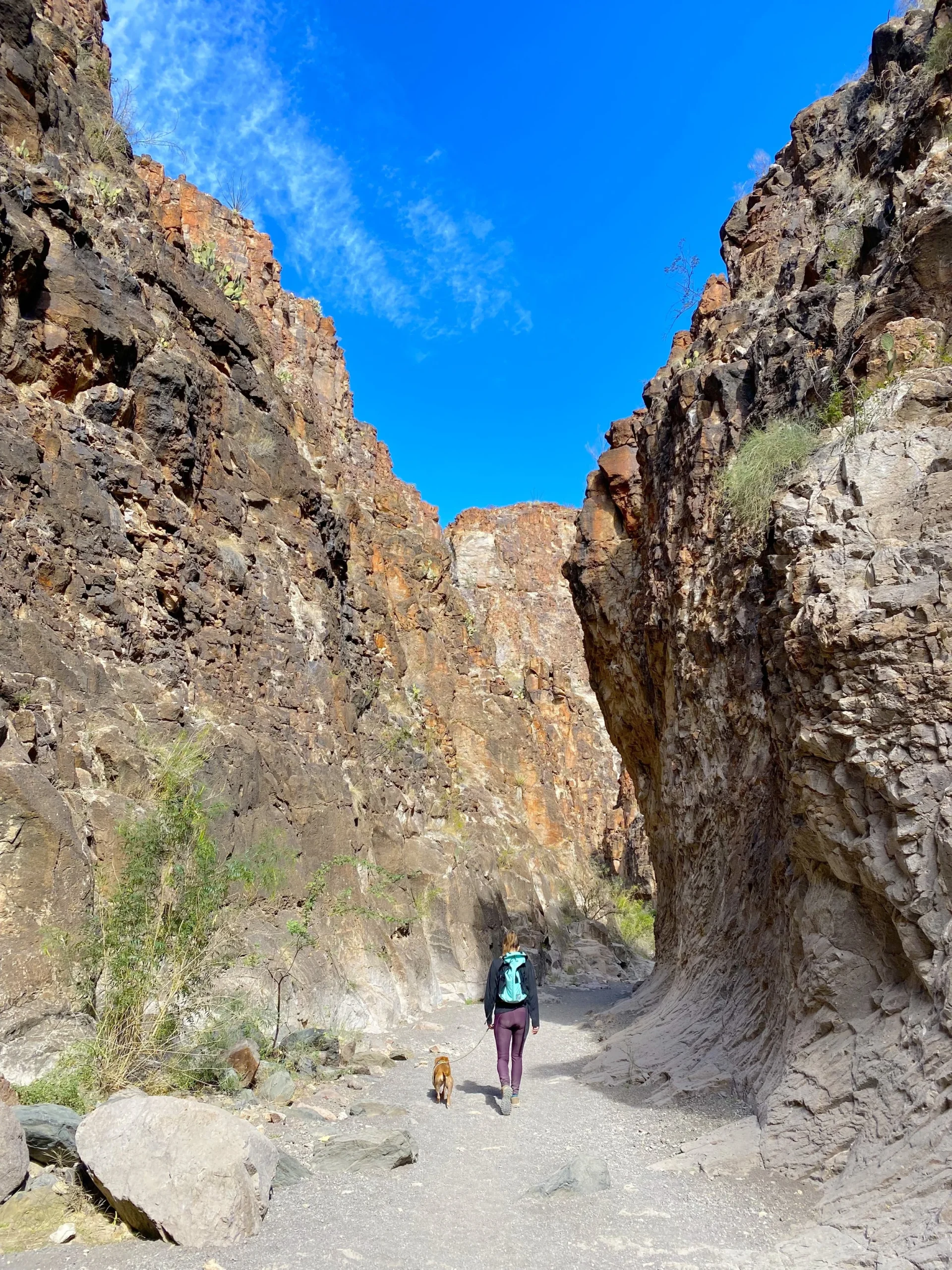
Exploring Big Bend Ranch State Park is an unforgettable adventure, but the Chihuahuan Desert demands respect. Extreme temperature swings, sharp terrain, and sparse cell coverage mean careful preparation is mandatory.
Critical Desert Safety Rules
- Hydration Strategy: Plan for a minimum of 1 gallon (4 liters) of water per person, per day, and carry even more during warmer months. Drink consistently—do not wait until you feel thirsty. Keep extra water stored in your vehicle in insulated bottles.
- Beat the Desert Heat: Avoid hiking during the hottest hours of the day (11:00 AM – 4:00 PM). Schedule your longer trail hikes for early morning or late afternoon.
- Electrolytes Are Mandatory: Drinking pure water alone on hot desert hikes can lead to hyponatremia. Pack sugar-free electrolyte powder packets to mix into your water to replenish essential sodium and minerals.
- Navigation & Emergency Preparedness: Download all offline trail maps and driving routes before leaving Lajitas or Presidio. Consider carrying a satellite messenger or personal locator beacon (PLB) if you plan on exploring deep into the 4×4 interior backcountry.
- Watch the Weather: Desert flash floods can occur quickly, even if it isn’t raining directly above you. Never cross flooded washouts or camp in dry creek beds if rain is forecasted upstream.
Essential Gear & Packing List
Having spent a season working right next door to the park and exploring these desert trails firsthand, here are the exact essentials we rely on to stay safe and comfortable out in the West Texas heat:
Hydration & Electrolytes: We aim for at least 1 gallon of water per person each day. Storing cold water in our durable Simple Modern insulated water bottles keeps our water ice-cold even during long, hot desert drives and exposed trail hikes. Since plain water isn’t enough when sweating in the dry desert heat, we always mix in LMNT sugar-free electrolyte packets to replenish essential sodium and minerals without any added sugar.
Tested Trail Footwear: Desert trails feature loose gravel, sharp cactus spines, and rocky descents. I’ve worn my Columbia Newton Ridge Plus Hiking Boots for over five years, and they provide the exact traction and ankle support needed for uneven desert terrain. We also carry Montem Ultra Strong Trekking Poles, which are a total lifesaver for joint stability when descending steep, sandy trails.
Sun Protection & Apparel: The desert sun is intense year-round. I rely on my FURTALK Wide Brim Sun Hat and a pair of SOJOS polarized sunglasses to block out glares off the light-colored desert rocks. Pairing those with a lightweight Soothfeel UPF 50+ Sun Protection Hoodie keeps skin protected and surprisingly cool without having to reapply sunscreen constantly.
Mineral Sunscreen: For exposed skin, we always keep Earth Mama Mineral Sunscreen SPF 40 in our pack and apply it regularly throughout the day.
Desert Trail Dog Safety: If you bring your dogs along for frontcountry trails like Closed Canyon or the Hoodoos, keep them on a 6-foot leash at all times (we use our Mountain Dog Leashes for extra durability). Desert rocks get scorching hot by midday—protect their paws from burns, thorns, and sharp rocks with Covertsafe dog booties, and always pack a collapsible water bowl so they stay just as hydrated as you are.
Frequently Asked Questions About Big Bend Ranch State Park
1. Do I need a 4WD vehicle to visit Big Bend Ranch State Park?
Not for everything! You can visit popular frontcountry stops along paved FM 170—including Closed Canyon, The Hoodoos, and various river access points—in a standard 2WD vehicle. However, if you plan to drive into the park interior toward Sauceda Ranger Station, explore backcountry trails, or camp at primitive interior sites, a high-clearance 4WD vehicle with durable tires is strictly required.
2. Is Big Bend Ranch State Park dog-friendly?
Yes, but with limitations. Pets are allowed on a 6-foot leash on designated frontcountry trails along the FM 170 river corridor (such as Closed Canyon and The Hoodoos) and within campsite areas. Dogs are generally restricted from deeper backcountry trails to protect local wildlife and prevent paw injuries on sharp terrain. Always equip your dog with booties to protect against hot rocks and desert thorns.
3. Does the Texas State Parks Pass work at Big Bend Ranch?
Yes! The Texas State Parks Pass covers entry fees for everyone in your vehicle at Big Bend Ranch State Park, as well as Barton Warnock Visitor Center and Fort Leaton State Historic Site. Note that while pass holders enter for free, daily camping fees and permits still apply.
4. Can I fly a drone in Big Bend Ranch State Park?
No. Drones are strictly prohibited in all Texas State Parks without a specific written permit issued in advance by the park superintendent for scientific or filming purposes.
5. What is the difference between Big Bend National Park and Big Bend Ranch State Park?
While they sit side-by-side along the Rio Grande, Big Bend National Park is run by the National Park Service and features paved roads, lodges, major visitor centers, and heavy tourist crowds. Big Bend Ranch State Park is Texas’ largest state park and offers a far more rugged, primitive, and uncrowded wilderness experience with strict 4×4 dirt roads in its interior.
Is Big Bend Ranch State Park Worth Visiting?
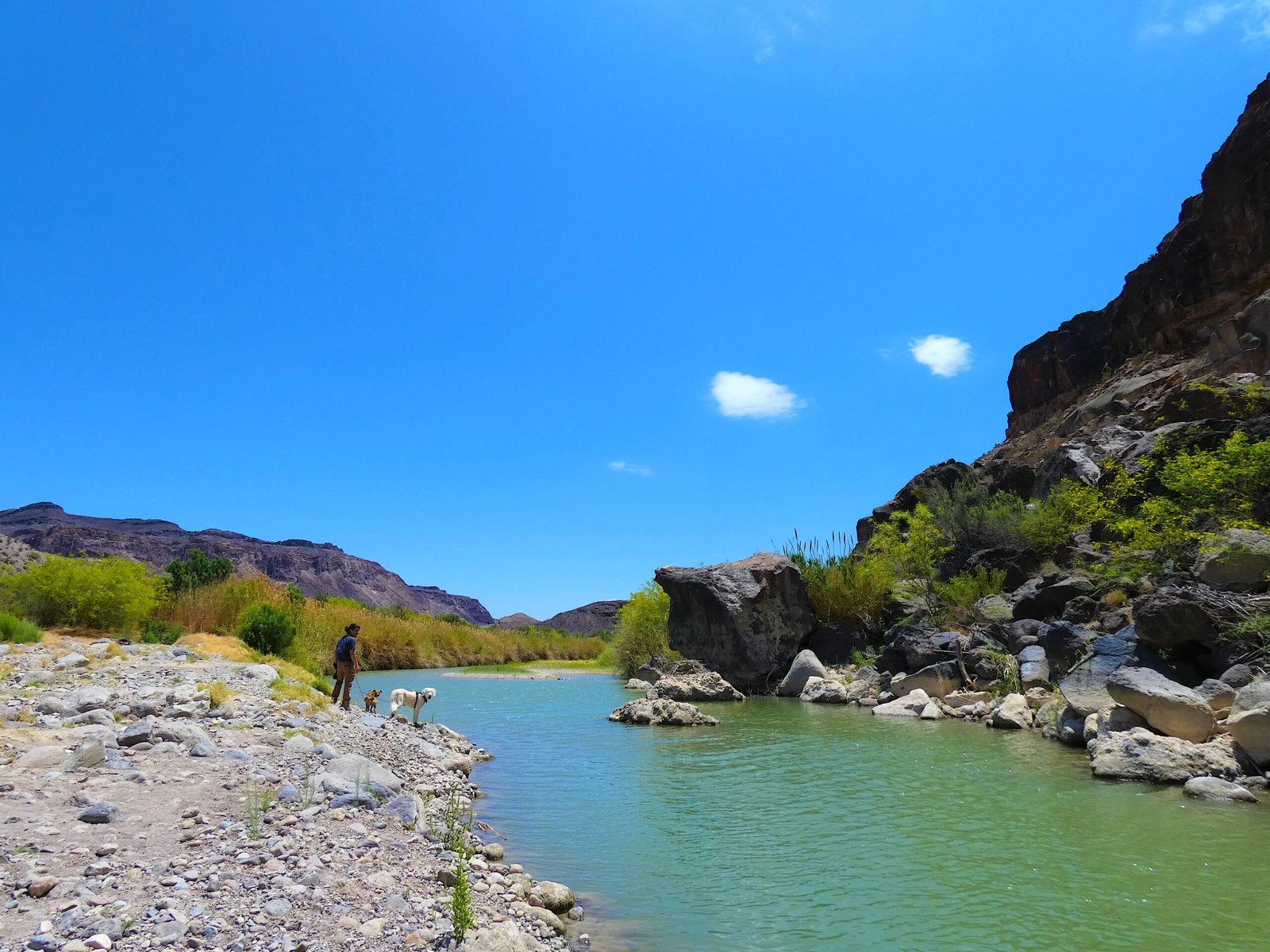
If you are looking for an off-the-beaten-path adventure filled with dramatic desert landscapes, towering slot canyons, and serene starry nights, Big Bend Ranch State Park is an absolute must-visit. Whether you spend a single afternoon cruising the scenic bends of FM 170, floating through the basalt walls of Colorado Canyon, or tackling a rugged backcountry trekking itinerary, this untamed stretch of West Texas delivers an unforgettable wilderness experience.
Having lived and worked right next door at Lajitas, I can promise that the raw, quiet magic of the “Other Big Bend” will stay with you long after you leave.
Have questions about planning your trip, or wondering how to combine Big Bend Ranch State Park with neighboring Big Bend National Park? Drop a comment below!
Helpful Links & Resources
To help you finalize your itinerary, book permits, and check current park conditions, bookmark these official links and local recommendations:
- Official Park Planning: Texas Parks & Wildlife Department (TPWD) – Big Bend Ranch State Park
- Permit & Campsite Reservations: Texas State Parks Reservation System
- Local River Outfitters: Check with Far Flung Outdoor Center or Desert Sports in Terlingua for guided river trips, shuttle services, and mountain bike rentals.
- Mountain Biking Info: Learn more about the IMBA-designated Fresno-Sauceda Epic Ride and the annual Chihuahuan Desert Bike Fest.
Our Go-To Desert Gear for Big Bend Ranch State Park
Outfitting yourself correctly for the Chihuahuan Desert makes all the difference between an exhausting trip and an incredible adventure. Having spent years exploring these rugged trails, these are the exact gear items we personally rely on:
- Simple Modern Insulated Water Bottles: Keeps water ice-cold through blistering afternoon heat.
- LMNT Sugar-Free Electrolyte Packets: Essential for replenishing sodium and preventing cramping without extra sugar.
- Columbia Newton Ridge Plus Hiking Boots: Durable, high-traction boots that hold up against sharp desert rocks and loose gravel.
- Montem Ultra Strong Trekking Poles: A lifesaver for joint stability on steep, sandy descents.
- FURTALK Wide Brim Sun Hat: Superior shade for exposed face and neck exposure.
- SOJOS Polarized Sunglasses: Crucial for cutting the harsh glare off light-colored desert stone.
- Soothfeel UPF 50+ Sun Protection Hoodie: Lightweight coverage that keeps you cool without constant sunscreen reapplication.
- Earth Mama Mineral Sunscreen SPF 40: Reliable, reef-safe mineral protection for exposed skin.
- Mountain Dog Leashes: Built tough for rugged outdoor excursions.
- Covertsafe Dog Booties: Protects canine paws from scorching hot ground, sharp thorns, and jagged rock.