
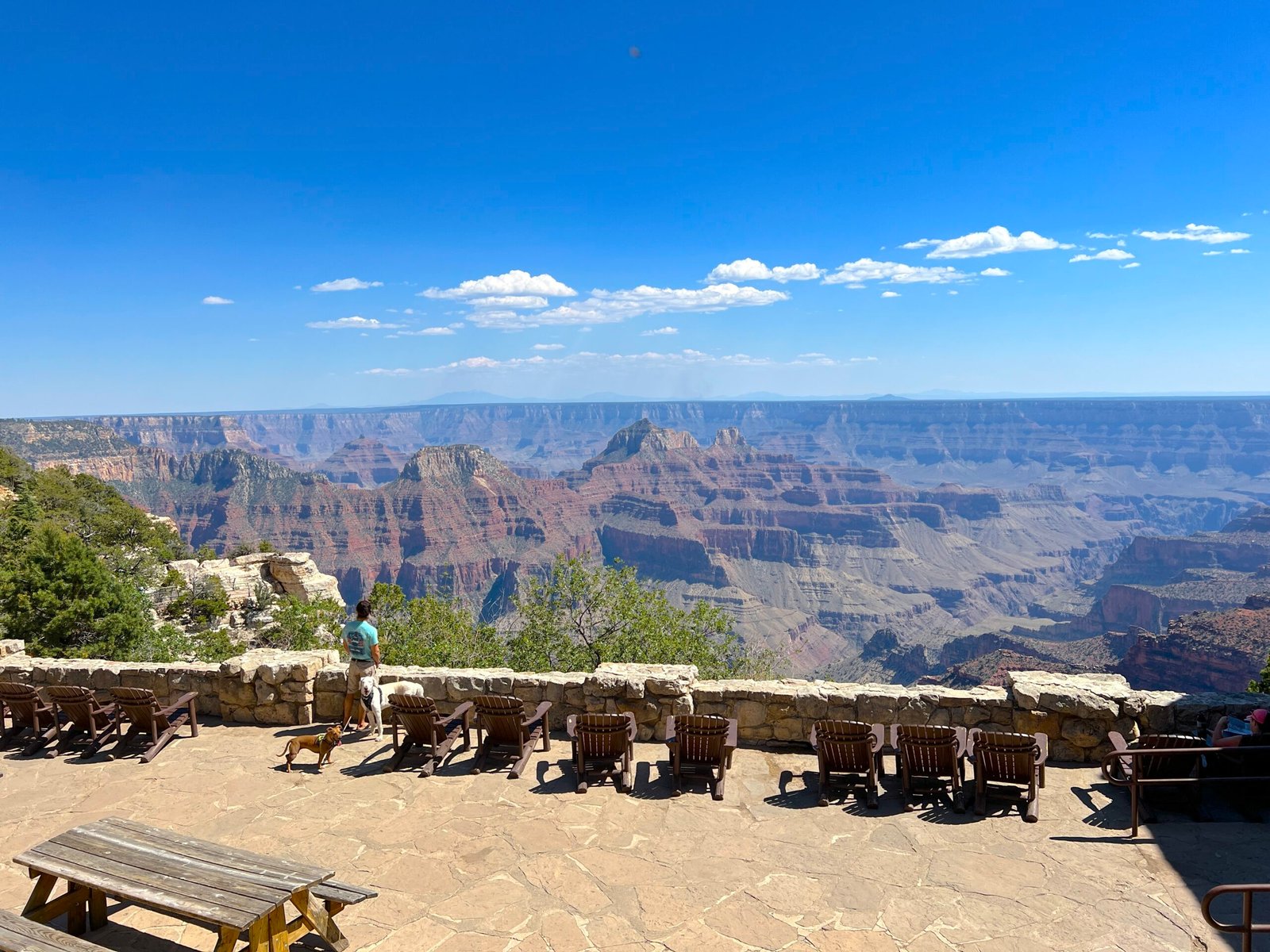
Grand Canyon’s North Rim is a remote, peaceful alternative to the busy and highly developed South Rim. With only about 10% of the park’s annual visitors, the North Rim is ideal for travelers who want the same breathtaking Grand Canyon views but with a quieter, more secluded experience.
This side of the canyon offers scenic hiking trails, a historic lodge, jaw‑dropping overlooks, and beautiful forested drives. Sitting over 8,000 feet in elevation and surrounded by the lush Kaibab National Forest, the North Rim feels like a hidden alpine oasis — the kind of place that makes you forget you’re still in Arizona.
This post contains affiliate links, so we may earn a small commission when you make a purchase through links on our site at no additional cost to you.
A look at what this guide includes
- Park Details — entrance fees, pet policy, & operating season.
- Getting to the North Rim — driving routes, travel times, & what to expect when you arrive.
- Best Time to Visit the North Rim — seasonal access, weather, and what to expect at 8,000 feet.
- Amenities Nearby — lodging, campgrounds, and food options outside the park.
- Park Amenities — updated 2026 information on what’s open, what’s closed, and available services.
- Top Things to Do — the best viewpoints, trails, and scenic drives at the North Rim.
- One‑Day North Rim Itinerary — a detailed, stop‑by‑stop plan for exploring the North Rim in one day.
- What to Know Before Your Trip — essential tips for visiting during the 2026 season.
- FAQ — answers to common questions about visiting the North Rim.
- Helpful Links — official resources and nearby services to help plan your trip.
Quick Overview of the North Rim
The North Rim of the Grand Canyon offers a quieter, more secluded experience than the busy South Rim, with cooler temperatures, dense forests, and sweeping canyon views from over 8,000 feet. It’s a seasonal destination—open only from mid‑May through mid‑October—and feels remote in the best way. Because the 2025 Dragon Bravo Fire destroyed the lodge and visitor center, services are limited for 2026, but the viewpoints, scenic drives, and trails remain open and as stunning as ever. If you’re looking for wide‑open overlooks, peaceful walks along the rim, and a full day surrounded by high‑country beauty, the North Rim delivers a truly unforgettable experience.
Park Details
Before you begin your one‑day North Rim itinerary, it’s helpful to know a few key details about this remote side of Grand Canyon National Park. From entrance fees and seasonal access to pet rules and driving logistics, these essentials will make planning your visit smoother and ensure you’re prepared for the unique conditions at the North Rim.
Entrance Fees
Grand Canyon National Park charges a standard entrance fee for all visitors, including those heading to the North Rim. The fee is $35 per vehicle, $30 for motorcycles, or $20 per person for walk‑ins and cyclists. Your pass is valid for seven consecutive days and covers both the North Rim and South Rim. If you plan to visit multiple national parks throughout the year, the America the Beautiful Pass ($80 annually) is the best value.
Pet Policy
Pets are welcome at the Grand Canyon North Rim, but their access is limited. Leashed pets are allowed in developed areas such as parking lots, campgrounds, and along paved paths, including the bridle trail that connects the North Kaibab Trailhead to the Grand Canyon Lodge. Pets are not permitted on most hiking trails or inside buildings. If you’re traveling with a dog, plan your day around the designated pet‑friendly areas and never leave pets unattended due to the remote location and wildlife activity.
Operating Season & Road Closures
The Grand Canyon North Rim is only open for a short season each year due to heavy snowfall and its high elevation. All visitor services—including the lodge, campground, and ranger station—operate from May 15 through October 15. After mid‑October, State Route 67 closes for the winter, and the North Rim becomes completely inaccessible by car until spring. If you’re planning a one‑day visit, make sure your trip falls within the official operating season, as there are no winter services, plowed roads, or emergency facilities available once the area shuts down.
Getting to the North Rim (Driving Directions)
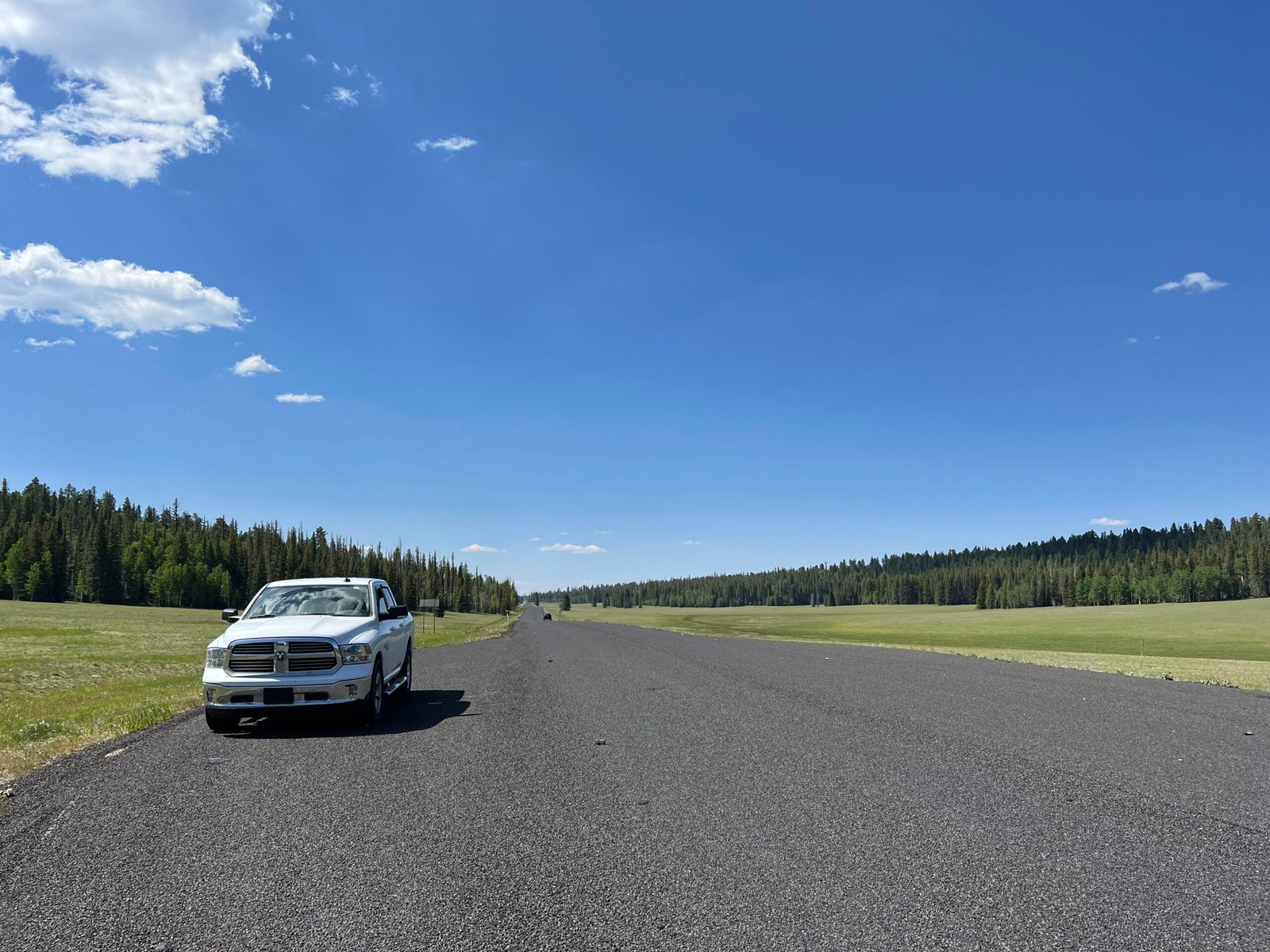
The Grand Canyon North Rim is one of the most remote areas in the national park, and reaching it requires a bit of planning. The only road into the North Rim is State Route 67, a scenic 40‑mile drive south from Jacob Lake. Travelers coming from Page, Kanab, or Zion will all pass through Jacob Lake before continuing to the rim. Because services are limited along the route, make sure you have a full tank of gas, plenty of water, and everything you need for the day before leaving Jacob Lake. Once you’re on Highway 67, there are no additional towns, gas stations, or stores until you reach the North Rim.
- Kanab, UT – 80 miles or 1.5 hours
- Zion National Park – 121 miles or 2.5 hours
- Page, AZ – 123 miles or 2.5 hours
- Grand Canyon South Rim – 197 miles or 3.5 hours
- Las Vegas, NV – 264 miles or 4.5 hours
- Phoenix, AZ – 351 miles or 6 hours
Nearest Airports
The Grand Canyon North Rim is far from major cities, so most visitors fly into Harry Reid International Airport (LAS) in Las Vegas. It’s the closest large airport with plenty of flight options, rental cars, and services. From Las Vegas, it’s about 264 miles or roughly 4.5 hours to the North Rim. Smaller regional airports exist in Page and St. George, but Las Vegas remains the most convenient and reliable choice for travelers planning a one‑day visit.
Best Time to Visit the North Rim
The best time to visit the Grand Canyon North Rim is late spring through early fall, when the park is fully open and all services are available. Because the North Rim sits over 8,000 feet in elevation, temperatures stay cooler than the South Rim, making June through September ideal for hiking and scenic drives. Early summer brings lush forest views, while late summer and early fall offer crisp air and fewer crowds. Snow arrives early at this elevation, so visiting outside the official operating season isn’t possible. For the most comfortable weather and the best chance at clear canyon views, plan your trip between June and September.
May to October
This is the official operating season for the Grand Canyon North Rim. All park lodging, trails, and visitor services are open, and the main park road—including all scenic drives—is fully accessible. Weather is ideal for hiking and sightseeing, with daytime highs in the 70s and nighttime lows in the 40s. Water is available throughout the developed areas, making this the most comfortable and convenient time to visit.
November to April
The North Rim closes completely for winter due to heavy snowfall and limited access. All park services shut down, and nearby roads—including State Route 67—are closed. The area receives an average of 12 feet of snow each winter. Winter camping is technically allowed at the North Rim Campground, but only with a permit and a 45‑mile hike from Jacob Lake, the nearest place you can park. For most travelers, visiting during the winter months isn’t practical or possible.
Park Amenities
(Updated for 2026 Dragon Bravo Fire recovery)
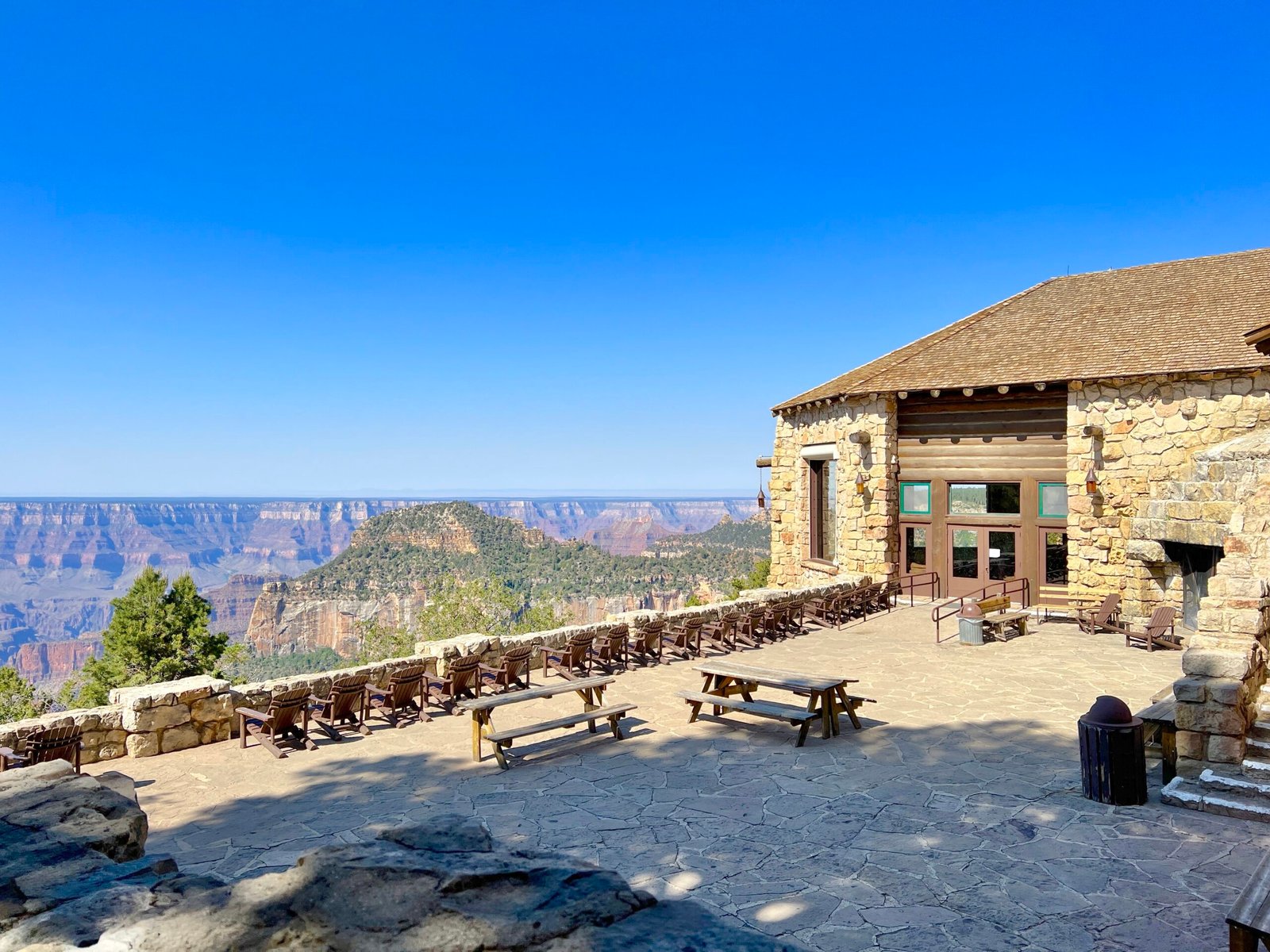
The North Rim is open for the 2026 season, but services are very limited due to the Dragon Bravo Fire, which destroyed the historic Grand Canyon Lodge, cabins, visitor center, and many other structures in July 2025. Facilities are slowly reopening, but visitors should expect a more rugged, pared‑down experience this year.
North Rim Visitor Center
The historic Visitor Center was destroyed in the 2025 fire, and as of the 2026 season, it has not been rebuilt. Visitors will find temporary information stations staffed by rangers, but there is no permanent building, museum exhibit, or indoor services. Water availability may be limited depending on ongoing infrastructure repairs.
Grand Canyon Lodge
The Grand Canyon Lodge was completely destroyed during the Dragon Bravo Fire and is not operational for the 2026 season. All lodging inside the North Rim remains closed, and there are no cabins, dining room, saloon, or gift shop available. Overnight lodging at the North Rim is not offered at all this year.
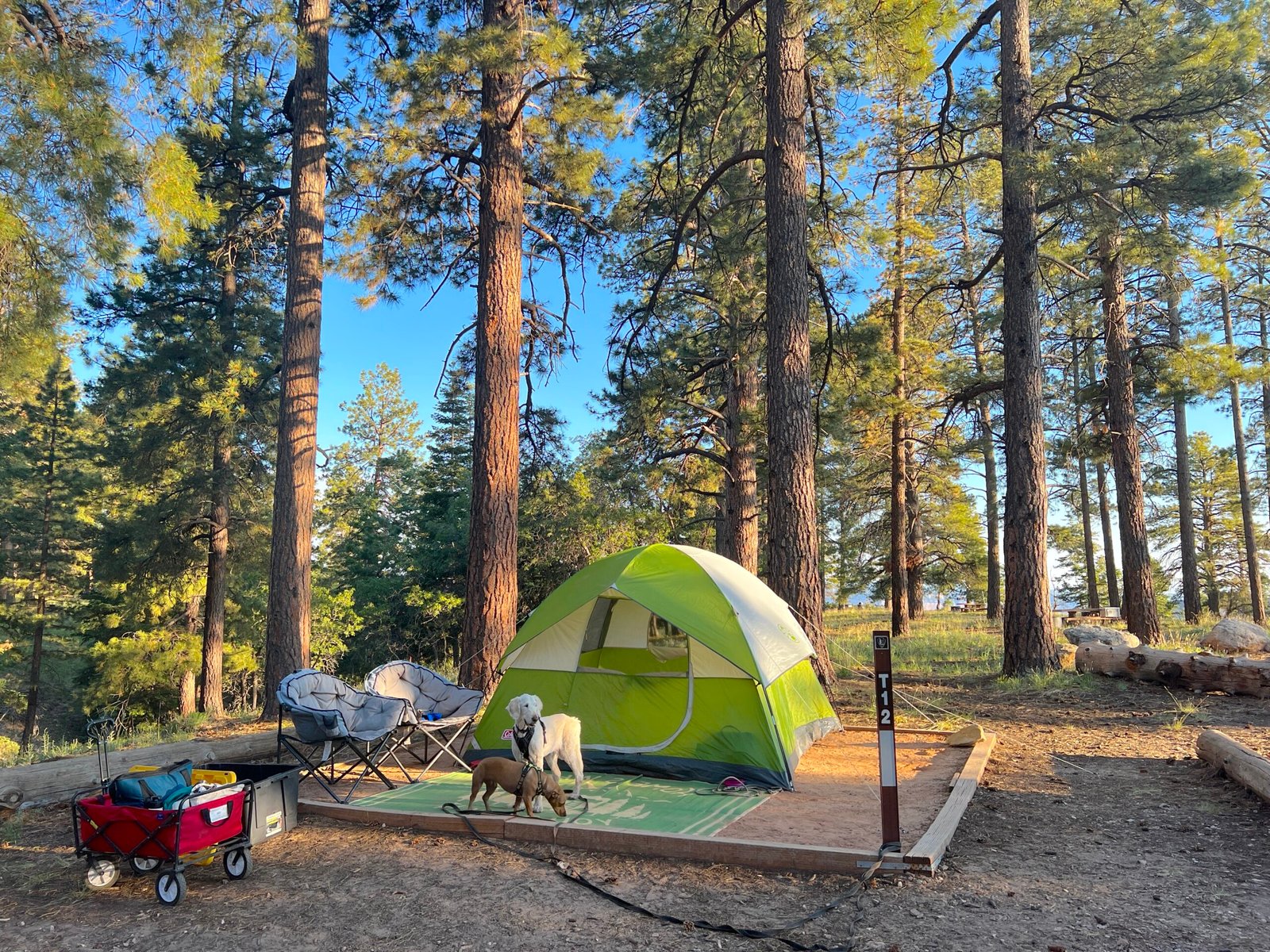
North Rim Campground
The North Rim Campground reopened June 1, 2026 for the first time since the fire. Many structures were lost, but the campground is operational with basic services restored. Reservations are available through October 15.
- 87 sites
- Picnic tables & fire pit grills
- Restrooms and water (restored but limited)
- Dump station
- Camp store with firewood, food, drinks, and essentials
Sites are $18 per night, and reservations are required.
Amenities Nearby
Even with limited services inside the North Rim for the 2026 season, you’ll still find helpful amenities in the surrounding Kaibab National Forest and the small community of Jacob Lake. These nearby stops offer lodging, camping, food, and basic supplies for travelers heading to or from the North Rim.
Kaibab National Forest
Located just north of the park, Kaibab National Forest offers a few seasonal amenities that are especially useful now that the North Rim has reduced services.
DeMotte Campground
Open seasonally, DeMotte Campground sits 17 miles outside the park and offers 38 dry camping sites surrounded by pines and aspens. It’s a quiet alternative if the North Rim Campground is full or if you prefer a more rustic experience.
Kaibab Lodge
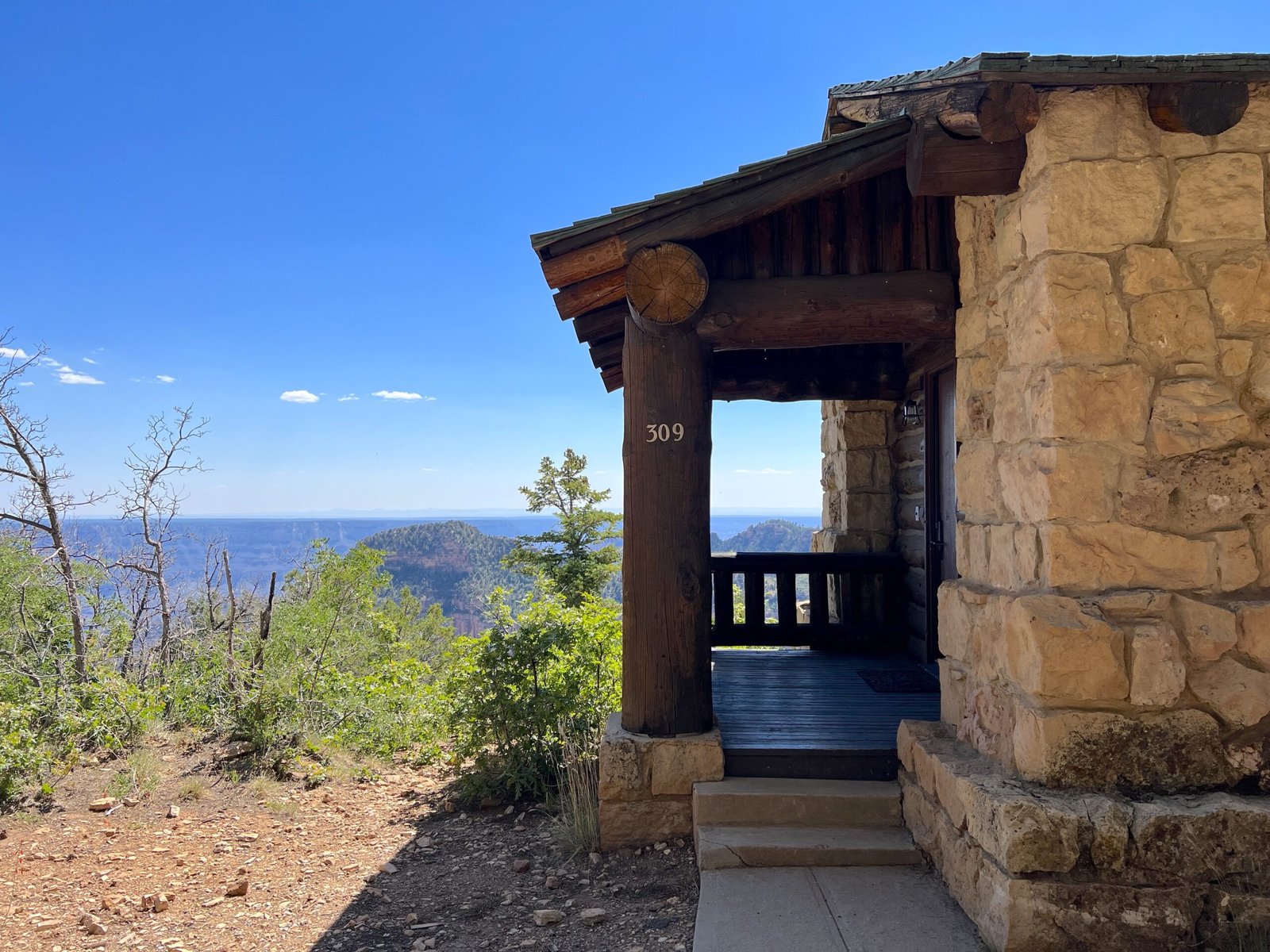
Open year‑round, Kaibab Lodge provides rustic log‑cabin style lodging tucked into a forest of quaking aspens and ponderosa pines. It’s one of the closest lodging options to the North Rim now that the Grand Canyon Lodge is closed.
North Rim Country Store & Food Truck
This small stop offers coffee, handmade snacks, drinks, and road‑trip essentials. It’s a convenient place to grab last‑minute items before heading into the park.
Jacob Lake
Located 30 miles from the North Rim entrance, Jacob Lake is the main hub for services in the area. Here you’ll find lodging, campgrounds, a restaurant, and a small store. Jacob Lake is best known for its homemade cookies and soft‑serve ice cream, a favorite stop for travelers heading to or from the North Rim.
What’s Open at the North Rim in 2026
The North Rim is open for the 2026 season, but several facilities remain closed after the 2025 Dragon Bravo Fire. Here’s what you can expect during your visit this year.
Is the North Rim open in 2026?
Yes. The North Rim is open for the 2026 season, but services are extremely limited due to the 2025 Dragon Bravo Fire. Scenic drives, viewpoints, trails, and the campground are open. The lodge and visitor center remain closed.
Can I stay overnight at the North Rim?
Not inside the park. The Grand Canyon Lodge and cabins were destroyed in the fire and are not operating in 2026. The North Rim Campground is open with reservations required. For lodging, the closest options are Kaibab Lodge and accommodations in Jacob Lake.
Is water available at the North Rim?
Water availability varies. Infrastructure repairs are ongoing, and temporary outages are possible. Bring plenty of water—at least 1 gallon per person for a full day.
Are the scenic drives open?
Yes. Both Point Imperial Road and Cape Royal Road are open during the summer season. These drives offer access to the best viewpoints on the North Rim.
Is Bright Angel Point open?
Yes. The trail to Bright Angel Point is open and remains one of the most popular viewpoints on the North Rim.
Can I get food inside the park?
No. With the lodge closed, there is no dining inside the North Rim. Pack your own food and snacks. The North Rim Country Store (outside the park) offers limited grab‑and‑go items.
Top Things to Do at the North Rim
Even with limited services for the 2026 season, the Grand Canyon North Rim still offers incredible viewpoints, quiet trails, and some of the most peaceful canyon scenery in the entire national park. Here are the top things to do during a one‑day visit.
Bright Angel Point
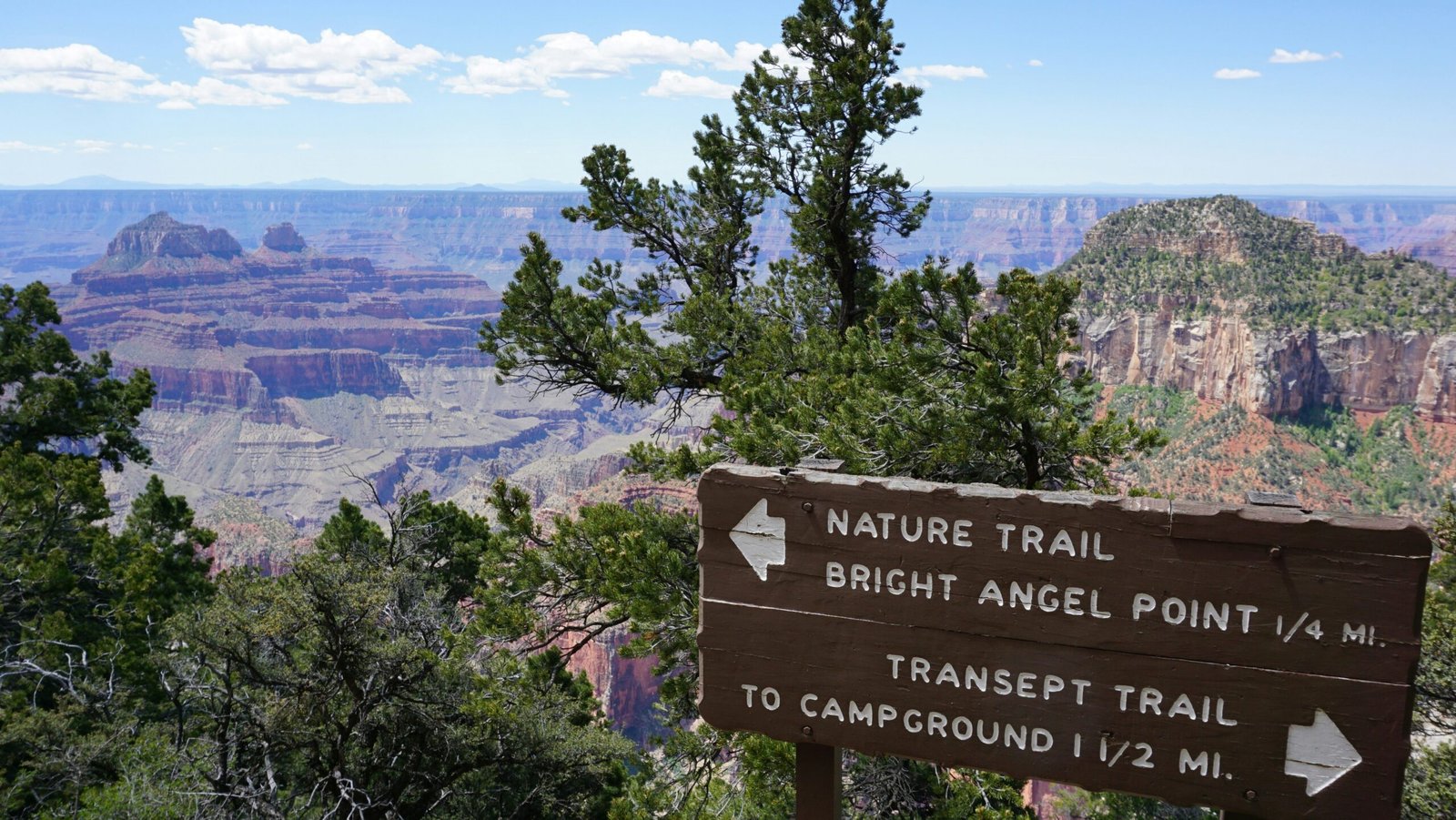
A short, paved walk leads to one of the most dramatic viewpoints on the North Rim. The trail follows a narrow ridge with sweeping canyon views on both sides, making it a must‑see stop for any visitor. This is the best place for sunrise or sunset if you only have one day.
Point Imperial
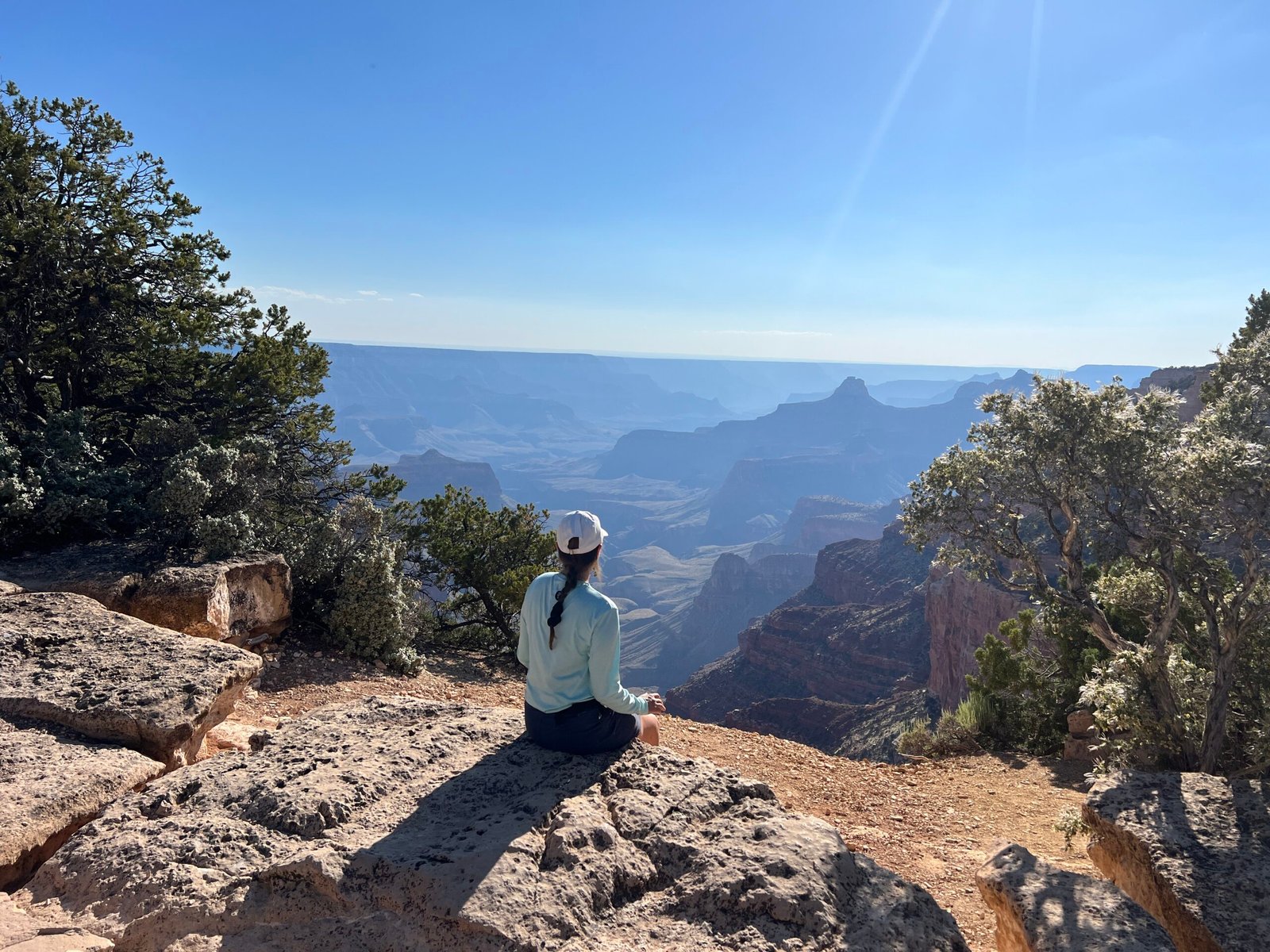
At 8,803 feet, Point Imperial is the highest viewpoint in Grand Canyon National Park. The drive is scenic, and the overlook offers views of the Painted Desert, the Navajo Nation, and the eastern edge of the canyon. It’s quieter than the main rim area and perfect for photography.
Cape Royal
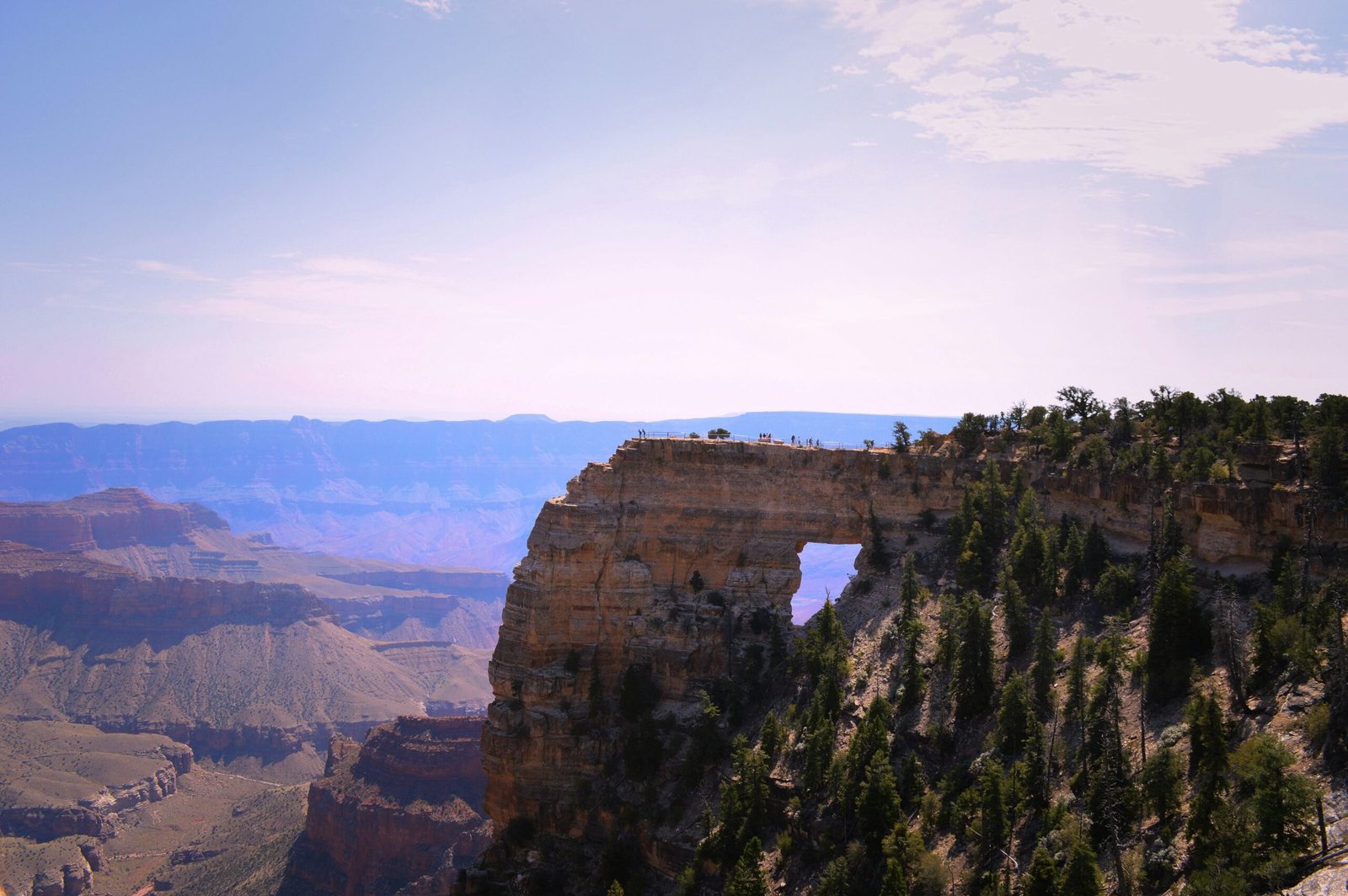
Cape Royal is one of the most iconic viewpoints on the North Rim, known for its wide, panoramic views and the famous Angel’s Window arch. The short trail is easy and family‑friendly, and the overlook is stunning at golden hour.
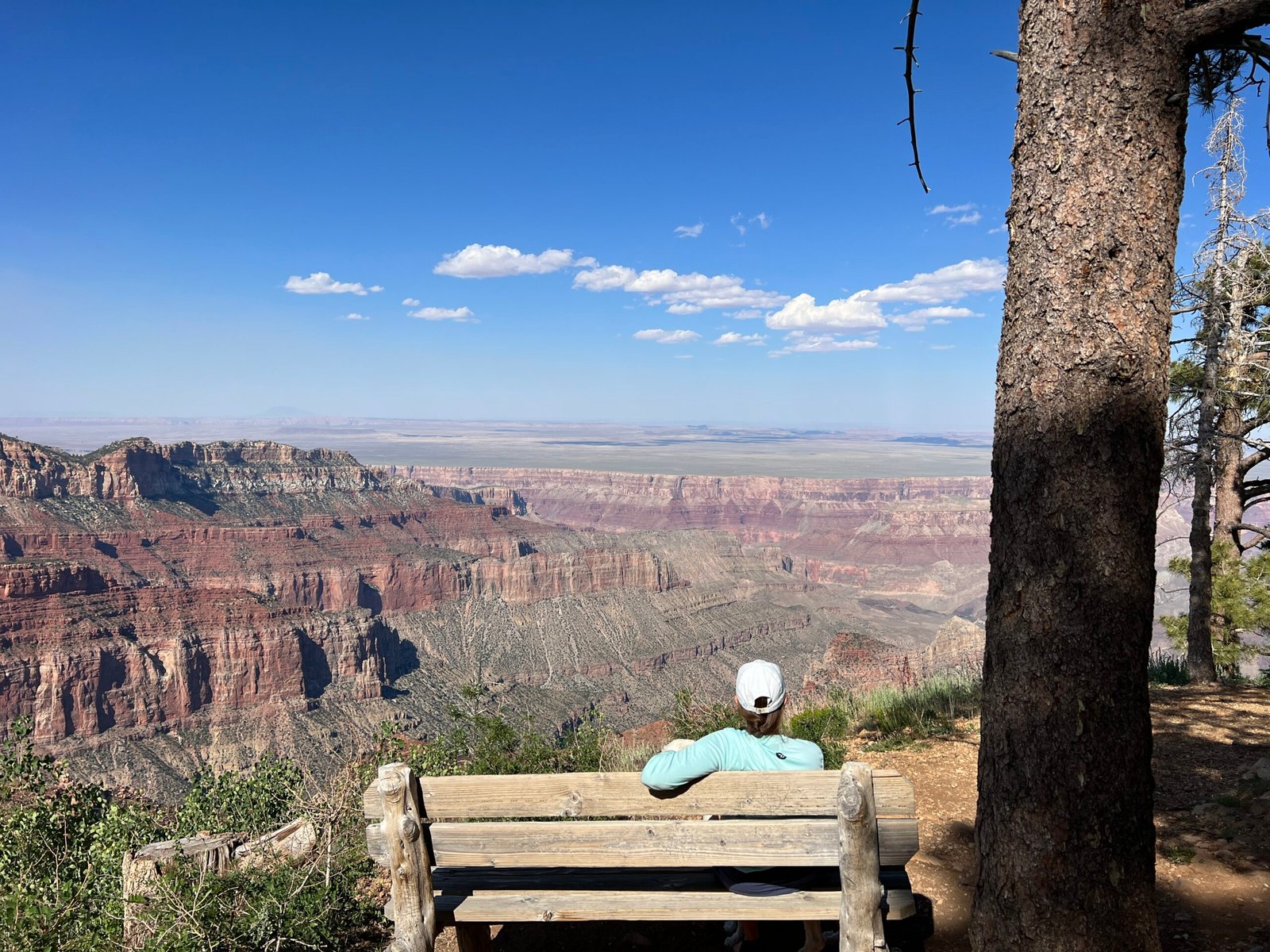
Roosevelt Point
A peaceful stop along the Cape Royal Road, Roosevelt Point offers a quiet overlook with benches and a short trail. It’s a great place to take a break, enjoy the forest, and soak in canyon views without crowds.
North Kaibab Trail (First Mile)
The full trail descends deep into the canyon, but even hiking the first mile gives you a taste of the North Rim’s rugged beauty. The trailhead is still accessible for 2026, and the upper section offers forest views, canyon drop‑offs, and cooler temperatures than the South Rim.
Scenic Drives
With the lodge and visitor center gone, scenic drives have become one of the best ways to experience the North Rim. The roads to Point Imperial and Cape Royal remain open during the summer season and offer some of the most beautiful forest‑to‑canyon transitions in the park.
South Rim vs. North Rim: A Quick Comparison
If you’re deciding between the South Rim and the North Rim, here’s a quick side‑by‑side look at how they differ so you can choose the experience that fits your trip.
- Open Year‑Round vs. Seasonal Access
- South Rim: Open all year with full services.
- North Rim: Open mid‑May through mid‑October only.
- Crowds & Atmosphere
- South Rim: Busy, popular, and highly developed.
- North Rim: Quiet, remote, and peaceful with fewer visitors.
- Amenities & Services
- South Rim: Multiple lodges, restaurants, shuttle buses, visitor centers.
- North Rim: Limited services in 2026 due to fire recovery; no lodge or visitor center.
- Viewpoints & Scenery
- South Rim: Classic Grand Canyon views like Mather Point, Yavapai Point, and Desert View.
- North Rim: High‑elevation overlooks with dramatic drop‑offs and forested surroundings.
- Accessibility
- South Rim: Easier to reach from Phoenix, Flagstaff, and Williams.
- North Rim: Longer drive, more remote, and accessed via Highway 67.
- Elevation & Weather
- South Rim: Around 7,000 feet with warmer conditions.
- North Rim: Over 8,000 feet with cooler temperatures and alpine forests.
- Best For
- South Rim: First‑time visitors, families, and travelers wanting full amenities.
- North Rim: Travelers seeking solitude, cooler weather, and quieter viewpoints.
Both rims offer incredible canyon views, but the right choice depends on whether you prefer convenience and classic overlooks or a quieter, high‑country escape.
Which Rim Should You Choose?
If you want the classic Grand Canyon experience with year‑round access, plenty of lodging, restaurants, and shuttle routes, the South Rim is the best fit. It’s ideal for first‑time visitors, families, and anyone who prefers convenience and a wide variety of viewpoints and activities.
If you’re looking for cooler temperatures, quieter trails, dramatic high‑elevation overlooks, and a more peaceful day in the canyon, the North Rim is the better choice. It’s remote, scenic, and uncrowded — perfect for travelers who want a slower, more immersive experience.
Most visitors enjoy both rims at some point, but if your goal is solitude, forested canyon views, and a full day surrounded by high‑country beauty, the North Rim delivers exactly that.
If the South Rim sounds more like your style, you can read my full guide, One Day at the Grand Canyon South Rim: Complete Itinerary.
One‑Day North Rim Itinerary
This itinerary is designed for a full day at the Grand Canyon North Rim during the 2026 season. With limited services and no lodge or visitor center, the focus is on viewpoints, scenic drives, and quiet trails that showcase the North Rim’s dramatic scenery.
Morning
Bright Angel Point (Sunrise or Early Morning)
Start your day at Bright Angel Point, one of the most iconic viewpoints on the North Rim. The short, paved trail follows a narrow ridge with sweeping canyon views on both sides. Morning light brings soft colors across the canyon walls, and temperatures are cool and comfortable. Plan 30–45 minutes here for walking, photography, and soaking in the views.
North Kaibab Trail (First Mile)
Next, head to the North Kaibab Trailhead for a short hike. You don’t need to go far—just the first mile offers forested canyon views, cooler temperatures, and a taste of the rugged terrain that makes the North Rim so special. This section is well‑maintained and accessible for 2026.
Plan 1–1.5 hours depending on pace.
Midday
Point Imperial
Drive out to Point Imperial, the highest viewpoint in Grand Canyon National Park at 8,803 feet. The overlook offers views of the Painted Desert, the Navajo Nation, and the eastern edge of the canyon. It’s quieter than the main rim area and perfect for photography.
Plan 30–45 minutes.
Picnic Lunch at a Forest Overlook
With the lodge gone for 2026, pack a picnic lunch and enjoy it at one of the pullouts along the Point Imperial Road or Cape Royal Road. These forest‑to‑canyon transitions are some of the most beautiful in the park.
Plan 30 minutes.
Afternoon
Cape Royal
Continue your scenic drive to Cape Royal, one of the most panoramic viewpoints on the North Rim. The short, easy trail leads to wide canyon views and the famous Angel’s Window arch. This area is stunning in the afternoon when the sun lights up the canyon’s layers.
Plan 45–60 minutes.
Roosevelt Point
On your way back, stop at Roosevelt Point for a quieter overlook. Benches and a short trail make it a peaceful place to rest, enjoy the forest, and take in canyon views without crowds.
Plan 15–20 minutes.
Evening
Return to the Main Rim Area
Head back toward the main rim area for a relaxed evening. With limited services in 2026, this is a great time to explore the rim, take photos, or simply enjoy the quiet atmosphere.
Sunset at Bright Angel Point or Cape Royal
If you have the energy, return to Bright Angel Point for sunset—its ridge‑line views are spectacular as the canyon glows gold and red.
If you prefer a longer drive, Cape Royal is equally beautiful at golden hour.
Optional: Night Sky Viewing
The North Rim is one of the darkest places in the Southwest. If skies are clear, stay a bit longer for stargazing. With no lodge lights and minimal infrastructure this year, the night sky is even more dramatic.
Timing Overview
- Sunrise: Bright Angel Point
- Morning: North Kaibab Trail
- Late Morning: Drive to Point Imperial
- Lunch: Picnic along the scenic drive
- Afternoon: Cape Royal + Roosevelt Point
- Evening: Return to rim area
- Sunset: Bright Angel Point or Cape Royal
- Optional: Stargazing
What to Know Before Your Trip
Limited Services for 2026
The Dragon Bravo Fire destroyed the Grand Canyon Lodge, Visitor Center, and several support buildings, so services at the North Rim are extremely limited this season. There is no indoor lodging, no dining, and no traditional visitor center. Temporary ranger stations may be available, but plan to be fully self‑sufficient during your visit.
Pack Plenty of Water
Water availability at the North Rim can fluctuate due to ongoing infrastructure repairs. Bring more water than you think you’ll need—especially if you plan to hike. A minimum of 1 gallon per person is recommended for a full day. We use Simple Modern Insulated Water Bottles because they keep water cold all day, even in intense heat.
Fuel Up Before Entering the Park
There are no gas stations inside the North Rim. Fill your tank at Jacob Lake or Fredonia before driving in. The scenic roads are long, remote, and have no services.
Expect Cooler Temperatures
The North Rim sits over 8,000 feet in elevation, so temperatures are much cooler than the South Rim. Even in summer, mornings and evenings can drop into the 40s. Pack layers, especially if you’re planning sunrise or sunset stops.
Bring Food & Snacks
With the lodge closed, there is no restaurant or café inside the park. Pack a full lunch, snacks, and drinks for the day. The North Rim Country Store (outside the park) offers limited grab‑and‑go items, but options are minimal.
Check Road Conditions
State Route 67 is the only road into the North Rim and is closed from mid‑October through mid‑May. Even during the operating season, temporary closures can occur due to weather or fire recovery work. Check current conditions before you go.
Cell Service Is Limited
Cell coverage at the North Rim is spotty to nonexistent. Download maps, trail info, and offline navigation before entering the park. Let someone know your plans if you’re hiking.
Wildlife on the Roads
Deer, bison, and other wildlife frequently cross the roads leading to the North Rim. Drive slowly, especially at dawn and dusk, and stay alert on forested stretches.
Leave No Trace
With limited staff and infrastructure this season, it’s more important than ever to pack out all trash, stay on designated trails, and respect wildlife. The North Rim is quiet, remote, and fragile—help keep it that way.
FAQ
Is the North Rim worth it?
Yes — the North Rim is absolutely worth visiting, especially if you prefer quieter viewpoints, cooler temperatures, and a more peaceful experience than the busy South Rim. The scenery is just as dramatic, the overlooks are stunning, and the high‑country forests make it feel like a completely different side of the Grand Canyon. It’s a perfect choice for travelers who want big views without big crowds.
How long should you spend at the North Rim?
Most visitors spend about 4–6 hours at the North Rim, which is enough time to see the main viewpoints and enjoy a few short walks without rushing. If you want to explore Cape Royal, Point Imperial, and Bright Angel Point all in one day, plan for a full day so you can take your time and enjoy the quieter pace of this side of the canyon.
Can you visit both rims in one day?
It’s technically possible to visit both rims in one day, but it makes for a very long and rushed trip. The drive between the South Rim and North Rim is about 4 hours, and each rim deserves time to explore its viewpoints and trails. Most travelers choose one rim per day so they can enjoy the experience without feeling pressed for time.
How far is the North Rim from the South Rim?
The North Rim and South Rim are about 4 hours apart by car, with roughly 200 miles of driving between them. Even though the rims look close on the map, there’s no bridge across the canyon, so you have to drive around it. Most travelers visit one rim per day to avoid spending too much time on the road.
Is the North Rim harder to reach?
Yes — the North Rim is more remote and takes longer to reach than the South Rim. It sits at a higher elevation, has a shorter season, and requires a longer drive from most major cities. The payoff is fewer crowds and a quieter, more scenic experience once you arrive.
How early do I need to arrive?
Arriving early—especially before 9 AM—helps avoid parking congestion near Bright Angel Point and gives you cooler temperatures for hiking.
Is the North Rim good for families?
Yes. Many viewpoints have short, easy trails, and the scenic drives are family‑friendly. Just be prepared with food, water, and layers since services are limited.
Is the North Rim less crowded than the South Rim?
Yes. Even in normal years, the North Rim sees far fewer visitors. With limited services in 2026, it’s even quieter—great for travelers who prefer solitude and wide‑open viewpoints.
When does the North Rim close for winter?
State Route 67 and all North Rim facilities close mid‑October due to early snowfall. The area receives an average of 12 feet of snow each winter.
Helpful Links
These resources will help you plan your visit and stay updated on current North Rim conditions.
Official Resources
- Grand Canyon National Park – North Rim – https://www.nps.gov/grca/planyourvisit/north-rim.htm
- North Rim Road Status & Seasonal Updates – https://www.nps.gov/grca/planyourvisit/road-closures.htm
- North Rim Campground Reservations – https://www.recreation.gov/camping/campgrounds/232487
Nearby Services
- Kaibab National Forest – DeMotte Campground – https://www.fs.usda.gov/recarea/kaibab/recarea/?recid=11657
- Kaibab Lodge – https://www.kaibablodge.com/
- Jacob Lake Inn – https://www.jacoblake.com/