
Towering red rock cliffs, glowing sandstone canyons, and the rush of the Virgin River winding through it all—Zion National Park is easily one of the most breathtaking places on earth. Whether you’re planning your very first trip or returning to chase more trail views, visiting Zion feels like stepping into a living painting.
But with iconic hikes like Angels Landing requiring permit lotteries, a mandatory shuttle system managing the main canyon, and ever-changing weather conditions, pulling off a seamless trip takes a little bit of strategy.
Having explored Zion firsthand—from camping under the stars at Watchman Campground to wading deep into the towering walls of The Narrows—I’ve put together everything you need to know. This comprehensive guide covers the best times to visit, where to stay (whether you’re traveling in a truck and travel trailer or booking a cozy inn), essential transit logistics, and the top trails you can’t miss. Let’s dive in and plan your ultimate Zion adventure!
This post contains affiliate links, so we may earn a small commission when you make a purchase through links on our site at no additional cost to you.
In This Guide: What We’ll Cover
- Quick Facts & Logistics: Entrance fees, park hours, cell service expectations & pet policy.
- When to Visit Zion National Park: Season-by-season breakdowns of spring, summer, fall, and winter weather.
- How to Get to Zion: Regional airport routes and navigating the historic Zion-Mount Carmel Tunnel.
- How to Get Around (Shuttles & Parking): Mastering the mandatory canyon shuttle and visitor center parking strategies.
- Park Amenities, Camping & Lodging Inside the Park: Watchman Campground, South Campground, and staying at Zion Lodge.
- Gateway Towns Near Zion: Exploring Springdale, Hurricane, St. George, and Kanab.
- Zion Packing List & Trail Essentials: Gear recommendations for hydration, trekking poles, quick-dry apparel, and sun protection.
- Top Hikes & Must-See Attractions: Detailed trail guides for The Narrows, Angels Landing, Canyon Overlook, Emerald Pools, and the Pa’rus Trail.
- The Perfect 3-Day Zion Itinerary for First-Timers: A balanced, step-by-step master plan maximizing your time in the park.
- Frequently Asked Questions About Visiting Zion: Answers on reservations, driving restrictions, flash floods, dogs, and parking times.
- Conclusion: Final words of encouragement to get your trip started.
- Helpful Links & Resources: Official NPS, camping, shuttle, and local gear rental platforms.
Zion National Park: Quick Facts & Logistics
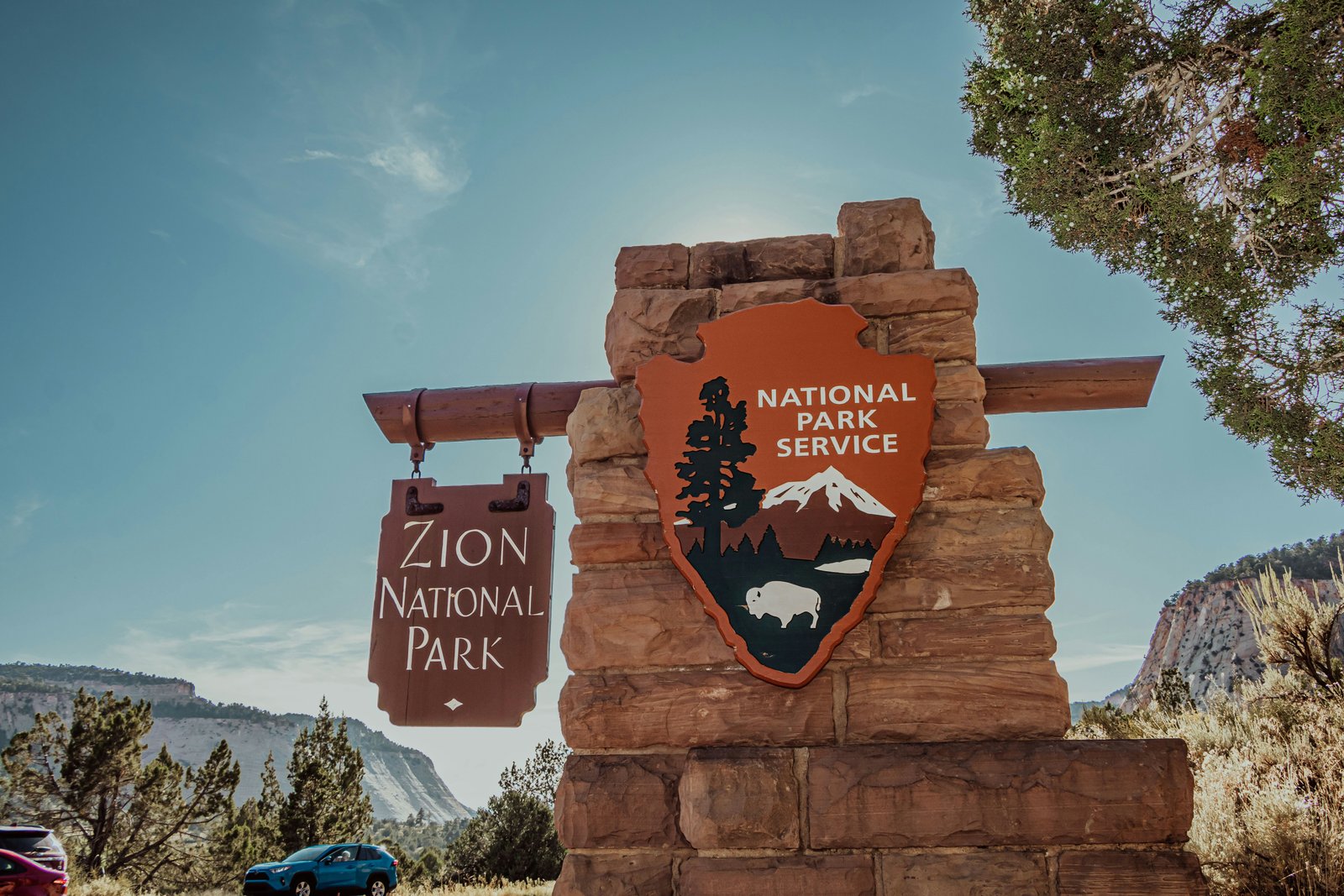
Spanning roughly 146,000 acres of breathtaking landscape in southwestern Utah, Zion National Park was established in 1919 and stands proudly as the crown jewel of Utah’s Mighty 5. The park centers around Zion Canyon—a 15-mile-long, nearly 3,000-foot-deep chasm carved by the Virgin River that draws roughly 4.5 million visitors a year with its iconic cliffside climbs like Angels Landing and river trails like The Narrows.
Before you head into the park, here are the essential logistics you need to know for your trip:
- Reservations: No reservations are needed just to enter Zion National Park. (Note: If you plan to hike Angels Landing or secure a spot at the park campgrounds, separate permits and reservations are required).
- Entrance Fees & Passes:
- A standard private vehicle pass is $35 and covers everyone inside for 7 consecutive days.
- If you plan on visiting multiple national parks within a year, the $80 America the Beautiful Interagency Annual Pass pays for itself on your second stop and is your best value.
- Pet Policy:
- Zion is not a dog-friendly park. Pets are strictly prohibited on all dirt hiking trails (including Angels Landing, The Narrows, and Emerald Pools), inside park buildings, and on the shuttle buses.
- The only trail where leashed dogs are allowed is the paved Pa’rus Trail near the Visitor Center. (Keep dogs completely out of the water here due to cyanobacteria warnings).
- Operating Hours: The park is open 24 hours a day, 365 days a year, though visitor centers and shuttle schedules vary by season.
- Cell Service: Expect little to no cell service once you enter the main canyon or hit the trails. Download your offline maps ahead of time!
When to Visit Zion National Park
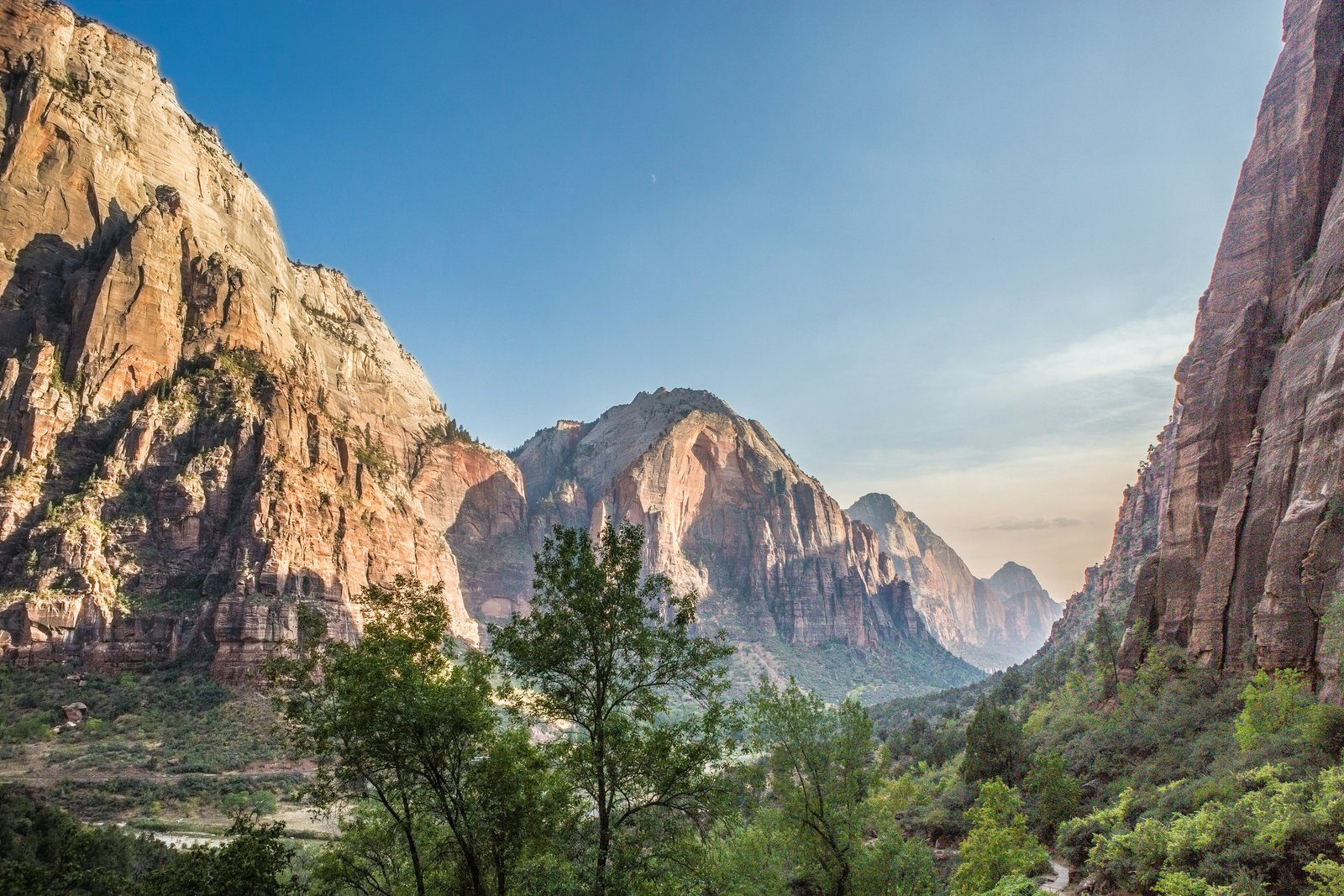
Zion is open year-round, but the experience changes dramatically depending on the season. Because weather heavily dictates park access—especially flash flood risks in slot canyons and snow on higher-elevation trails—timing your trip right is everything.
- Spring (March to May): Spring brings rushing waterfalls and blooming wildflowers, but weather can be unpredictable. Runoff from melting snow makes the Virgin River high and cold, meaning The Narrows are often closed during parts of this season.
- Summer (June to August): Expect hot desert temperatures often topping 100°F (38°C) in the main canyon.Summer is peak tourist season, making early morning shuttle starts essential. However, it’s a fantastic time for water hikes like The Narrows because the river provides a welcome cool-down.
- Fall (September to November): Widely considered one of the absolute best times to visit. Daytime temperatures are mild, summer crowds begin to thin, and the canyon turns brilliant shades of gold and orange as the cottonwoods change color.
- Winter (December to February): A quieter, peaceful time to experience the park. Red rocks dusted with fresh white snow create incredible contrast. While the main canyon shuttle usually stops running (allowing you to drive your own vehicle), cold temperatures make water-based activities like The Narrows extremely chilly unless you have a full drysuit.
How to Get to Zion National Park
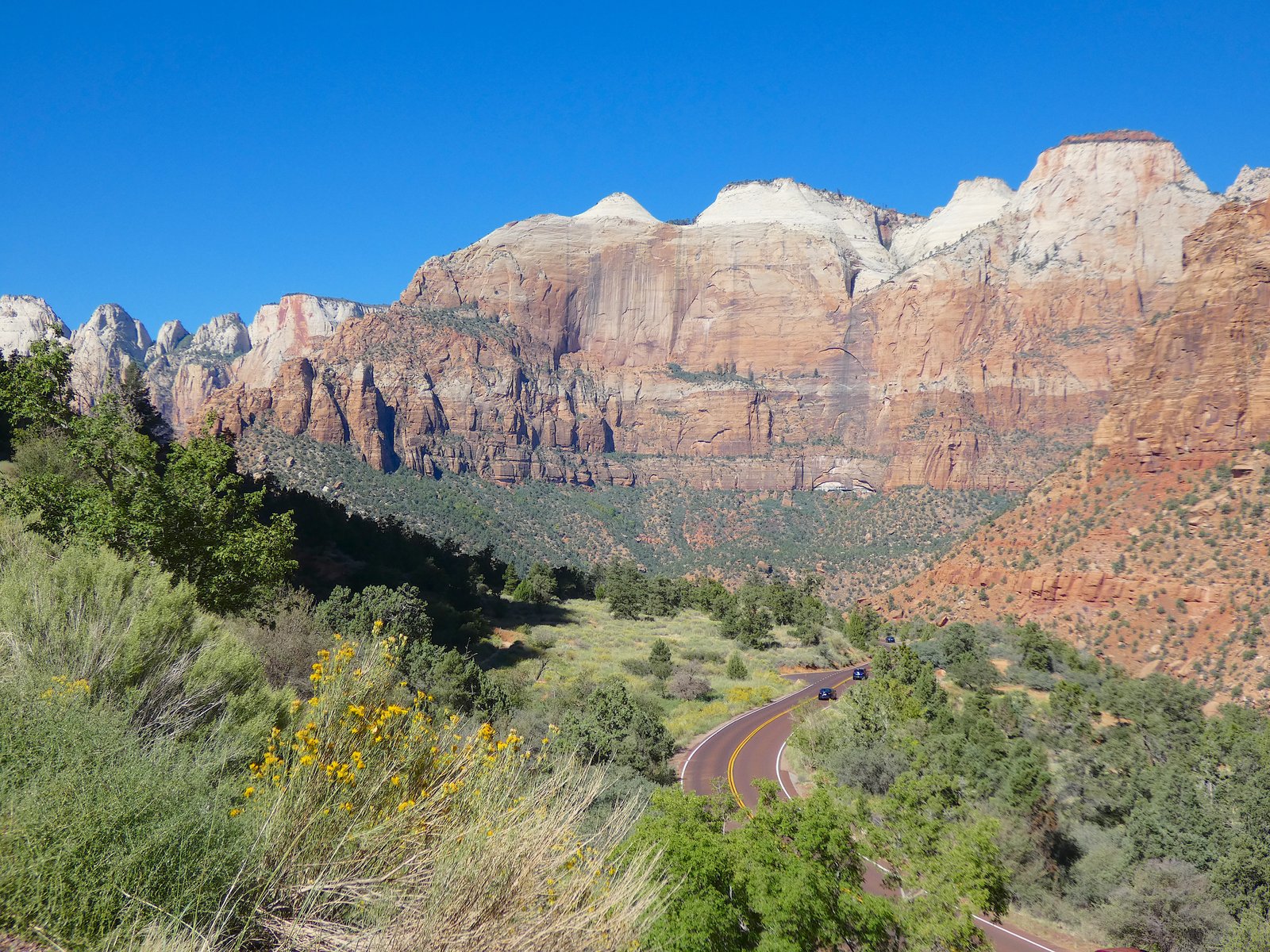
Zion National Park is located off Utah State Highway 9 in southwestern Utah, perfectly positioned between St. George and Bryce Canyon National Park. Because of its central location to Utah’s most popular attractions, Zion makes an incredible road trip stop—whether you’re flying in and renting a car or bringing your own vehicle and travel trailer along for the adventure.
Driving Distances & Major Hubs
Zion’s prime location makes it easily accessible from several key regional spots:
- St. George, UT: 41 miles (approx. 1 hour)
- Bryce Canyon National Park: 72 miles (approx. 1 hour and 15 mins)
- Page, AZ: 104 miles (approx. 1 hour and 45 mins)
- Las Vegas, NV: 160 miles (approx. 2.5 hours)
- Salt Lake City, UT: 308 miles (approx. 5 hours)
Park Entrances & The Zion-Mt. Carmel Tunnel
There are two main entrances to Zion: the West Entrance going through the gateway town of Springdale, and the East Entrance coming through Mount Carmel Junction via the striking Zion-Mount Carmel Highway.
If you are traveling from the east in an oversized vehicle, RV, or towing a trailer, you will need to check the park website for exact dimension limits and purchase a $15 ticket to drive through the historic Zion-Mt. Carmel Tunnel.
Nearest Airports
If you prefer flying, your closest regional and major international airport options include:
- St. George Regional Airport (SGU)
- Cedar City Regional Airport (CDC)
- Harry Reid International Airport in Las Vegas (LAS)
- Salt Lake City International Airport (SLC)
How to Get Around: The Shuttle System & Parking
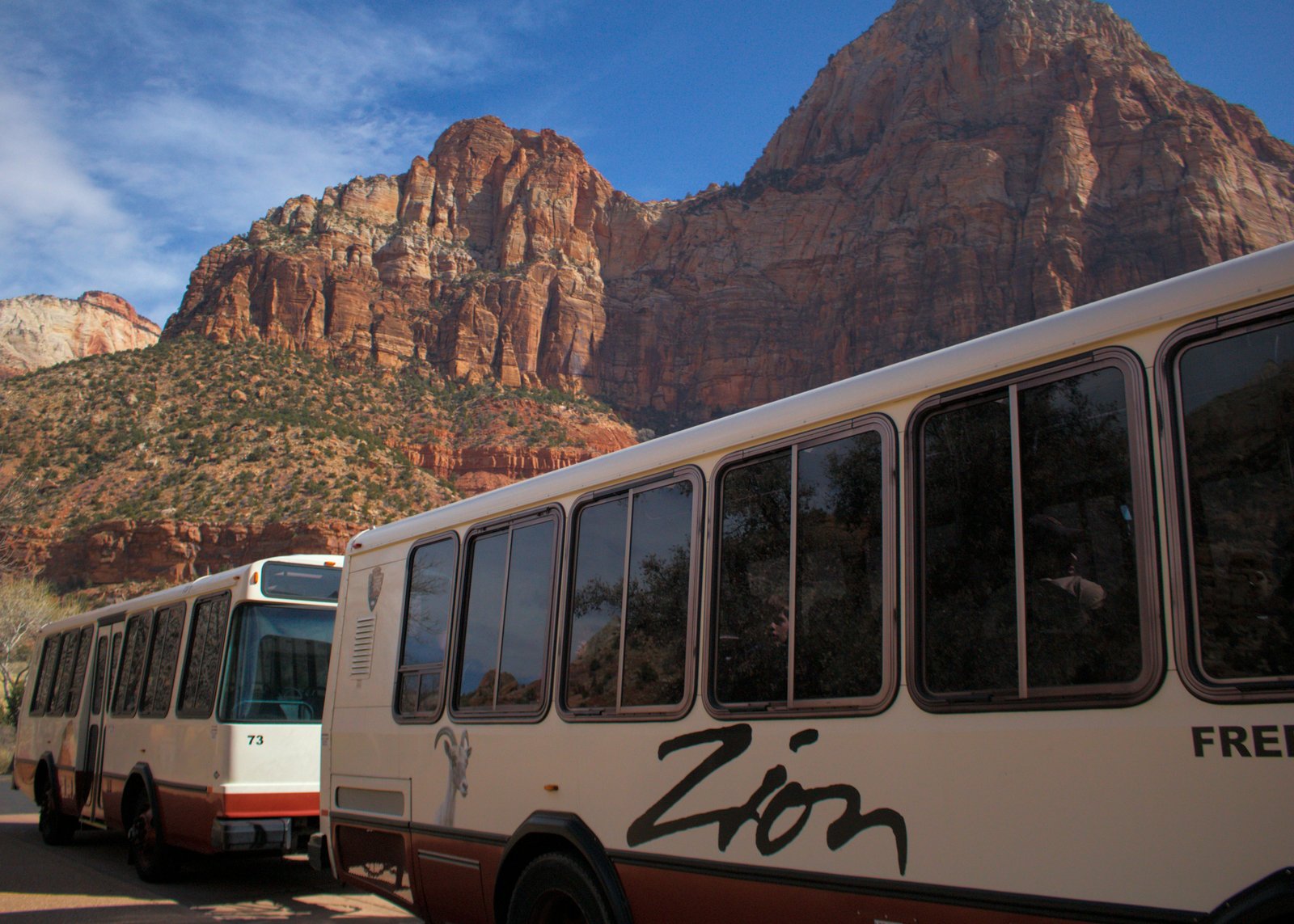
If you roll into Zion during peak season planning to drive your personal car up to the trailheads, you’ll hit a roadblock. To protect the canyon’s delicate ecosystem and prevent gridlock, Zion operates a mandatory, highly efficient shuttle system.
The Zion Canyon Shuttle System
The shuttle is completely free and requires no reservations or tickets. You just line up and hop on.
- The Route: The Zion Canyon Line runs continuously from the Visitor Center (Stop 1) all the way up to the Temple of Sinawava (Stop 9), making 9 strategic stops at major trailheads, viewpoints, and the Zion Lodge.
- The Time Commitment: A full one-way ride from end to end takes about 45 minutes.
- The Rules: From spring through late autumn (and select holiday weeks), private vehicles are strictly prohibited on the Zion Canyon Scenic Drive. Unless you are staying overnight at the Zion Lodge or have a specialized accessibility permit, the shuttle, a bicycle, or your own two feet are your only ways up the canyon. (Note: You can still drive your personal vehicle freely along the Zion-Mount Carmel Highway and Kolob Canyons.)
The Town of Springdale Shuttle
If your hotel, campground, or parking spot is in the gateway town of Springdale, you don’t even need to move your car to get to the park. The Springdale Line is a free town shuttle that runs up and down State Route 9, stopping at various hotels, restaurants, and shops before dropping you off right at the park’s pedestrian entrance bridge.
Parking Strategy: Beat the Rush
Parking is your first major itinerary decision of the day:
- Inside the Park: The main Zion Canyon Visitor Center has a large parking lot, but it fills up early—often by 8:30 a.m. during peak season. If you want a spot here, aim to arrive well before the morning crowds peak.
- In Springdale: If the visitor center lot is full, you can utilize paid public parking zones throughout Springdale or private lots near town shuttle stops, then catch the free town bus to the entrance.
Pro Tip: If you miss out on the early morning rush, don’t panic! Mid-morning lines can look daunting, but the shuttles move quickly (arriving every 5 to 10 minutes), and lines clear out significantly by the early afternoon.
Park Amenities: Where to Find Food, Restrooms & Essentials
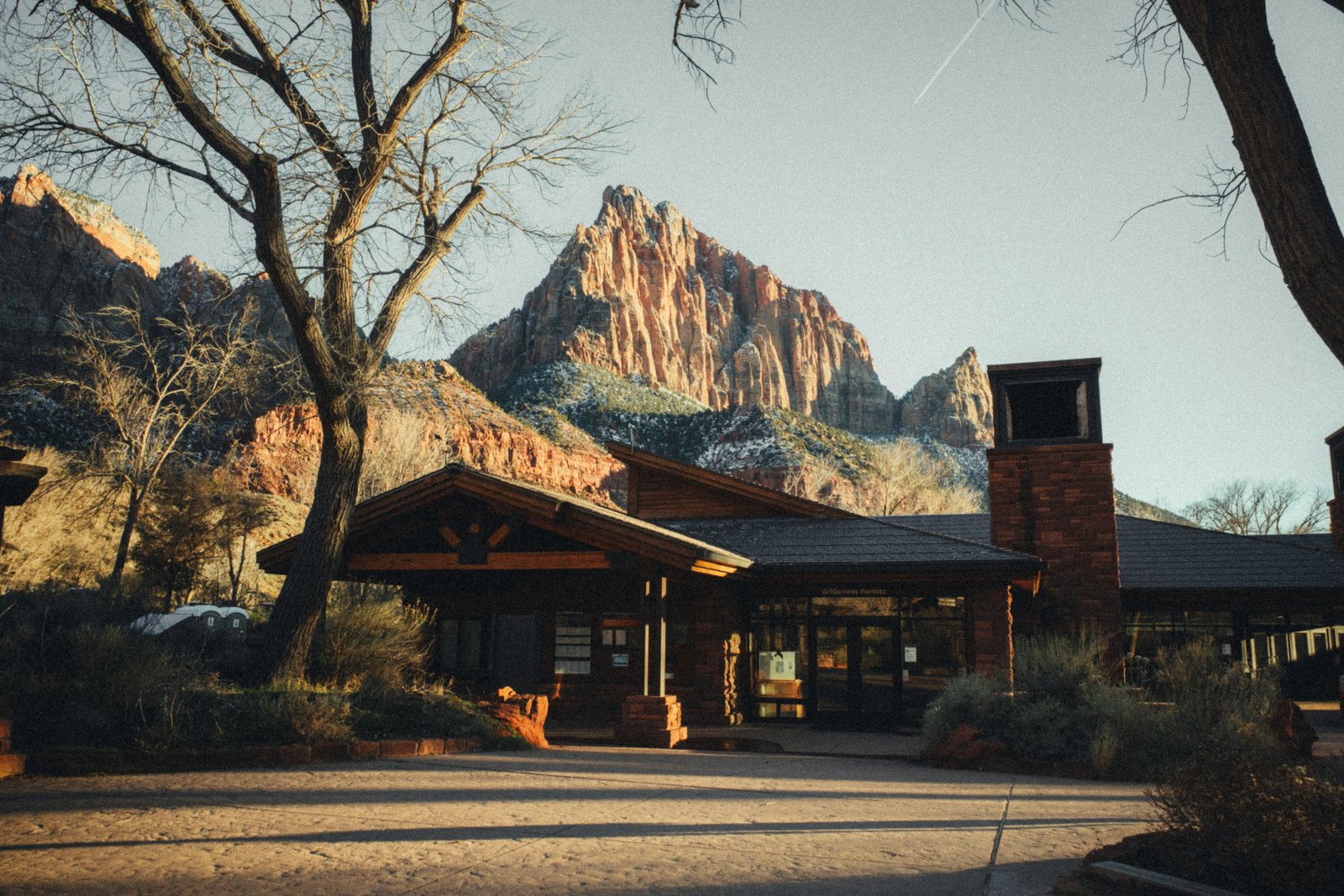
Because Zion is a protected natural canyon, commercial development inside the park is extremely limited. Knowing what is available—and where—will help you pack your daypack correctly.
- Restrooms: Flush-toilet restrooms with running water are located at the Zion Canyon Visitor Center, the South Entrance, and the Temple of Sinawava (Stop 9). There are also restrooms at select shuttle stops like the Zion Lodge (Stop 5). Vault toilets are available at most major trailheads. (Note: Always use the restrooms before hitting long trails like Angels Landing or The Narrows; trailside facilities are non-existent!)
- Food & Dining Inside the Park: The Zion National Park Lodge (Stop 5) is the only location within park boundaries that serves food. It features the sit-down Red Rock Grill, the casual Castle Dome Café, and a seasonal outdoor patio. For a wider selection of groceries, coffee shops, and restaurants, you will need to head just outside the gates into Springdale.
- Gas Stations & Grocery Stores: There are no gas stations, convenience stores, or grocery stores inside Zion National Park. Fill up your gas tank and stock up on picnic supplies, snacks, and extra water in Springdale, Hurricane, or Kanab before heading into the park.
- Water Bottle Filling Stations: Filtered water bottle refilling stations are available at the Zion Canyon Visitor Center and select shuttle stops/amenity areas. Given the intense desert heat, keeping your bottles topped off is vital.
Visitor Centers, Camping & Inside-the-Park Lodging
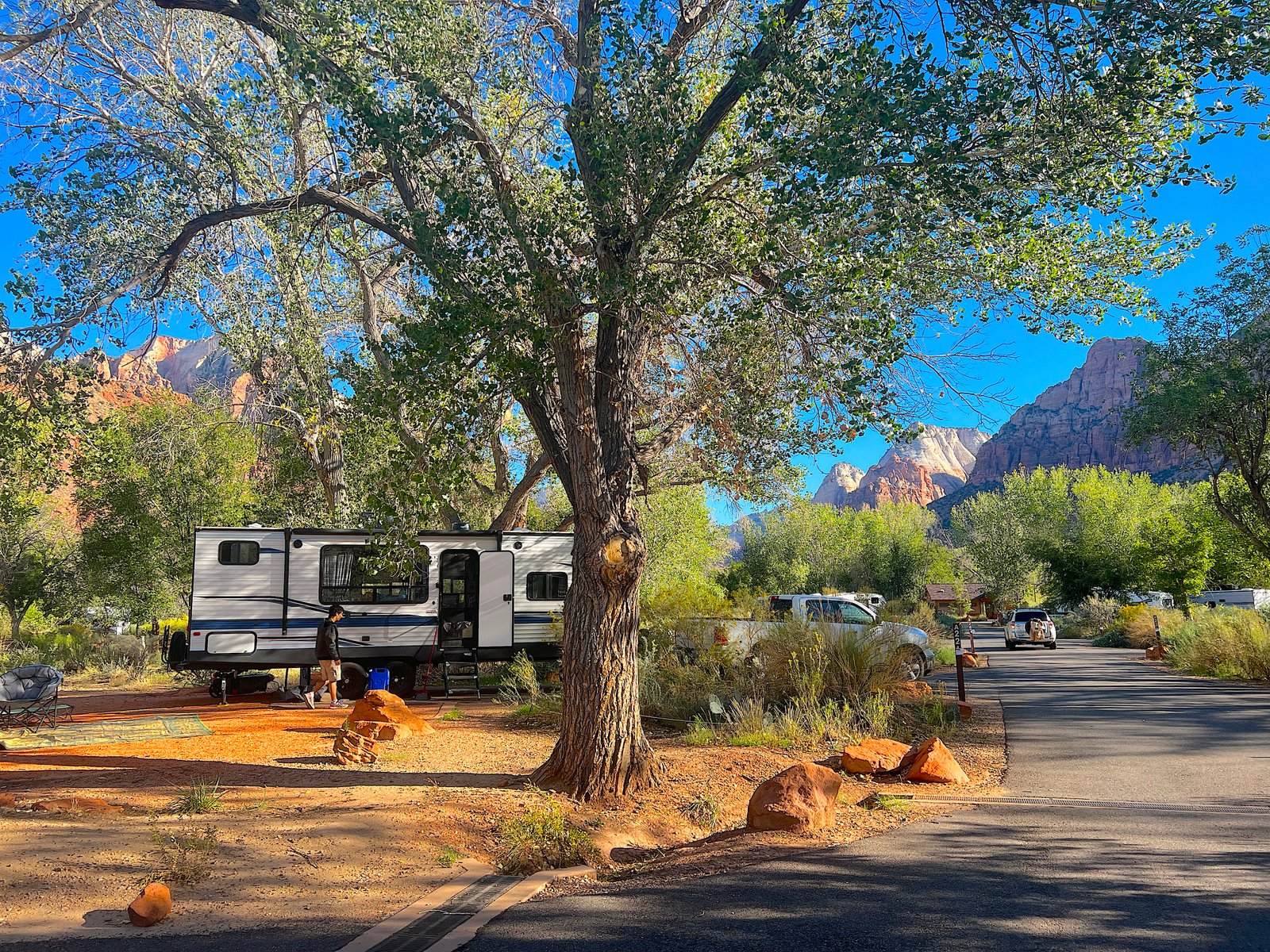
Knowing where to get your bearings, find a campsite, or stay inside the park boundaries will anchor the rest of your trip planning.
Zion Canyon Visitor Center
Open year-round, the Zion Canyon Visitor Center (located right at the South Entrance in Springdale) is the ultimate place to start your adventure. Load up on information, pick up a park map, and chat with rangers. Here you can also find water bottle filling stations, restrooms, a gift shop, museum exhibits, and secure permits for backcountry camping. Because hours and services vary by season, it’s always best to check for current conditions before you go.
Where to Camp Inside Zion
Zion features a few distinct campgrounds, ranging from fully equipped sites to remote backcountry options:
Watchman Campground: Open year-round, this popular campground features 95 campsites, each offering electricity, a picnic table, and a grill. While there is no running water at individual sites, water filling stations are scattered throughout the grounds, along with restrooms and dishwashing stations. Maximum RV length is 40 feet. There are also 18 tent-only walk-up sites and group campsites available from March to November.
- Pricing: Electric sites are $45/night.
- Reservations: Required year-round and can be made up to 6 months in advance via Recreation.gov.
South Campground: Located near the visitor center, South Campground provides easy access to the action. Following a long-term rehabilitation project, it has reopened with reservations available up to 14 days in advance on Recreation.gov
Lava Point Campground: A small, rustic, primitive campground with just 6 sites located along Kolob Terrace Road, about 1.5 hours away from the Zion Canyon Visitor Center. Typically open from May to September (weather permitting), it features pit toilets and trash cans only—no water is available. The maximum vehicle length is 19 feet. Reservations are required within a 2-week window via the park website.
(Note: If you are looking for hot showers after a dusty day of hiking, public pay-showers are available just outside the park in Springdale at Zion Canyon Village).
Zion Lodge: The Only In-Park Hotel
Open year-round, Zion Lodge is the sole lodging option located directly inside park boundaries. It offers a cozy mix of motel rooms, historic cabins, and suites. On-site conveniences include the sit-down Red Rock Grill Dining Room, the casual Castle Dome Café, a gift shop, and a post office. Staying here gives you the rare perk of driving your personal vehicle up the canyon to your accommodation during shuttle-restriction periods!
Gateway Towns Near Zion: Where to Stay & Stock Up
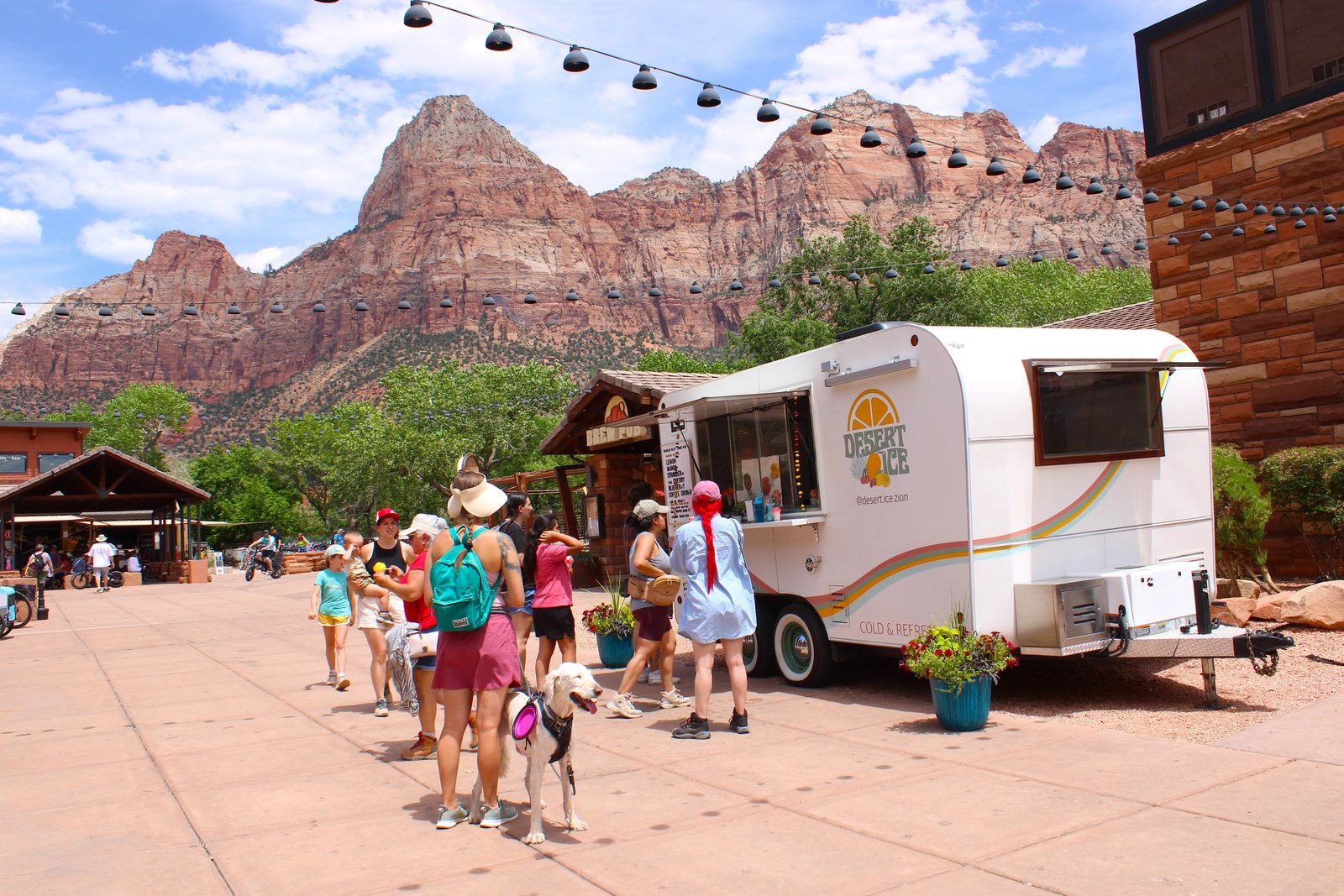
Because options directly inside the park are limited, you’ll likely look to the surrounding communities for hotels, vacation rentals, groceries, and gear. Each gateway town offers a totally different vibe and distance to the park gates:
Springdale (Directly at the West Entrance):
- The Vibe: The ultimate basecamp. Springdale sits right against the park’s south entrance, framed by towering red rock walls. It’s packed with boutique hotels, cozy inns, outdoor outfitters, and great restaurants.
- Why stay here: You can walk straight into the park or catch the free town shuttle, meaning you never have to stress about parking your car. (Tip: This is also where you’ll find local rental shops like Zion Outfitter and Zion Adventure Company if you need to rent gear for The Narrows!)
Hurricane & La Verkin (~20–25 mins away):
- The Vibe: More budget-friendly and practical. These neighboring towns offer standard chain hotels, RV parks, grocery stores, and local gas stations.
- Why stay here: If you are traveling with a large travel trailer, truck, or RV and want wider roads, easier grocery runs, and lower nightly lodging rates while staying within a half-hour of the park, Hurricane is a popular choice.
St. George (~45–50 mins away):
- The Vibe: A bustling small city with full urban amenities, historic sites, and resort-style pools.
- Why stay here: If you want a wide variety of dining, shopping, major medical facilities, and a central hub that lets you split your time between Zion, Snow Canyon State Park, and local golf courses.
Kanab & Mount Carmel Junction (~30–40 mins away via the East Entrance):
- The Vibe: Steeped in Old West history (“Little Hollywood”) with a relaxed, scenic desert atmosphere.
- Why stay here: Perfect if you are doing a multi-park road trip between Zion, Bryce Canyon, and the North Rim of the Grand Canyon. Kanab offers great vacation rentals, unique motels, and close proximity to the park’s quieter East Entrance.
What to Pack for Zion National Park
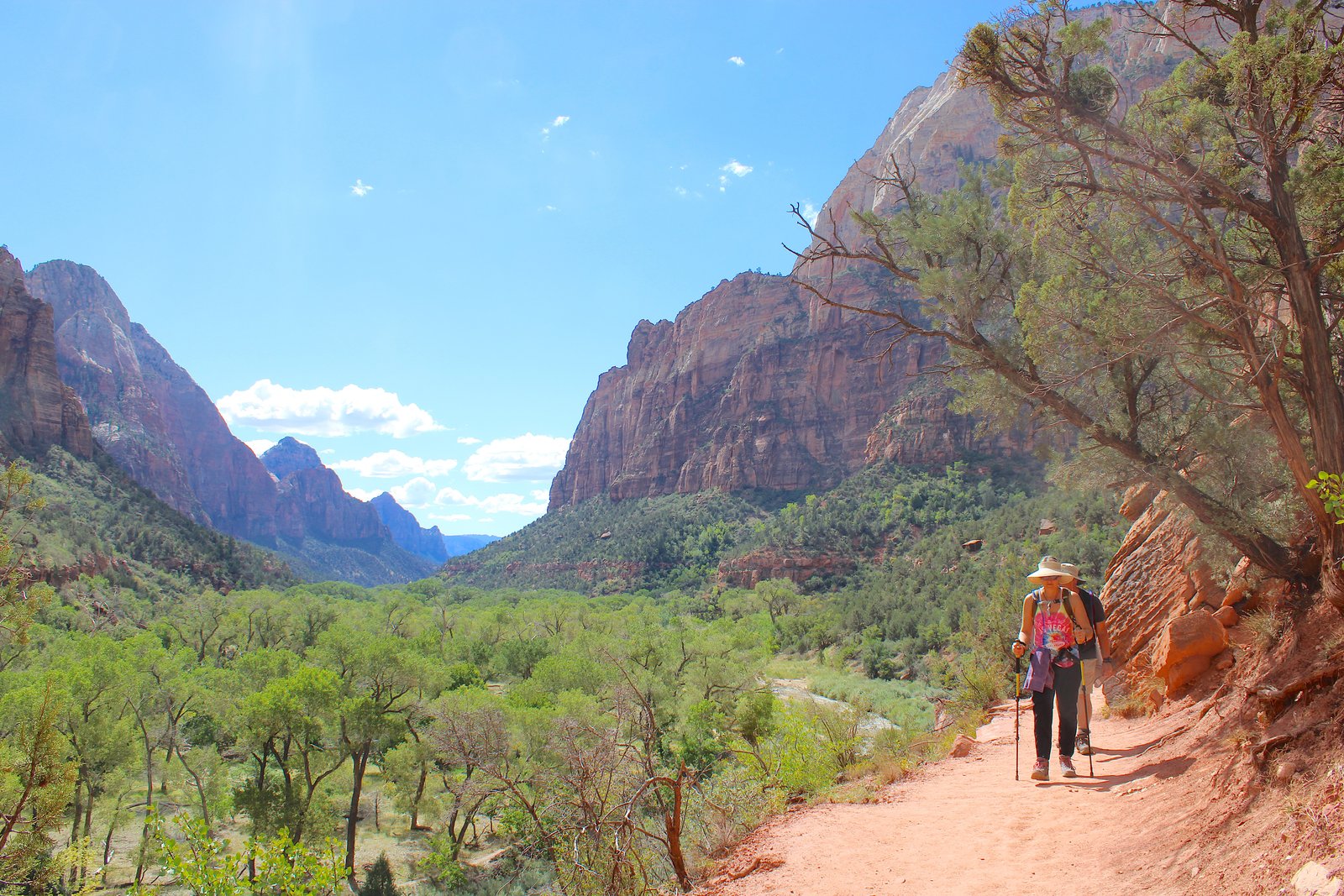
Zion’s climate can be extreme, swinging from scorching desert sun on the open trails to freezing cold water in the deep shadows of the slot canyons. Packing the right gear will make or break your trip.
1. On-Trail Clothing & Sun Protection
- Sturdy Footwear: Solid traction is non-negotiable on Zion’s steep, rocky terrain. Sturdy hiking boots (like Columbia’s Newton Ridge Hiking Boots) are ideal for trails like Angels Landing and Scout Lookout.
- Sun Protection Layers: The desert sun is intense and exposed. Pack reliable sun-defense essentials like the Soothfeel Women’s UPF 50+ Sun Protection Hoodie, a wide-brim hat (like the FURTALK Wide Brim Sun Hat), and a skin-friendly, high-SPF option like Earth Mama Mineral Sunscreen SPF 40 to keep you protected from harmful UV rays all day long.
- Quick-Dry Apparel: If you are tackling water hikes like The Narrows or visiting during peak summer heat, breathable, quick-dry clothing—such as the CRZ YOGA Quick Dry Skirt with built-in shorts or moisture-wicking pants—will keep you comfortable, mobile, and cool on the trail.
2. Hydration & Trail Essentials
- Reliable Water Bottles & Electrolytes: Dehydration happens fast in the desert. Pack large, leak-proof insulated water bottles (like Simple Modern bottles) and sugar-free electrolyte powder packets (such as LMNT) to keep your salt levels balanced.
- Trekking Poles: If you want extra knee and joint stability on steep, uneven descents like the West Rim or Scout Lookout, lightweight and reliable trekking poles (like Montem Ultra Strong Trekking Poles) are an absolute lifesaver.
- Daypack: A comfortable 15 to 25-liter backpack to carry your water, layers, snacks, and gear.
3. Specialized Gear for The Narrows & River Hikes
- Dry Bags: If you are hiking The Narrows through the Virgin River, a waterproof dry bag (like a sturdy HEETA dry bag) is essential to keep your phone, camera, and spare clothes completely bone-dry if you hit a deep pool or stumble.
- Canyoneering Booties & Neoprene Socks: If you visit during spring, late fall, or winter, renting proper water boots and neoprene socks from a Springdale outfitter (like Zion Outfitter or Zion Adventure Company) is crucial to stave off hypothermia in the ice-cold river.
Top Hikes & Must-See Attractions in Zion
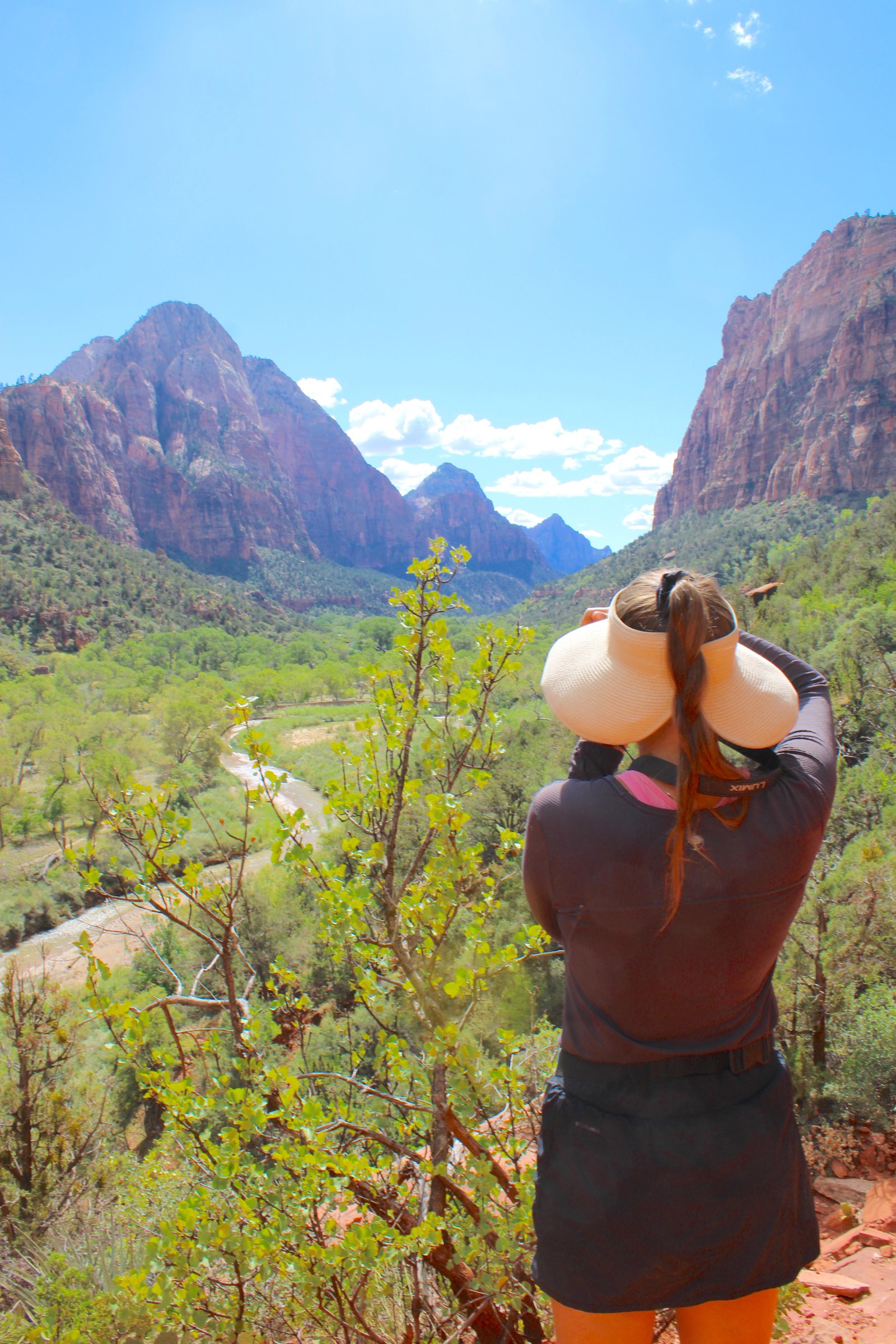
From wading through towering slot canyons to gripping chains along sheer cliff edges, Zion’s trails are world-famous. Here are the must-see hikes you need on your itinerary:
1. The Narrows (Bottom-Up Route)
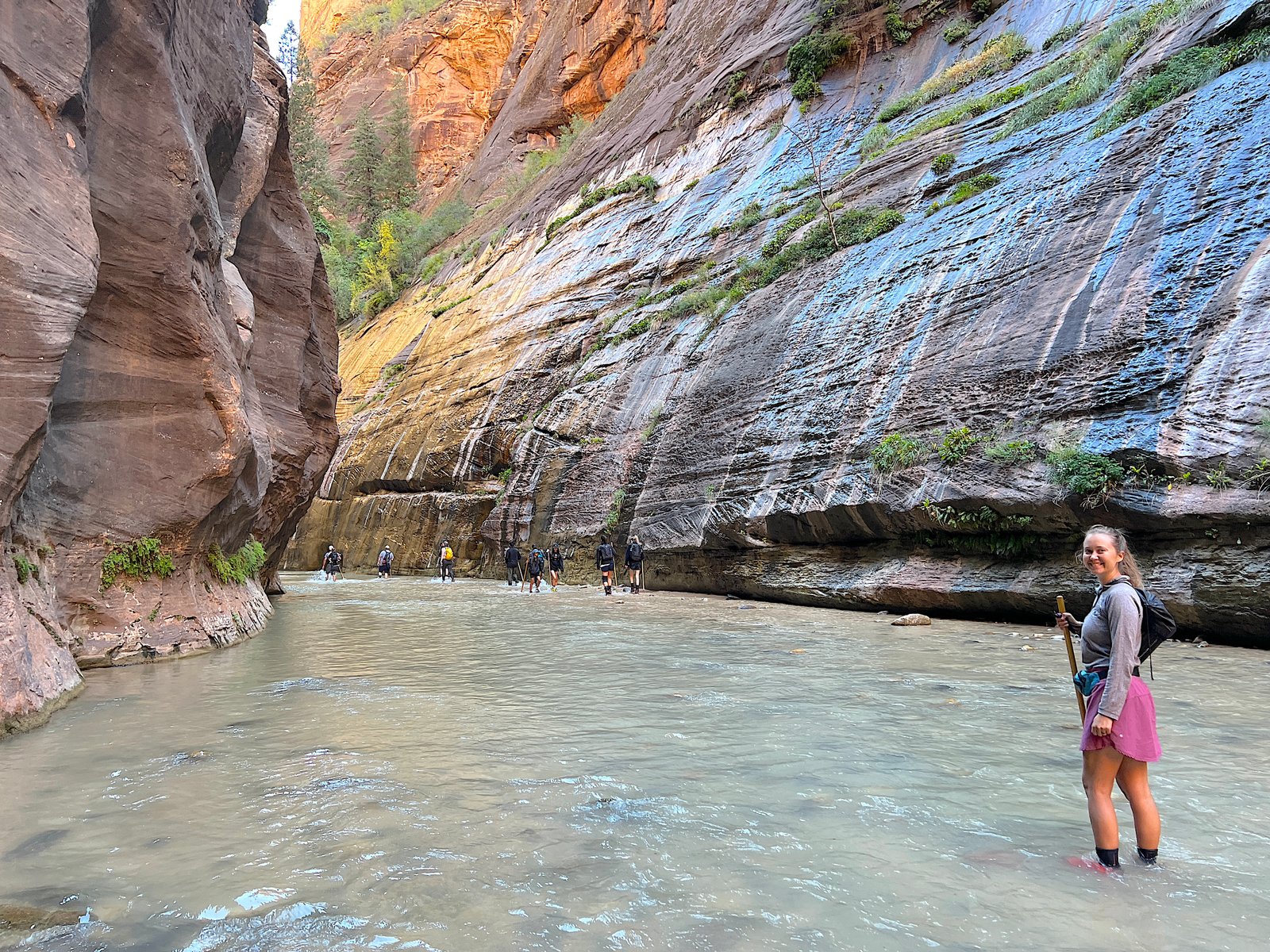
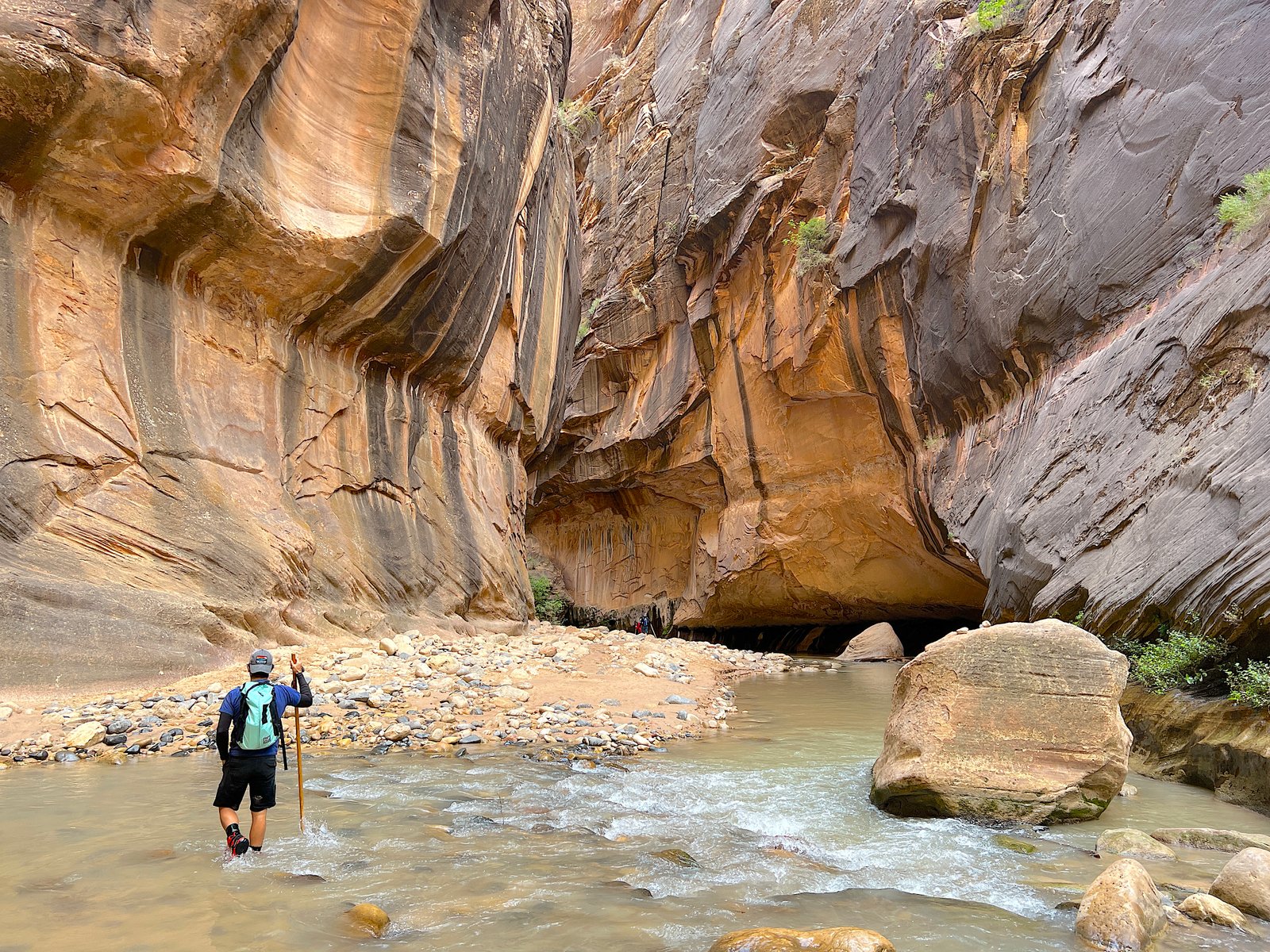
- The Vibe: An otherworldly trek straight through the heart of the Virgin River, walled in by 1,000-foot sandstone cliffs that narrow into a dramatic slot canyon.
- The Details: Roughly 9.4 miles round-trip (turn around whenever you’re ready). Start at Shuttle Stop #9 (Temple of Sinawava) and walk the paved 1-mile Riverside Walk until the trail literally ends and becomes the river.
- Pro Tip: Lean heavily on your trekking poles and make sure your gear is secured in a dry bag!
2. Angels Landing
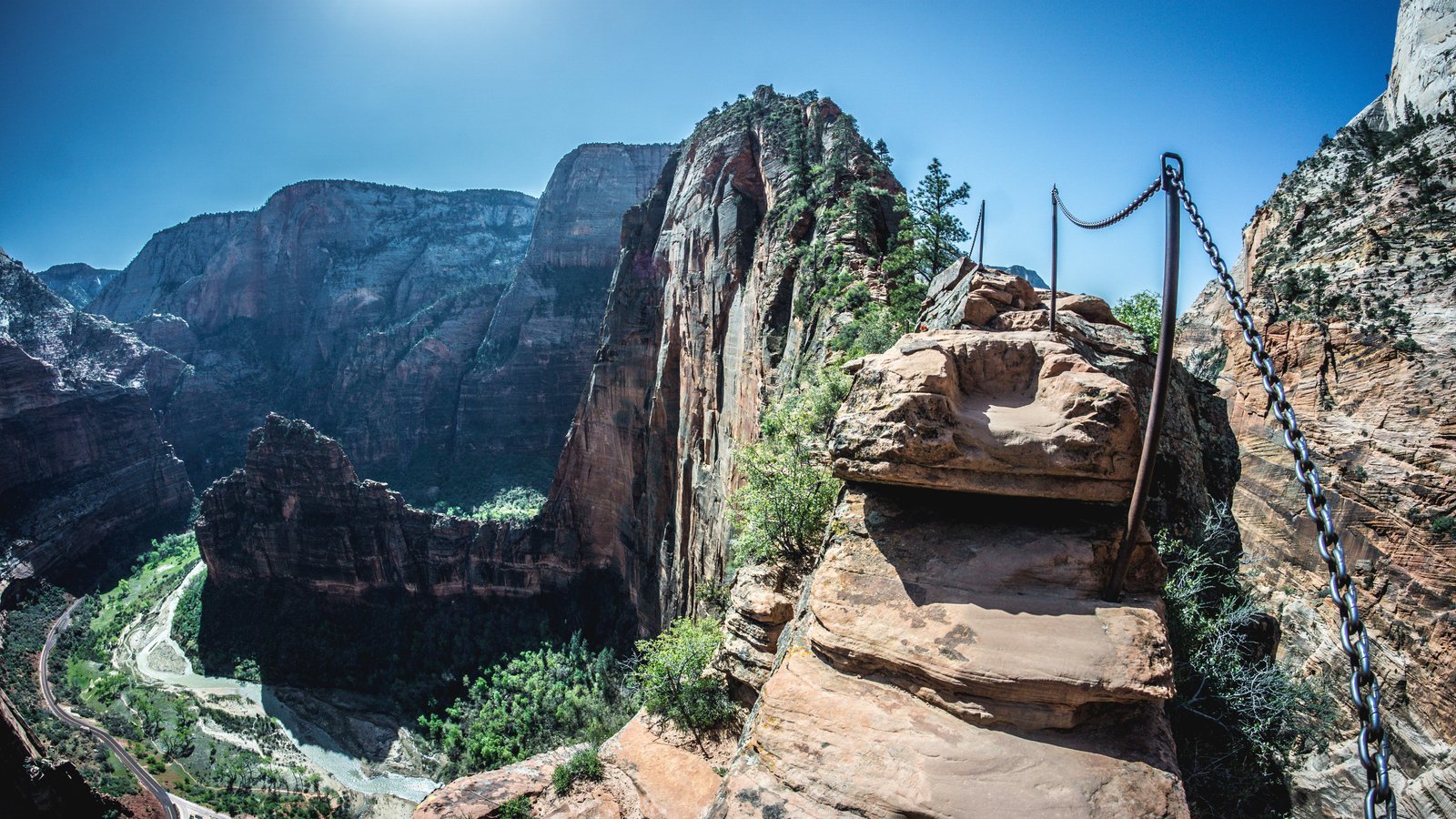
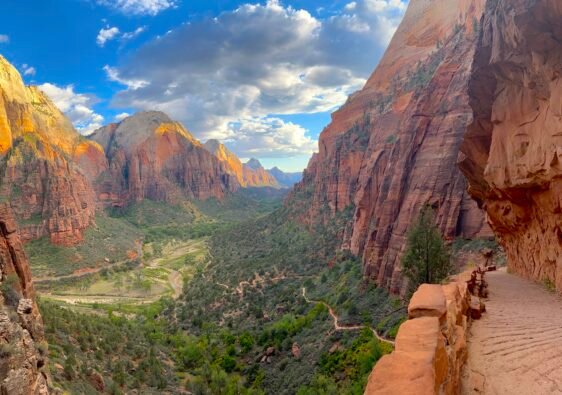
- The Vibe: The park’s most iconic and heart-pounding adventure, featuring a steep climb up Walter’s Wiggles and a narrow, chain-assisted ridge line with drop-offs on both sides.
- The Details: 5.4 miles round-trip. Starts at The Grotto (Stop #6).
- Crucial Note: A permit is strictly required via Recreation.gov lottery systems to hike past Scout Lookout to the final chain section. (If you don’t get a permit, hiking up to Scout Lookout alone still offers breathtaking views!).
3. Canyon Overlook Trail
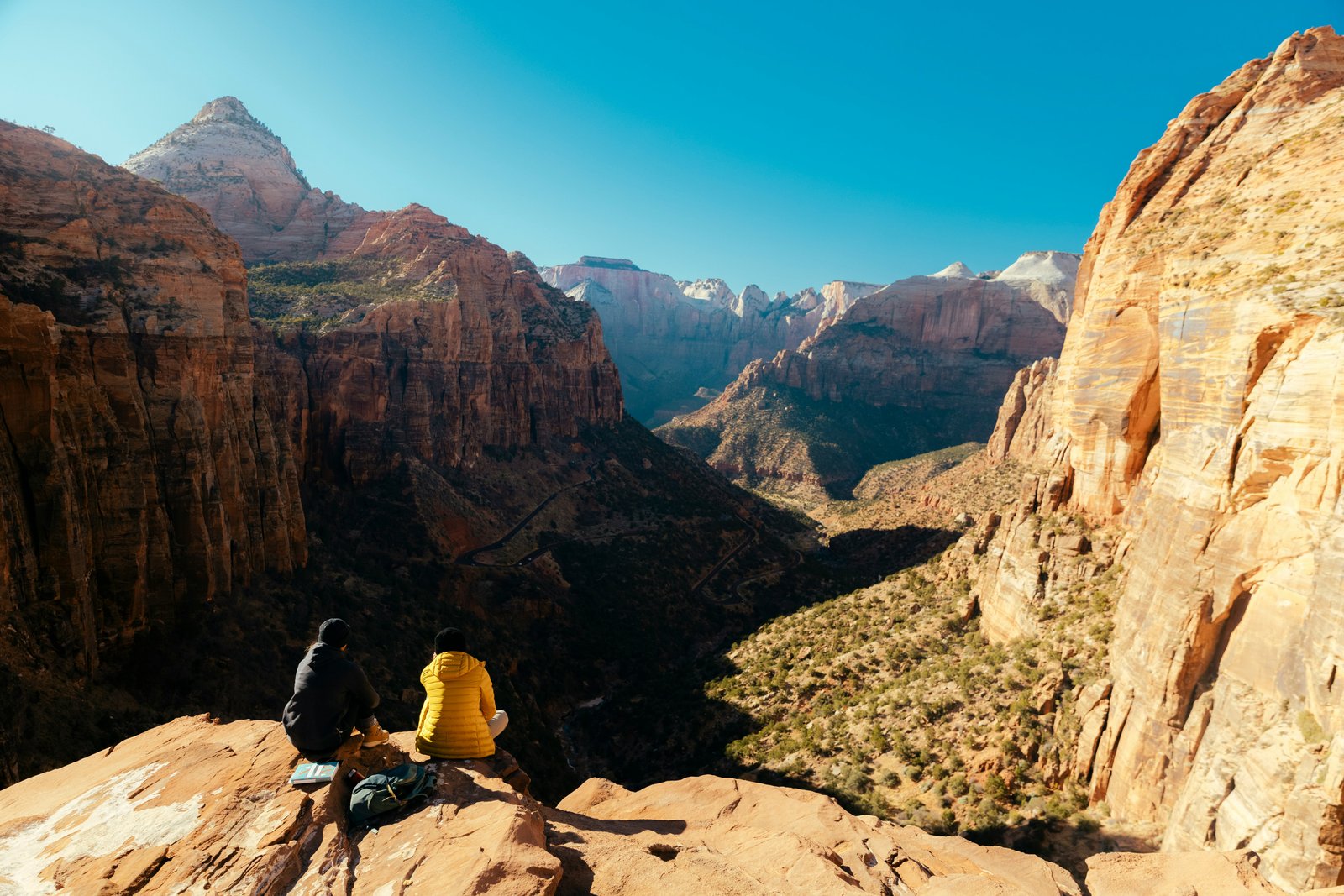
- The Vibe: A short, high-reward family favorite located just past the historic Zion-Mount Carmel Tunnel on the east side of the park.
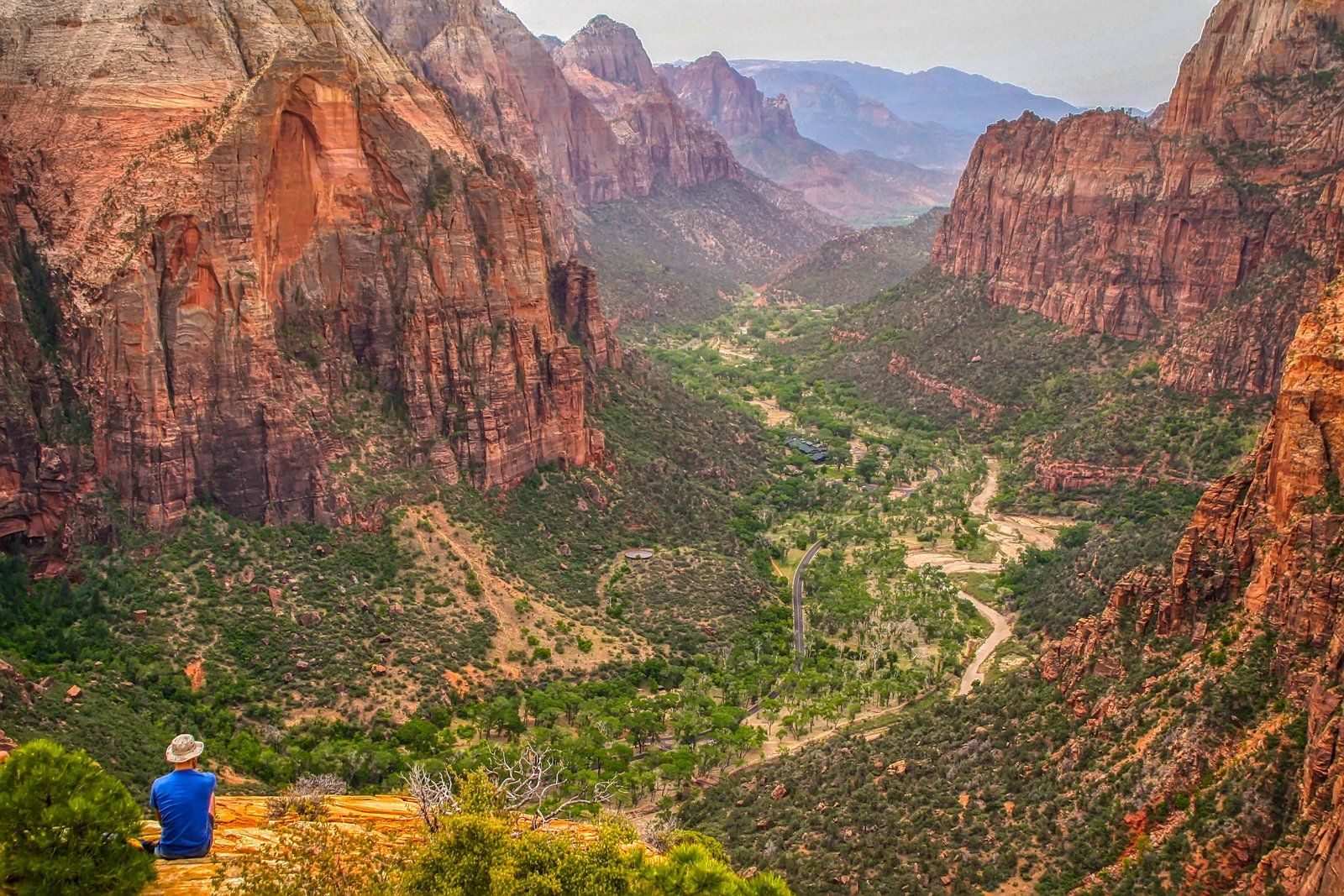
- The Details: 1 mile round-trip with minimal effort for an immense payoff—delivering a stunning panoramic view looking straight down into Pine Creek Canyon and lower Zion Canyon.
4. Emerald Pools Trail
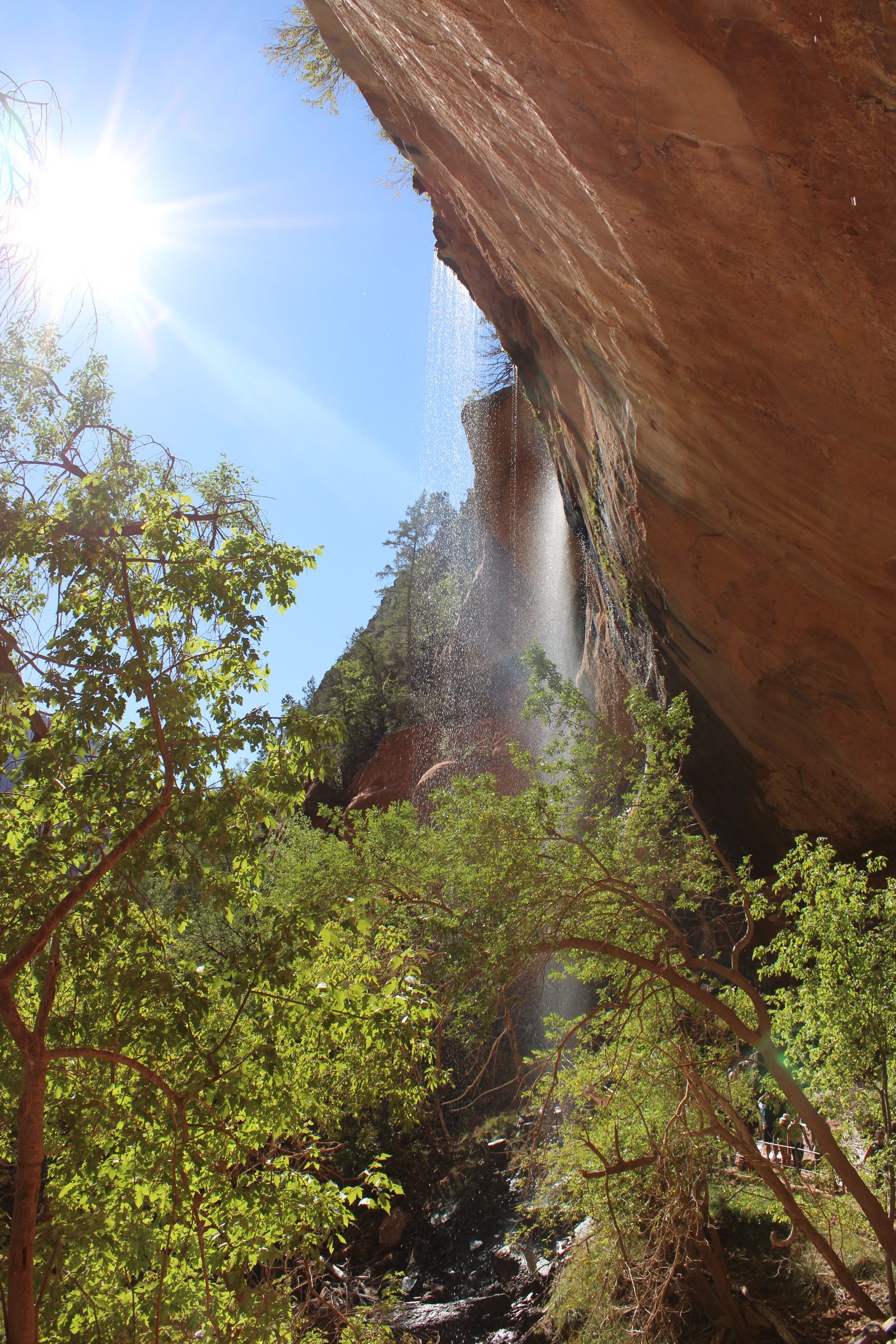
- The Vibe: A lush, refreshing desert oasis featuring cascading waterfalls, hanging gardens, and shimmering pools.
- The Details: Ranging from 1.2 to 3 miles depending on whether you tackle the Lower, Middle, or Upper pools. Easily accessed right from the Zion Lodge (Stop #5).
5. Pa’rus Trail
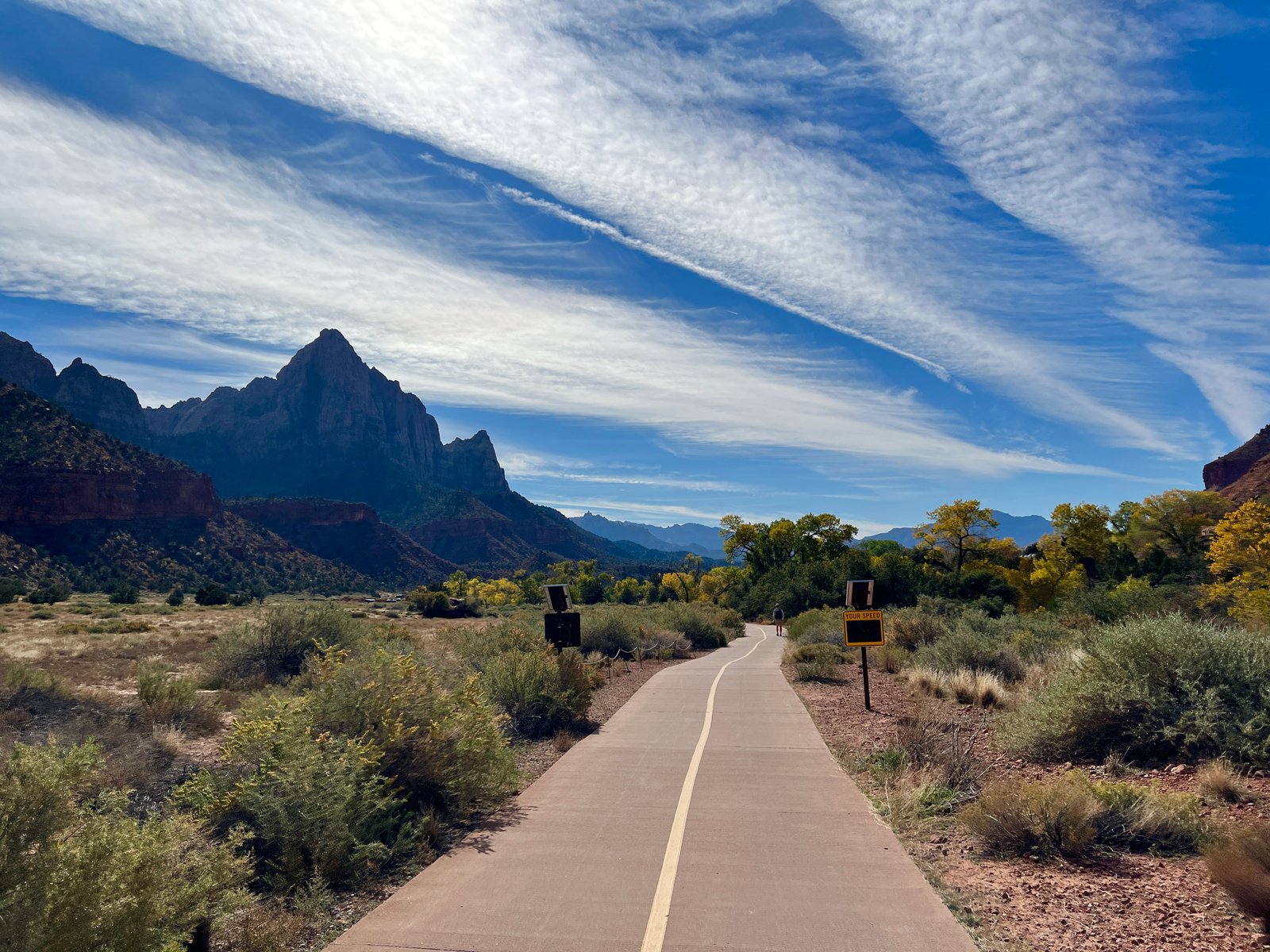
- The Vibe: Gentle, paved, and peaceful.
- The Details: A 3.5-mile out-and-back trail starting right from the Visitor Center that meanders along the Virgin River. It is the only trail in the main canyon that allows dogs on a leash and is fantastic for sunset strolls or e-biking.
The Perfect 3-Day Zion Itinerary for First-Timers
Trying to cram everything Zion has to offer into a weekend can feel overwhelming. This balanced 3-day itinerary is designed to maximize your time, beat the crowds, and blend world-class hikes with scenic downtime.
Day 1: Arrival, Orientation & The East Side Views
- Morning / Midday – Arrival & Settling In: Roll into town, check into your hotel in Springdale or set up camp at Watchman Campground. Swing by the Zion Canyon Visitor Center to grab a physical map, check trail conditions, and chat with a ranger.
- Afternoon – Canyon Overlook Trail: Drive your vehicle up through Springdale and head east through the historic Zion-Mount Carmel Tunnel. Park at the Canyon Overlook lot and knock out this 1-mile round-trip trail. It requires very little effort for a massive payoff, rewarding you with panoramic views straight down into Pine Creek Canyon.
- Evening – Dinner & Gear Prep: Head back into Springdale for dinner. If you plan to hike The Narrows tomorrow, pop into a local outfitter (like Zion Outfitter or Zion Adventure Company) to rent your water boots, neoprene socks, and dry bags.
Day 2: The Ultimate River Adventure (The Narrows)
- Early Morning (7:00 AM) – Catch the Shuttle: Get an early start. Hop on the Zion Canyon Shuttle from the Visitor Center all the way to the final stop: Temple of Sinawava (Stop 9).
- Morning – Hike The Narrows (Bottom-Up Route): Walk the paved 1-mile Riverside Walk until the trail ends and you step right into the Virgin River. Spend the morning wading upstream between 1,000-foot sheer sandstone walls. Turn around whenever you reach Orderville Gulch or when your legs are tired (roughly 4 to 5 hours total).
- Afternoon – Relax & Recharge: Head back down the canyon via shuttle. Grab a late lunch or ice cream in Springdale, relax at your hotel or campsite, and hydrate with some electrolyte packets.
- Evening – Sunset Stroll on the Pa’rus Trail: As the sun dips low, take a leisurely, flat stroll along the paved Pa’rus Trail near the visitor center to watch the red rock walls glow in the evening light.
Day 3: Heights & Cascades (Angels Landing & Emerald Pools)
- Morning – Angels Landing (or Scout Lookout): If you secured a permit through the Recreation.gov lottery, catch an early morning shuttle to The Grotto (Stop 6) and climb up Walters Wiggles to Angels Landing. No permit? No problem—hiking up to Scout Lookout gives you nearly identical epic valley views without the terrifying chains.
- Midday – Lunch at Zion Lodge: Ride the shuttle down to Zion Lodge (Stop 5) for a relaxed lunch at the Castle Dome Café or Red Rock Grill patio.
- Afternoon – Emerald Pools Trail: Walk right across from the lodge to tackle the Emerald Pools trails. Explore the lower and middle pools to see hanging gardens and cascading desert waterfalls before packing up your gear for departure.
Frequently Asked Questions About Visiting Zion
1. Do I need a reservation to enter Zion National Park?
No, you do not need a reservation or ticket just to enter the park or ride the park shuttle. You simply pay the standard entrance fee ($35 per vehicle) or use an America the Beautiful National Parks Pass. However, permits are strictly required for hiking Angels Landing and booking campsites at Watchman, South, or Lava Point via Recreation.gov.
2. Can I drive my personal car up the main canyon?
Only during the winter months when the shuttle system is not running. From spring through late autumn (and select holiday weeks), private vehicles are strictly prohibited on the Zion Canyon Scenic Drive. You must use the free park shuttle, rent a bicycle, or walk. (Note: Personal vehicles are always allowed on the Zion-Mount Carmel Highway and Kolob Canyons).
3. What should I do if it rains while I’m planning to hike The Narrows?
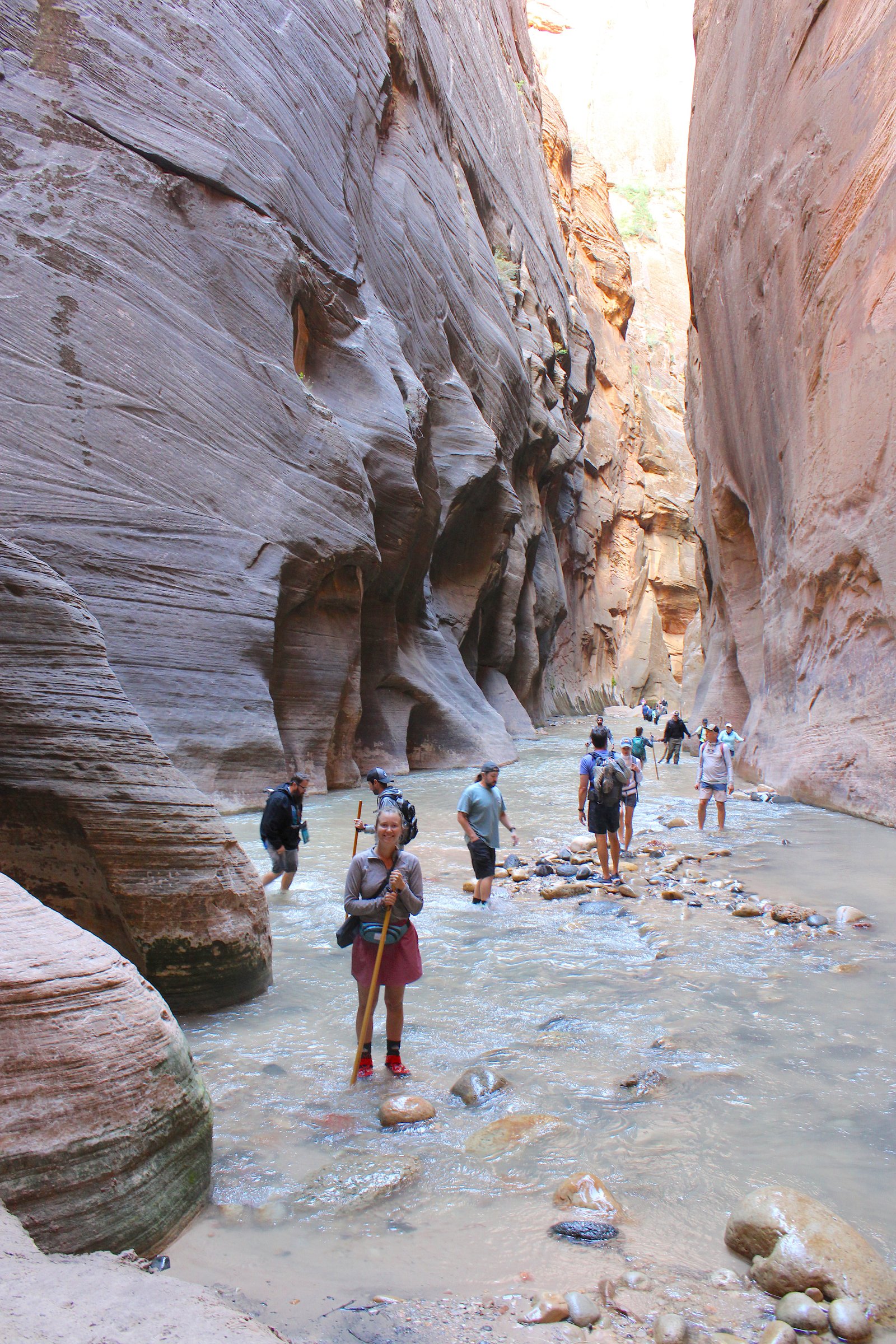
Take flash flood warnings extremely seriously. Slot canyons like The Narrows funnel water rapidly, and a storm miles away can cause a deadly wall of water with little warning. Always check the flash flood potential rating at the Visitor Center before heading out. If a Flash Flood Warning is issued, The Narrows closes automatically, and you should pivot to high-ground trails or scenic view areas like the Pa’rus Trail or Canyon Overlook.
4. Can I bring my dog to Zion?
Zion is largely not dog-friendly. Pets are strictly prohibited on almost all dirt trails in the park (including Angels Landing, The Narrows, and Emerald Pools) to protect local wildlife and trail surfaces. The only trail in the main canyon where dogs are allowed is the paved Pa’rus Trail, provided they are kept on a tight leash.
5. How early do I need to arrive to find parking?
If you want a spot in the main Zion Canyon Visitor Center parking lot during peak season, you need to arrive before 8:30 a.m. (ideally by 7:30 or 8:00 a.m.). Once that lot fills up, your best bet is to head back out into Springdale, utilize paid town parking, and catch the free Springdale Line shuttle to the park’s pedestrian entrance.
Start Planning Your Zion Adventure
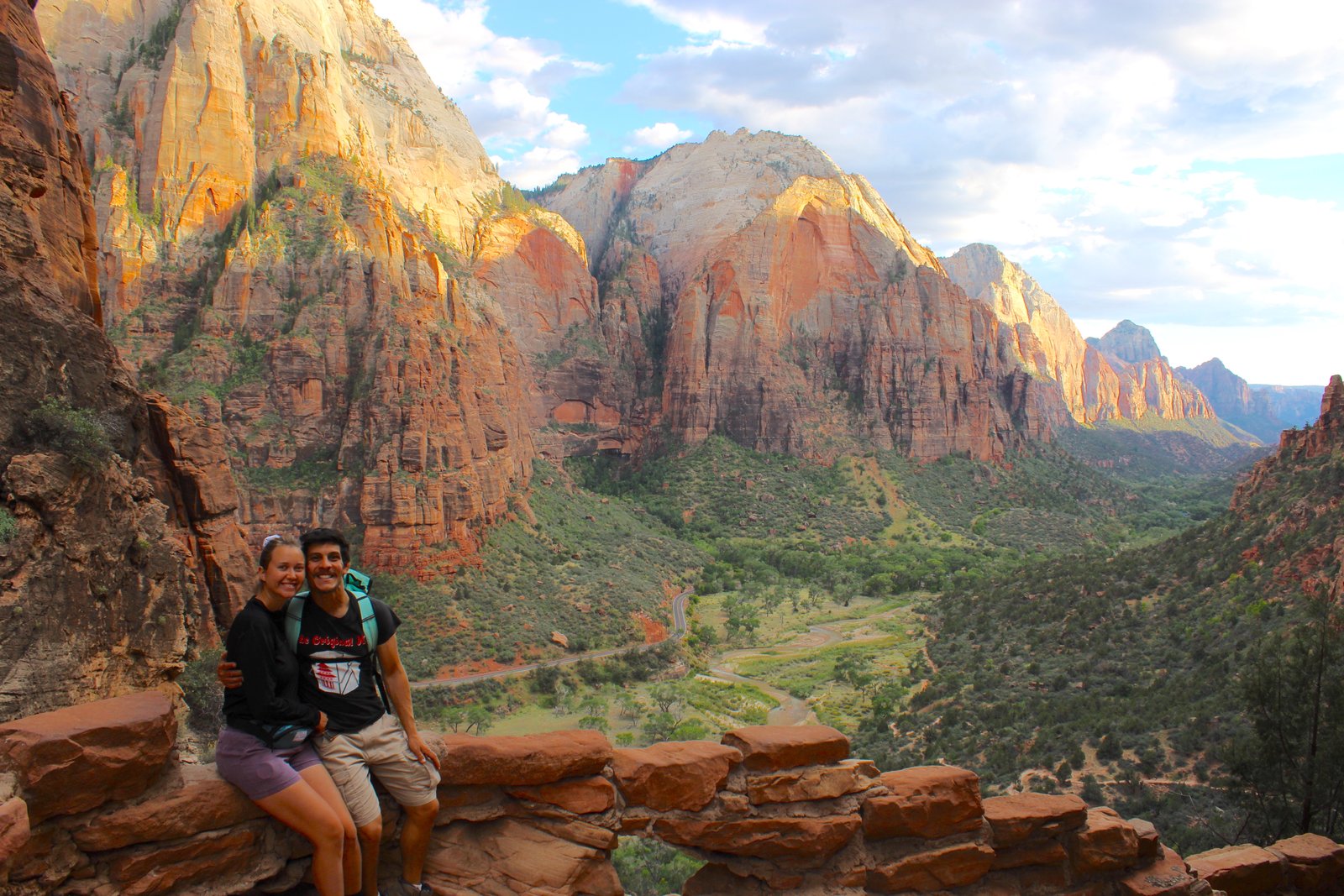
Whether you are looking up in awe at the massive red and cream sandstone cliffs from the floor of the canyon, wading through the rushing waters of The Narrows, or gripping the chains on your way up Angels Landing, Zion National Park offers a landscape unlike anywhere else on Earth.
By planning ahead, securing your permits and campsite reservations early, and respecting the raw power of the desert environment, you are guaranteed an unforgettable journey into Utah’s striking red rock country. Pack your layers, check the weather, and get ready for the trip of a lifetime!
Helpful Links & Resources
To make planning your trip as seamless as possible, keep these official tools and booking platforms bookmarked:
- Official Park Planning: Check current weather, trail closures, and shuttle updates directly on the NPS Zion National Park Website.
- Camping & Permit Reservations: Book your campsites at Watchman or South, or enter the Angels Landing seasonal lottery via Recreation.gov
- In-Park Lodging: Book hotel rooms, historic cabins, or suites directly at the Zion Lodge Official Website
- Tunnel & Oversized Vehicle Permits: Review specific dimensions and vehicle restrictions on the NPS Zion Tunnel Passes Guide.
- Local Gear Rentals (Springdale): Check out local outfitters like Zion Outfitter or Zion Adventure Company for Narrows water boots, neoprene socks, and dry bag rentals before you hit the river.