
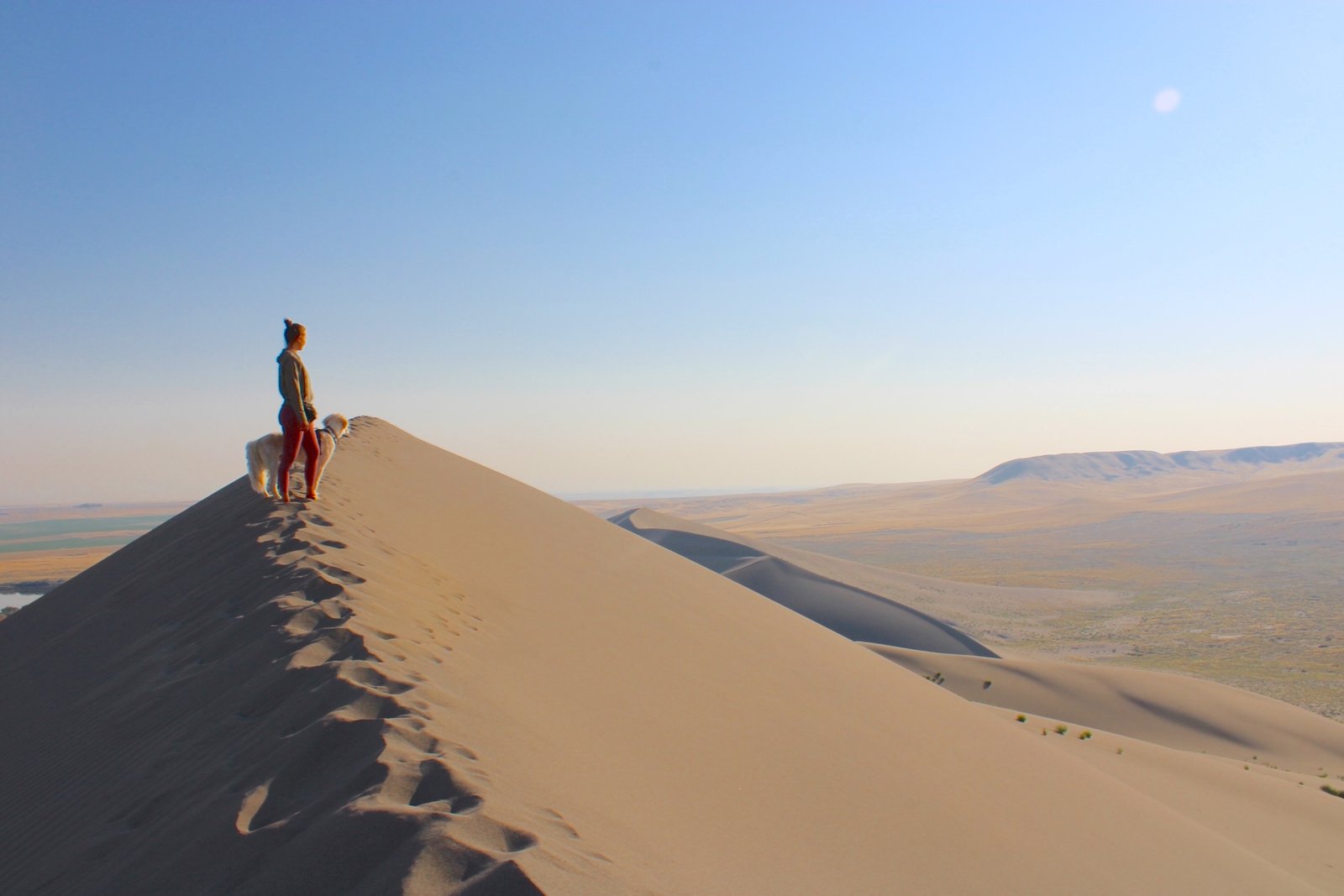
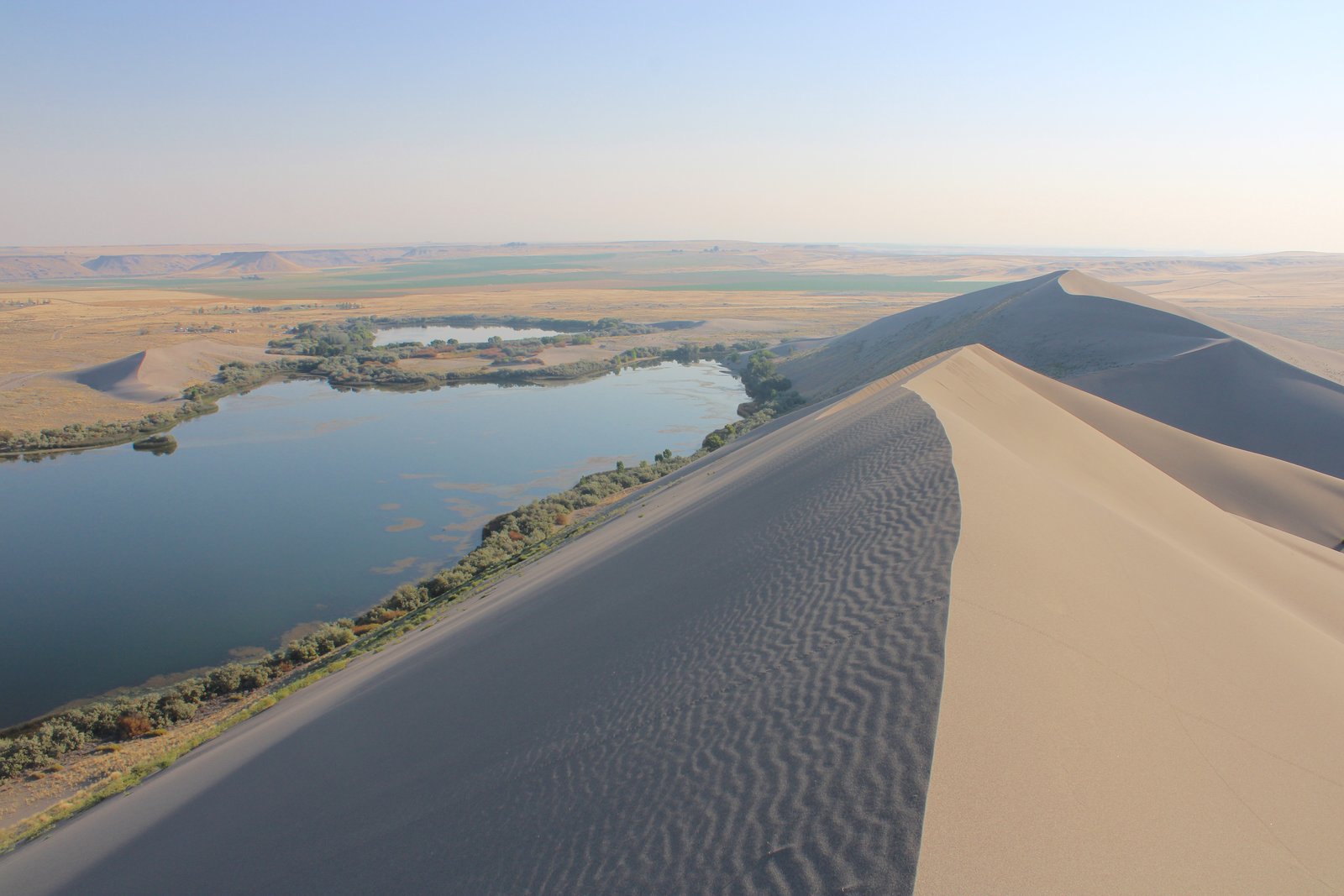
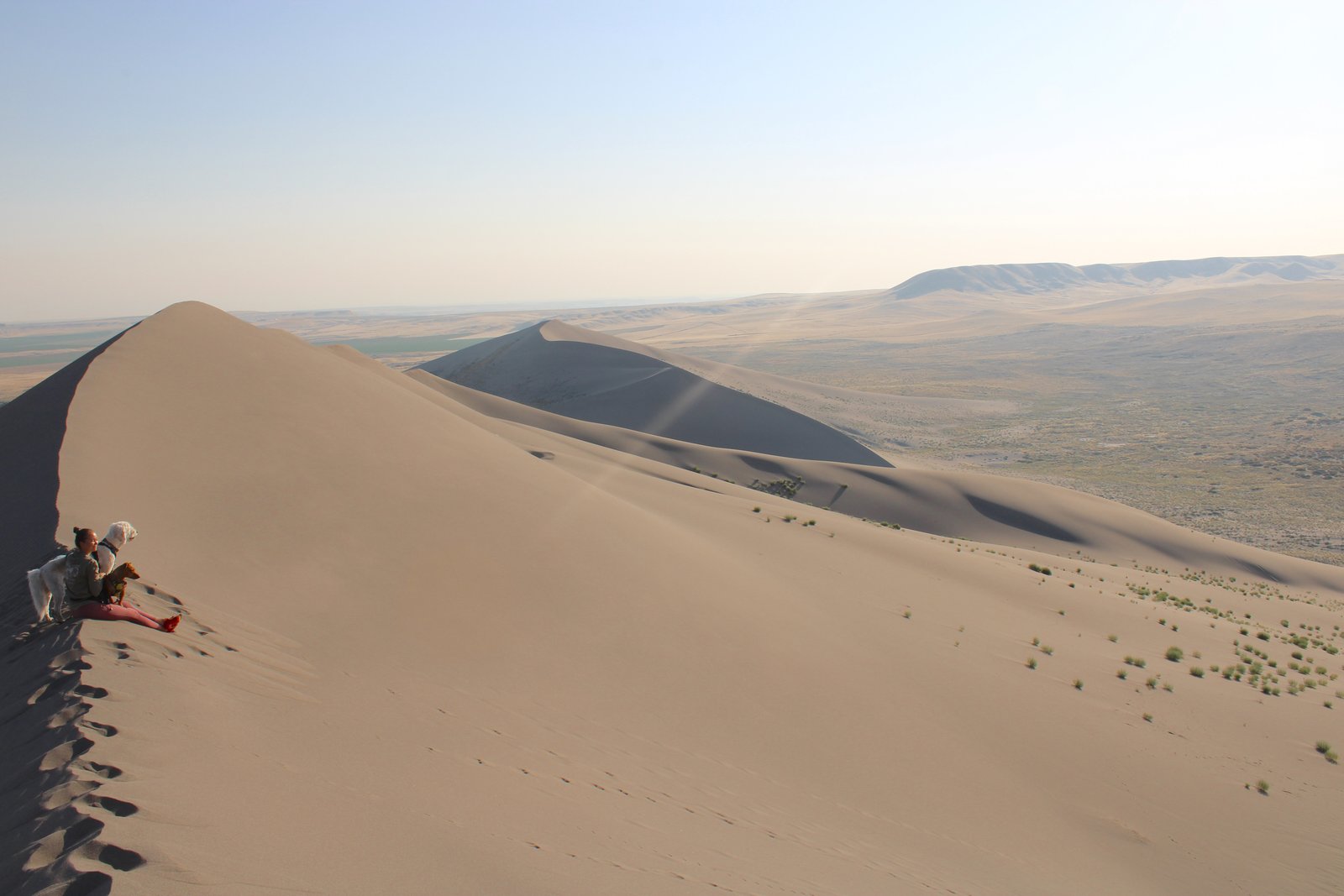
Rising dramatically out of the southern Idaho desert, Bruneau Dunes State Park feels like stepping onto an entirely different planet. Spanning 4,800 acres in Southwest Idaho, this unique 1967 state park is home to the tallest single-structured sand dune in North America—soaring an incredible 470 feet above the desert floor—offering an adventure unlike anywhere else in the Pacific Northwest.
Whether you are pulling your travel trailer into the campground for a weekend getaway or planning a packed day trip from Boise, spending a single day here gives you just enough time to experience the magic. From climbing massive shifting dunes and spotting desert wildlife to exploring a state-of-the-art public observatory under some of the darkest night skies in the country, this comprehensive guide covers everything you need to know to make the most of your one day at Bruneau Dunes State Park.
This post contains affiliate links, so we may earn a small commission when you make a purchase through links on our site at no additional cost to you.
At a Glance: What’s in This Guide
Planning your trip to Idaho’s towering desert oasis? Here is a quick breakdown of everything covered in this ultimate 1-day itinerary:
- Quick Facts & Core Stats: Essential park numbers, $7 ID / $14 non-ID vehicle entry fees, and basic desert logistics.
- Geologic History: The 15,000-year-old Bonneville Flood origin story that shaped the basin.
- Getting There: Driving distances and directions from Boise, Mountain Home, and Twin Falls.
- Best Time to Visit: Seasonal weather breakdowns, summer heat strategies, and winter water and observatory warnings.
- What to Bring: Essential desert gear, extra water, sun protection, and tips on packing your own sandboard and lunch.
- Park Amenities & Campground Info: Visitor center features, desert lakes, Eagle Cove and Broken Wheel campsites, and RV hookups.
- Where to Stay Nearby: Alternative RV parks and campgrounds in Mountain Home or Glenns Ferry if the state park books up.
- One-Day Itinerary: A complete, step-by-step roadmap from morning dune climbing to evening stargazing.
- Other Things to Do Nearby: Regional road trip stops like C.J. Strike Reservoir, Birds of Prey, and Twin Falls.
- Pro Tips for Visiting: Insider advice on cell service, sandboard rental cutoffs, drone rules, and pet care.
- Frequently Asked Questions (FAQ): Quick answers on swimming, leash laws, sandboard compatibility, and year-round access.
Quick Facts: Entrance Fees, Hours, & Pet Policy
Planning your visit is easy when you know the logistics ahead of time. Here is what you need to know before heading out to Bruneau Dunes State Park:
- Entrance Fees: A standard day-use pass is $7 per vehicle for Idaho residents and $14 for non-residents. (Tip: Bring cash or a card for the self-pay station if the visitor center booth is unmanned.)
- Park Hours: The park grounds and day-use areas are generally open daily from 7:00 AM to 10:00 PM. Visitor center and observatory hours vary seasonally, so check ahead if you want to catch a telescope viewing session.
- Pet Policy: Dogs are welcome, but they must be kept on a physical leash (not exceeding 6 feet) at all times. Because desert sand gets scorching hot during the day, it’s best to leave dogs behind or protect their paws during midday dune climbs.
A Brief History: How Were the Bruneau Dunes Formed?
If you look out over the sweeping sands and wonder how a massive desert formed in southwest Idaho, you can thank an Ice Age catastrophe.
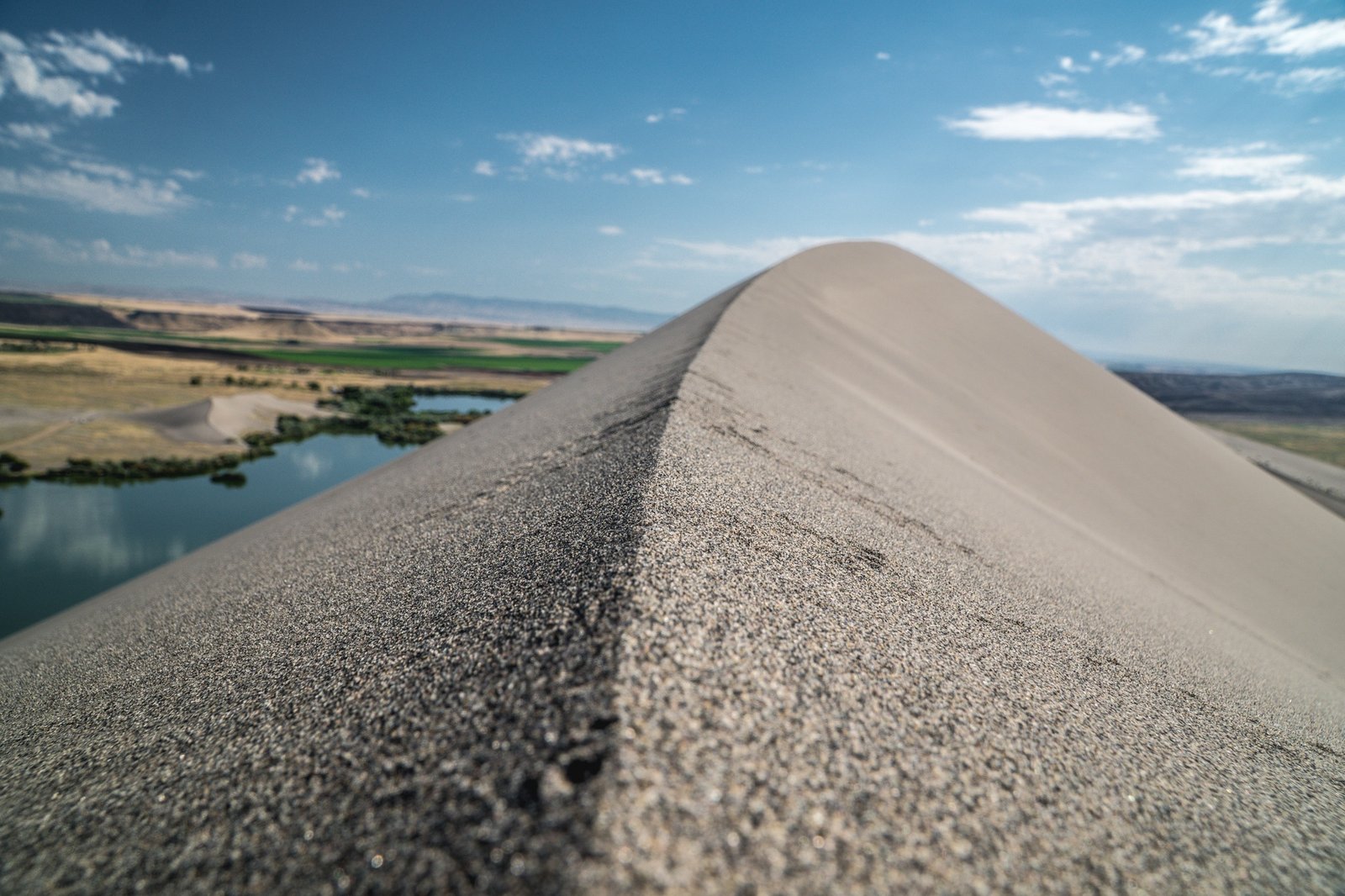
While Bruneau Dunes became an official state park in 1967, its origins date back roughly 15,000 years. The initial sand deposits are the leftover remnants of the cataclysmic Bonneville Flood—when an ancient prehistoric lake in Utah breached its natural dam and sent a wall of water rushing down the Snake River basin. Over millennia, prevailing winds trapped that sand in an ancient river depression, continuously sweeping it upward to create the 470-foot behemoth that stands today.
How to Get to Bruneau Dunes State Park
Bruneau Dunes State Park is located in southwest Idaho, nestled in the Snake River Plain between Boise and Twin Falls. Its central location makes it an easy day trip or a convenient stop on a larger southern Idaho road trip.
Approximate drive times and distances from nearby regional hubs include:
- Mountain Home: ~20 miles | 25 to 30 minutes
- Boise: ~64 miles | 1 hour, 10 minutes
- Twin Falls: ~83 miles | 1 hour, 30 minutes
- Pocatello: ~188 miles | 2 hours, 45 minutes
- Idaho Falls: ~235 miles | 3 hours, 15 minutes
Best Time to Visit Bruneau Dunes State Park
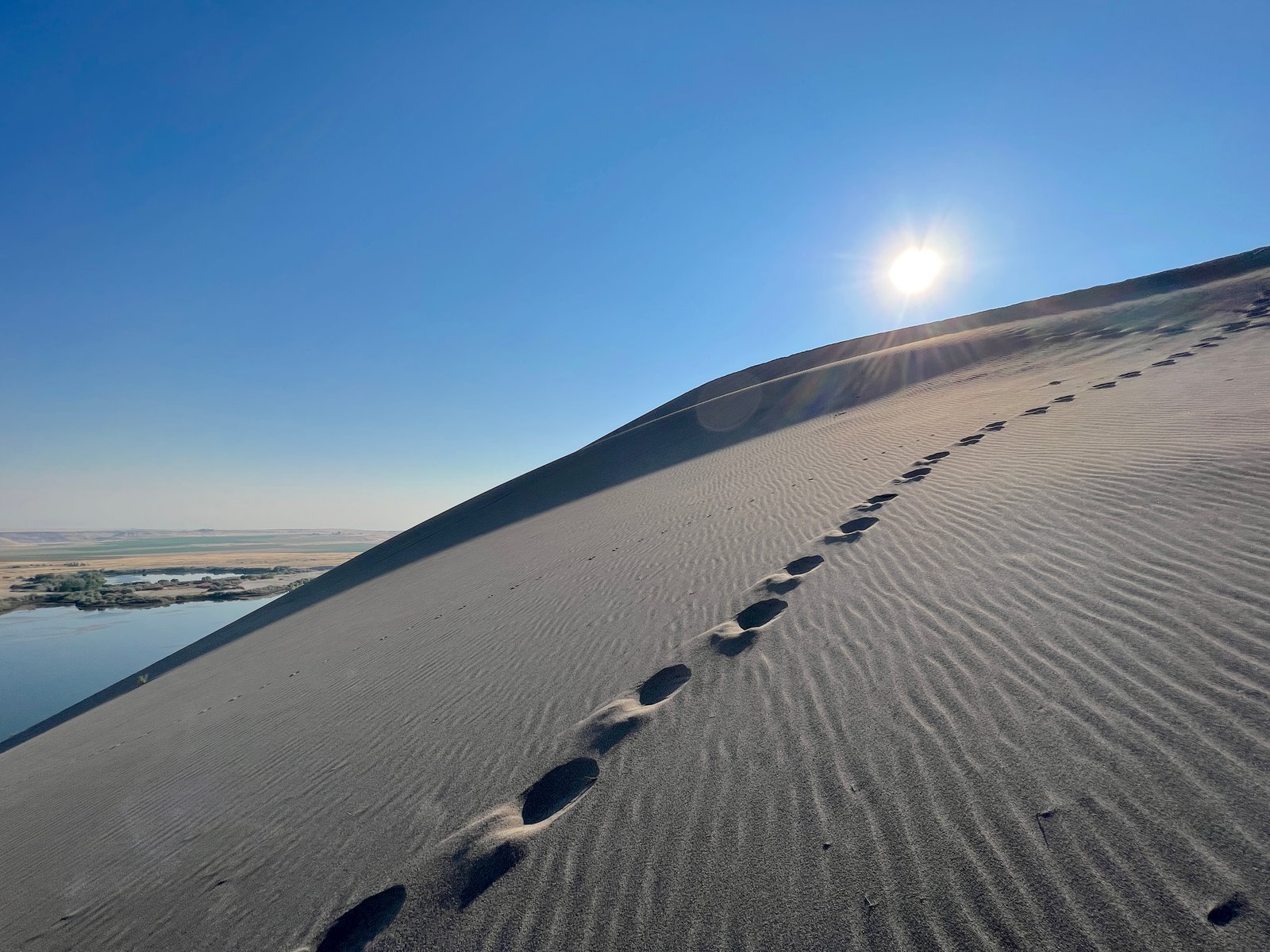
Because Bruneau Dunes sits right in a southern Idaho desert basin, timing your visit makes all the difference between an incredible adventure and an exhausting sweatfest.
- Best Seasons (Spring & Fall): The absolute ideal times to visit are spring (March through May) and fall (September through November). During these months, daytime temperatures are mild and comfortable, making it much easier to hike the trails, climb the big dune, and camp without battling extreme heat.
- Summer Visits (Handle with Care): Summer brings gorgeous clear skies for stargazing, but daytime temperatures regularly soar past 100°F. If you are visiting during the peak summer months, the golden rule is to arrive early. Tackle your active outdoor exploring right when the park opens in the morning, because the desert sand gets scorching hot by midday.
- Winter: While the park stays open year-round for cold-weather hikers and campers, winter brings freezing temperatures. Keep in mind that campground water is shut off for the season to prevent freezing, meaning you must pack in all your own water. Furthermore, while the public observatory offers very limited weekend programs in the winter, sessions are frequently canceled or restricted due to cold and inclement weather.
What to Bring to Bruneau Dunes State Park
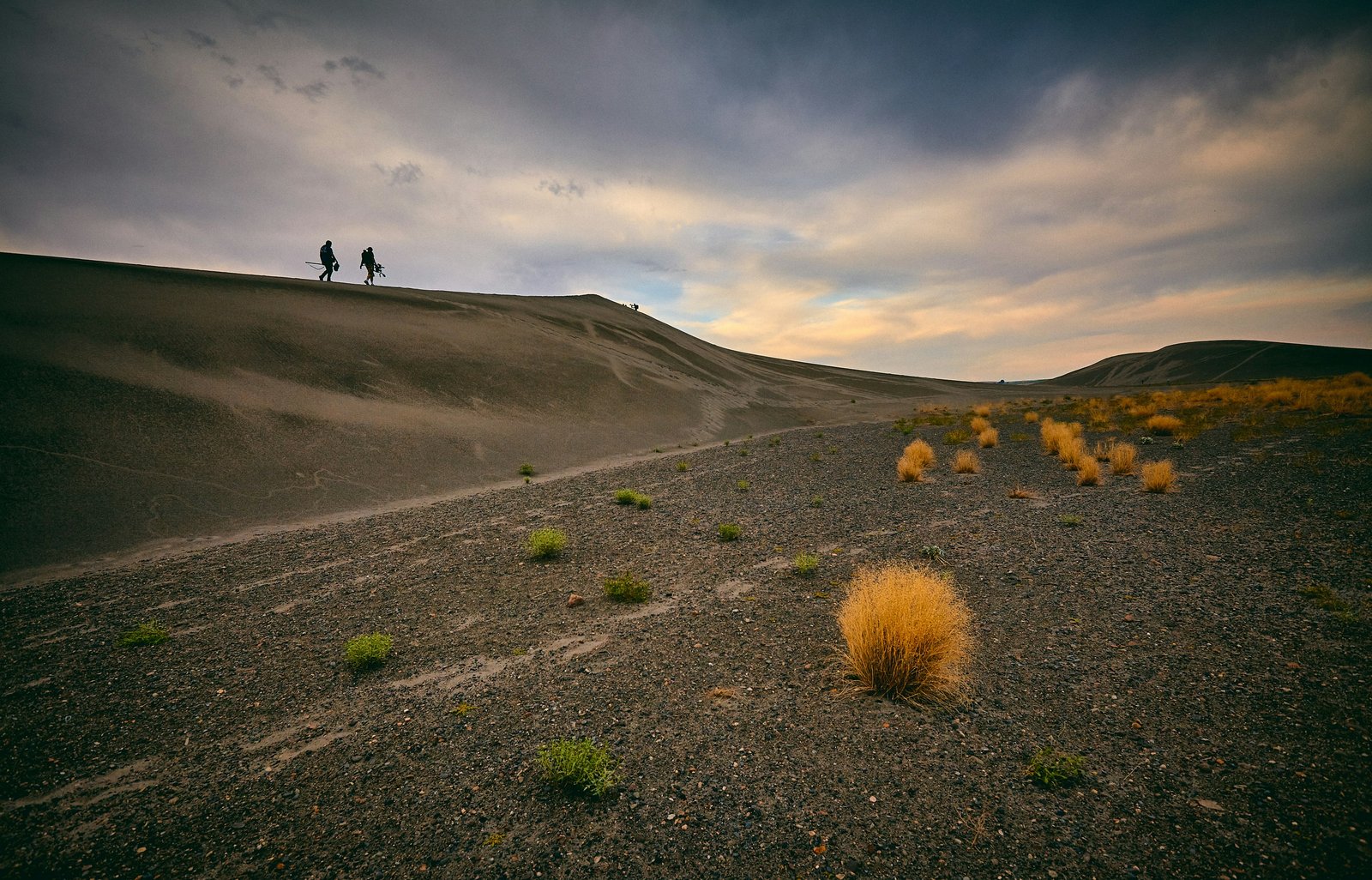
Visiting a desert state park means packing a little differently than you would for a standard mountain hike or forest campground. Because shade is minimal and the elements can shift quickly, make sure your packing list includes:
- Plenty of Water: This is the absolute #1 essential. Bruneau Dunes is a high desert environment, and hiking up shifting sand requires much more physical exertion (and hydration) than you think. Bring way more drinking water than you normally would for a day trip. Simple Modern Water Bottle Jugs pair great with the desert because they keep water ice-cold for hours, even when sitting in a hot car or out in the sun.
- A Packed Lunch & Snacks: There are no major restaurants or grocery stores inside the park or immediately surrounding it. Pack a hearty cooler with plenty of food, lunch items, and high-energy snacks so you don’t have to drive all the way back to Mountain Home just to grab a bite to eat.
- Sun Protection: There is virtually no natural shade out on the massive dunes. Pack high-SPF sunscreen, polarized sunglasses, a wide-brimmed hat, and lightweight, sun-protective clothing. Our favorite sun protection combo is the Soothfeel Women’s UPF 50+ Sun Protection Hoodie, the FURTALK Wide Brim Sun Hat, and Earth Mama Mineral Sunscreen SPF 40. Together, they provide excellent coverage and help us stay comfortable on long, sunny hikes with minimal shade.
- Sturdy Footwear or Sandboarding Gear: Hiking up loose sand in standard sneakers means you will constantly be emptying sand out of your shoes. If you have your own sandboard and specialized wax, definitely throw them in the car! Otherwise, you can rent boards at the visitor center, but bringing your own saves time and rental fees.
- An LED Flashlight or Headlamp: If you plan on staying late for the evening observatory program or walking around camp after dark, bring a flashlight. (Bonus tip: If you use a UV/LED flashlight to scan the ground at night, you might even spot glowing scorpions!)
- Layers for the Evening: Once the sun goes down, desert temperatures can drop rapidly—especially during the spring and fall shoulder seasons. Always pack an extra fleece, jacket, or blanket if you’re staying for stargazing.
Park Amenities & Campground Info
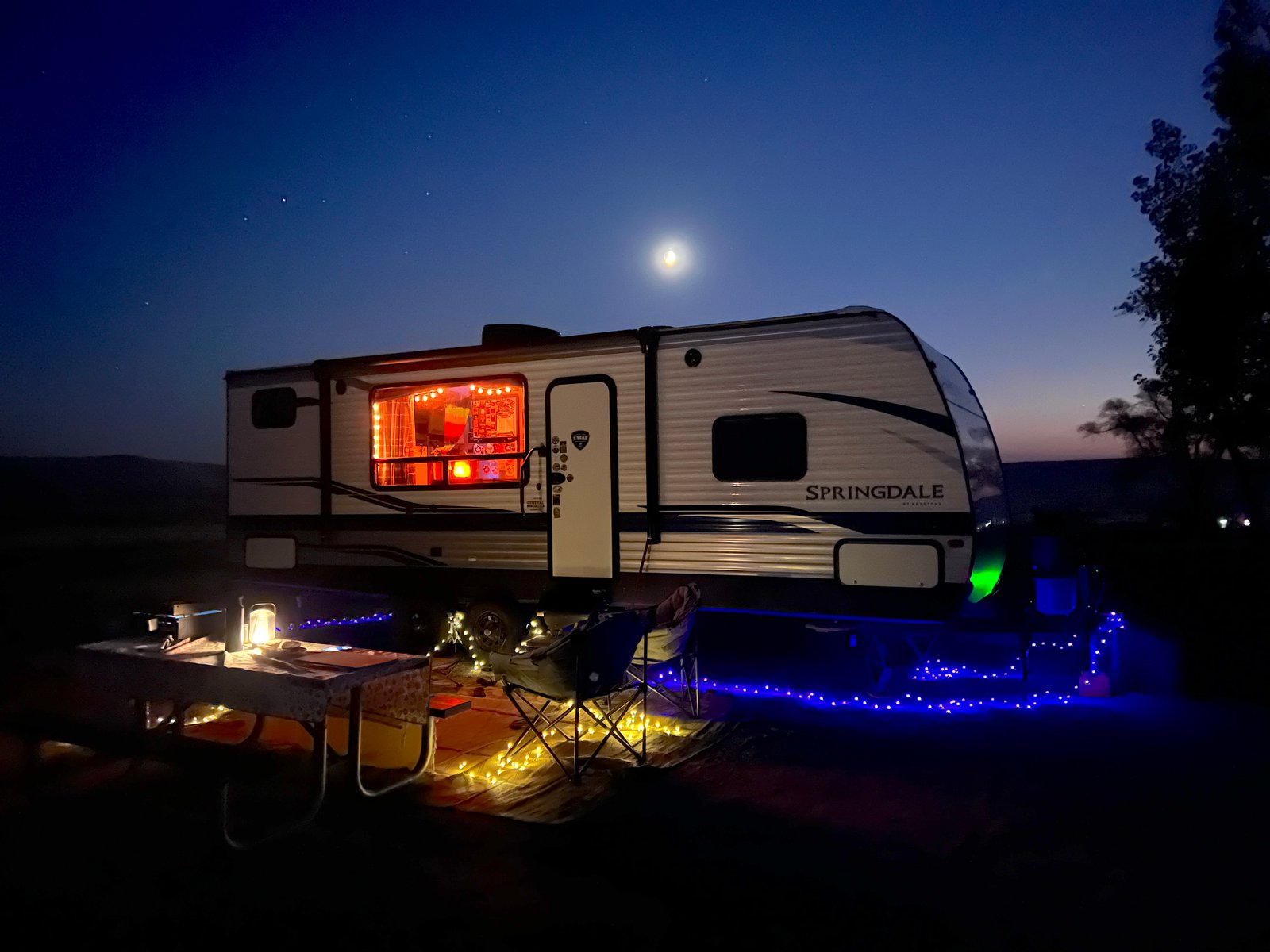
Whether you are dropping in for a quick afternoon of exploring or hitching up your travel trailer for a multi-night desert stay, Bruneau Dunes offers well-maintained facilities to make your visit comfortable.
- The Visitor Center: Start your trip here to grab trail maps, browse exhibits, check out interpretive information, rent sandboards, or pick up a souvenir.
- The Public Observatory: One of the park’s crown jewels, the observatory features powerful public telescopes hosted by staff astronomers, offering incredible views of deep-space objects under some of the darkest skies in the region. (Note: Regular public programs typically run from spring through fall, with very limited or weather-dependent winter sessions.)
- Desert Lakes & Fishing: Tucked near the base of the dunes are two small desert lakes (Dune Lake and Custer Lake) where visitors can fish for largemouth bass, bluegill, and channel catfish, or simply enjoy a quiet shoreline view.
- The Campgrounds (Eagle Cove & Broken Wheel): The park features over 100 campsites split primarily between two loops—Eagle Cove and Broken Wheel.
- RV & Trailer Hookups: Most sites feature 30-amp or 50-amp electrical service along with water hookups. While individual sites do not have direct sewer hookups, a convenient on-site dump station is available for registered campers.
- Comfort Stations: The campground bathhouses feature flush toilets and free hot showers, which feel like an absolute luxury after a dusty day of climbing sand dunes! (Remember: As noted above, water and flush facilities are shut down in the dead of winter to prevent freezing, so winter campers need to be completely self-contained.)
- Cabins: If you aren’t camping in an RV or tent, the park also offers cozy year-round rental cabins.
Where to Stay Nearby (If the State Park Campground is Full)
While staying right inside Bruneau Dunes State Park (in the Eagle Cove or Broken Wheel loops) is the ultimate convenience—especially if you’re towing a travel trailer—the park’s popular sites can book out months in advance during peak spring and fall weekends.
If you need an alternative basecamp nearby, check out these options within a 25-to-30-minute drive:
- Mountain Home, Idaho: Located about 20 to 25 minutes north of the park, Mountain Home acts as the closest full-service hub. You’ll find several well-maintained commercial RV parks (like Mountain Home RV Park or Wagon Wheel RV Park) offering full hookups, pull-through sites, and standard amenities, alongside traditional motels and grocery stores.
- Three Island Crossing State Park (Glenns Ferry): Situated roughly 30 minutes east along the Snake River, this neighboring Idaho state park offers great camping options with utility hookups and rich pioneer history if you want to switch scenery.
- Carmela RV Park at Y Knot Winery: Located about 25 minutes away near Glenns Ferry, this is a fantastic spot if you want to pair your camping or road-tripping adventure with local wine tasting, golf, and vineyard views right along the river.
One Day at Bruneau Dunes: The Ultimate Itinerary
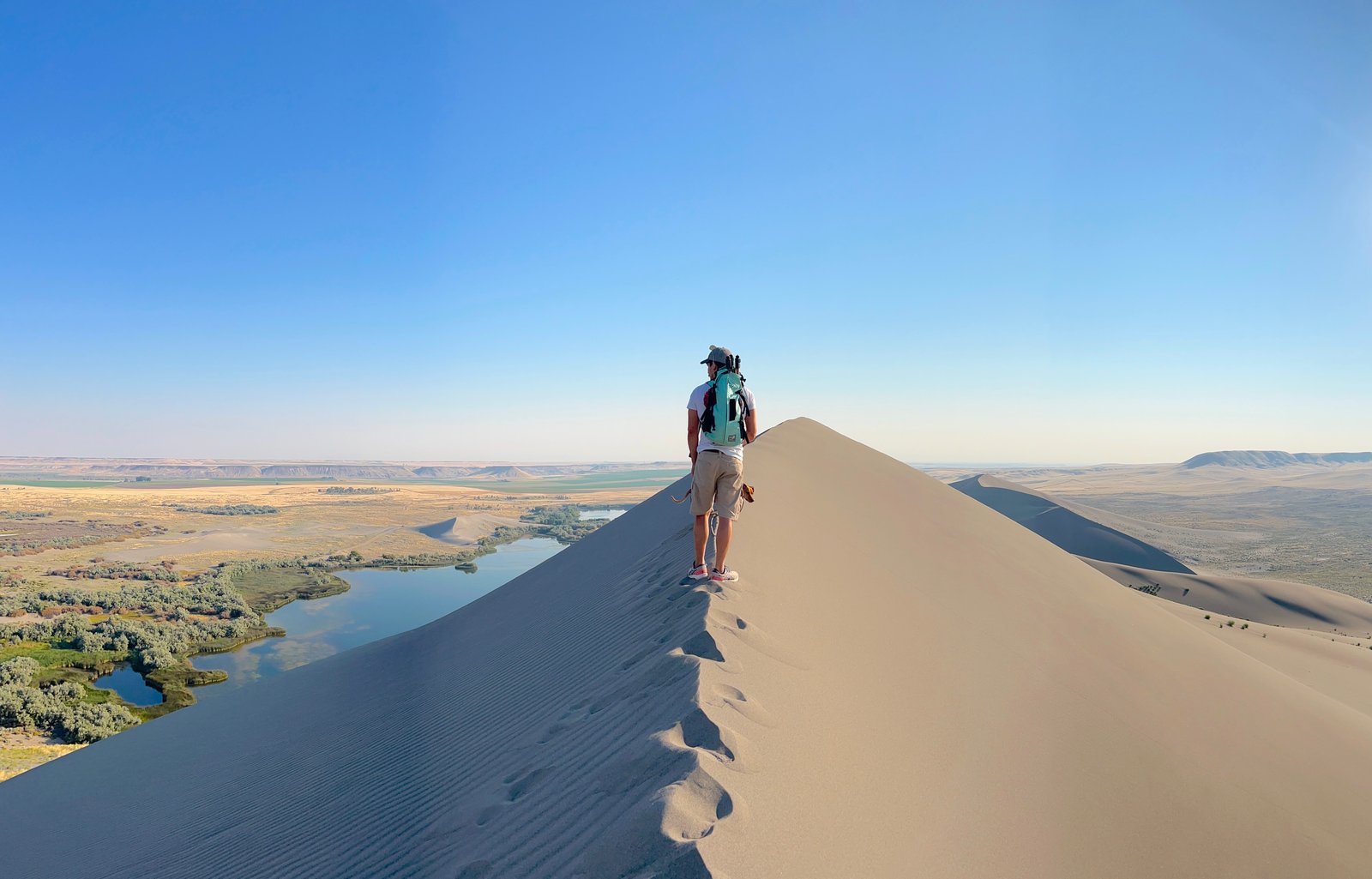
Because of the desert environment—especially the blazing heat during peak season—pacing your day correctly is key. This step-by-step itinerary ensures you hit the highlights, avoid the worst of the midday sun, and experience the park’s best features.
Morning: Conquering the Big Dune & Sandboarding (8:00 AM – 11:30 AM)
- Start Early: Hit the park first thing in the morning while the air is crisp and the sand is cool.
- Stop by the Visitor Center: Head inside to pay your day-use fee (if you don’t have an annual parks passport), grab a trail map, and either rent sandboards or break out your own gear.
- Hike the Big Dune Trail: Take on the trek toward North America’s tallest single-structured sand dune (470 feet). Climbing straight up shifting sand is an incredible workout, so take your time, stay hydrated, and enjoy the sweeping desert vistas from the ridge.
- Hit the Slopes: Find a clean, safe slope away from foot traffic, wax up your board, and slide back down. Expect to spend plenty of laughs (and extra sweat) walking back up for a second or third run!
Midday: Lunch, Desert Lakes, & Rest (11:30 AM – 3:30 PM)
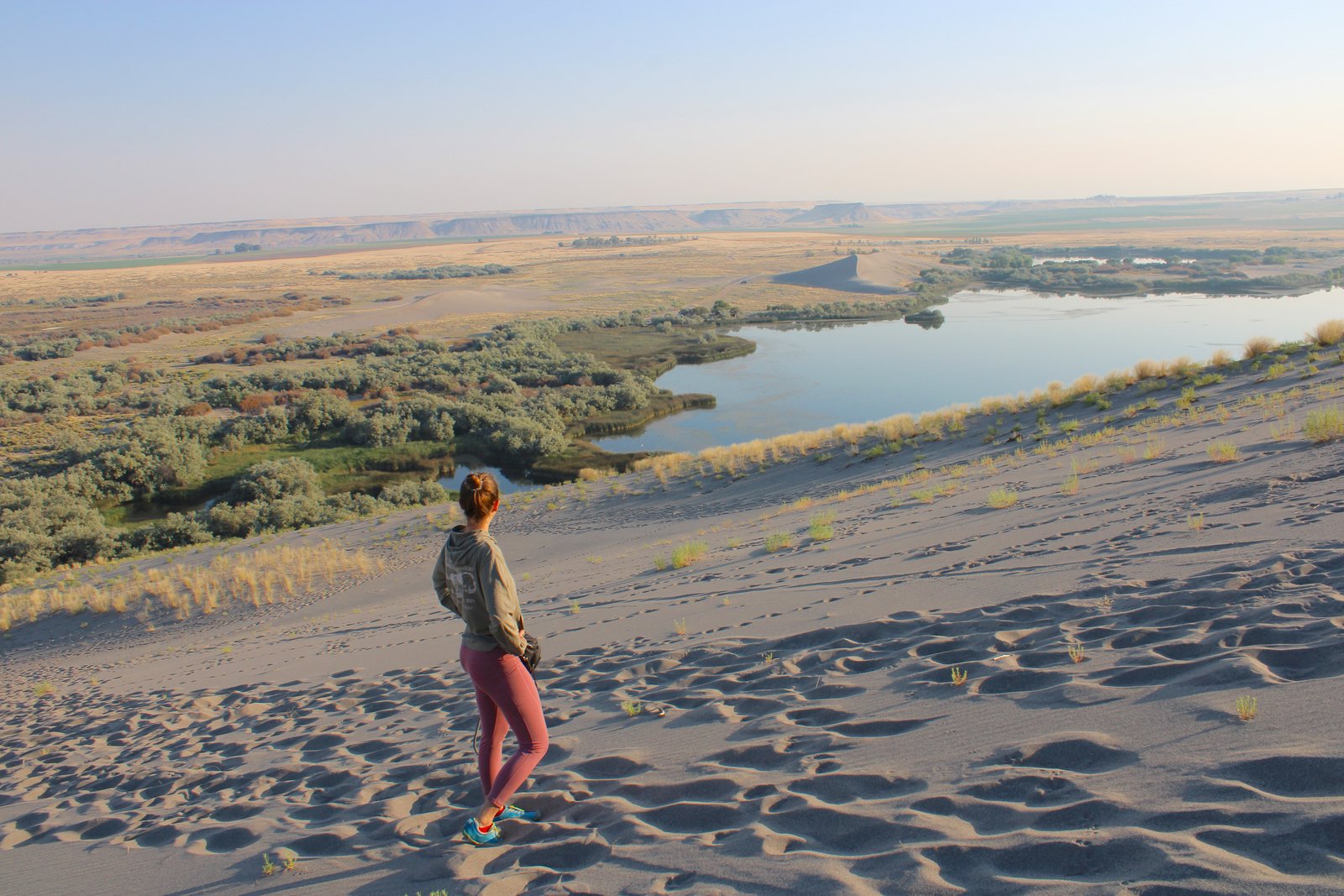
- Escape the Heat: By midday, the desert sun and sand temperatures reach their peak. This is the ideal time to head back to your vehicle, your travel trailer, or a shaded picnic area to cool off.
- Enjoy a Packed Lunch: Grab a relaxing lunch from your cooler and hydrate.
- Explore Dune Lake: Take a leisurely stroll near the water’s edge or check out Custer Lake. While swimming isn’t the primary focus, you can fish for bass and bluegill or watch for local desert wildlife and waterfowl.
Late Afternoon: Trails & Campground Relaxing (3:30 PM – 6:30 PM)
- Explore Lesser Trails: As the temperature starts to drop in the late afternoon, tackle a shorter hike like the Desert Dune Trail or check out the interpretive displays around the park.
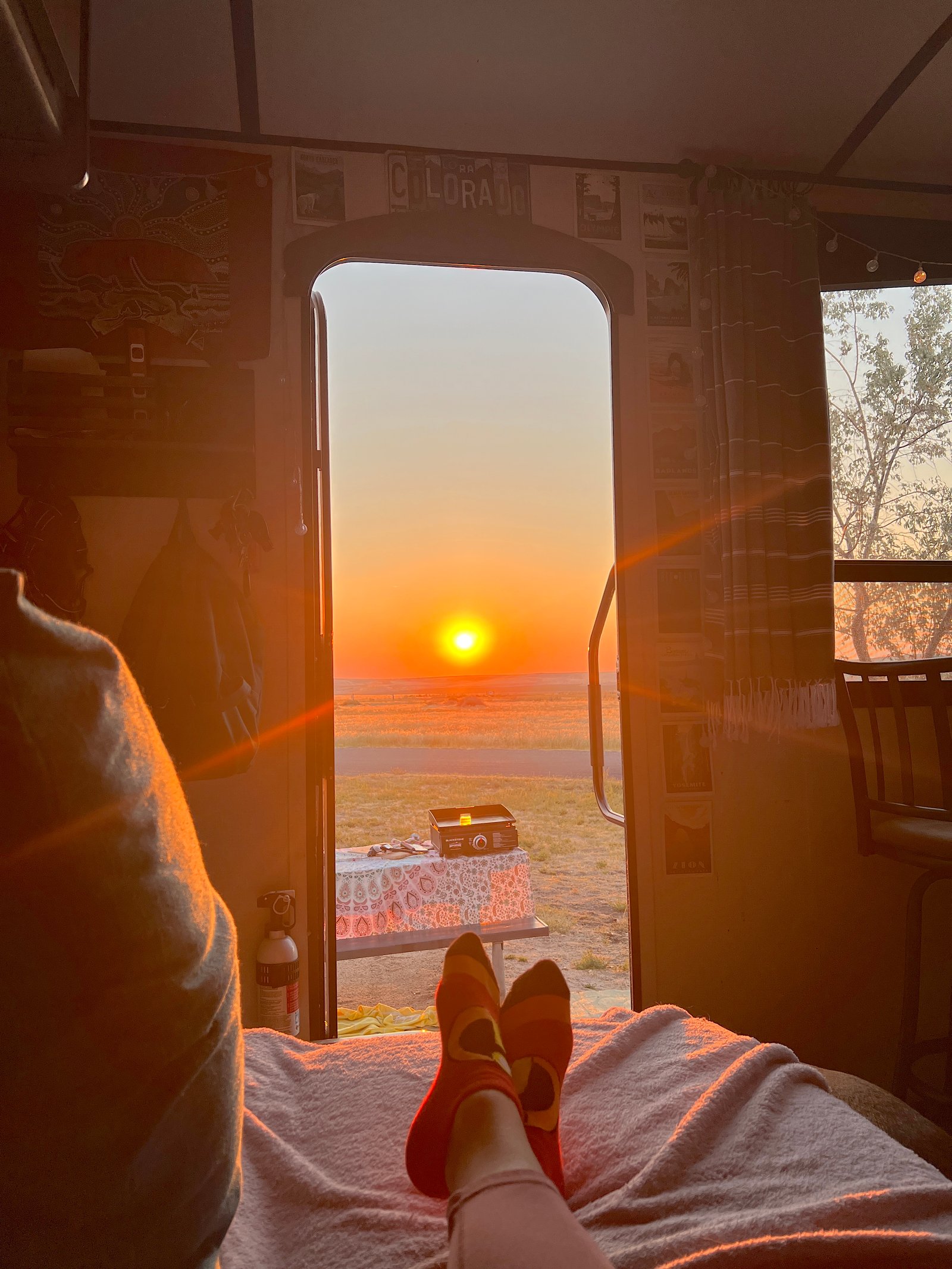
- Set Up Camp or Prep for Evening: If you’re staying overnight in the Eagle Cove or Broken Wheel campgrounds, take this time to get your site ready, fire up the camp stove for dinner, or catch a stunning desert sunset over the dunes.
Evening: Stargazing at the Public Observatory (7:00 PM Onward)
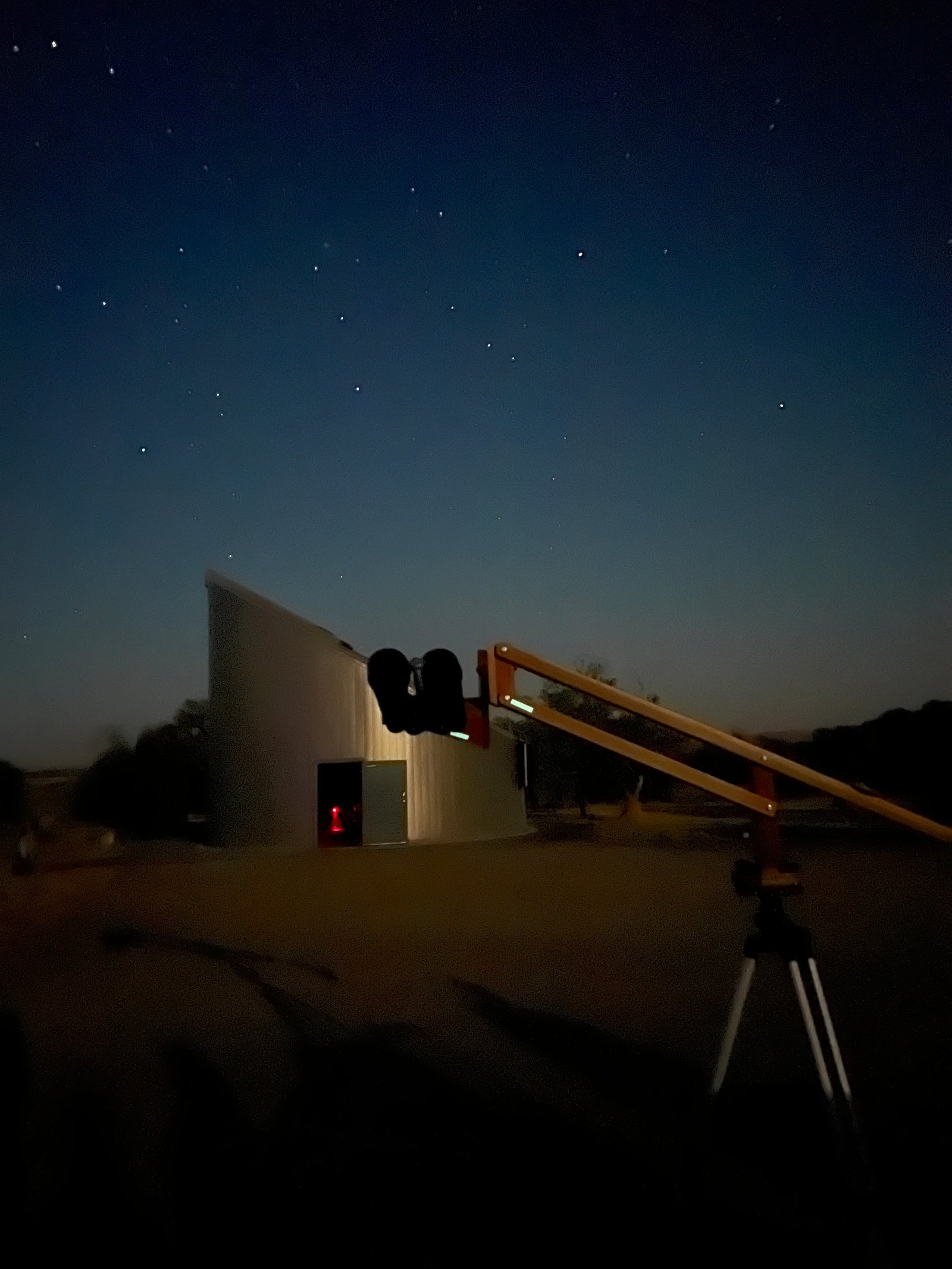
- Head to the Observatory: Wrap up your day at one of the park’s biggest highlights—the Bruneau Dunes Public Observatory (open Friday and Saturday nights during peak season).
- The Program: Grab your tickets ($5 per person or $20 for a family) and settle in for an engaging multimedia astronomy presentation and planetarium-style show.
- Peer Through Giant Telescopes: Step outside to look through the massive 25-inch and 27.5-inch Newtonian reflector telescopes. Viewing distant galaxies, rings of planets, and glowing nebulae under official International Dark Sky Park conditions is an unforgettable way to end your day.
Other Things to Do Nearby
If you are turning your trip to Bruneau Dunes into a longer weekend getaway or a southern Idaho road trip, there are several incredible sights within a short drive:
- C.J. Strike Reservoir (approx. 35–40 mins away): A massive, scenic water playground sitting along the Snake River. It’s a popular spot for boating, windsurfing, and fantastic warm-water fishing if you want to swap the desert sand for wide-open water.
- Snake River Birds of Prey National Conservation Area (approx. 35 mins away): A dramatic canyon landscape that protects one of the densest concentrations of nesting raptors (falcons, eagles, and hawks) in North America. Perfect for a scenic drive and wildlife viewing.
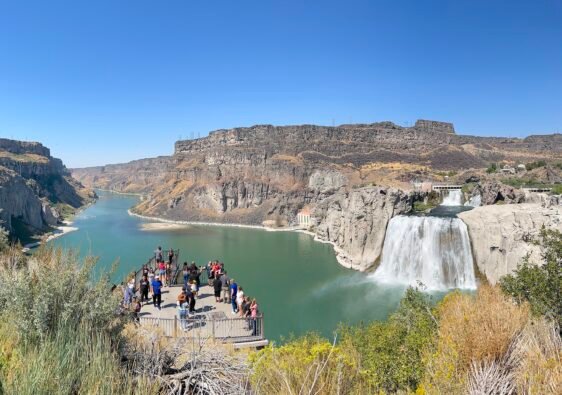
- Twin Falls & Shoshone Falls (approx. 1.5 hours southeast): Head down toward Twin Falls to witness the stunning “Niagara of the West” at Shoshone Falls, walk across the massive Perrine Bridge, or explore incredible hidden oasis spots like Blue Heart Springs and Box Canyon State Park.
- Three Island Crossing State Park (approx. 30 mins east): Located in Glenns Ferry, this historic site marks where pioneers crossed the Snake River on the Oregon Trail. It features great interpretive exhibits, wagon ruts, and lovely riverfront walking paths.
Pro Tips for Visiting Bruneau Dunes State Park
To help you make the most of your adventure and avoid common desert travel pitfalls, keep these quick tips in mind:
- Watch the Sandboard Rental Cutoffs: If you plan on renting sandboards at the visitor center rather than bringing your own, keep in mind that rentals typically stop early in the afternoon (around 3:00 PM) or whenever summer temperatures spike past 80°F to prevent burns from scorching sand. Get there early!
- Expect Spotty Cell Service: Cell service inside the park basin and around the campgrounds can be minimal or completely non-existent. Download your trail maps, offline GPS routes, or park guides ahead of time.
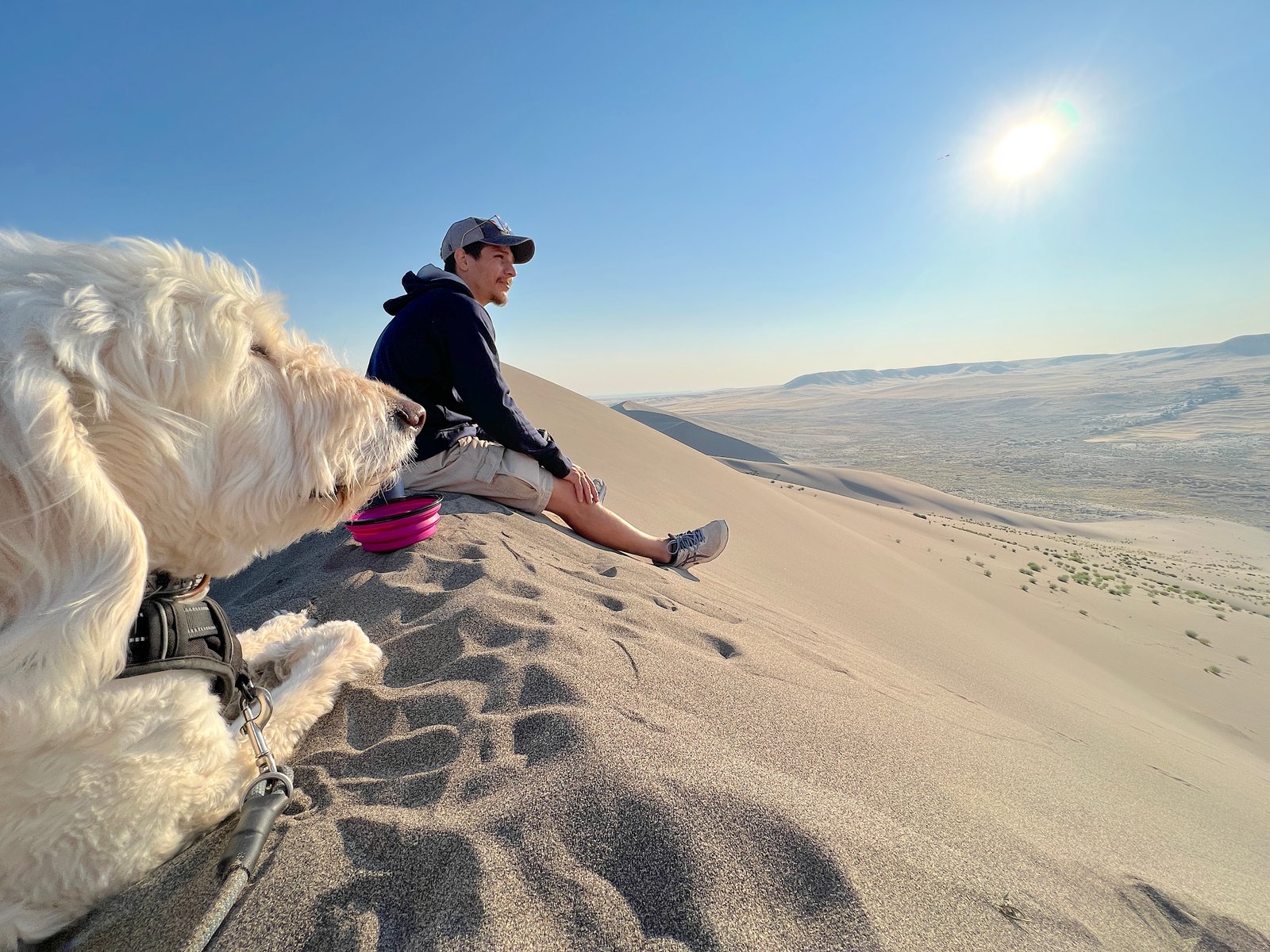
- Protect Your Pets’ Paws: If you are traveling with dogs, remember the golden rule of desert hiking: if the sand is too hot for your bare hand or foot, it is way too hot for their paws. Stick to early morning dune walks or keep them on shaded campground paths during peak heat hours.
- Drones Are Restricted: To protect local wildlife and preserve the quiet desert atmosphere, unmanned aircraft systems (drones) are strictly prohibited outside of the park’s designated UAV flying area. Check with a park ranger if you plan on flying.
- Pack Layers for Stargazing: Even if you visit during a warm spring or summer day, the desert temperature plummets rapidly as soon as the sun dips below the horizon. Always throw a jacket or fleece into the car if you are staying late for the observatory program.
Frequently Asked Questions About Visiting Bruneau Dunes State Park
Can you swim in the lakes at Bruneau Dunes?
While the park features two desert lakes (Dune Lake and Custer Lake) near the base of the dunes, they are primarily utilized for non-motorized watercraft, shoreline relaxing, and fishing rather than designated swimming beaches.
Are dogs allowed on the sand dunes?
Yes, dogs are welcome in the park, but they must be kept on a physical leash no longer than 6 feet at all times. If you visit during warmer months, keep a close eye on the sand temperature—desert sand gets scorching hot and can easily burn sensitive paw pads during midday.
Can you bring your own sandboard?
Absolutely! Bringing your own sandboard and specialized wax is a great way to save money and skip rental lines at the visitor center. Just make sure your board is smooth and meant for sand, as traditional snowboards won’t glide well.
Is Bruneau Dunes State Park open year-round?
Yes, the park grounds, day-use areas, and campgrounds remain open year-round. However, keep in mind that winter brings freezing temperatures, campground water lines are shut off seasonally, and the public observatory operates on a very limited, weather-dependent winter schedule.
Conclusion: Plan Your Adventure to Bruneau Dunes
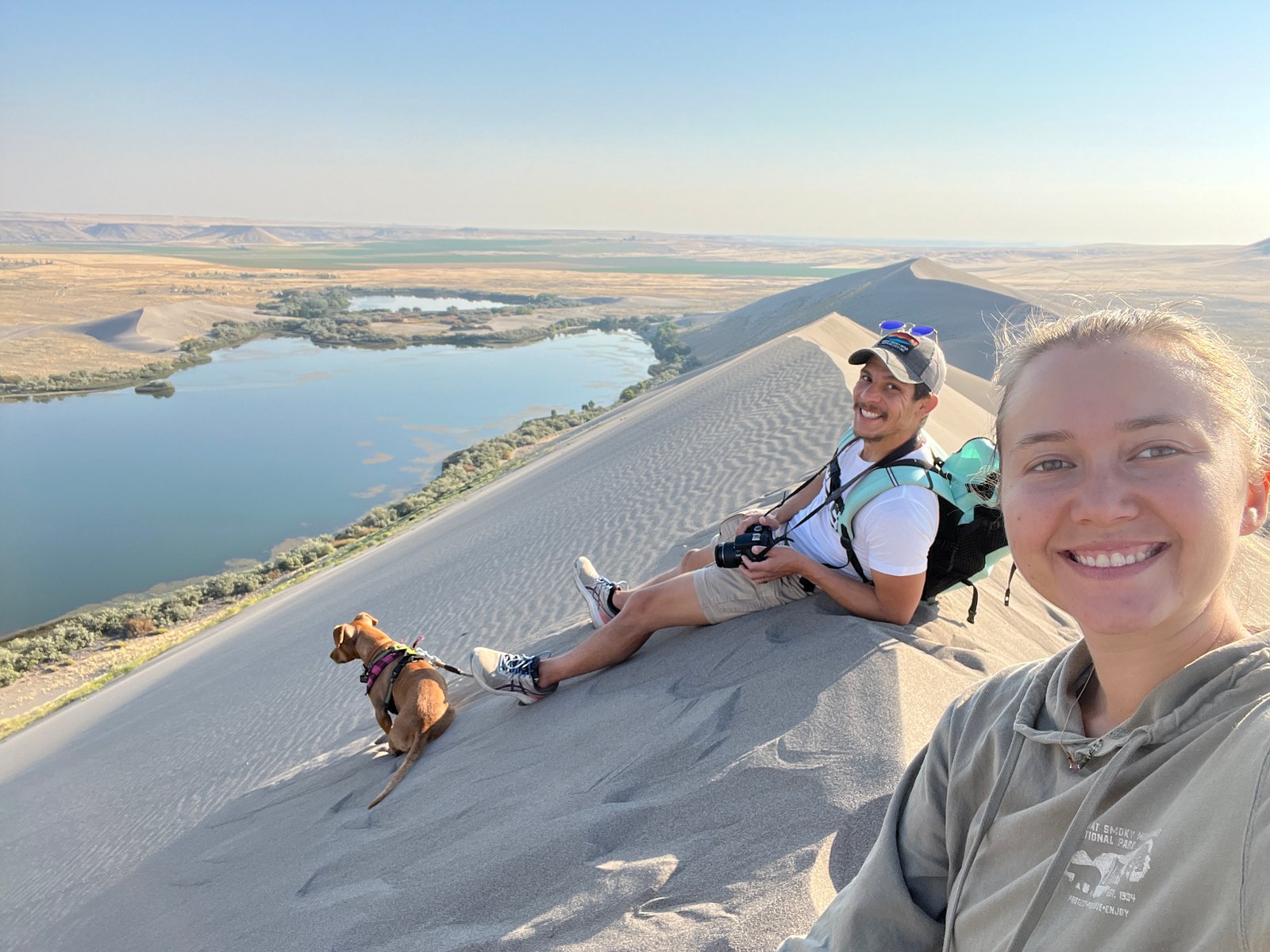
Whether you are looking for an action-packed weekend of towing your travel trailer to a desert oasis, conquering towering sand mountains, or gazing through massive telescopes at distant galaxies, Bruneau Dunes State Park offers an unforgettable getaway. By planning your timing around the desert heat, packing plenty of water, and pacing your day from the dunes to the dark skies, you are guaranteed an incredible Idaho adventure.
Pack your gear, grab your sandboard, and get ready to experience one of the most unique landscapes in the Pacific Northwest!
Helpful Links & Resources
To help you finalize your trip planning, check out these official resources:
- Official Idaho State Parks – Bruneau Dunes Page – Check current campground availability, alert notices, and vehicle entrance fee updates.
- Idaho State Parks Event Calendar – View seasonal public observatory schedules, presentation times, and special night-sky viewing events.Idaho Parks and Recreation
- Reserve Idaho Campground Booking Portal – Secure your RV or tent site in the Eagle Cove or Broken Wheel loops ahead of peak spring and fall weekends.
More Idaho Adventures
Planning a trip through Idaho? Check out these other Idaho adventures and travel guides to help you discover more of the state’s scenic trails, outdoor activities, and hidden gems.