
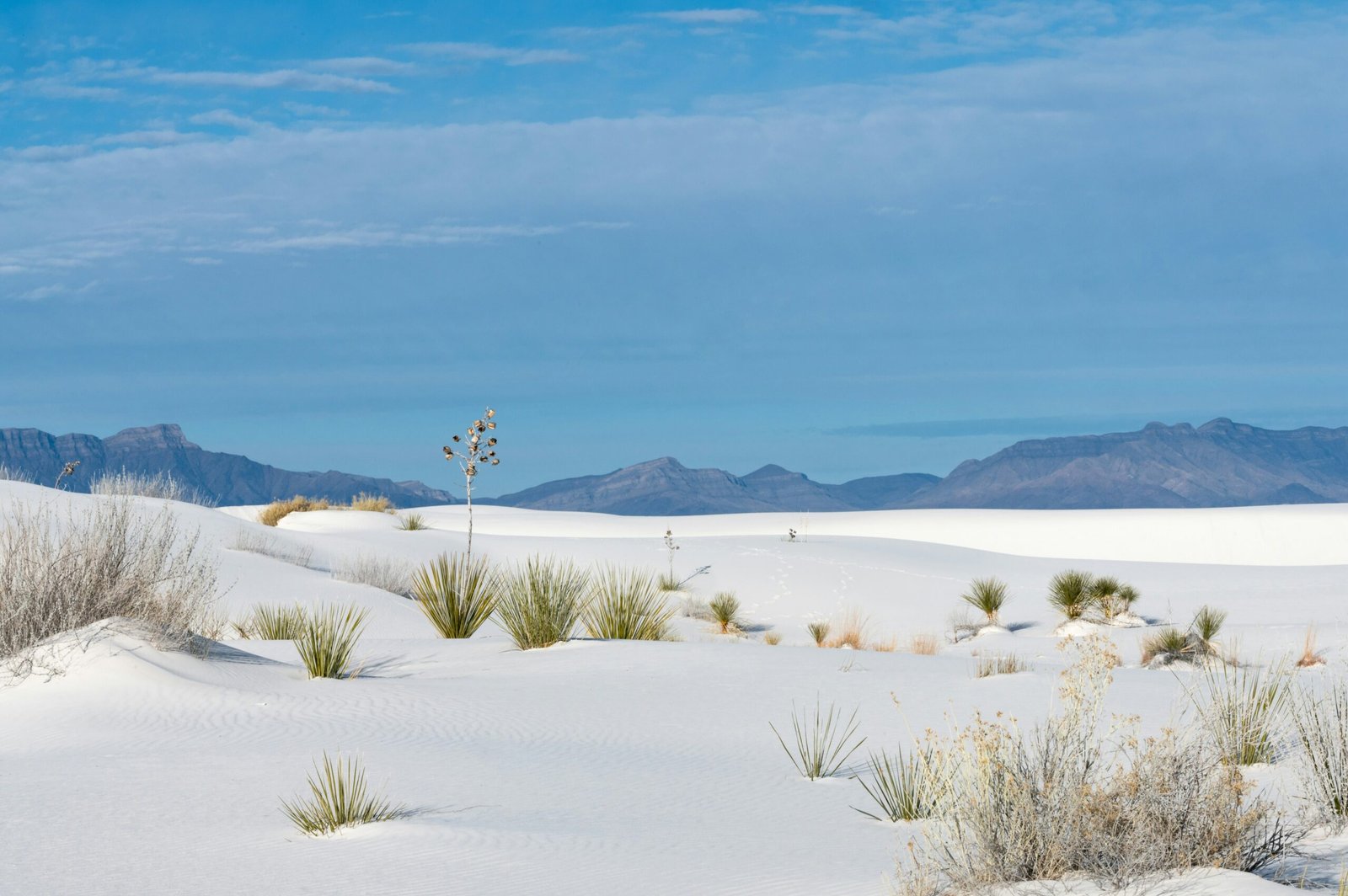
Stepping onto the sparkling gypsum dunes of White Sands National Park feels like walking into another world. Stretching across 275 square miles of Southern New Mexico, these brilliant white wave-like dunes create one of the most stunning and unique landscapes in the entire American Southwest.
Whether you are looking to zoom down the dunes on a sand sled, hike past desert flora, or catch an unforgettable desert sunset as the sand shifts to shades of pink and purple, White Sands delivers an unforgettable adventure. But because the park is so vast and the desert elements can be intense, having a game plan is essential to making the most of your trip.
In this complete guide, we’ll cover all the top things to do in White Sands National Park, essential packing and visit tips, and a step-by-step 1-day itinerary to help you experience the very best of this incredible park.
This post contains affiliate links, so we may earn a small commission when you make a purchase through links on our site at no additional cost to you.
White Sands National Park: Quick Facts
- What It’s Known For: Protecting over 4.5 billion tons of pure gypsum sand, White Sands is the largest gypsum dune field in the world.
- Size & Location: Encompassing nearly 146,000 acres in Southern New Mexico’s Tularosa Basin, White Sands sits roughly 15 miles west of Alamogordo along US-70 and 85 miles north of El Paso, Texas.
- Entrance Fees: Entry is $25 per vehicle (valid for 7 days) or free with an America the Beautiful Pass. No timed-entry or advance vehicle reservations are required—you can simply pay at the gate upon arrival.
- Park Hours: The park opens daily year-round at 7:00 AM, with closing times shifting seasonally (typically 30 to 60 minutes after sunset).
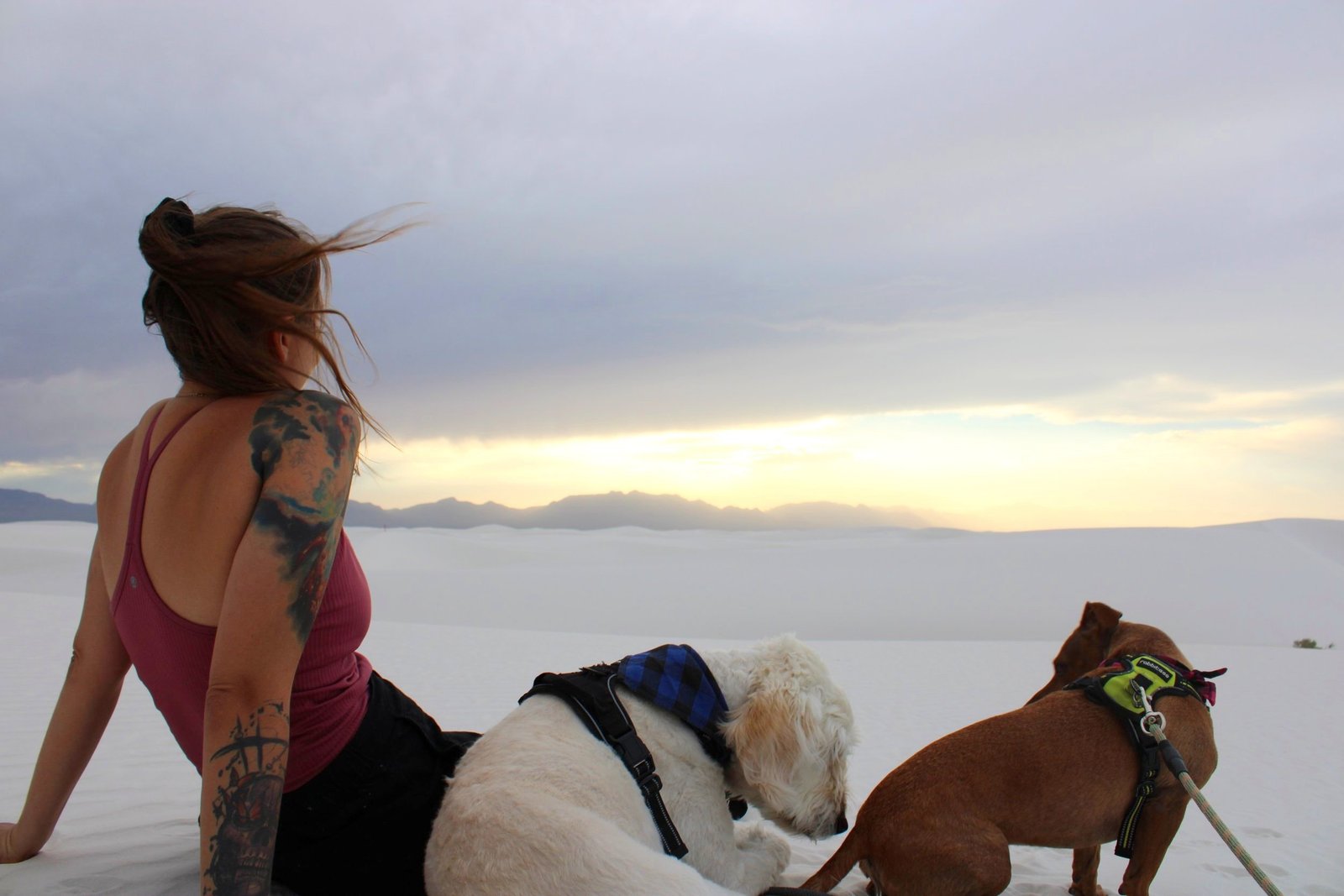
- Pet Policy: White Sands is exceptionally dog-friendly! Leashed pets are welcome on all trails, roads, and open dune areas. Pets are not permitted inside federal buildings like the Visitor Center.
- Water & Amenities: Water, gas, and food are not available inside the dune field. Water is only available at the Visitor Center near the entrance, so bring at least 1 gallon of water per person for the day.
- Sun Protection Warning: Because the bright white gypsum reflects UV rays from all directions (much like snow), wear polarized sunglasses, a wide-brim hat, UPF clothing, and sunscreen—even on cooler or overcast days.
- Cell Service: Coverage inside the park is spotty to non-existent, especially deep within the dunes. Be sure to download offline maps and trail details.
- Missile Range Closures: Because the park is entirely surrounded by the active White Sands Missile Range, both Dunes Drive and US-70 can occasionally close for up to 3 hours during military testing. Always check the official NPS alert page or call the missile range closure hotline before heading out.
How to Get to White Sands National Park
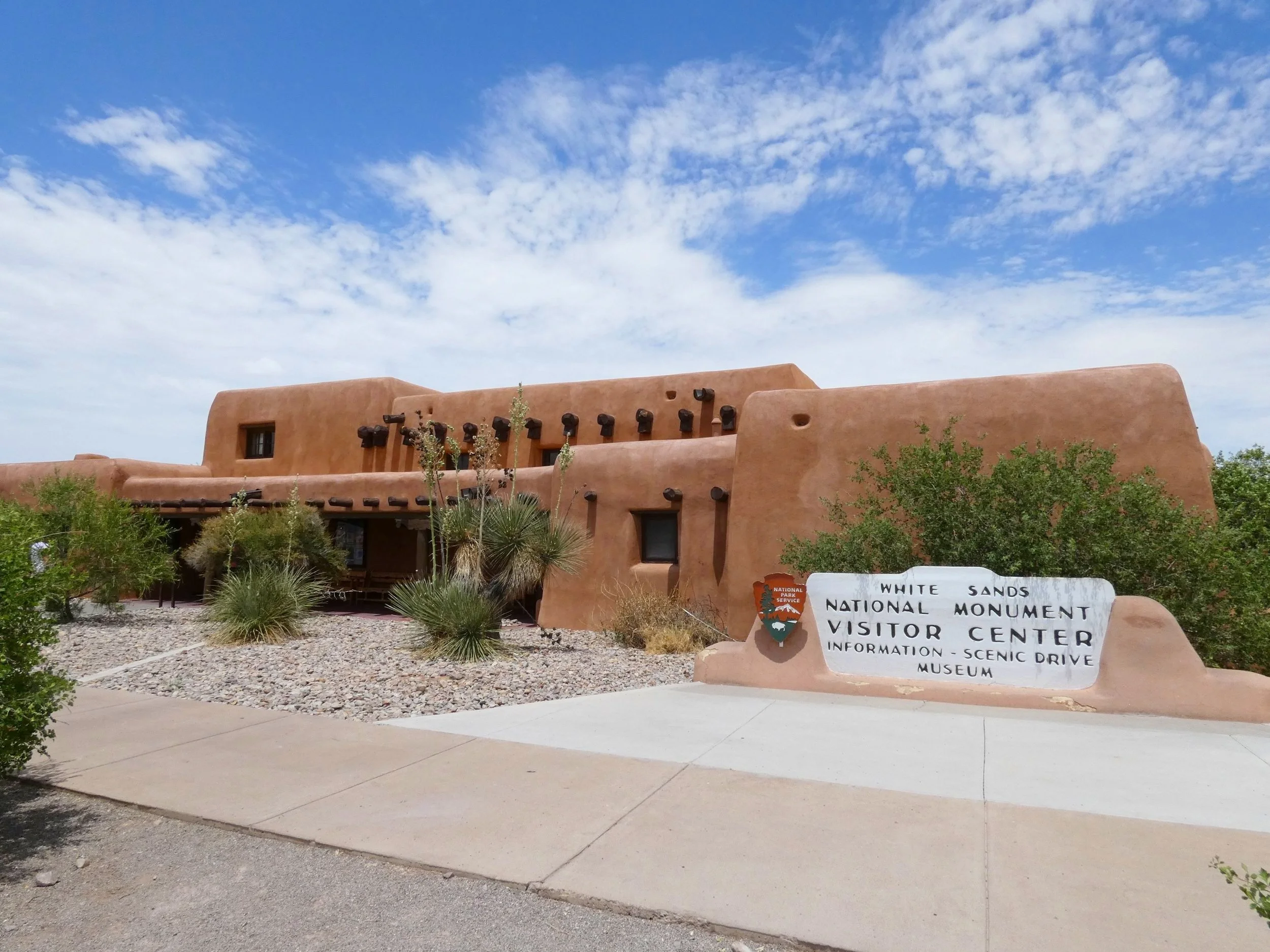
White Sands National Park is located in southern New Mexico along US-70, positioned in the Tularosa Basin. The park is framed by the striking San Andres Mountains to the west and borders Holloman Air Force Base to the east. Because public transit does not run to or through the park, you will need a personal vehicle or rental car to visit.
Driving Times & Distances from Nearby Cities
- Alamogordo, NM: 17 minutes (16 miles)
- Las Cruces, NM: 1 hour (52 miles)
- El Paso, TX: 1.5 hours (95 miles)
- Carlsbad Caverns National Park: 3 hours (181 miles)
- Albuquerque, NM: 3.5 hours (224 miles)
Closest Major Airports
- El Paso International Airport (ELP): The closest major airport to White Sands, located about 95 miles south (a 1.5-hour drive). It offers the best variety of direct flight options and rental car availability.
- Albuquerque International Sunport (ABQ): The best option if you are planning a broader New Mexico road trip. It sits roughly 224 miles north of the park (about a 3.5-hour drive).
Insider Tip: Double-check your GPS navigation before heading out! Make sure your destination is set to White Sands National Park Visitor Center (19955 Highway 70 West) rather than just “White Sands,” or your map app might accidentally direct you to the active White Sands Missile Range gate 25 miles away.
Best Time to Visit White Sands National Park
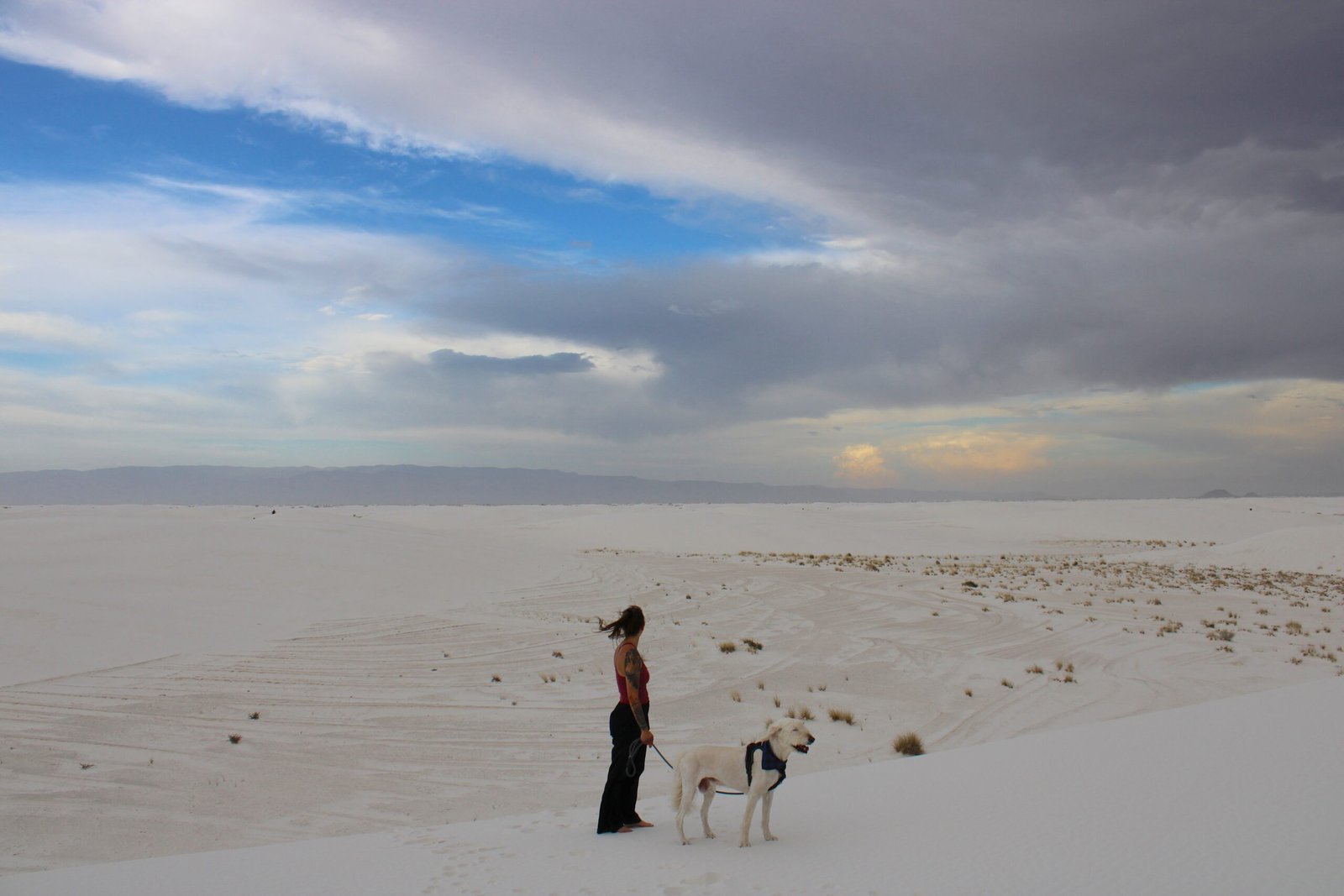
Because White Sands is located in a high desert climate at over 4,000 feet of elevation, weather conditions vary drastically throughout the year.
The overall best time to visit White Sands National Park is in the late fall (October through November). During this window, you will enjoy comfortable daytime temperatures in the 70s, calm winds, and lower crowd levels.
Here is what to expect during each season:
Fall (September – November) | Best Overall
- Weather: Highs range from 70°F to 85°F, dropping into the 40s at night.
- Why Visit: Crisp, sunny days make hiking across the exposed dunes pleasant. Summer rainstorms subside, and fall foliage (cottonwood trees turning bright yellow) peaks nearby in October.
Winter (December – February) | Quietest Season
- Weather: Mild daytime highs (50s to 60s) with freezing nighttime lows (20s to 30s).
- Why Visit: Winter is the off-season, meaning minimal crowds and peaceful trails. While mornings and evenings are cold, afternoon temperatures on the reflective sand feel surprisingly warm. Occasional light snowfall creates a rare and stunning backdrop for photography.
Spring (March – May) | Windiest Season
- Weather: Warm daytime highs (70s to 80s), but gusty conditions are common.
- Why Visit: Spring brings pleasant temperatures and blooming desert wildflowers, making it popular for spring break travelers. However, spring is also the windiest time of year. High winds can whip up gypsum dust, drastically reducing visibility and making hiking uncomfortable.
Summer (June – August) | Hot & Flash Flood Risk
- Weather: Extreme heat, with daily temperatures frequently soaring past 100°F.
- Why Visit: While summer brings long daylight hours, hiking in the afternoon can be dangerous due to extreme heat exposure. July and August also bring monsoon season, bringing sudden, intense afternoon thunderstorms and flash flooding risks. If visiting in summer, stick to early morning or late evening visits.
Pro Tip: Regardless of the season you visit, aim to be inside the park for sunrise or sunset. The low-angle sunlight turns the brilliant white sand into vibrant shades of pink, purple, and gold, making it the best time for photography and cooler temperatures.
Top Things to Do in White Sands National Park
Whether you have a few hours or a full day, White Sands offers a handful of iconic experiences you won’t find anywhere else in the national park system. Here are the absolute best things to do during your visit:
1. Drive the 16-Mile Scenic Dunes Drive
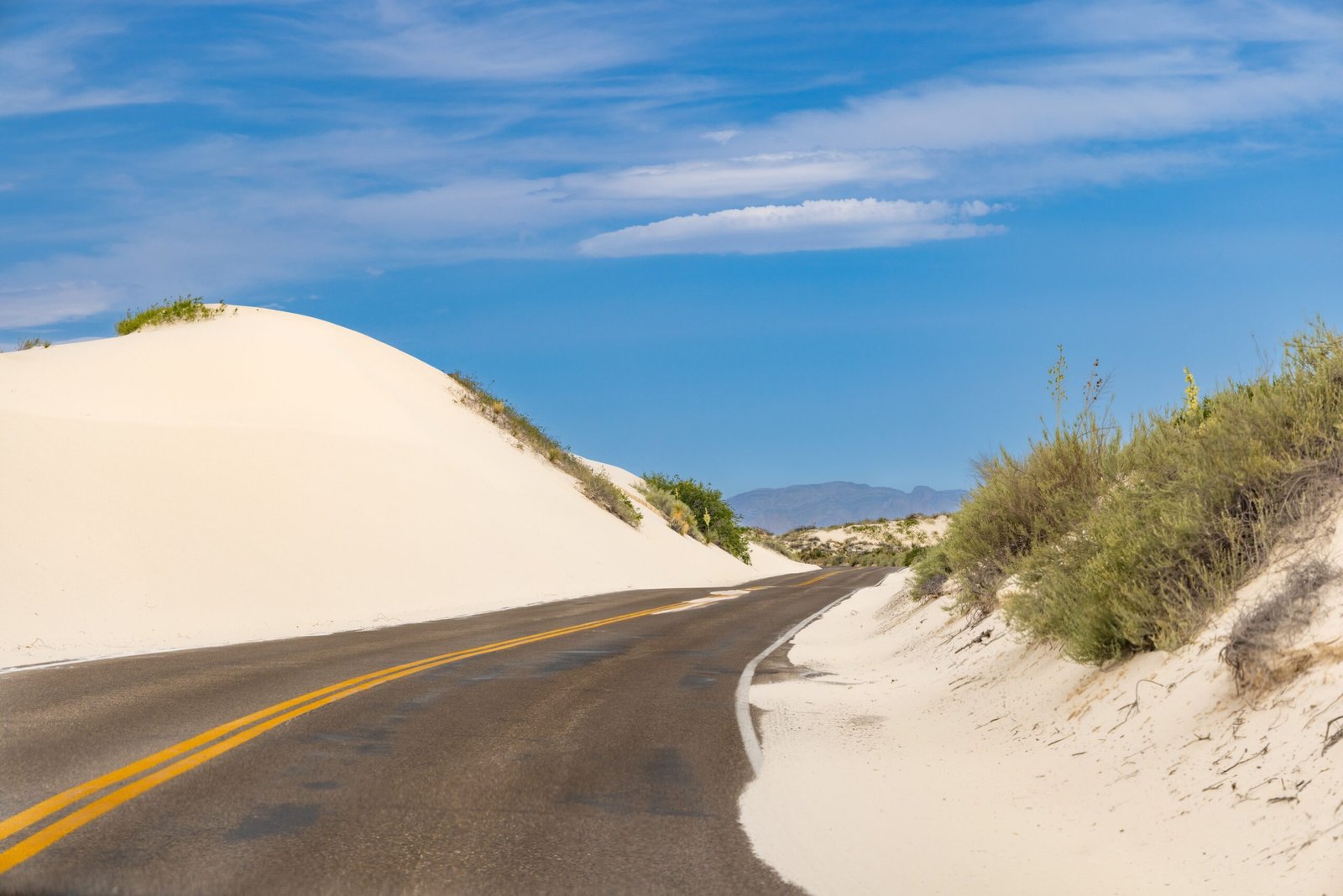
Dunes Drive is the main artery of the park. This 16-mile round-trip scenic road leads you from the Visitor Center deep into the heart of the gypsum field. The first 4 miles are paved, while the remaining 4 miles transition into hard-packed gypsum sand that feels like driving on packed snow. It is accessible for all passenger vehicles, RVs, and travel trailers, offering numerous scenic pull-offs along the way.
2. Go Sledding Down the Gypsum Dunes
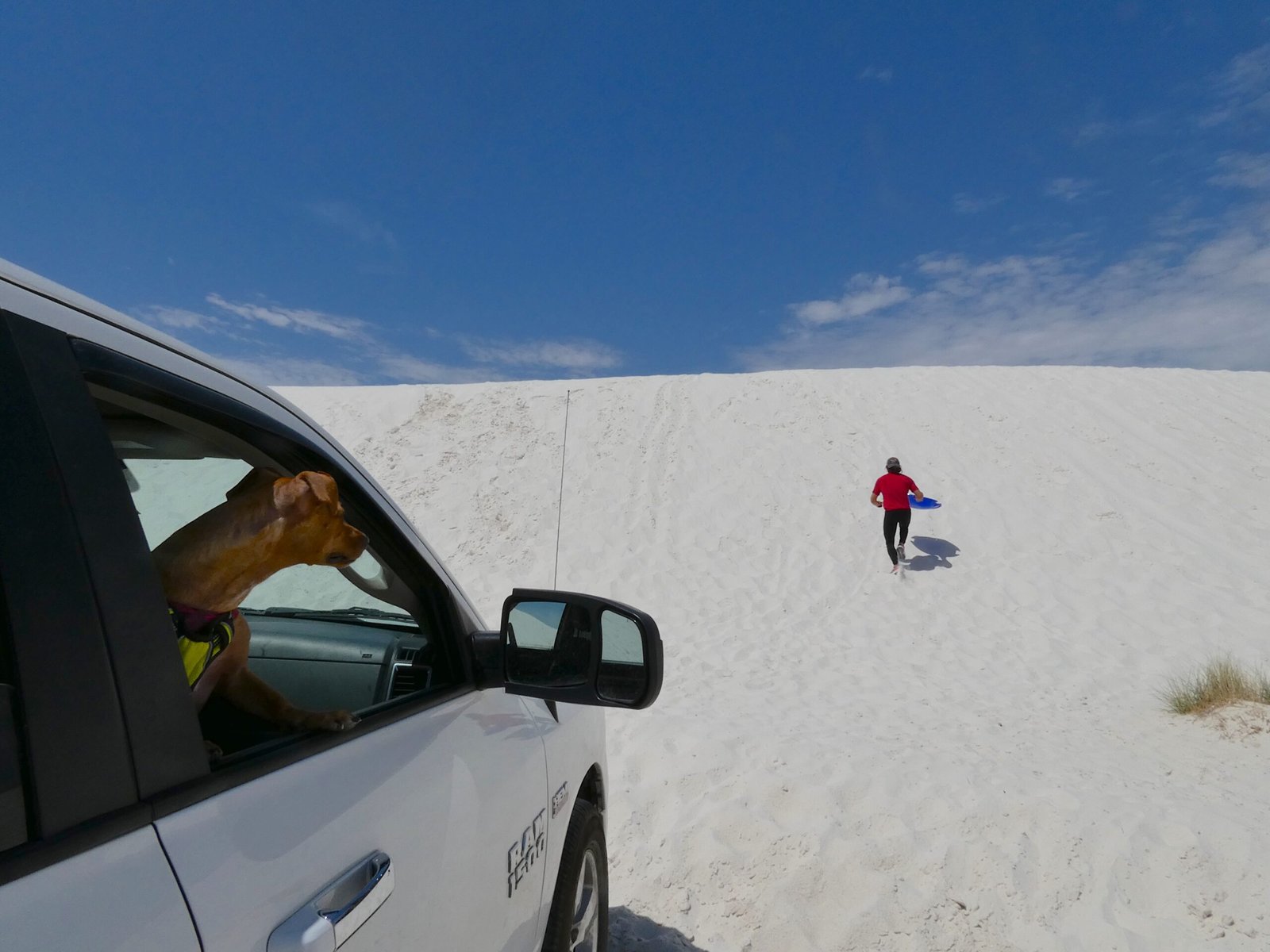
Sledding down the brilliant white slopes is the signature activity at White Sands for kids and adults alike.
- The Gear: Plastic saucer sleds work best. You can buy new or used plastic saucers and sled wax at the White Sands Trading Post inside the Visitor Center, or bring your own.
- Pro Tip: Apply plenty of sled wax to the bottom of your saucer—gypsum sand creates more friction than real snow! Look for steep dunes with a flat runoff area at the bottom away from vegetation or roads.
3. Stroll the Interdune Boardwalk
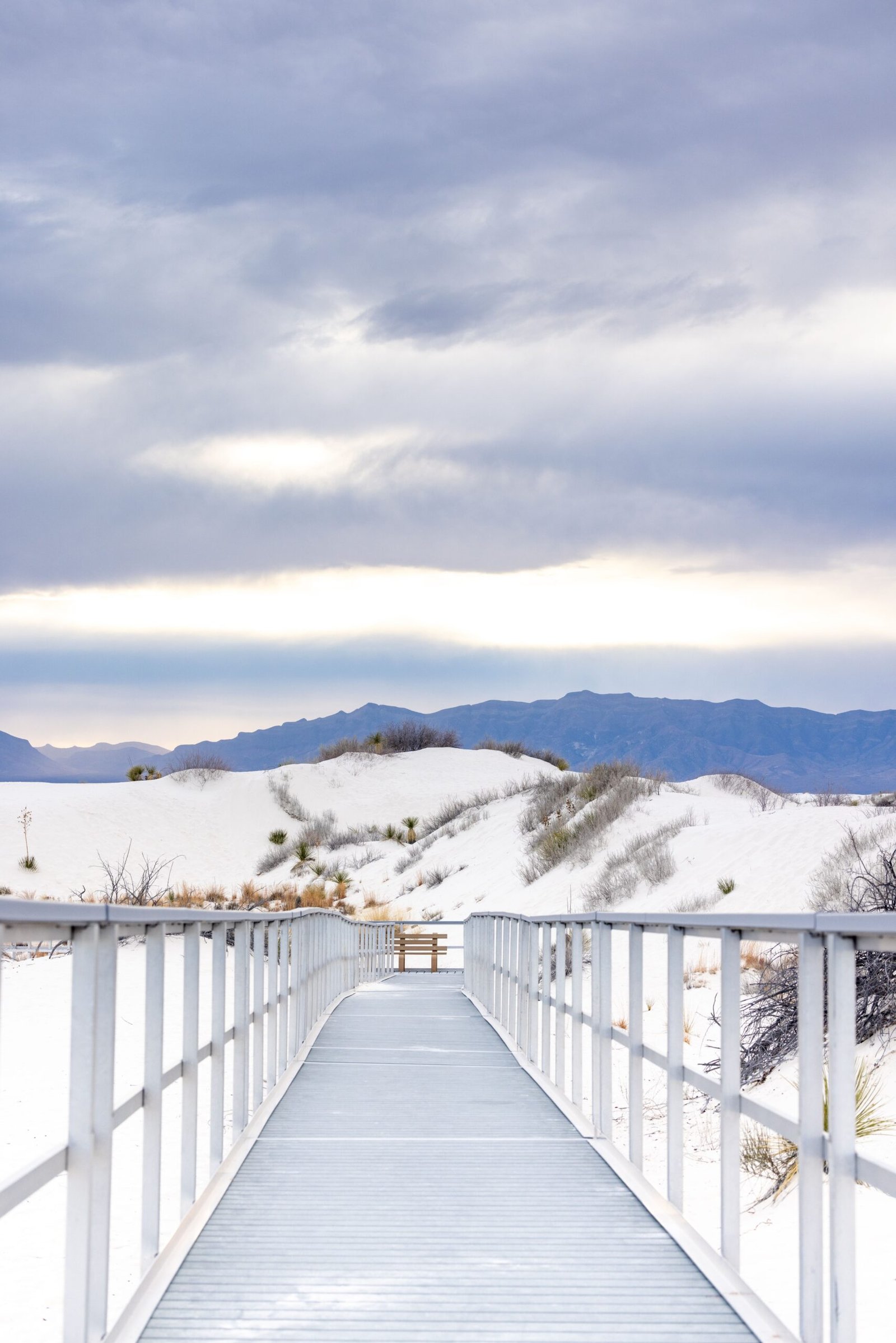
If you want an easy, accessible walk into the dunes, the Interdune Boardwalk is a 0.4-mile round-trip elevated wooden pathway. It features interpretive signs explaining the desert plants, geology, and wildlife that thrive in this extreme environment. It is fully wheelchair, stroller, and dog-friendly.
4. Hike Into the Heart of the Park
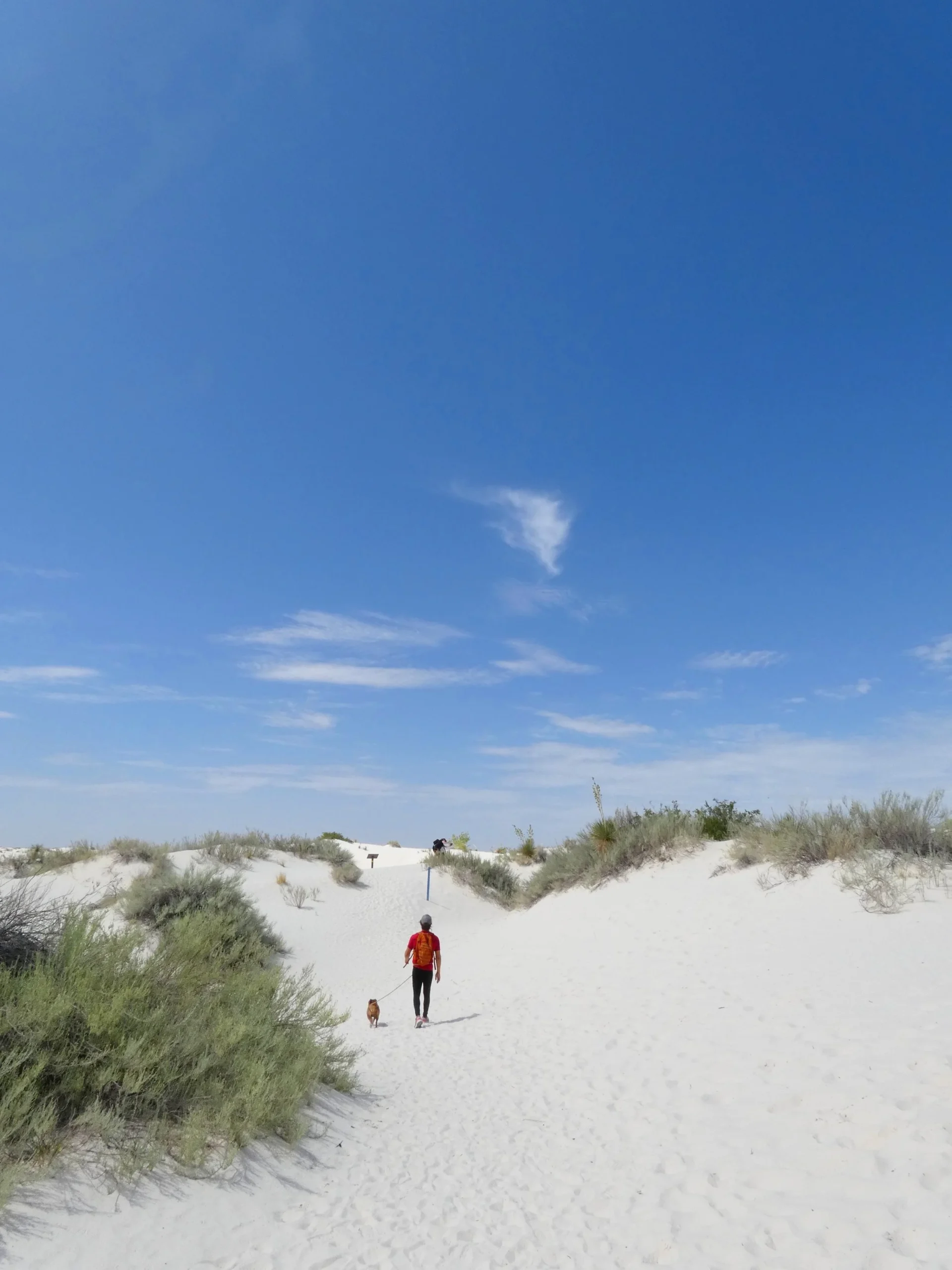
While you are free to wander off-trail in the open dunes, following established trail markers helps ensure you don’t lose your orientation:
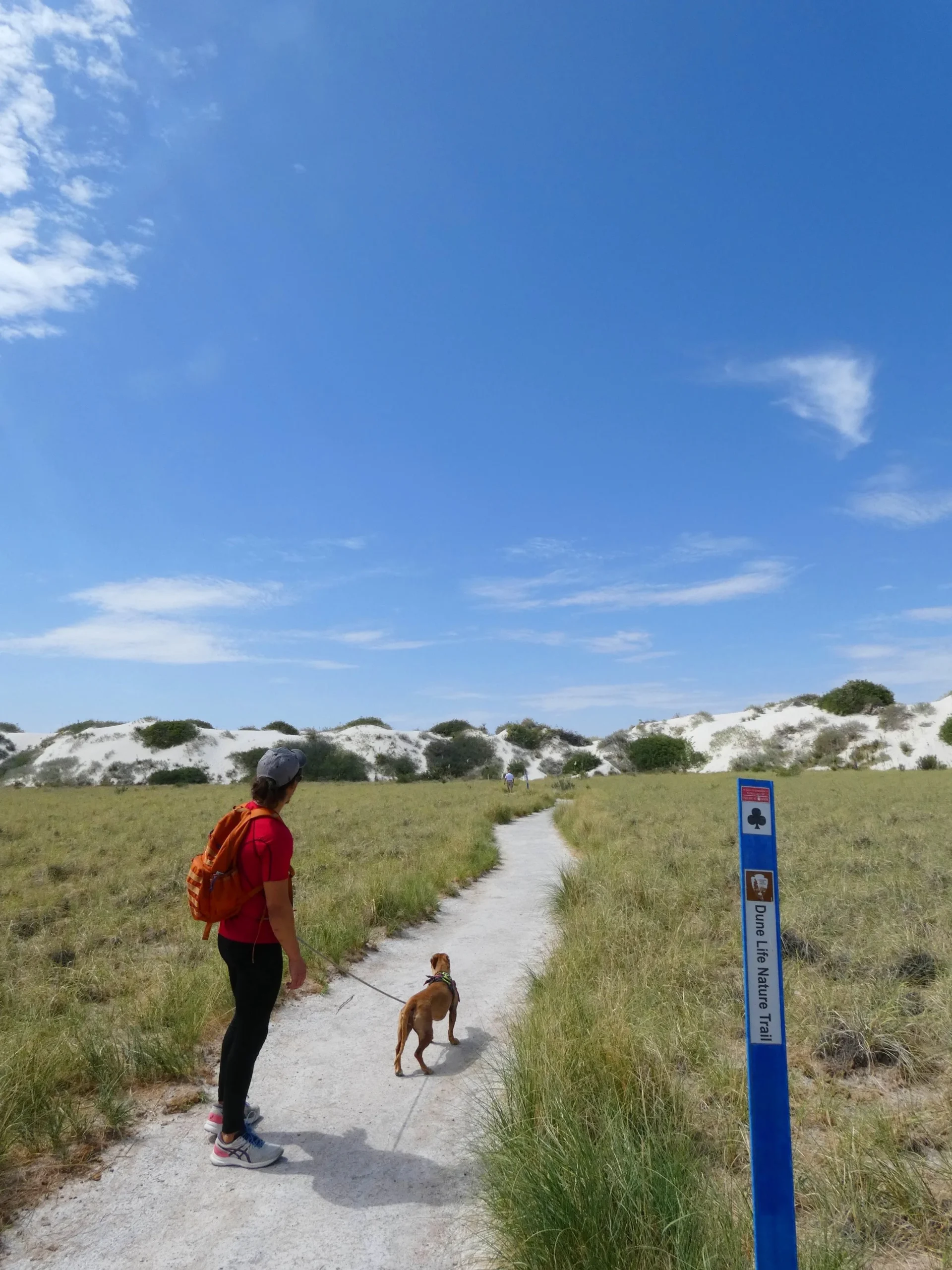
- Dune Life Nature Trail (1 mile loop | Moderate): Skirts the edge of the dune field where desert scrub meets white sand. Great for spotting animal tracks (like kit foxes and lizards) and learning about plant life.
- Alkali Flat Trail (5 miles round-trip | Strenuous): The crown jewel hike of the park! Don’t let the name fool you—this trail takes you up and over rolling, pristine gypsum dunes into pure solitude. Follow the red trail posts carefully, as wind can quickly erase footsteps.
- Playa Trail (0.5 miles round-trip | Easy): A flat, easy loop leading to a dry lake bed (playa) that fills with water after heavy rains. Interpretive outdoor exhibits along the path show how this dry depression blooms with plant and animal life after a storm, making it a quick, educational stop for families.
5. Catch Sunset & Enjoy Photography
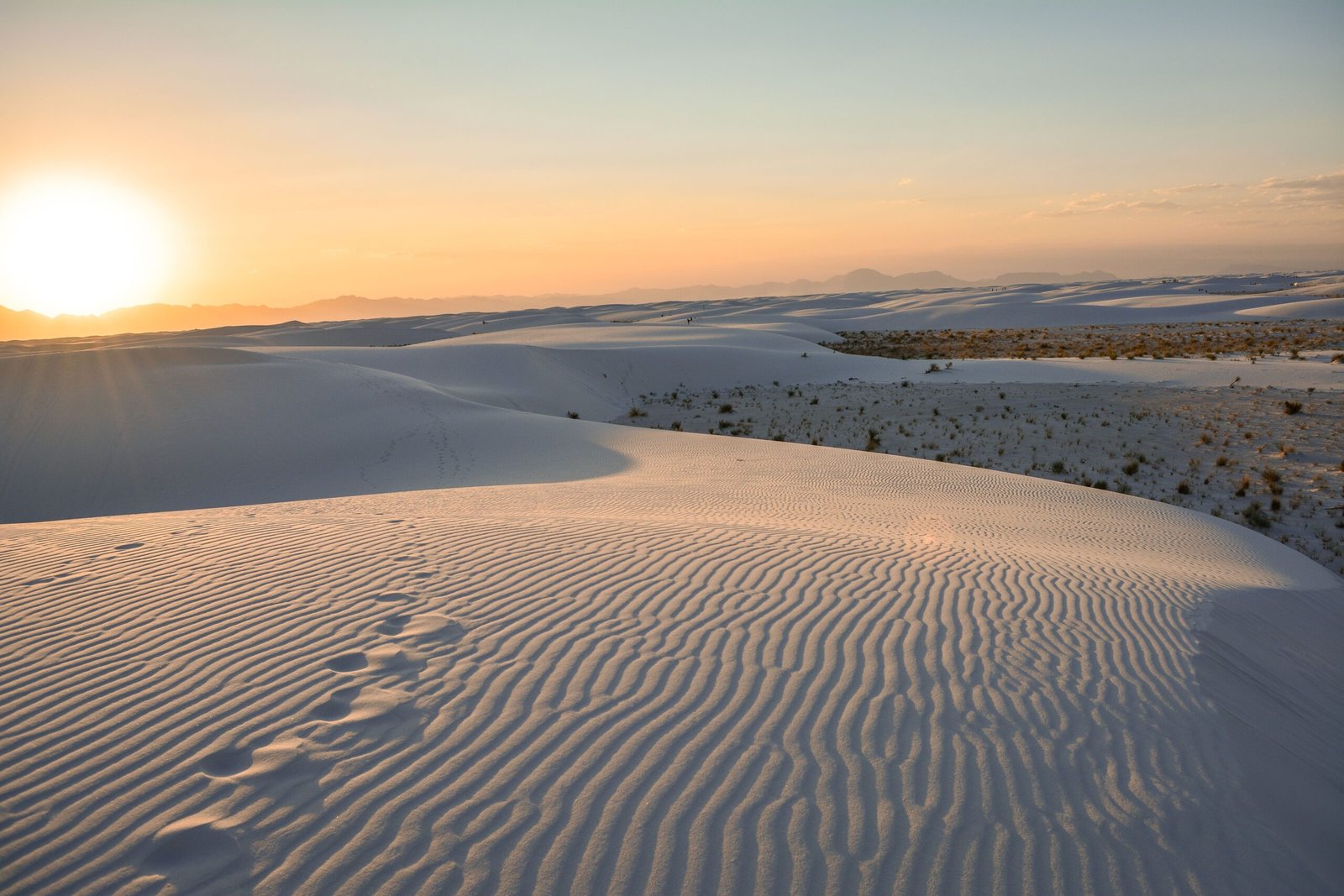
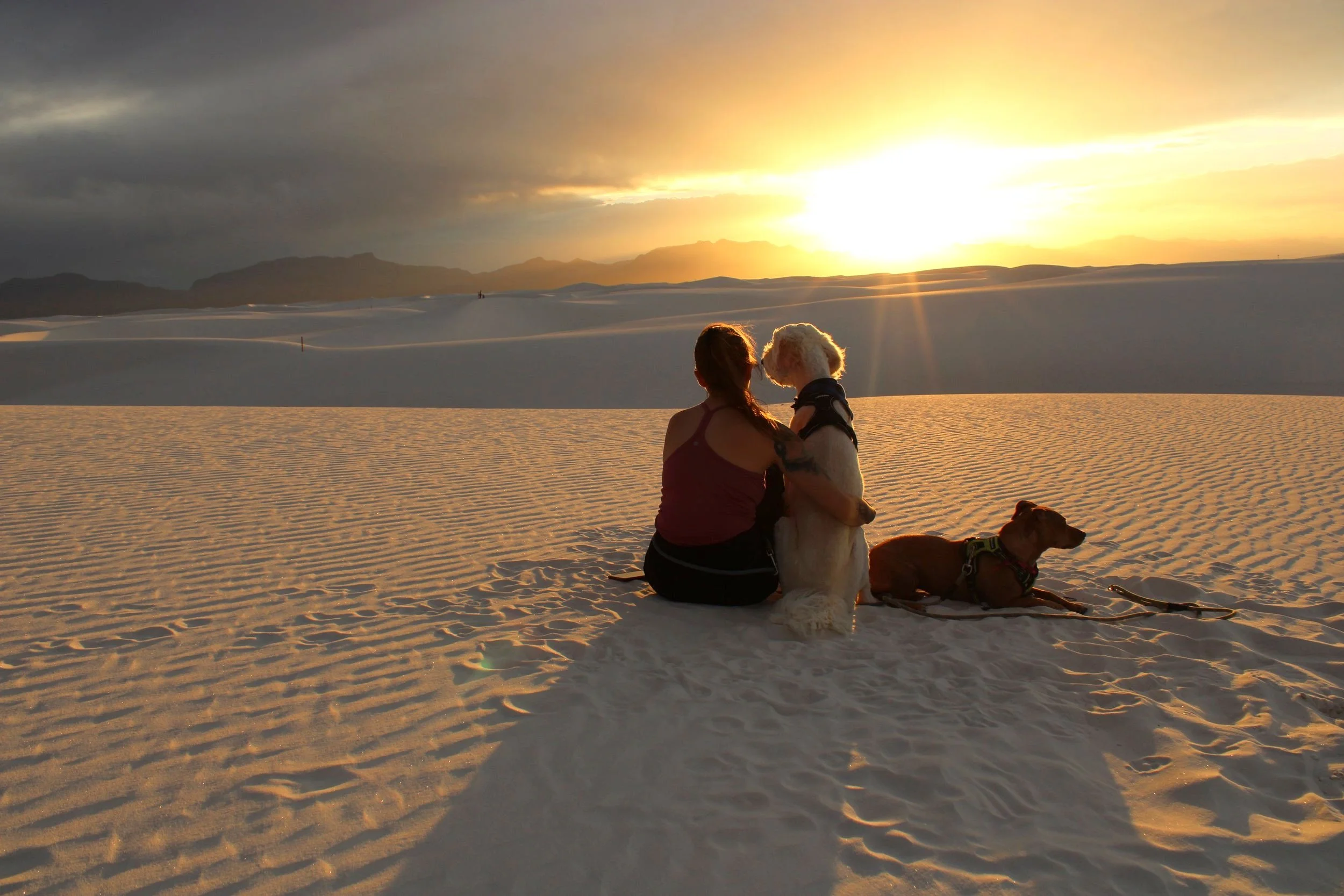
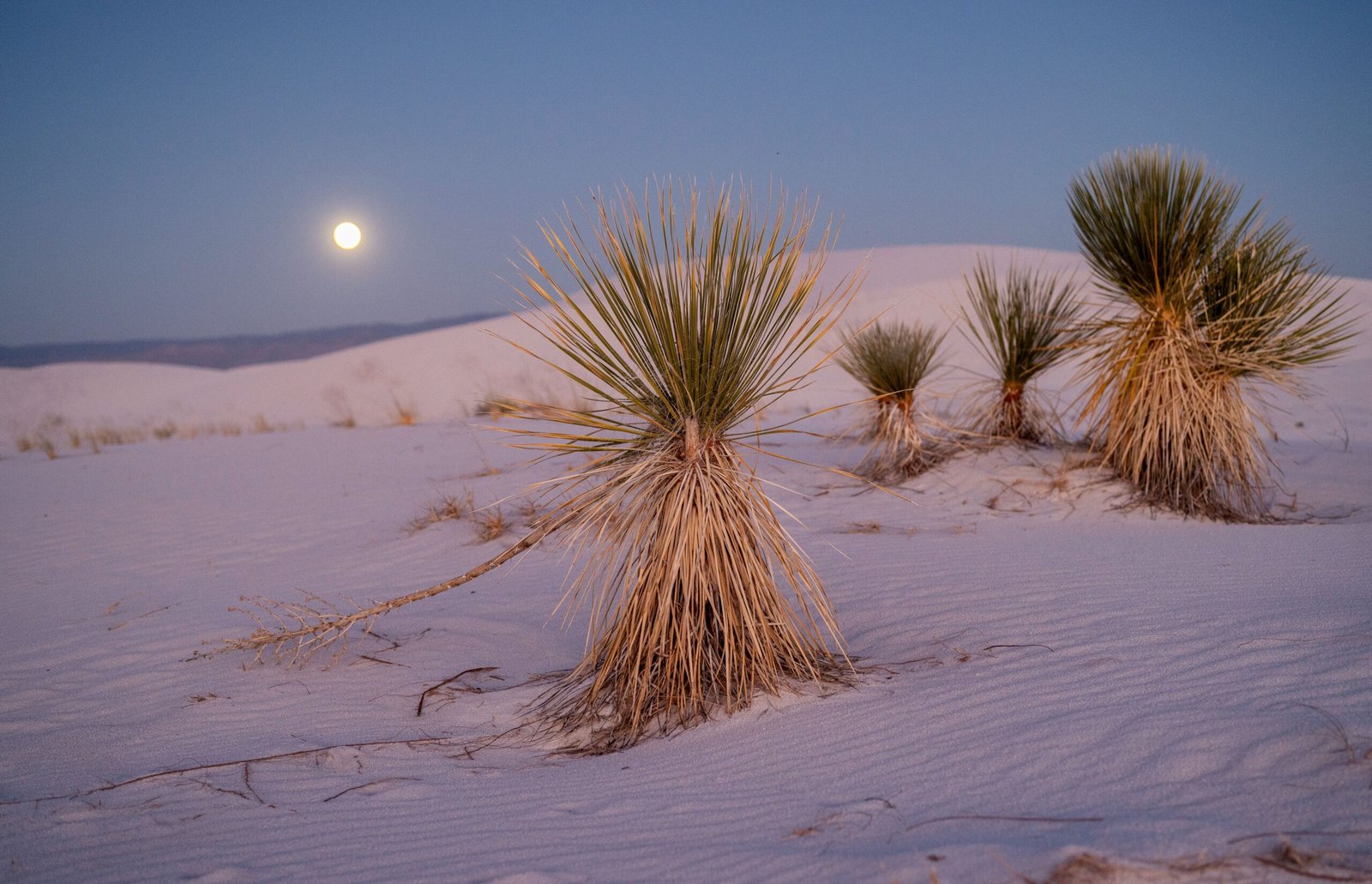
Because the gypsum sand is bright white, it acts as a giant natural reflector. As the sun sets behind the San Andres Mountains, the white dunes glow with vibrant hues of pink, orange, purple, and gold.
6. Pack a Dune Picnic
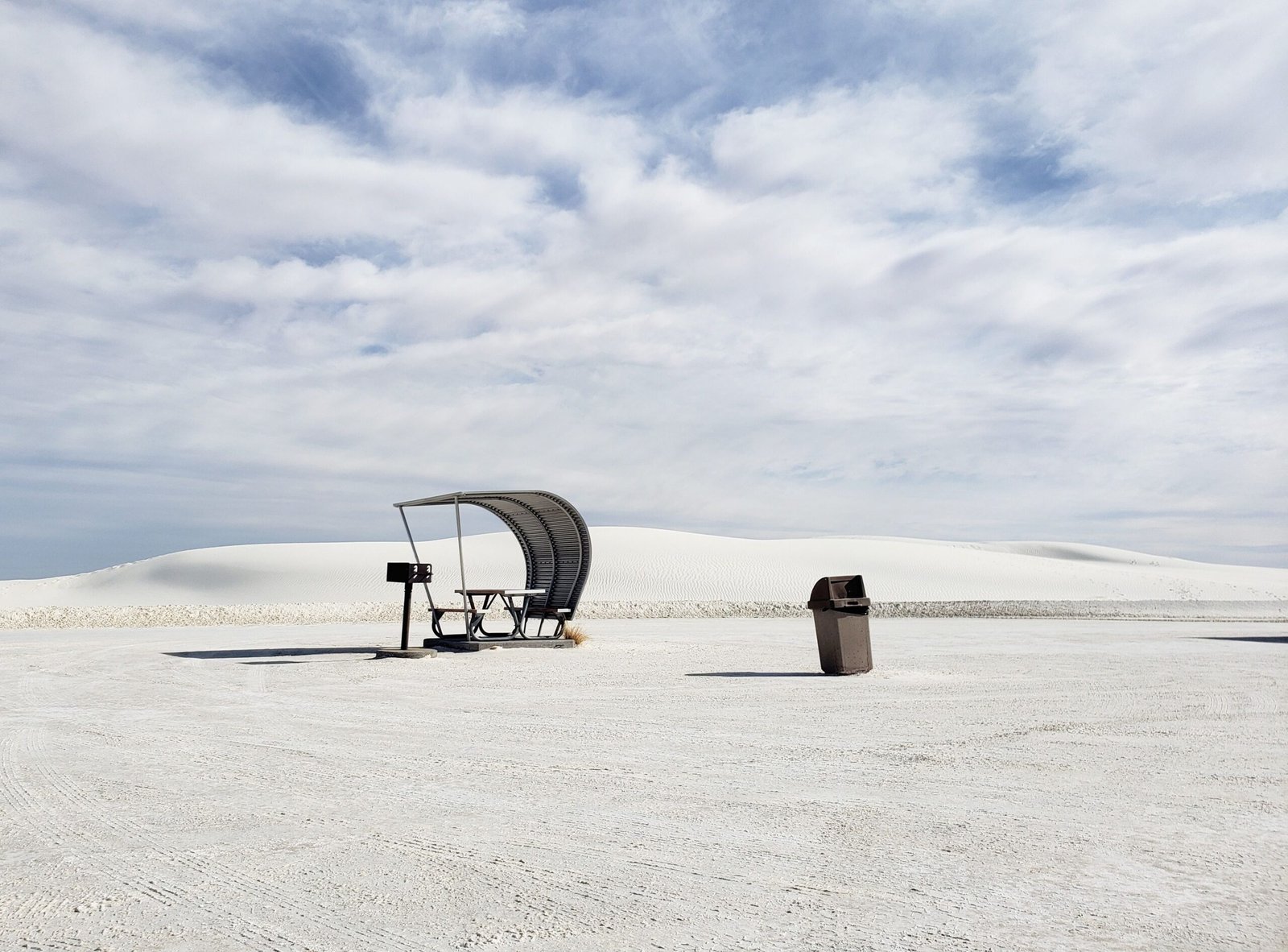
White Sands features several unique, retro-style shaded metal picnic areas tucked into the dunes toward the end of Dunes Drive (like the Roadrunner Picnic Area). Packing lunch or an early dinner and sitting beneath the shaded canopies surrounded by white sand is one of the most relaxing ways to enjoy the park.
7. Special Ranger Programs & Seasonal Events
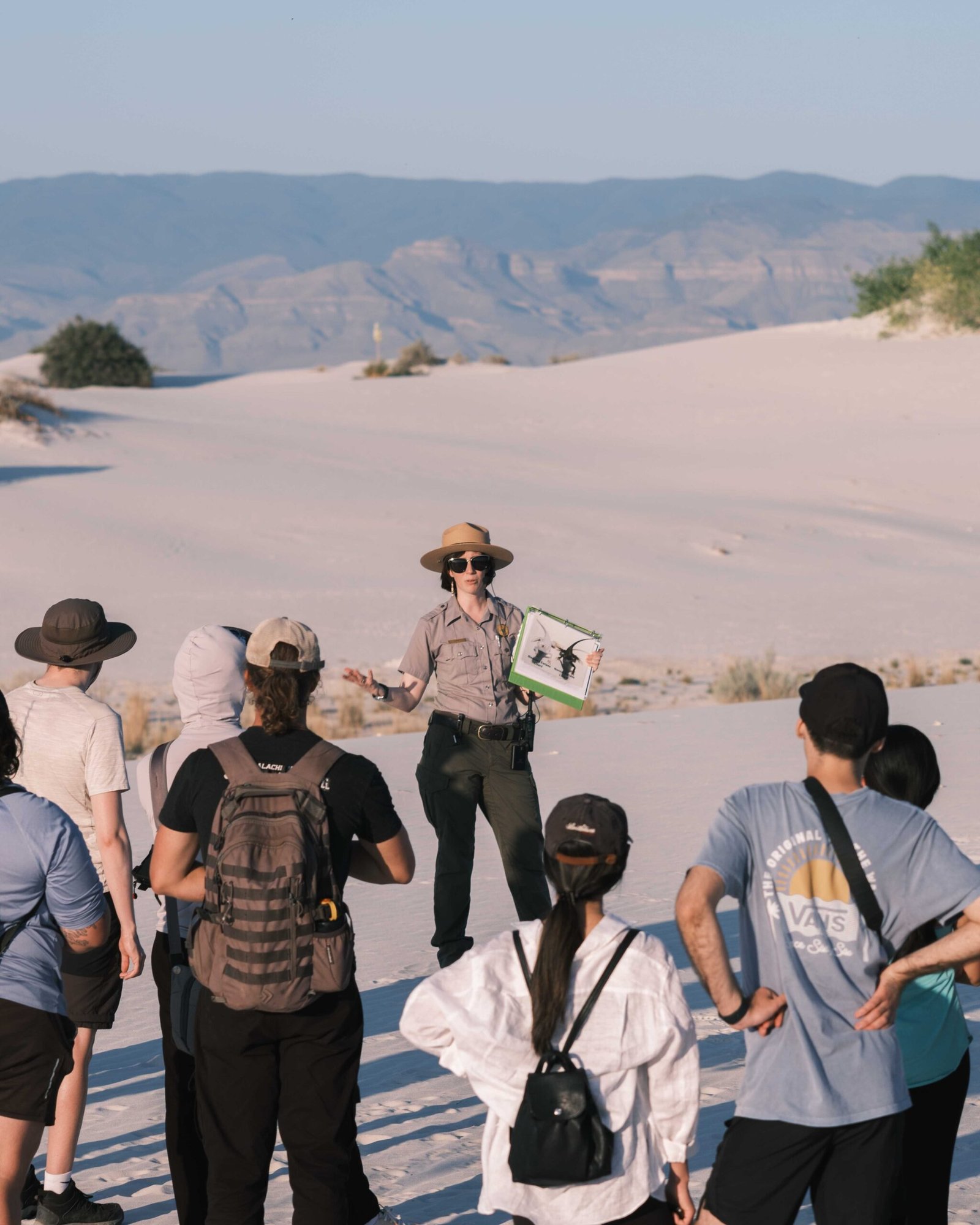
Beyond self-guided exploring, the park offers unique ranger-led tours that reveal different sides of the dune field:
- Sunset Stroll: Offered on weekends year-round, this free 1-hour guided walk leads you across the dunes to learn about the park’s geology and wildlife right as the sun dips behind the San Andres Mountains.
- Full Moon Hikes (Summer): Offered on nights leading up to the full moon during summer months, these guided evening walks allow you to experience the glowing dunes illuminated purely by moonlight.
- Lake Lucero Tours (Cooler Months): Held during late fall, winter, and spring, this ranger-led caravan tour takes you to the origin of White Sands to see massive gypsum crystals and learn how the dune field was formed.
Visiting White Sands with Kids

White Sands is one of the most naturally fun national parks for children—it functions like a giant, white-sand playground! If you are traveling with family, visiting as a homeschool group, or exploring from home, here are the best programs to check out:
- In-Park Junior Dunes Ranger Program: Stop by the Visitor Center before heading into the dunes to pick up a free Junior Dunes Ranger activity booklet. Kids can complete fun puzzles, scavenger hunts, and safety activities as they explore. Once finished, return the booklet to a park ranger at the Visitor Center to take the official pledge and earn a wooden Junior Ranger badge!
- Virtual Junior Ranger Program: If you can’t visit in person—or want to build excitement before your trip—kids can participate in the Virtual Junior Ranger Program online. It includes a series of educational videos and downloadable activity sheets, earning kids a Virtual Badge upon completion.
- Parks as Classrooms (Curriculum Materials): For homeschool families, teachers, or parents looking to add an educational spin to their road trip, the National Park Service provides free structured lesson plans. These cover topics in math, science, social studies, and language arts tailored for elementary and middle school learners.
The Ultimate 1-Day White Sands National Park Itinerary
One full day is the perfect amount of time to experience the highlights of White Sands. Because the park is compact and centers around a single 16-mile scenic road, you can easily experience the major trails, go sledding, and catch a legendary desert sunset without feeling rushed.
Here is how to structure your single day for the best light, comfortable temperatures, and smallest crowds:
Morning: Visitor Center & Morning Hikes
- 8:30 AM – 9:00 AM: Arrive & Stop at the Visitor Center
- Pull into the park right as it opens (or shortly after) to beat the midday heat.
- Head inside the historic adobe Visitor Center to check current park conditions, ask about missile range closures, pick up your Junior Ranger booklet (if traveling with kids), and buy your sleds and sled wax at the White Sands Trading Post.
- 9:00 AM – 10:15 AM: Hike the Dune Life Nature Trail or Interdune Boardwalk
- Kick off your morning with the Dune Life Nature Trail (1 mile). The cooler morning temperatures make this exposed walk comfortable, and you’ll get a great introduction to how plants and animals survive in the shifting gypsum.
- If you have younger kids or want a shorter stroll, opt for the flat, accessible Interdune Boardwalk (0.4 miles) instead.
- 10:15 AM – 11:30 AM: Drive Further Down Dunes Drive & Stop at the Playa Trail
- Drive past the paved section onto the hard-packed gypsum road.
- Stop at the Playa Trail (0.5 miles) for a quick, flat walk out to the shallow depression lake bed to see interpretive exhibits on local desert ecology.
Midday: Sledding & Lunch Break (Seek Shade!)
- 11:30 AM – 1:00 PM: Sledding on the Dunes
- Head deeper into the dune field toward the Alkali Flat area where the dunes are tallest and steepest.
- Generously apply sled wax to the bottom of your plastic saucers, find a steep dune with a clear, safe run-off away from the road, and spend an hour sledding down the white sand!
- 1:00 PM – 2:30 PM: Picnic Lunch & Rest During Peak Heat
- Pack a picnic lunch and relax under one of the retro-style shaded metal picnic tables in the dunes (like the Roadrunner Picnic Area).
- Note: Because summer and midday temperatures in the high desert can get intense, use this window to relax, rehydrate, and escape the direct sun. (If you’re visiting in the winter, this is a great time to tackle the strenuous Alkali Flat Trail instead).
Afternoon: Deeper Exploration or Ranger Programs
- 2:30 PM – 4:30 PM: Tackle the Alkali Flat Trail OR Explore Deeper Dunes
- If you are an avid hiker and conditions are cool, spend your afternoon tackling the Alkali Flat Trail (5 miles). Follow the red markers closely as you traverse the remote heart of the basin.
- If you prefer a more relaxed afternoon, wander off-track into the endless white dunes for photography, or head back toward the visitor center to check out exhibits.
Evening: Sunset & Departure
- 4:30 PM – 6:00 PM (or Sunset): Golden Hour & Sunset Stroll
- If it aligns with your weekend visit, join the Sunset Stroll Ranger Program for a guided walk across the glowing dunes.
- Stick around for 30 minutes after sunset—this is when the sky and white sand put on their most dramatic light show, shifting into deep pinks, purples, and golds.
- 6:00 PM onward: Head out of the park and grab a hearty dinner back in Alamogordo or Las Cruces!
Where to Stay Near White Sands National Park
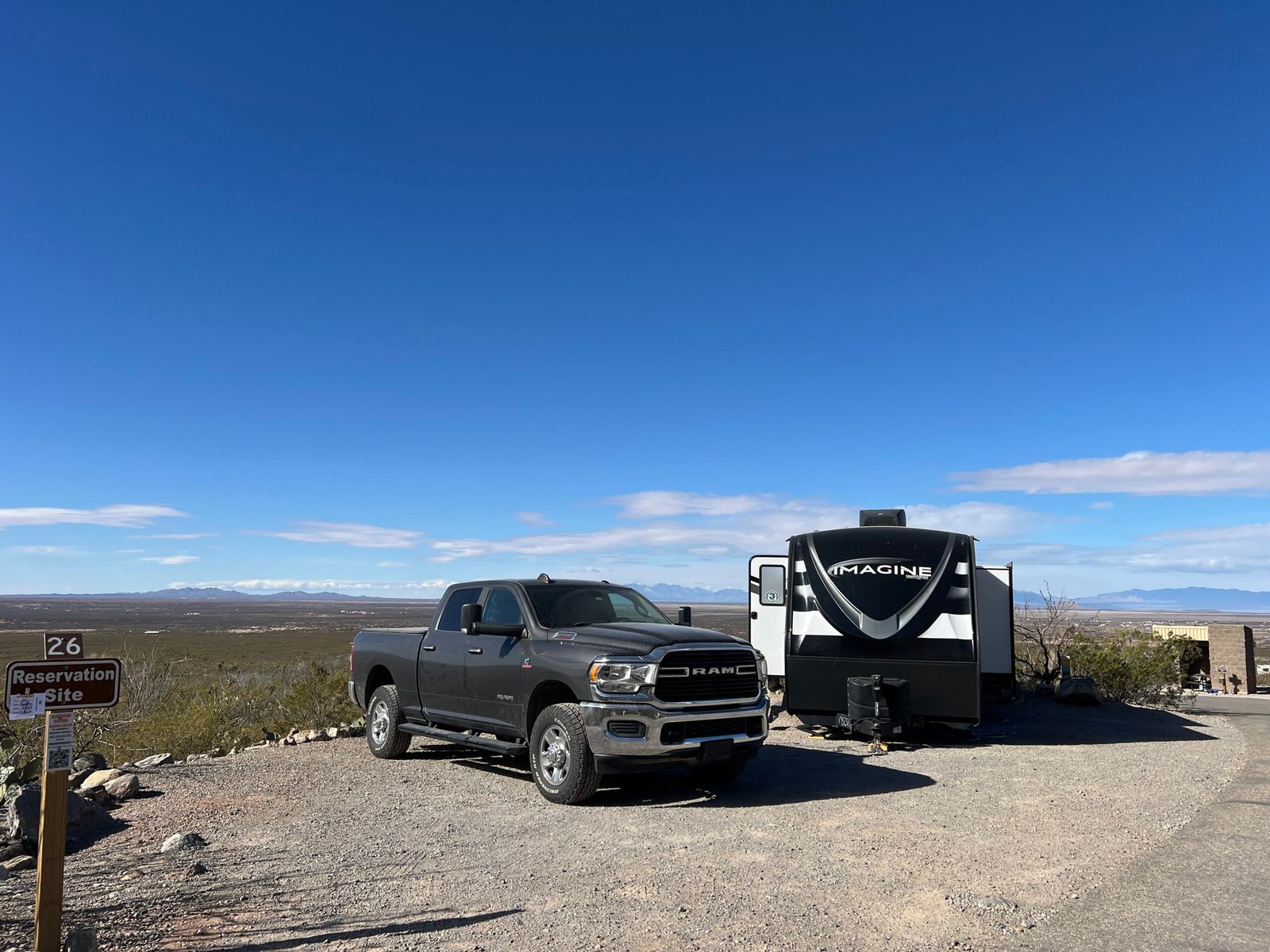
Because White Sands National Park does not offer overnight lodging or front-country camping inside the park itself, you will need to base yourself in one of the nearby towns.
Here are the best places to stay depending on your travel style:
1. Alamogordo, NM (Closest & Most Convenient)
Located just 15 to 20 minutes east of the park entrance, Alamogordo is the closest and most practical base. It offers a great selection of standard chain hotels, local motels, gas stations, and restaurants.
- The Lodge at Cloudcroft (Cloudcroft, NM – Nearby Mountain Option): If you want to escape the desert heat, head 35 minutes up into the pine-covered Sacramento Mountains to the historic Lodge at Cloudcroft. This cozy alpine retreat offers cool mountain breezes, incredible views, and a completely different vibe than the desert floor below.
- Standard Chain Hotels: Alamogordo features reliable favorites right along US-70 and White Sands Boulevard, including the Hampton Inn Alamogordo, Holiday Inn Express & Suites, and Fairfield Inn & Suites.
2. Las Cruces, NM (Best for a Larger City Base)
Located about 50 minutes west of the park, Las Cruces is New Mexico’s second-largest city. It offers a vibrant culinary scene, historic Old Mesilla, craft breweries, and a wider variety of boutique accommodations like the Hotel Encanto de Las Cruces.
3. RV Parks & Camping Near White Sands
- Oliver Lee Memorial State Park: Located about 20 minutes south of Alamogordo in the foothills of the Sacramento Mountains, this state park features fantastic desert canyon campsites with stunning mountain views, electric/water hookups, and a historic ranch site.
- White Sands RV Park (Alamogordo): A clean, convenient full-hookup RV park located right in Alamogordo with easy access to US-70.
Essential White Sands Packing List & Travel Tips

Because White Sands presents a unique desert environment—combining intense glare, shifting sand, and zero shade inside the dunes—packing the right gear is essential for a safe and comfortable trip.
Here is what you need to bring, along with crucial insider tips for your visit:
1. Sun & Heat Protection
The white gypsum sand acts like a massive natural mirror, reflecting sunlight back up from all directions. Sun protection here isn’t optional—sunburns happen twice as fast off the ground!
SOJOS Polarized Sunglasses: Cutting glare off the brilliant white sand is essential for preventing eye strain and getting a clear view of the landscape. Polarized lenses are a total must-have here.
FURTALK Wide-Brim Sun Hat: I’ve owned my FURTALK wide-brim hat for over five years, and it goes everywhere with us. The wide coverage protects your face, ears, and neck from the intense high-desert rays.
Earth Mama Mineral Sunscreen SPF 40: Don’t forget to apply sunscreen under your chin, nose, and ears where UV rays reflect upward off the gypsum sand! We stick with clean mineral sunscreens for the entire family.
2. Hydration & Sledding Gear
Simple Modern Insulated Water Bottles: The park strongly recommends bringing at least 1 gallon of water per person per day. We carry our Simple Modern insulated bottles everywhere to keep our water ice-cold, even in peak afternoon desert heat. (Note: Water is only available at the Visitor Center—there are zero water stations inside the dunes!)
LMNT Electrolyte Packets: Drinking plain water isn’t enough when you’re sweating under the desert sun. We always mix sugar-free LMNT packets into our water bottles to stay properly hydrated and keep our energy up while climbing up and down the dunes.
Plastic Saucer Sled & Wax: Pick up a plastic saucer and a can of sled wax at the Visitor Center trading post (or bring your own). Apply a generous coat of wax to the bottom of your saucer before every few runs to keep sliding fast down the gypsum slopes!
3. Footwear & Layered Clothing
Columbia Newton Ridge Plus Hiking Boots: Mike and I have worn our Columbia Newton Ridge hiking boots for over five years, and they are our go-to for uneven terrain. While walking barefoot on cool sand is fun, having sturdy boots with traction makes trekking up rolling dunes like Alkali Flat much easier on your calves and ankles.
Montem Ultra Strong Trekking Poles: Navigating the 5-mile Alkali Flat Trail means constantly trekking up and down steep, shifting gypsum dunes. Having reliable poles to provide extra stability and take the pressure off your joints makes a huge difference when you’re working your way across the loose sand.
Soothfeel UPF 50+ Sun Hoodie: A lightweight sun shirt is the best way to block UV rays without baking in heavy clothes. Throwing a long-sleeve UPF hoodie over your outfit gives you breathable full-coverage protection all day long.
Columbia Benton Springs Full-Zip Fleece Jacket: High-desert temperatures drop rapidly the second the sun dips behind the San Andres Mountains. Keep a classic fleece jacket in your backpack so you can comfortably stay out past dusk to enjoy the colorful sunset.
4. Navigation & Pet Essentials
Downloaded Offline Maps: Cell service drops off quickly as you drive deeper along Dunes Drive. Download offline Google Maps or trail routes on AllTrails before heading past the entrance gate.
Leash & Dog Gear (If Traveling with Dogs): White Sands is incredibly dog-friendly! Keep pets on a 6-foot leash at all times, pack extra water and a collapsible bowl for them, and bring protective dog booties if exploring on hotter summer afternoons when hard-packed surfaces warm up.
5. Essential Safety & Park Rules
“Halfway Water Rule”: In the high desert, dehydration sneaks up on you quickly. A great ranger rule of thumb is to turn around and head back to your vehicle when your water supply is half gone.
Follow Trail Posts, Not Footprints: The wind continually reshapes the dunes and erases footprints. When hiking trails like Alkali Flat, navigate strictly by spotting the color-coded trail markers ahead of you. If you lose sight of the next marker, turn back immediately.
Never Touch Military Debris: Because the park is surrounded by the active White Sands Missile Range, military testing debris or unexploded ordinance can occasionally blow into or emerge from the dunes. Never touch, kick, or pick up any metal or strange objects in the sand—note the location and report it to a park ranger.
Avoid Digging Deep Holes: While playing in the sand is fun, digging deep holes or tunnels in gypsum sand can cause structural collapses, posing a suffocation risk.
Leave What You Find (Don’t Take Sand Home): It can be tempting to scoop gypsum sand into a bottle as a souvenir, but removing plants, minerals, crystals, or sand from national parks is illegal.
Pack a Towel & Brush for the Car: Gypsum sand sticks to everything! Keep a small hand broom or stiff brush and a Turkish towel in your trunk to sweep off your feet, shoes, and gear before getting back into your vehicle.
Frequently Asked Questions About White Sands National Park
How much does it cost to enter White Sands National Park?
The park entrance fee is $25 per vehicle, $20 per motorcycle, or $15 per person for those walking or biking. Passes are valid for seven consecutive days. If you have an America the Beautiful Interagency National Park Pass, it covers your entrance fee completely.
Do I need a timed-entry reservation or permit to enter?
No, White Sands National Park does not require timed-entry reservations or advance vehicle permits. You can simply pay the entrance fee at the gate or present your annual park pass upon arrival.
How long do you need at White Sands National Park?
Half a day to one full day is the perfect amount of time for most visitors. In 4 to 8 hours, you can drive the 16-mile round-trip Dunes Drive, hike a couple of scenic trails, go sledding down the gypsum slopes, and stay for sunset.
Why does White Sands National Park close periodically?
White Sands National Park is surrounded by the active White Sands Missile Range. For public safety, Dunes Drive and the dune field may temporarily close for up to 3 hours during scheduled military missile tests. Closures can occur on short notice, so always check the official NPS Military Testing Closures page or call the Visitor Center before heading out.
Can you stay in White Sands National Park overnight?
There are no front-country campgrounds, RV hookups, or hotels inside the park. The park gate closes shortly after sunset every evening. All overnight guests must stay in nearby towns like Alamogordo or Las Cruces, or camp at nearby state parks like Oliver Lee Memorial State Park. (Note: Backcountry dune camping permits inside the park are currently suspended).
Are dogs allowed in White Sands National Park?
Yes! White Sands is one of the most pet-friendly national parks in the entire country. Dogs are allowed on all hiking trails, along Dunes Drive, and out in the open dune field, provided they remain on a maximum 6-foot leash at all times. Always remember to bring plenty of water and waste bags for your pup!
Ready to Visit White Sands National Park?
With its blinding white gypsum waves set against the dramatic backdrop of the San Andres Mountains, White Sands National Park is a landscape unlike anywhere else on Earth. Whether you are gliding down the gypsum dunes on a plastic saucer, taking in the pastel hues of a high-desert sunset, or hiking into the quiet solitude of Alkali Flat, a visit here is an unforgettable highlight of any southern New Mexico road trip.
By planning ahead for weather, bringing plenty of water, and keeping park closures in mind, you are set up for a seamless and memorable adventure. Pack your camera, lace up your boots, and enjoy exploring this mesmerizing desert wonderland!
Helpful Links & Resources
To help you plan your trip with the most up-to-date details, here are essential official resources and local guides:
- Official Park Info:
- Nearby Camping & Regional Tourism:
Gear Recommendations Mentioned in This Post
To make packing quick and simple, here is a quick round-up of the exact tried-and-true brands and gear we use and trust on all of our desert and outdoor trips:
- SOJOS Polarized Sunglasses: Essential for cutting glare and protecting your eyes from the intense light reflecting off the bright white gypsum.
- FURTALK Wide-Brim Sun Hat: A staple in our gear bag for over five years, offering breathable, wide-brim sun protection for your face, neck, and ears.
- Earth Mama Mineral Sunscreen SPF 40: Our top pick for clean, family-safe mineral sun protection against harsh desert UV rays.
- Simple Modern Insulated Water Bottles: Keeps drinking water ice-cold for hours during hot afternoon hikes down Dunes Drive.
- LMNT Electrolyte Packets: Sugar-free electrolyte mix we add to our water bottles to stay hydrated and keep energy levels high in the desert heat.
- Columbia Newton Ridge Plus Hiking Boots: Mike and I have hiked in our Columbia Newton Ridge boots for over five years—they provide the ankle support and traction needed for trekking up shifting gypsum dunes.
- Montem Ultra Strong Trekking Poles: These are our go-to for maintaining stability and taking the pressure off your joints while navigating steep, shifting dunes and uneven desert terrain.
- Soothfeel UPF 50+ Sun Hoodie: Light, breathable long-sleeve coverage that blocks UV rays without adding excess heat.
- Columbia Benton Springs Full-Zip Fleece Jacket: A soft, warm layer to cut the chill the moment desert temperatures drop after sunset.
More New Mexico Travel Guides & Itineraries
Planning to see more of the Land of Enchantment? Dive into these other New Mexico travel guides to help plan your next stop.