
Just a short drive north of downtown Orlando lies a lush, 7,000-acre sanctuary that feels worlds away from the city’s bustling theme parks. Tucked along the pristine Wekiva River, Wekiwa Springs State Park is one of Central Florida’s absolute crown jewels—and for good reason. Centered around a stunning, second-magnitude spring pumping out millions of crystal-clear gallons of 72-degree water every single day, it’s a paradise where towering cypress trees, sandy riverbanks, and untamed pine flatwoods collide.
Whether you’re looking to spend a hot afternoon floating in the refreshing spring head, paddling past sunning turtles and wading birds on a winding kayak trail, or logging miles on a quiet backcountry hike, this park delivers a heavy dose of classic “Old Florida” magic. But because of its prime location near Orlando, a little local know-how goes a long way. In this ultimate guide, we’ll cover everything you need to know to plan an unforgettable visit—including the best swimming spots, paddling routes, camping tips, and essential pro-advice for beating the crowds.
This post contains affiliate links, so we may earn a small commission when you make a purchase through links on our site at no additional cost to you.
Quick Facts About Wekiwa Springs State Park
- Location: Apopka, Florida (about 20 minutes north of downtown Orlando)
- Park Hours: Open daily from 8:00 AM until sundown 365 days a year.
- Admission Fees: $6 per vehicle (up to 8 people) for day use, with nominal fees for single-occupant vehicles, pedestrians, and cyclists ($2). Additional fees apply for camping.
- Spring Output & Temp: A second-magnitude spring dispelling 43 million gallons of water per day at a constant 72°F (22°C) year-round.
- Size & Highlights: Over 7,000 acres known for its massive swimming hole, incredible kayaking, and stellar wildlife viewing as part of the Great Florida Birding and Wildlife Trail.
A Brief History of Wekiwa Springs
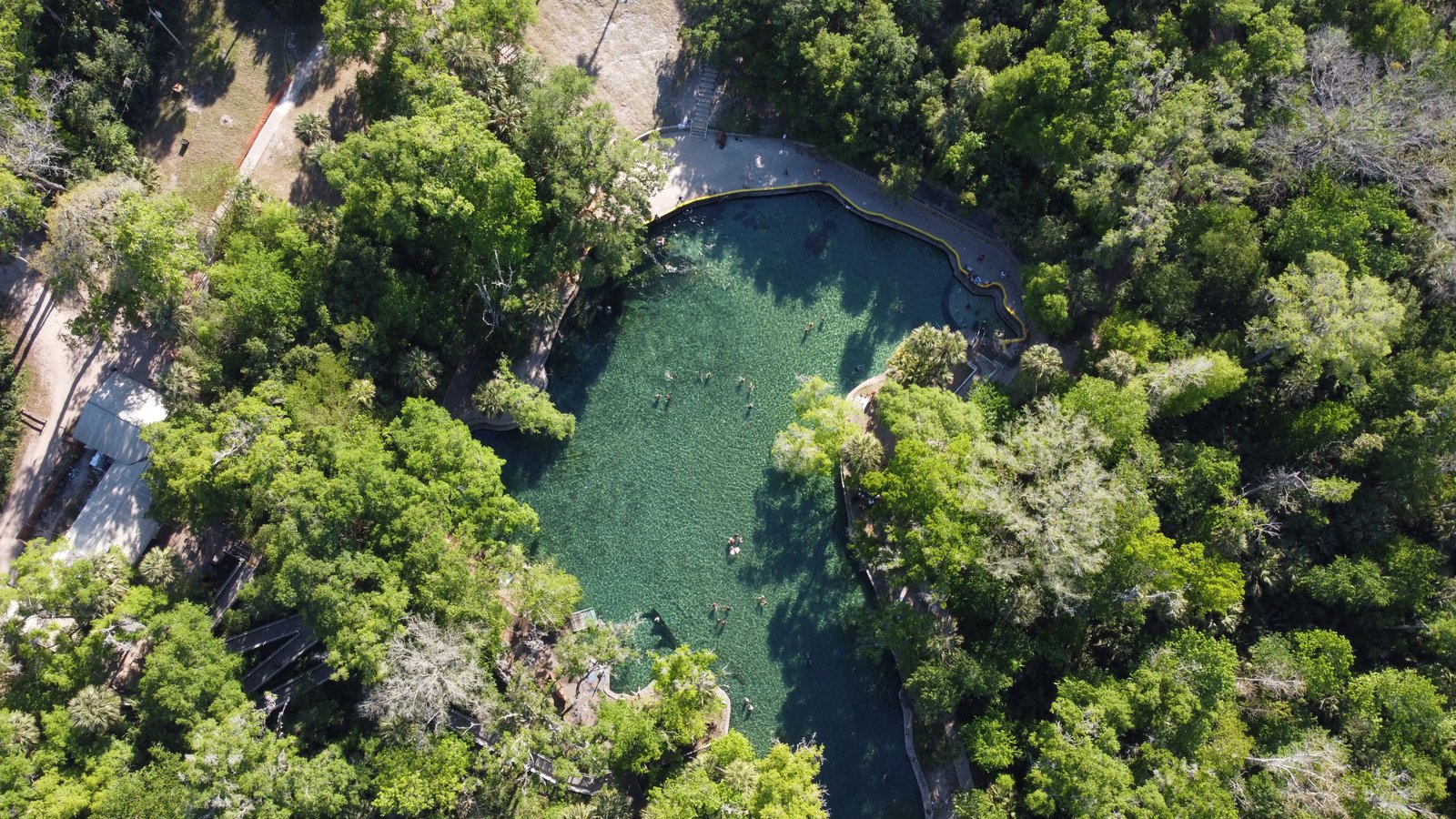
Long before it became one of Central Florida’s most popular outdoor escapes, Wekiwa Springs held deep historical and ecological significance. The name “Wekiwa” (pronounced wee-KEE-wah) is a Creek word meaning “bubbling water.”
- Indigenous Roots: The area was originally inhabited by indigenous peoples, including the Timucua, who relied on the rich wildlife, river systems, and freshwater spring for survival long before European contact.
- Discovery & Early Roots: The modern era of the spring kicked off when it was discovered in 1860 and was originally named Clay Springs after the owner at the time. By the late 1800s and early 1900s, it evolved into a popular health resort destination where visitors traveled to “take the waters,” believing in the healing properties of the constant-temperature pool.
- Becoming a State Park: In 1969, the State of Florida purchased the land to protect it from commercial development, officially opening it as Wekiwa Springs State Park. Today, it stands as a protected sanctuary and a designated stop on the Great Florida Birding and Wildlife Trail, where visitors have frequent opportunities to spot alligators, river otters, basking turtles, and great blue herons along the water.
How to Get to Wekiwa Springs State Park
Located just 25 minutes north of downtown Orlando, Wekiwa Springs State Park is an easy day trip for travelers across the state, sitting roughly 1.5 hours from Tampa, 2 hours from Jacksonville, and 4 hours from Miami.
A Quick Navigation Tip: While the official park address is 1800 Wekiwa Circle in Apopka, map apps can sometimes pin you to a back corner or a different area of the 7,000-acre park. To head straight for the main hub where the swimming spring head, boat rentals, and campground are located, you’ll want to navigate toward Wisteria Street off North Wekiwa Springs Road.
Crucial Arrival Tip:
- Beat the Crowds: Because of its close proximity to Orlando and easy accessibility from across the state, Wekiwa Springs is exceptionally popular. On weekends, holidays, and warm summer days, the park frequently hits maximum capacity and temporarily closes its gates by mid-morning. To guarantee entry, aim to arrive right at opening (8:00 AM) or plan for a weekday visit.
Swimming & The Main Spring Head
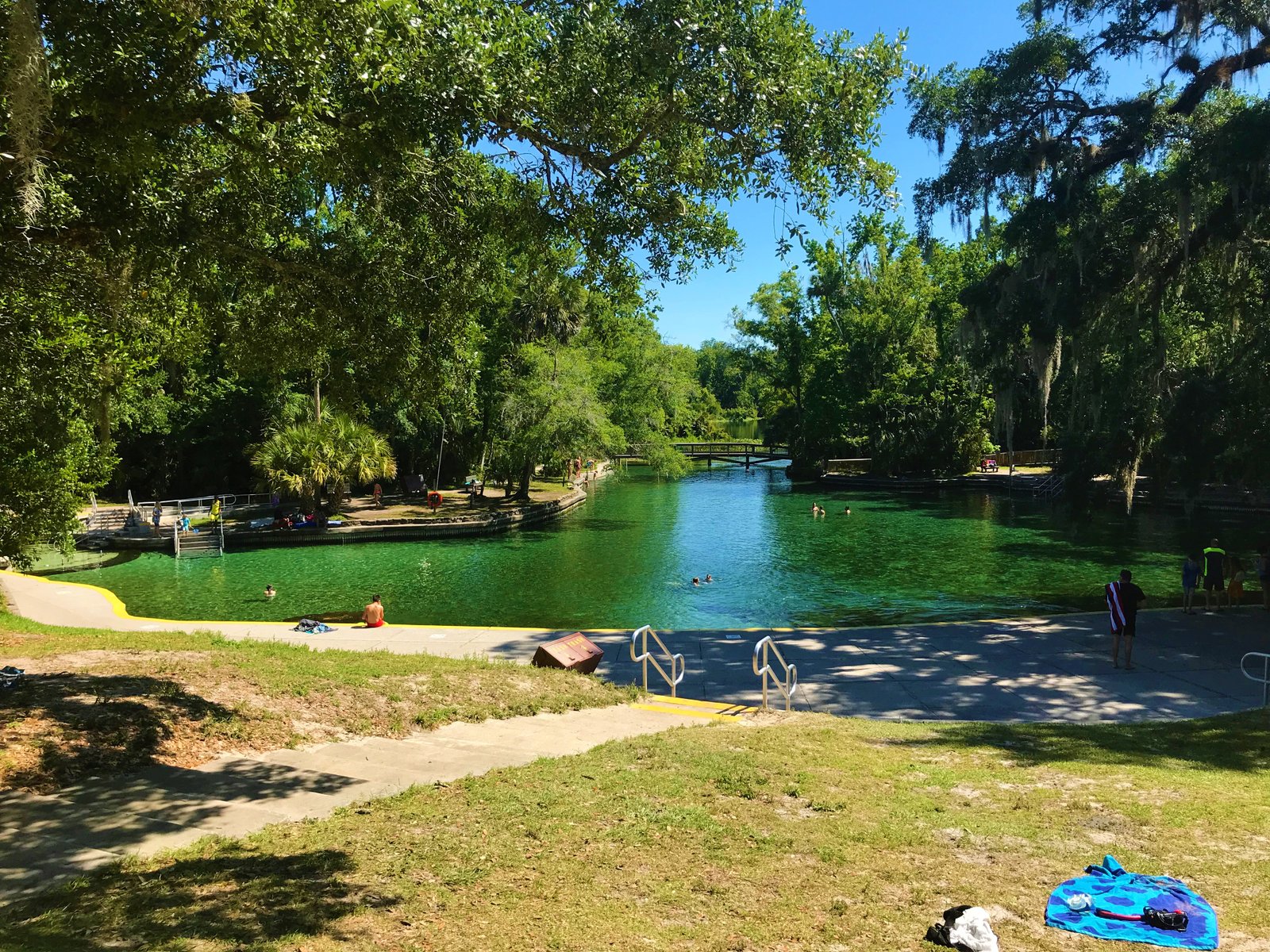
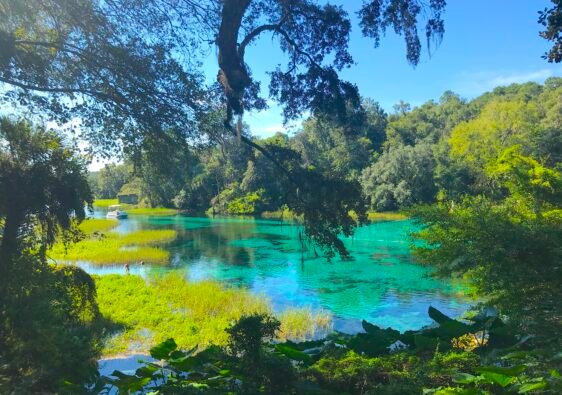
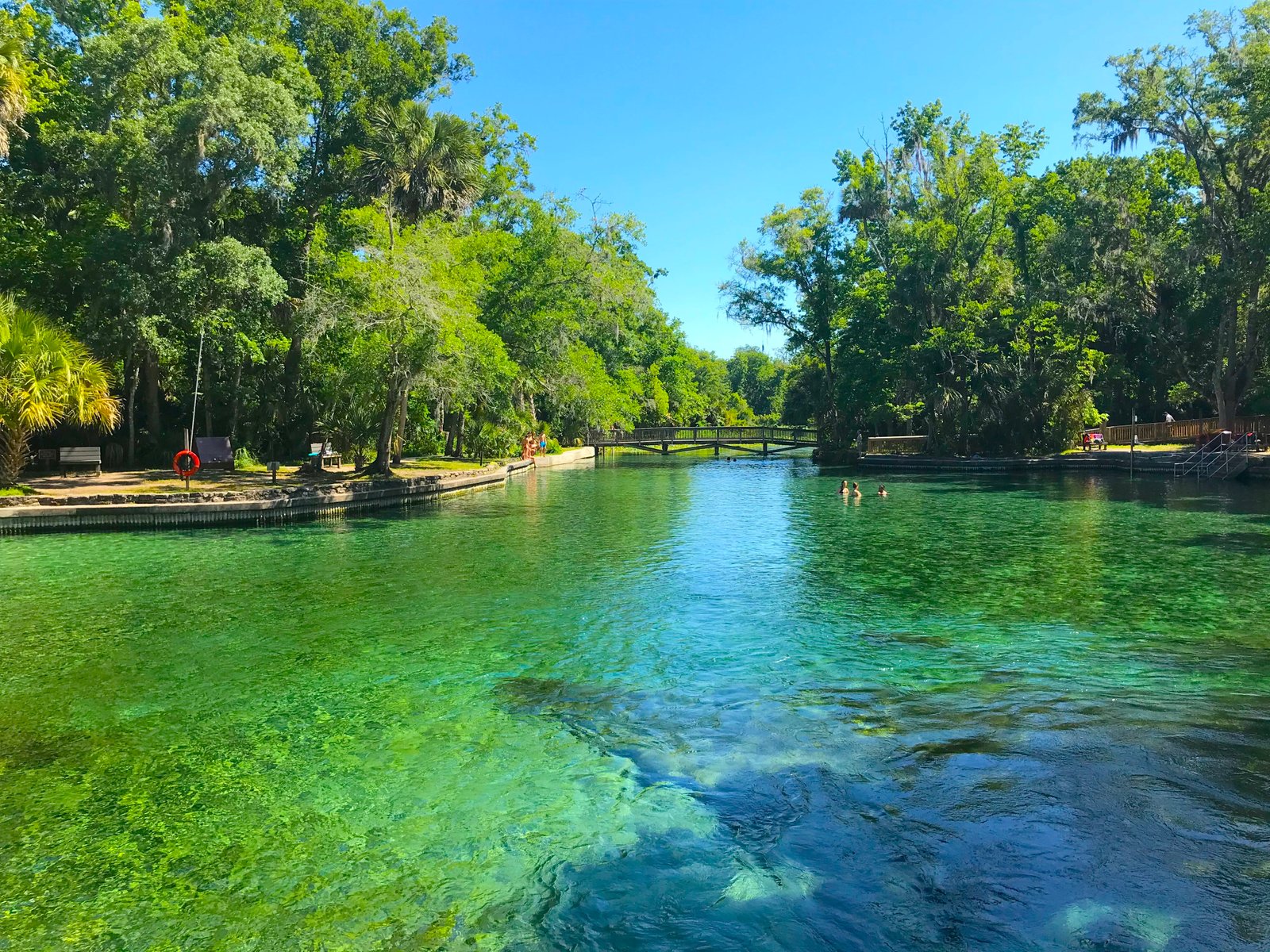
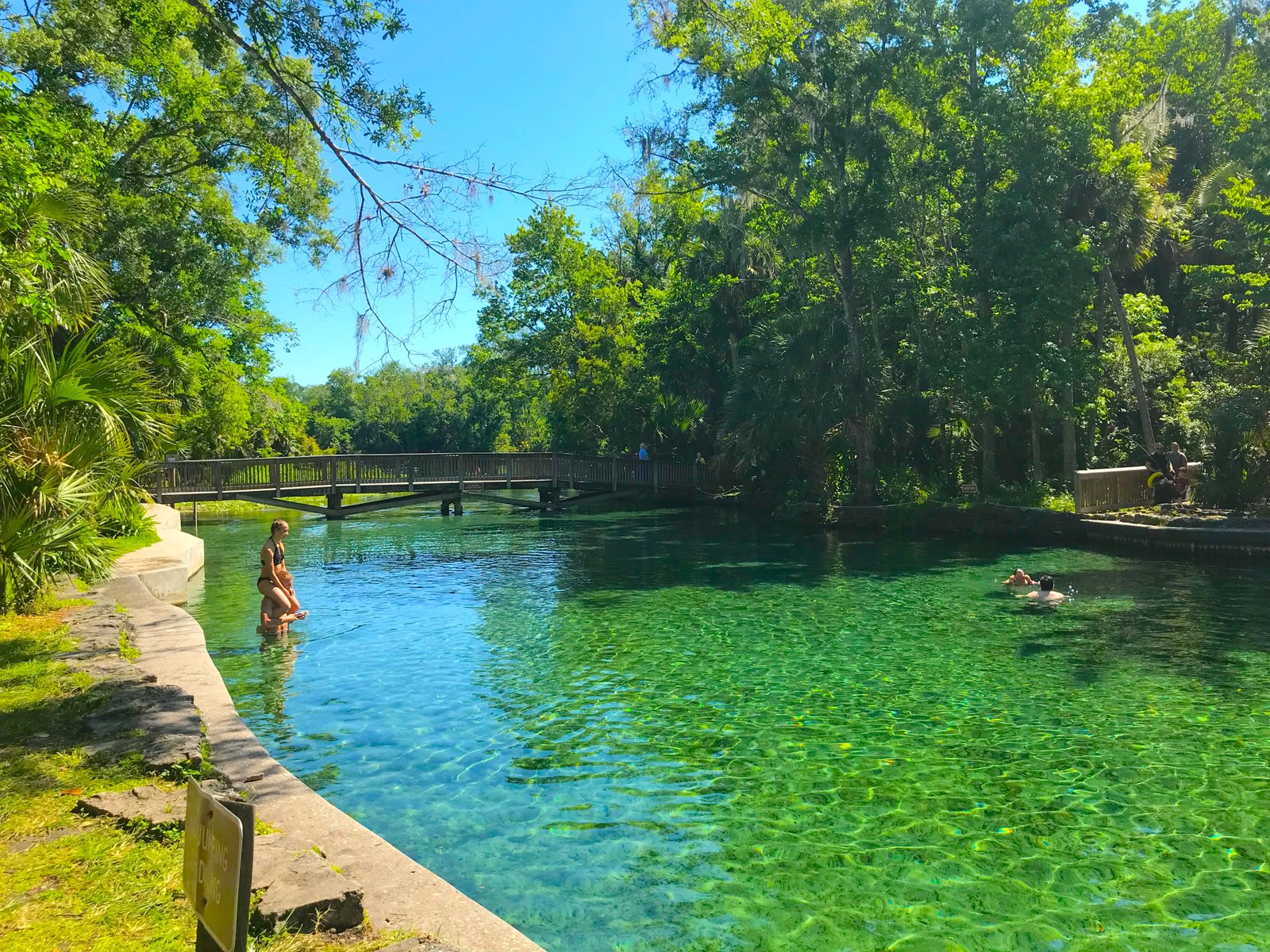
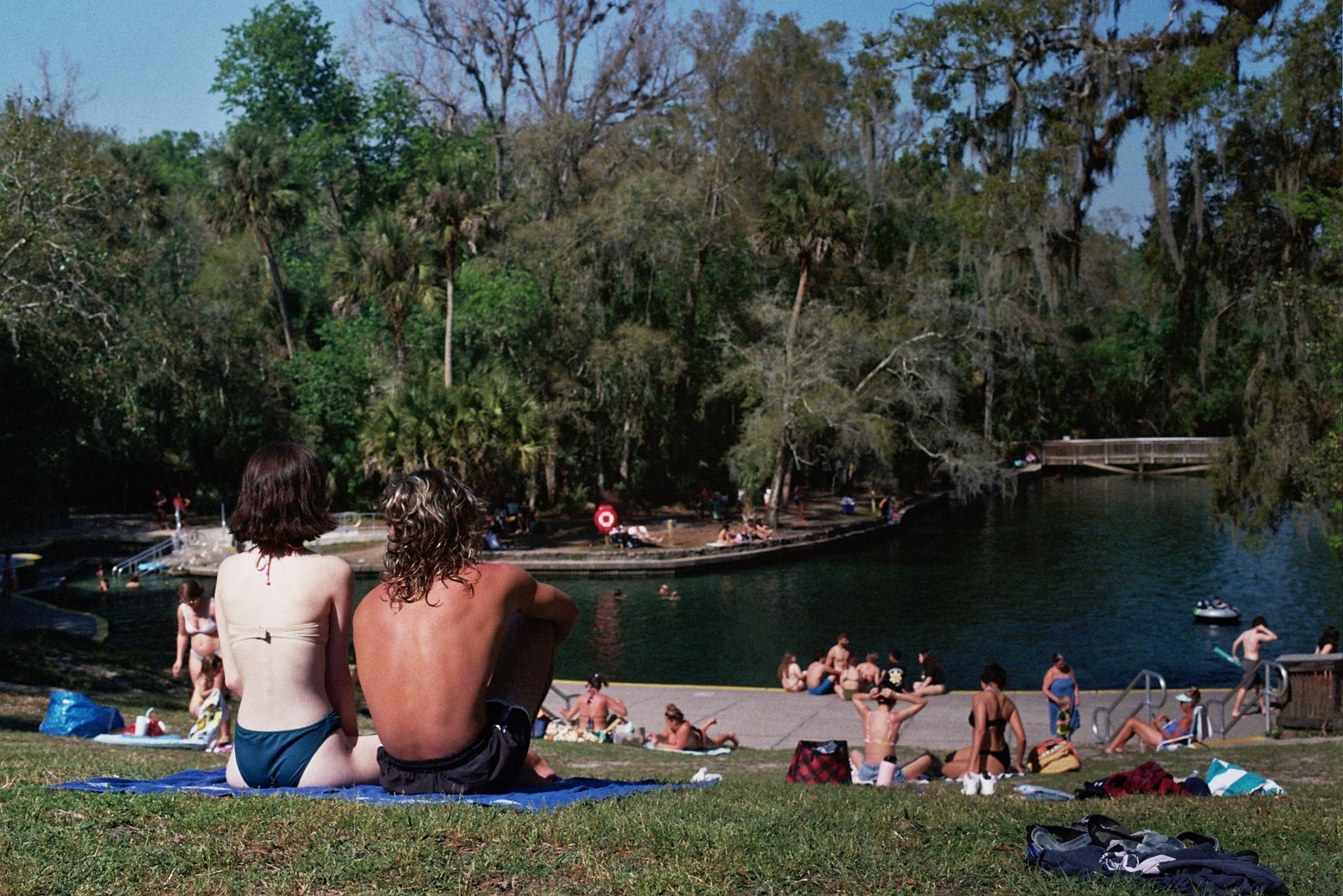
Without a doubt, the beating heart of the park is the massive, emerald-green swimming hole fed directly by the main spring head. Pumping out millions of gallons of crystal-clear water every single day, the spring maintains a refreshing 72°F (22°C) year-round. That cool temperature makes it an absolute magnet for visitors looking to escape the sweltering Florida heat—offering a chilly, refreshing shock in the summer and a surprisingly comfortable dip during cooler months.
The pool features a wide, sandy-bottomed shallow area near the edge that gently slopes deeper toward the main boil, making it popular for wading, floating, and cooling off. Because the water is remarkably clear, it’s also a fantastic spot to strap on a pair of goggles or a snorkel mask to look for small fish or watch the water bubbling up from the limestone vents below.
Essential Swimming Tips & Park Rules:
- No Diving or Jumping: For safety, diving and jumping into the spring from the surrounding grassy banks or wooden bulkheads are strictly prohibited. You’ll want to use the designated staircases and ramps to enter the water.
- Arrive Early for Prime Real Estate: The grassy lawn and sandy banks surrounding the spring fill up fast on warm weekends. If you want to secure a shady spot under the trees to set up your towels and camp chairs, aim to grab your spot shortly after park opening.
Kayaking & Paddling the Wekiva River
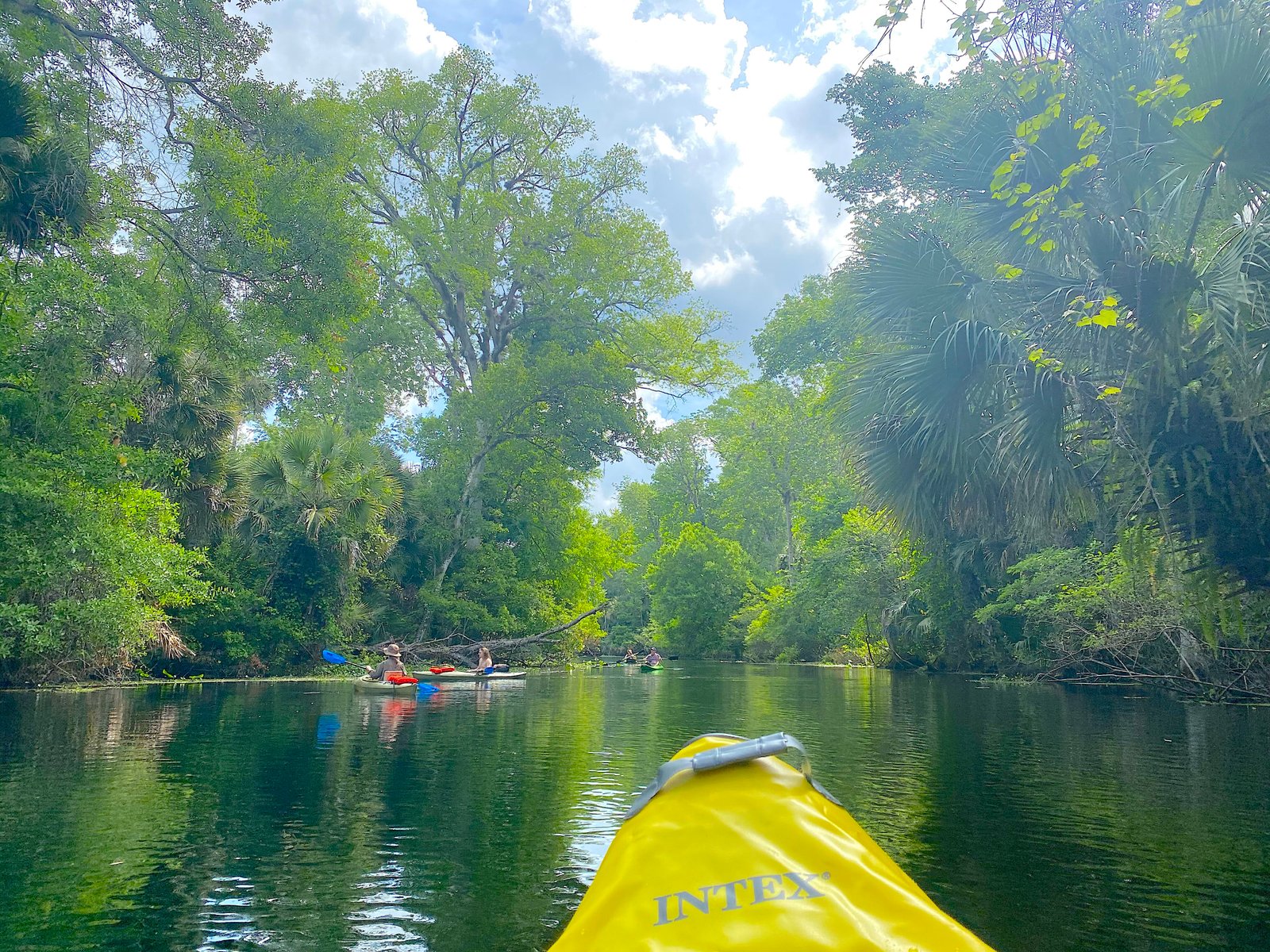
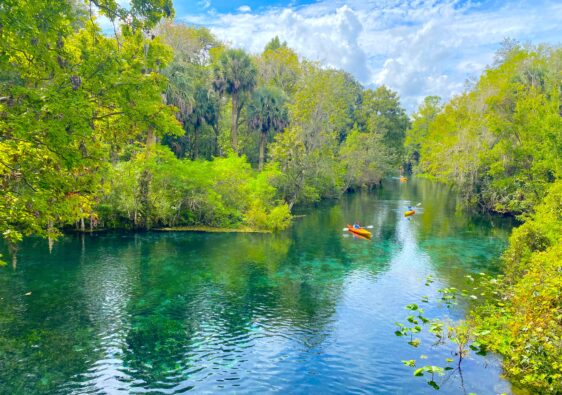
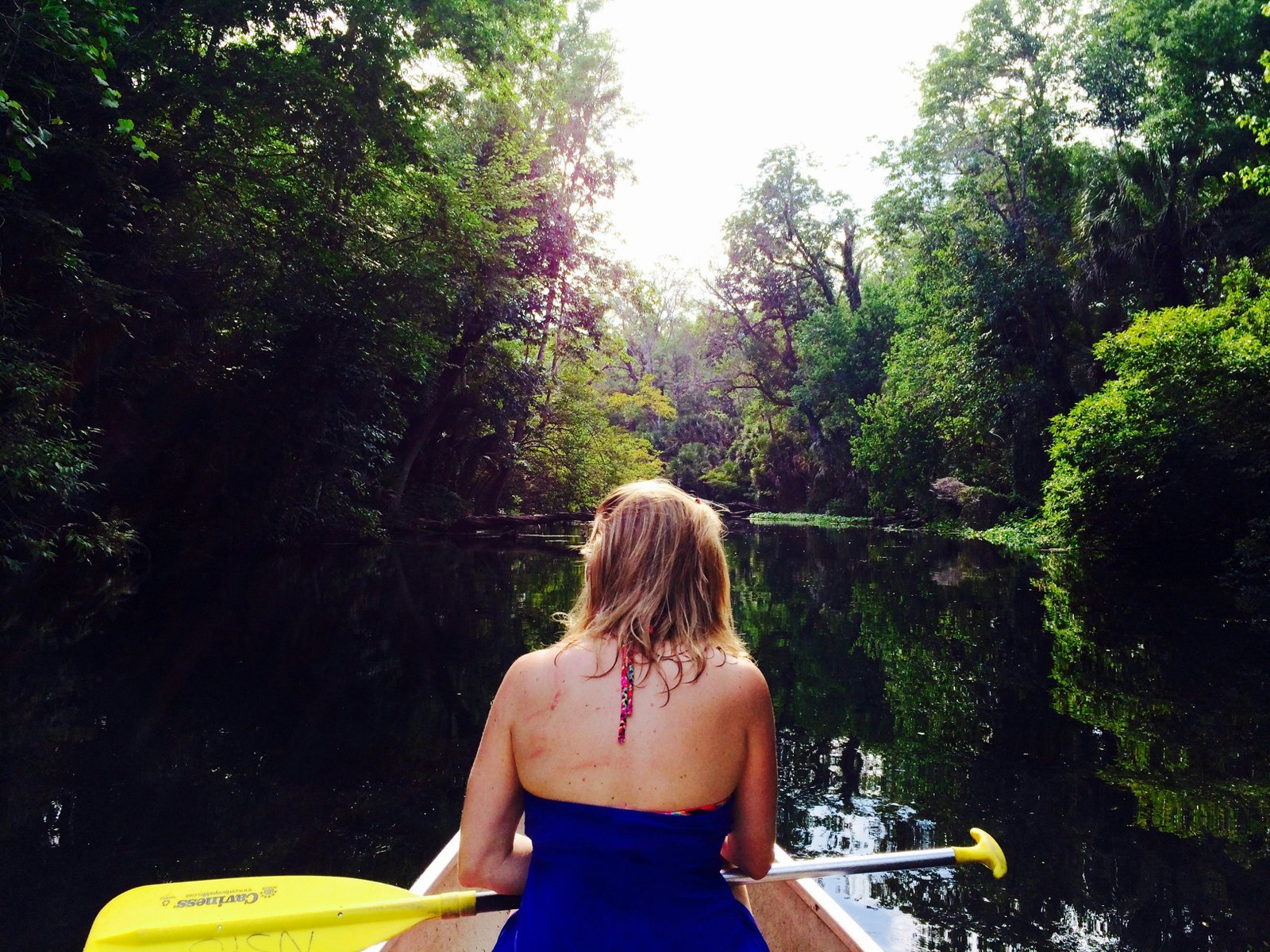
If swimming is the main event on land, paddling is the heart of the park’s outdoor adventure. Wekiwa Springs serves as the headwaters for the Wekiva River, a designated National Wild and Scenic River that winds through miles of untouched subtropical wilderness. Launching a kayak, canoe, or paddleboard from the park puts you right on a gentle, crystal-clear run that quickly transitions into a lush, tannin-stained jungle framed by towering cypress trees and dense floodplain swamps.
Rentals & Launching:
- On-Site Concessionaire: You don’t need to haul your own gear to get out on the water. The park’s vendor near the spring run offers hourly and multi-hour rentals for single kayaks, tandem kayaks, canoes, and stand-up paddleboards.
- Bringing Your Own Vessel: If you have your own boat, you can launch directly from the park for a nominal launch fee. We love traveling with our Intex Explorer K2 Inflatable Kayak—it packs down small enough to throw right in the trunk, inflates in minutes, and handles the gentle river current like a dream.
- The Route: Heading out from the spring run, you’ll glide downstream for less than a mile before hitting the confluence with Rock Springs Run, where you can explore further down the river system.
Wildlife Spotting:
Because much of the shoreline is state-protected, the paddling trail acts as a premier wildlife highway. Keep your eyes peeled for:
- Alligators and Turtles: Basking turtles are a given on nearly every log, and casual alligator sightings along the grassy banks are common.
- Wading Birds & Raptors: Look up for great blue herons, white ibis, limpkins foraging on lily pads, and the occasional hawk or osprey overhead.
- River Otters: If you’re lucky and quiet early in the day, you might spot a family of playful river otters sliding into the current.
Hiking & Exploring the Trails
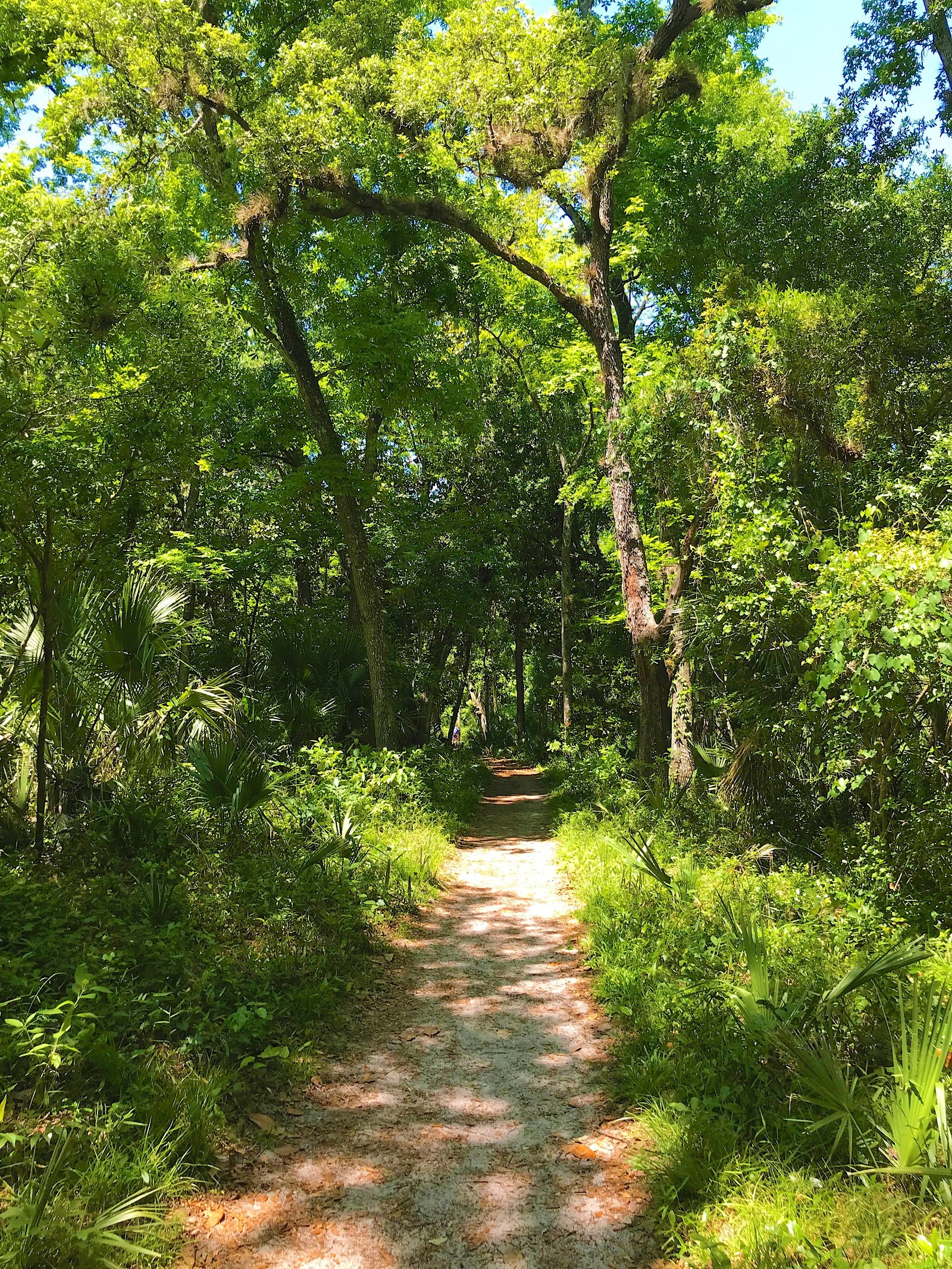
While most visitors head straight for the water, Wekiwa Springs protects over 13 miles of multi-use trails that showcase a completely different side of Central Florida. Ranging from a short, shady boardwalk to a rugged 13.5-mile white-blazed loop, the park’s path network takes you through a shifting landscape of high sandhills, pine flatwoods, oak scrubs, and dense river swamps.
Popular Trail Options:
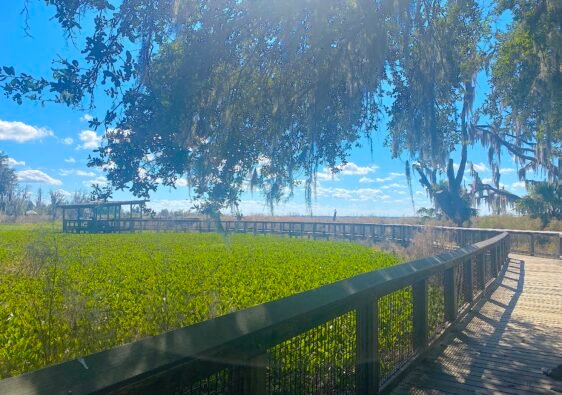
- The Wet-to-Dry / Boardwalk Trail (0.8 miles): Perfect for families or anyone looking for an easy, low-impact stroll. This short route features a wooden boardwalk that immerses you right into a lush swamp environment packed with ferns and palms before connecting to the broader trail network.
- The Volksmarch Loop (5.3 miles): Marked with orange blazes, this mid-length loop gives you a great sample of the park’s upland habitats and tranquil forest views without committing to an all-day trek.
- The Main Wekiwa Springs Hiking Trail / White Loop (10.2 to 13.5 miles): For backpackers, endurance hikers, or trail runners, the outer white-blazed loop is a serious workout. It traverses the park’s most remote backcountry, crossing powerline roads, skirting around Lake Prevatt, and dipping near the edges of Rock Springs Run.
Camping at Wekiwa Springs: The Ultimate Insider Hack
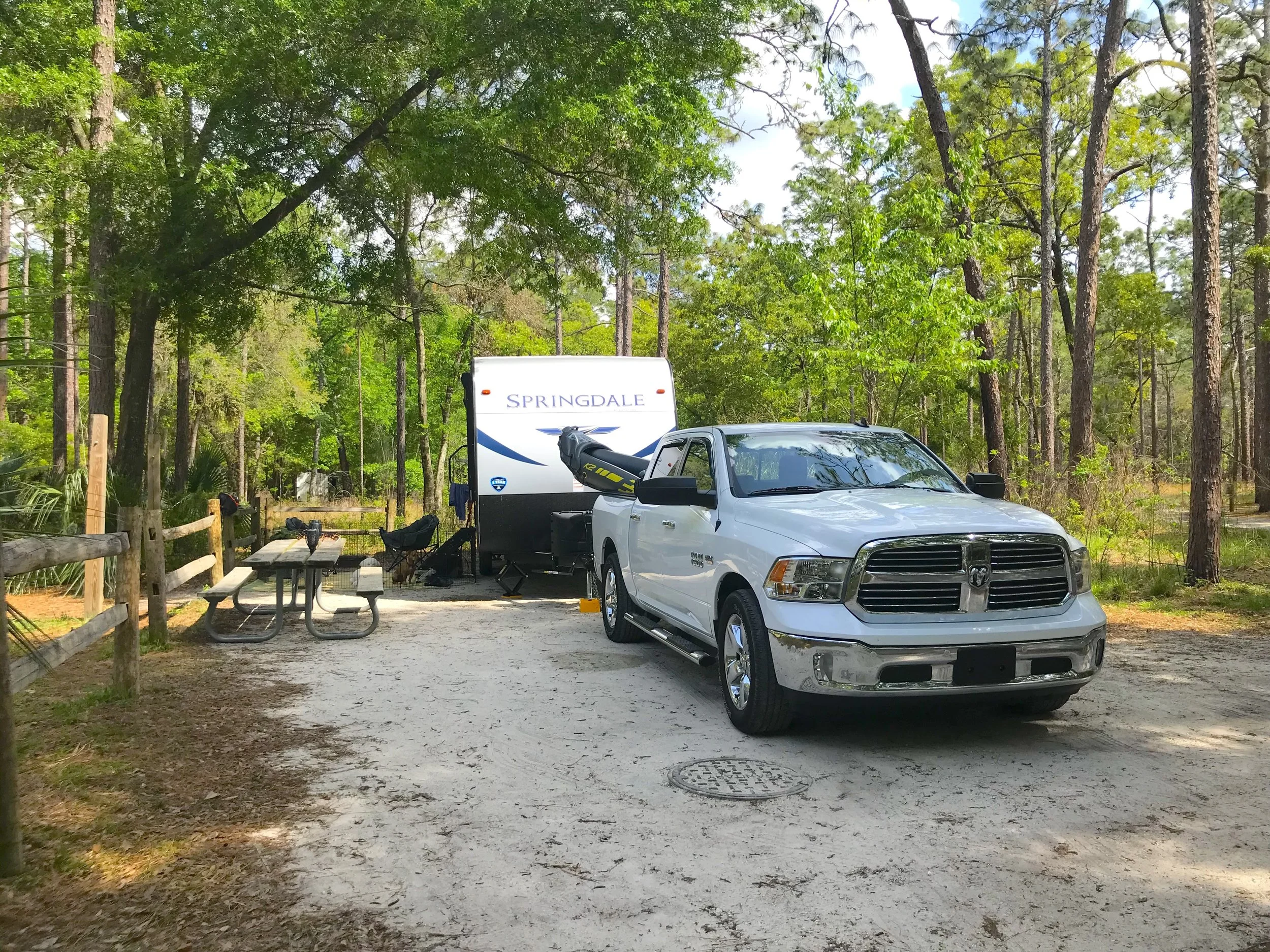
If you want to experience the park at its absolute best, staying overnight in the campground is a game-changer. Because Wekiwa Springs frequently hits maximum capacity and locks its gates to incoming day traffic by mid-morning on weekends, having a campsite acts as your ultimate backstage pass—allowing you to come and go as you please and giving you first dibs on the spring head before the crowds arrive.
The Campground Setup:
- The Sites: The park features around 60 wooded campsites tucked beneath a gorgeous canopy of tall trees that provide great shade and privacy. Each site comes equipped with a picnic table, a fire ring with a grill, and water and electrical hookups (some sites offer full hookups, while others have water and electric with a central dump station nearby).
- Tents & RVs Welcome: The campground loops accommodate both tent campers and RVs (though you’ll want to check pad lengths when booking, as some sites suit tents better than larger rigs).
- Conveniences: Two clean, accessible bathhouses with flush toilets and hot showers are centrally located within the loops.
- (Note: While the campground is peaceful and feels deeply secluded in nature, it’s worth noting that it’s a short drive or bike ride over to the main spring head and kayak launch area rather than a direct walk from your campsite.)
Essential Tips for Visiting Wekiwa Springs State Park
- Arrive Early or Have a Backup Plan: Because of its proximity to Orlando, weekend capacity limits hit fast. If you aren’t camping, aim to arrive right at gate-opening time, or plan a weekday visit to avoid getting locked out.
- Book Well in Advance: Sites are exceptionally popular and open up for reservation months ahead through the Florida State Parks booking system. If you spot a weekend opening, grab it immediately.
- Keep Wildlife Safe: Because the park is a rich natural habitat, wildlife like deer, raccoons, and occasionally black bears pass through. Rangers are strict about food safety, so make sure to secure all food, trash, and scented items in your vehicle or hard-sided containers at night.
- Grab a Map: Cell service can be spotty in the deeper backcountry sectors. Take it from experience—we actually got turned around and lost once while exploring the outer trails, and it took us quite a while to figure out our way back! Make sure to grab a physical map at the ranger station, snap a picture of the trailhead kiosk map, or download an offline trail map before you head out.
- Leave No Trace: Wekiwa Springs is a vital ecological sanctuary. Pack out all of your trash, respect the wildlife boundaries, and never feed or approach the alligators or other park animals.
What to Pack: Essential Gear for Wekiwa Springs
1. Watercraft & Rental Details (Or Bring Your Own!)
If you aren’t renting on-site, having your own gear ready to go gives you total flexibility:
- Stand-Up Paddleboard ($23/hour or $75/day): An incredible, stable way to view the crystal-clear blue waters and spot fish right beneath your feet. Bring your own or grab a rental right in the park.
- Kayak ($20/hour or $65/day): One of the best ways to explore Wekiwa Springs. You can launch your own or rent on-site. If you don’t want to mess with on-site rental lines or time limits, having your own setup is a game-changer. We love traveling with our Intex Explorer K2 Inflatable Kayak—it packs down small enough to throw right in the trunk, inflates in minutes, and handles the gentle river current like a dream.
2. Sun Protection & Apparel
Florida sunshine is no joke, especially when it’s reflecting off crystal-clear spring water.
- Reef-Safe Mineral Sunscreen: Protect your skin without damaging the delicate ecosystem and aquatic life in the springs. We never hit the water without Earth Mama Mineral Sunscreen SPF 40—it rubs in smoothly, provides incredible protection under the Florida sun, and is great for the whole family.
- UPF Sun Protection Hoodie & Wide-Brim Hat: When you’re spending hours under the Florida sun while paddling or walking the open trails, the Soothfeel Women’s UPF 50+ Sun Protection Hoodie is an absolute lifesaver—it’s lightweight, incredibly breathable, and keeps you fully protected without needing constant reapplication of sunscreen. Pair it with my go-to FURTALK Wide Brim Sun Hat, which has been my trusted trail companion for years to keep the glare out of your eyes and protect your face and neck during long days on the water.
- Quick-Dry Apparel & Swimwear: Essential for transitioning seamlessly from swimming in the 72-degree headsprings to walking the nature trails.
3. Footwear for Land and Water
- Water Shoes or Sandals with Straps: Sturdy water shoes or sport sandals are a must for navigating the slick limestone steps around the spring head.
- Sturdy Hiking Boots or Walking Shoes: If you’re hitting the trails, we recommend pairing them with reliable hiking boots like the Columbia Newton Ridge Plus Hiking Boots for uneven terrain.
4. Food, Comfort, & Hydration Gear
- Pack a Picnic Lunch & Snacks: There are plenty of shaded picnic tables and open green lawns near the headsprings. Packing your own lunch and snacks saves you money and lets you enjoy a scenic meal right by the water. (Note: Glass containers and alcoholic beverages are restricted in day-use park areas, so stick to reusable containers and coolers!)
- Insulated Water Bottles & Electrolytes: Staying hydrated is key in the Florida heat. I always pack leak-proof Simple Modern insulated water bottles filled with ice-cold water, and mix in a packet of LMNT sugar-free electrolytes to keep energy levels high and prevent fatigue during long stretches on the trails or out on the river.
- Turkish Beach Towels: Say goodbye to bulky, heavy towels that stay damp all day. We always pack Turkish cotton towels for spring trips—they are incredibly lightweight, dry super fast in the Florida sun, and roll up compactly to save tons of space in your day bag.
- Dry Bag: An absolute must-have if you are kayaking or paddleboarding to keep your phone, car keys, and camera safe and dry. I always rely on a reliable HEETA waterproof dry bag to ensure all our valuables stay completely protected even if water splashes into the craft or spray kicks up on the river.
- Polarized Sunglasses: Because the water at Wekiwa Springs is so crystal clear, packing a reliable pair of SOJOS polarized sunglasses is an absolute game-changer. They cut the glare off the surface instantly, allowing you to easily spot fish, turtles, and vibrant aquatic plants from above.
5. Underwater Cameras & Waterproof Protection
Because the visibility in the spring is so incredible, you’re going to want to capture all the fish, turtles, and underwater views.
- GoPro HERO (or Waterproof Action Camera): If you want crisp, high-definition action shots and smooth video while swimming or paddling, having a GoPro HERO mounted to your wrist or paddle is an absolute game-changer for capturing the underwater magic of Florida springs.
- Universal Waterproof Phone Case: If you don’t want to invest in a separate action camera, a heavy-duty waterproof floating phone pouch is a budget-friendly lifesaver. It keeps your phone completely safe and dry while letting you snap gorgeous photos right through the clear plastic window while swimming or floating on the river.
Frequently Asked Questions About Wekiwa Springs State Park
Do I need a reservation to visit Wekiwa Springs?
Yes. Due to extreme popularity, Florida State Parks utilize a day-use reservation system. You can book your vehicle entry up to 60 days in advance via the official Florida State Parks website. If you are camping, you will need a separate campground reservation.
Can you swim anywhere in the river?
No. Swimming is strictly restricted to the designated main spring pool area. Swimming, snorkeling, or wading is not permitted in the natural river runs or the Wekiva River itself for safety and ecological conservation reasons.
Are dogs allowed at Wekiwa Springs State Park?
Yes, leashed pets are allowed in designated areas of the park, such as the multi-use trails and campground, but pets are not permitted in the swimming pool area or on rental watercraft.
Can you bring alcohol into the park?
No. Alcoholic beverages are strictly prohibited anywhere within Wekiwa Springs State Park.
Can I rent kayaks or canoes at the park?
Yes! There is an on-site concessionaire (The Boathouse) located right by the spring run where you can rent single kayaks, tandem kayaks, canoes, and stand-up paddleboards on a first-come, first-served basis. You are also welcome to bring and launch your own vessel for a small launch fee.
Your Ultimate Florida Oasis Awaits
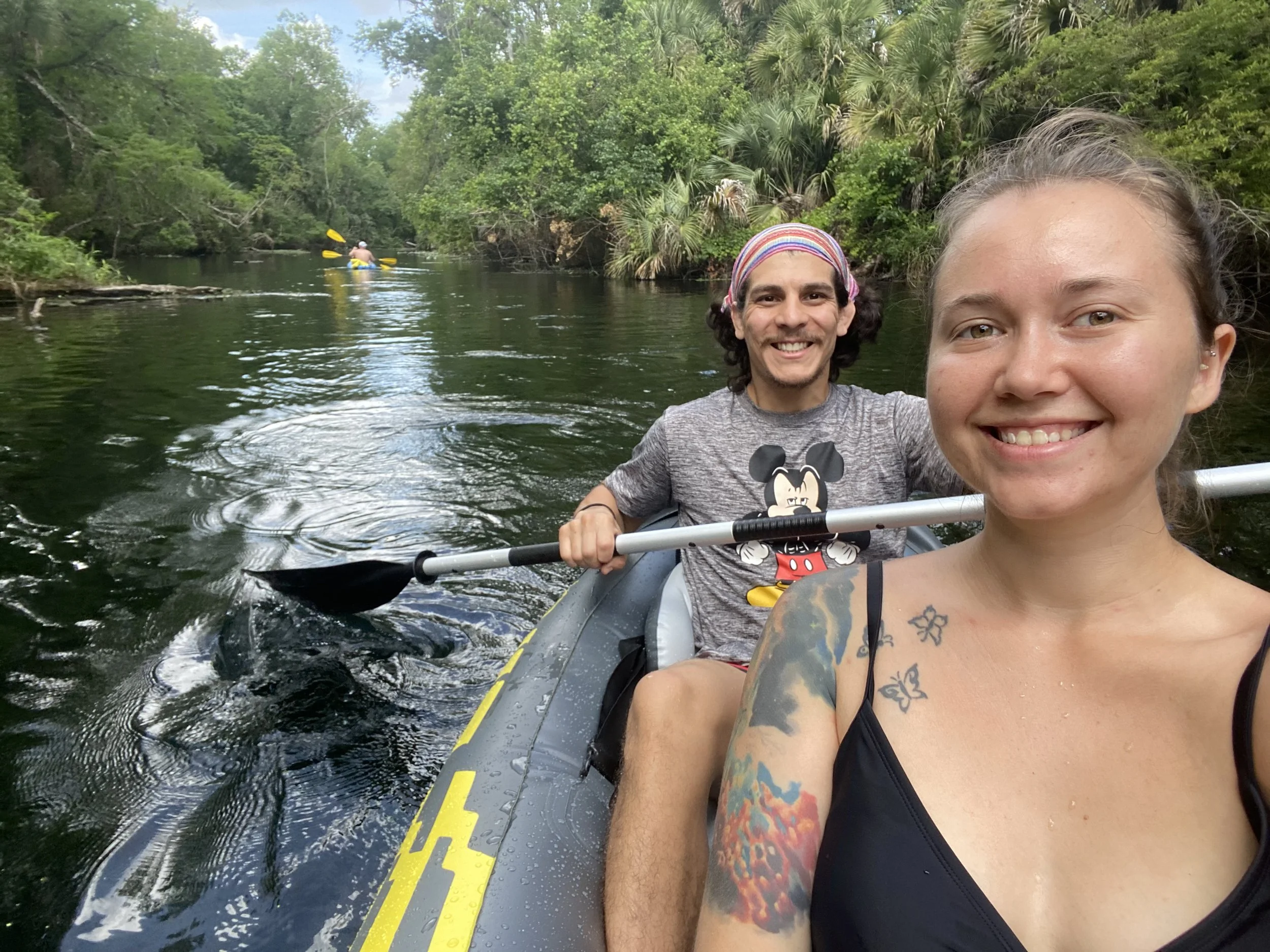
Whether you’re looking to beat the Central Florida heat with a refreshing dip in crystal-clear turquoise waters, spend a quiet morning paddling down a winding wilderness river, or trade the city noise for a peaceful weekend tucked under the trees at the campground, Wekiwa Springs State Park proves why Florida’s natural springs are true treasures.
Because of its immense popularity, a little bit of planning goes a long way. Secure your day-use pass or campsite ahead of time, grab your trail map, and get ready to experience a side of the Sunshine State that feels a world away from the theme park bustle.
Helpful Links & Resources
- Plan Your Visit & Reservations: Head to the Official Florida State Parks Reservation System to book your day-use vehicle entry or overnight campsite.
- Watercraft Rentals & Park Info: Check out Wekiwa Springs Adventures for details on on-site kayak, canoe, and paddleboard rentals, bike rentals, and seasonal concession hours.
- Official Park Details: Learn more about park history, ranger-led programs, and ecological preservation directly through the Florida State Parks Official Page.
Gear Recommendations Mentioned in This Post:
Water Safety & Gear:
- Intex Explorer K2 Inflatable Kayak – A budget-friendly, highly portable two-person kayak that makes hitting the waterways effortless without needing a roof rack.
- GoPro HERO Action Camera & Universal Waterproof Phone Pouch – Essential tools for capturing crystal-clear underwater shots and keeping your devices safe from splashes while on the river.
- Smyrna Turkish Beach Towels – Lightweight and quick-drying towels that take up minimal space in your pack and dry in no time.
- HEETA Waterproof Dry Bag – A must-have to keep your phone, keys, and camera safe from splashes while kayaking or paddleboarding.
Hydration & Energy:
- Simple Modern Insulated Water Bottles – Leak-proof bottles to keep your ice water freezing cold all day.
- LMNT Sugar-Free Electrolyte Packets – Perfect for mixing on the go to prevent fatigue during long stretches of walking or paddling.
Sun Protection & Trail Wear:
- Soothfeel Women’s UPF 50+ Sun Protection Hoodie – Lightweight, breathable coverage for long hours on the trails or water without constant sunscreen reapplication.
- FURTALK Wide Brim Sun Hat – Packable, trusted trail companion for shielding your face and neck from the Florida glare.
- SOJOS Polarized Sunglasses – Essential for cutting the water’s surface glare so you can easily spot fish, turtles, and aquatic plants from above.
- Earth Mama Mineral Sunscreen SPF 40 – Gentle, reef-safe, chemical-free sun protection for long days in and out of the water.
- Columbia Newton Ridge Plus Hiking Boots – Durable, waterproof, and supportive hiking boots that provide comfort and stability on uneven dirt trails and shaded park paths.