
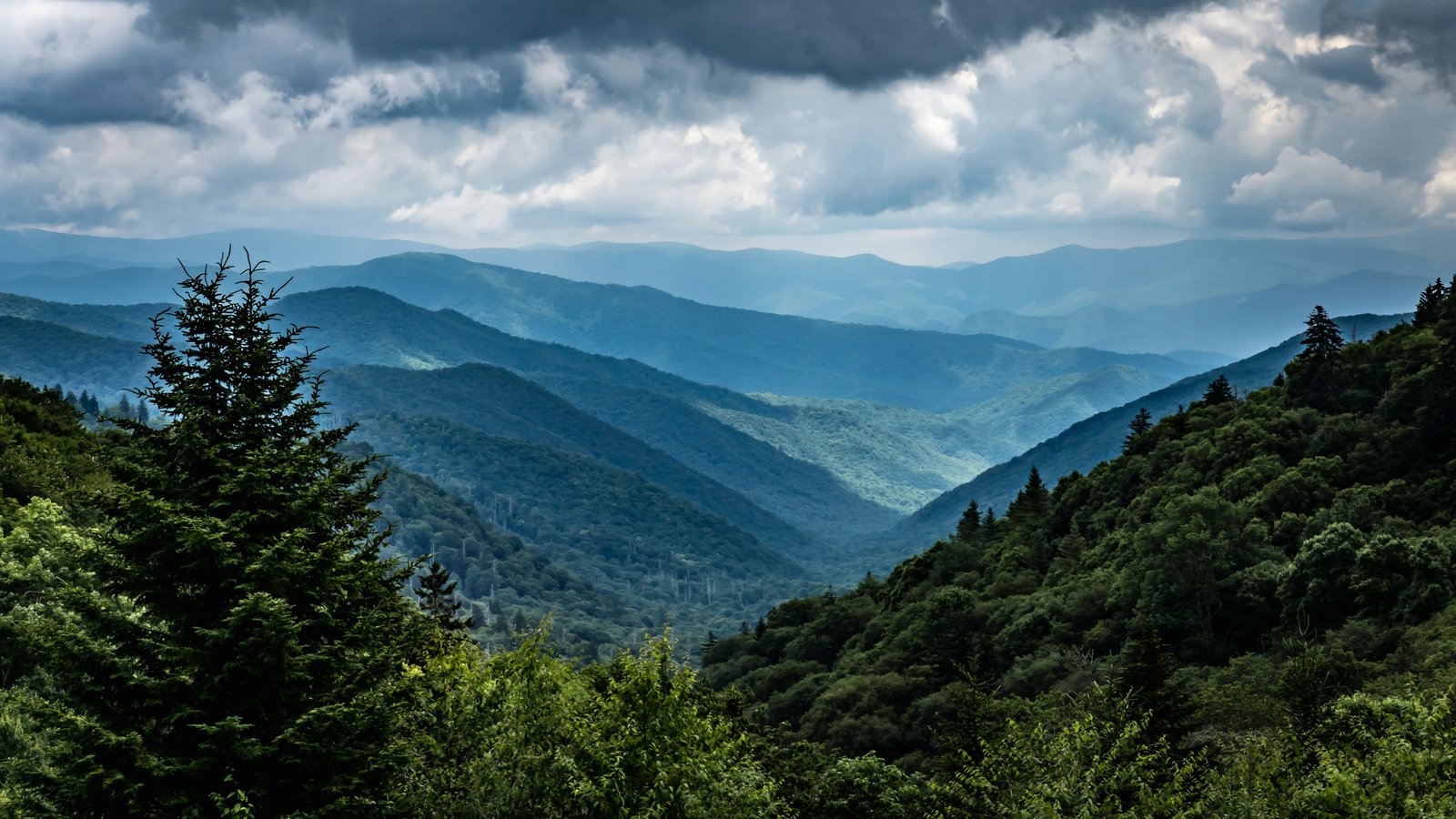
Stretching across the border of North Carolina and Tennessee, the Great Smoky Mountains National Park holds a legendary status—and for good reason. As the most-visited national park in the United States, it draws millions of travelers each year with its mist-shrouded peaks, ancient forests, cascading waterfalls, and rich Appalachian heritage.
Whether you’re hoping to catch a glimpse of a wild black bear grazing in an open meadow, cruise along winding scenic byways high above the clouds, or hike up to panoramic views that stretch as far as the eye can see, the Smokies offer an adventure for every kind of traveler. But with over 800 square miles of protected wilderness to explore, planning your itinerary can feel a bit overwhelming.
To help you skip the guesswork and experience the absolute best of the region, we’ve rounded up 10 unforgettable things to do in the Great Smoky Mountains. Grab your hiking boots, roll down the windows, and let’s dive into the magic of the Smokies!
#1. Visit a Waterfall
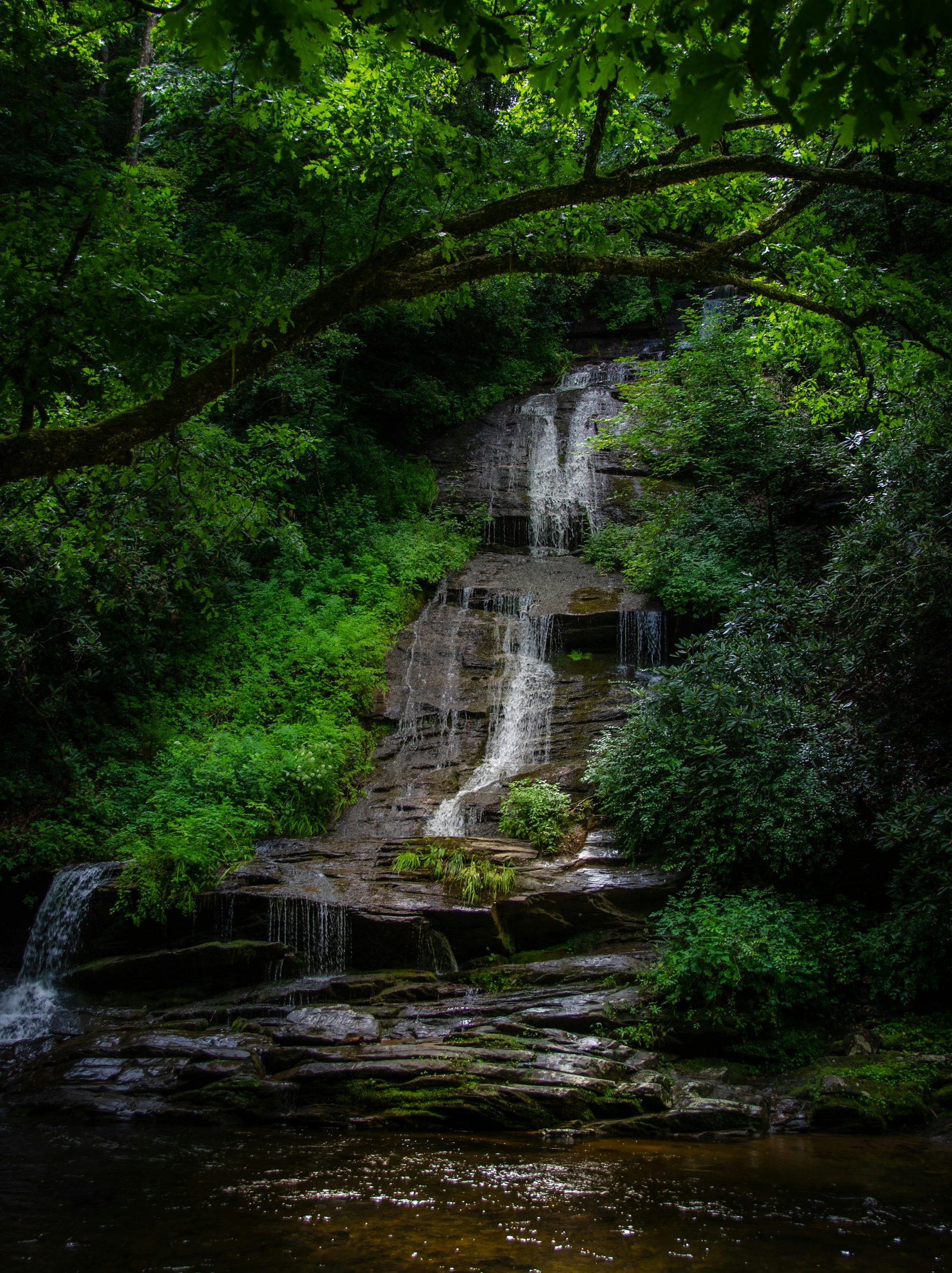
If you enjoy a good waterfall, look no further than the Great Smoky Mountains. With up to 85 inches of rainfall a year in some higher elevations, the Smokies are a breeding ground for breathtaking cascades. From the wildly popular Laurel Falls to the rugged, remote beauty of Abrams Falls, it’s no wonder this area draws a crowd.
The park’s most famous falls are primarily clustered on the northern side, featuring heavy-hitters like:
- Grotto Falls: A unique favorite where you can actually walk right behind the curtain of rushing water.
- Rainbow Falls: Named for the mist that creates vibrant rainbows on sunny afternoons.
- Laurel Falls: An accessible, paved trail leading to an 80-foot multi-tiered cascade.
- Abrams Falls: A rewarding trek deep in Cades Cove that rewards hikers with a powerful 20-foot drop and a massive rushing pool.
Pro-Tip: Waterfall trails get extremely busy, especially during peak summer and fall weekends. Hit the trail early in the morning to beat the crowds and snag a parking spot!
#2. Visit the Kuwohi (Clingmans Dome) Observation Tower
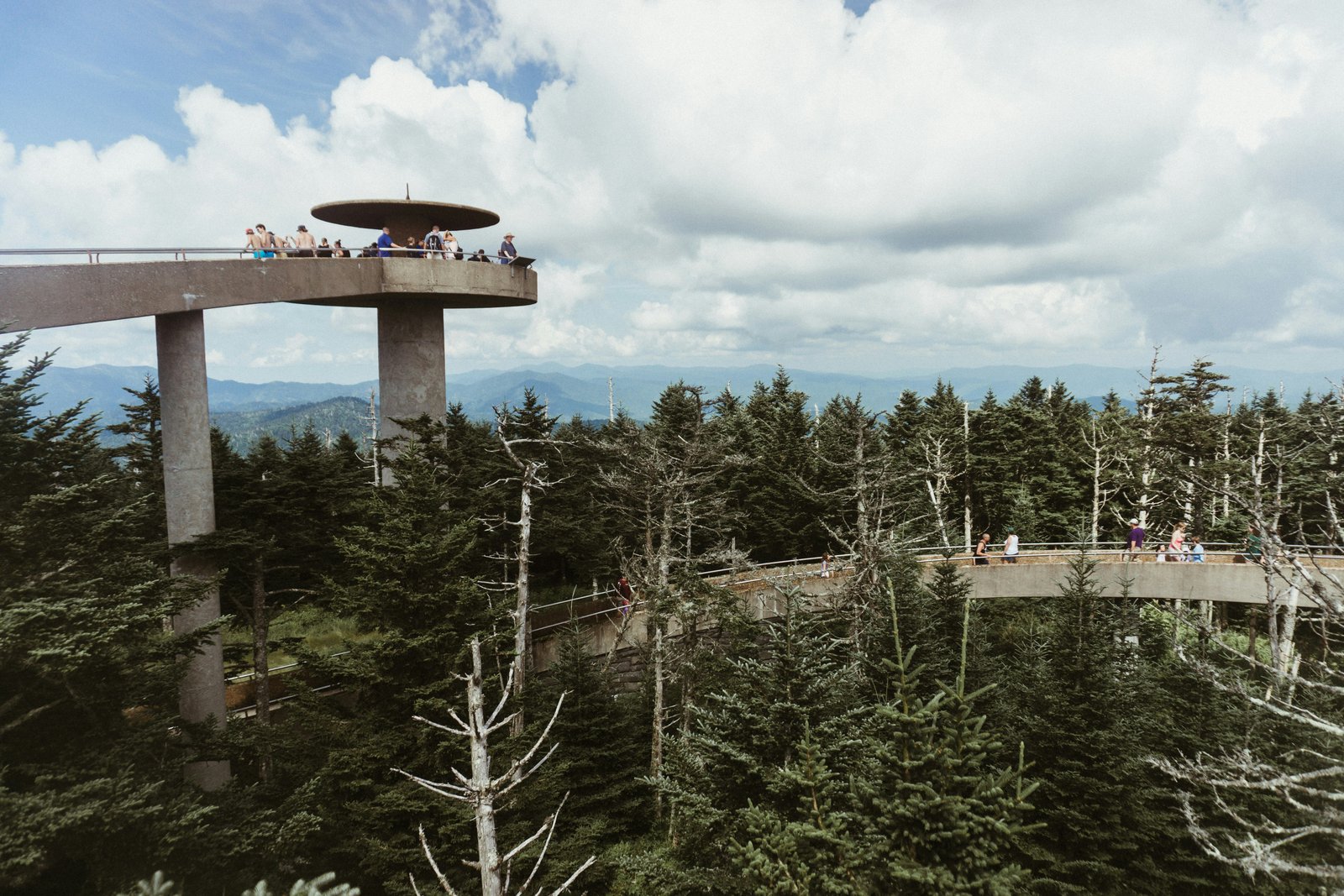
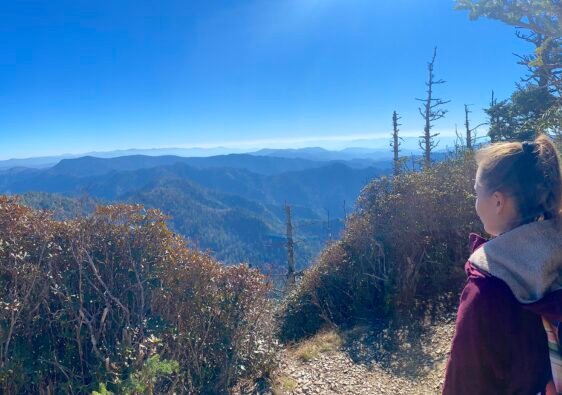
For outstanding 360-degree views of the Great Smoky Mountains, you’ve got to make the journey up to Kuwohi, formerly known as Clingmans Dome. Sitting right on the border of Tennessee and North Carolina, it is the highest point in the park at a staggering 6,643 feet—making it also the highest point along the entire Appalachian Trail.
A striking, concrete observation tower sits at the summit, offering sweeping panoramic views that truly live up to the “Smoky” name on misty mornings. It’s also one of the absolute best spots in the park to catch an unforgettable sunrise or sunset above a sea of blue ridges.
Pro-Tip: The half-mile walk from the parking lot to the tower is paved, but it is steep (a steady uphill climb that can catch you off guard). Even in the middle of summer, temperatures up top are drastically cooler than down in the valleys, so always pack a light jacket!
#3. Explore Cades Cove
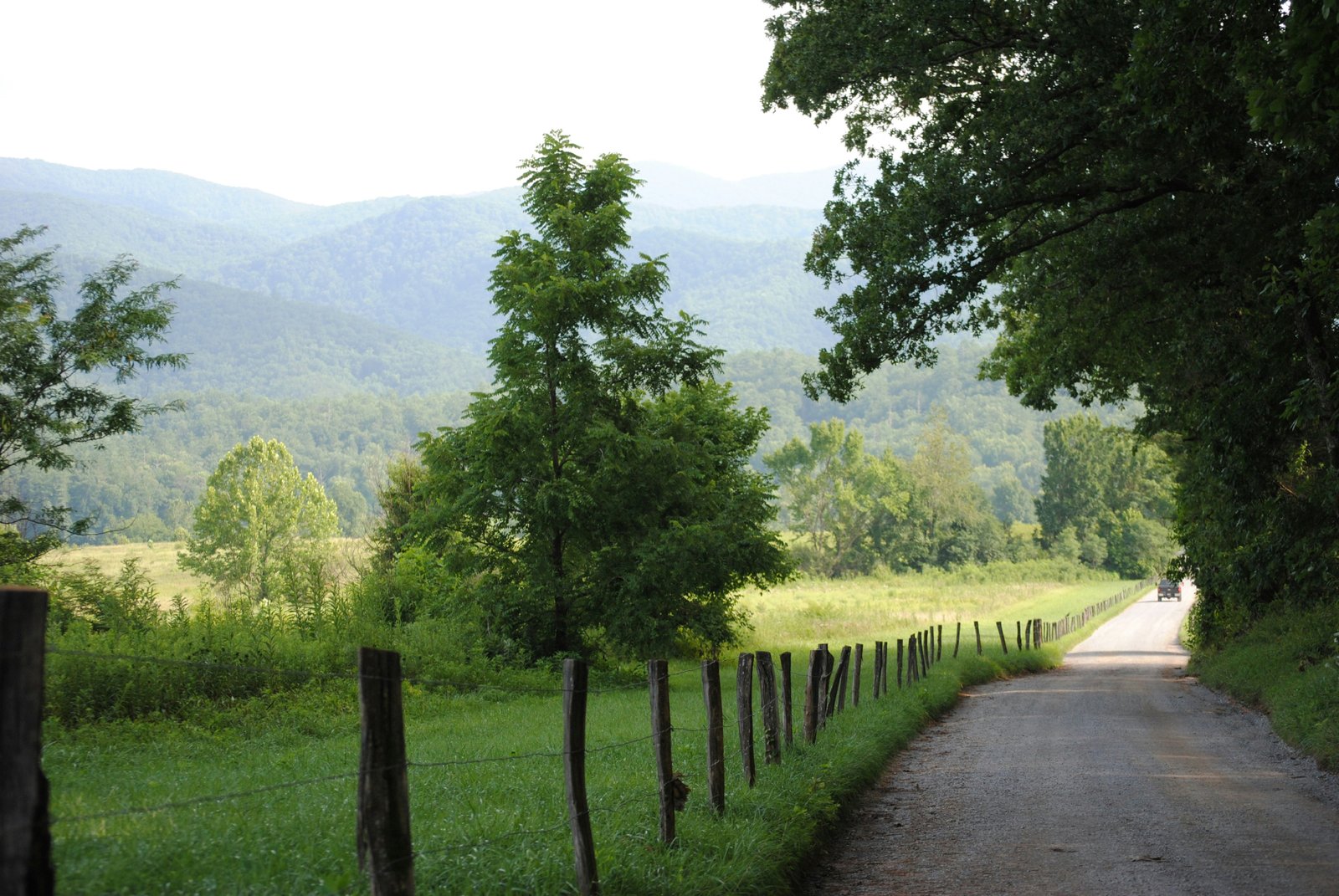
Cades Cove was one of our absolute favorite spots we visited in the Smokies. A lush, green valley surrounded by gorgeous, rolling mountains with a high chance of spotting some wildlife? Yes, please.
Located on the west side of the park, Cades Cove is a massive historical and natural hotspot. The area offers:
- The 11-Mile Scenic Loop Drive: A one-way road that takes you all the way around the valley.
- Historic 19th-Century Structures: Preserved churches, barns, and log cabins scattered throughout the cove.
- Wildlife Viewing: One of the best places in the park to spot white-tailed deer, wild turkeys, and black bears.
- Hiking Trails & Camping: Access to great trails (like Abrams Falls) and a campground.
Because the 11-mile loop is so popular, traffic can crawl. It’s best to allow for at least 2 to 3 hours to drive through Cades Cove—you may want to pack a lunch and enjoy a picnic at one of the designated areas along the way!
#4. Hit the Hiking Trails
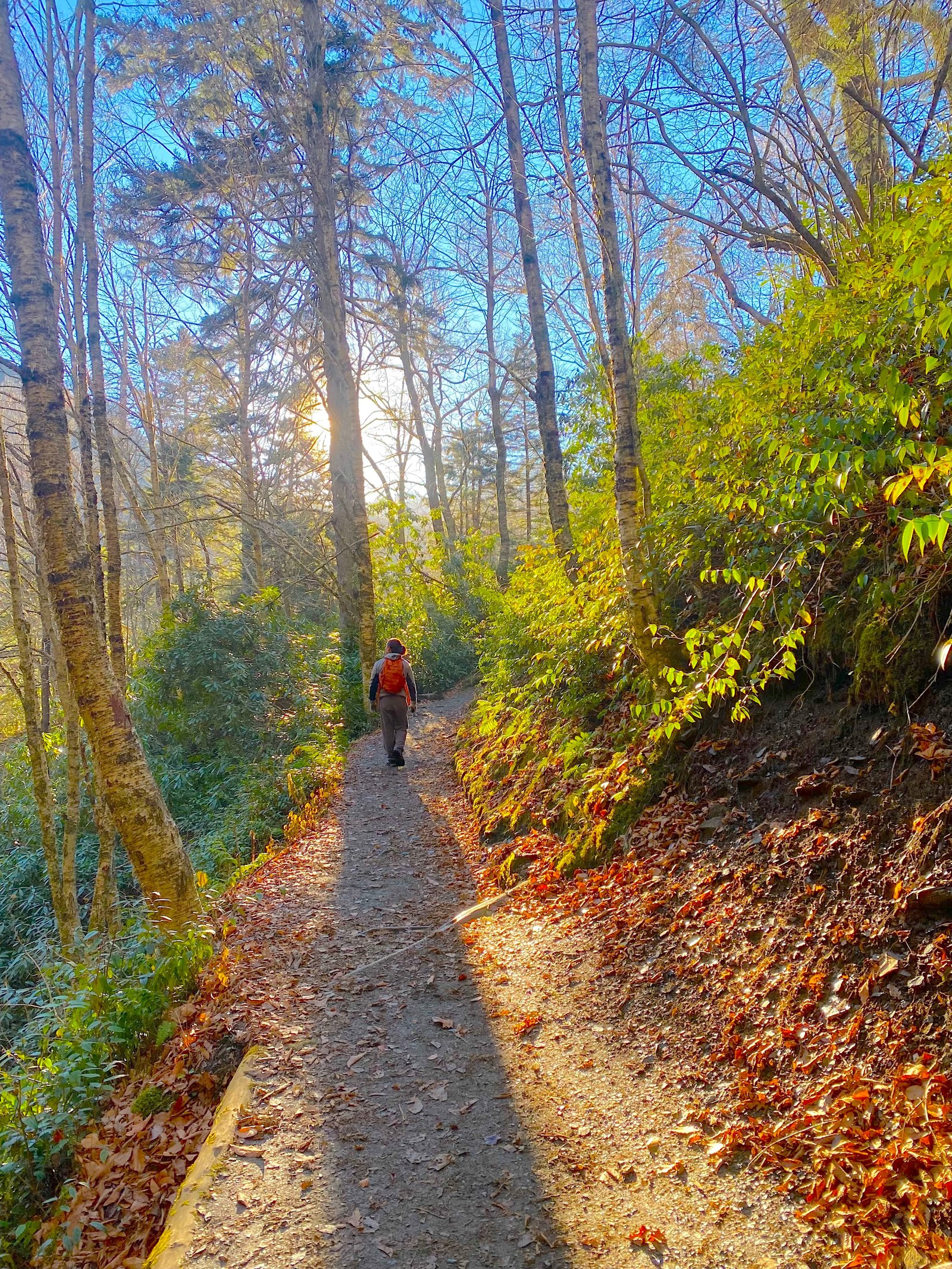
One of the best ways to see all that the Smokies have to offer is on foot. With over 800 miles of hiking trails crisscrossing the park, the Great Smoky Mountains are truly a hiker’s paradise. From quiet forest paths alongside rushing rivers to rugged mountain climbs with breathtaking views, there is a trail for every skill level.
Some of the park’s most iconic and popular trails include:
- Alum Cave Trail to Mount LeConte: A thrilling trek featuring unique geologic bluffs, narrow rock-cut passages, and incredible summit rewards. (Planning to tackle this iconic route? Read our complete, step-by-step Alum Cave Trail Guide for tips on parking, navigating Arch Rock, and making it all the way to the top safely!)
- Laurel Falls: An easy, family-friendly paved walk leading to a gorgeous 80-foot waterfall.
- Rainbow Falls: A steady climb through an old-growth forest to a misty cascade where sunlight creates daytime rainbows.
- Chimney Tops: A short, steep, and rocky climb that delivers massive, high-elevation views of the surrounding peaks.
Pro-Tip: Cell service is notoriously spotty or non-existent in the park. Download your trail maps offline using an app like AllTrails or National Park maps before you head out to the trailhead!
#5. Take a Scenic Drive
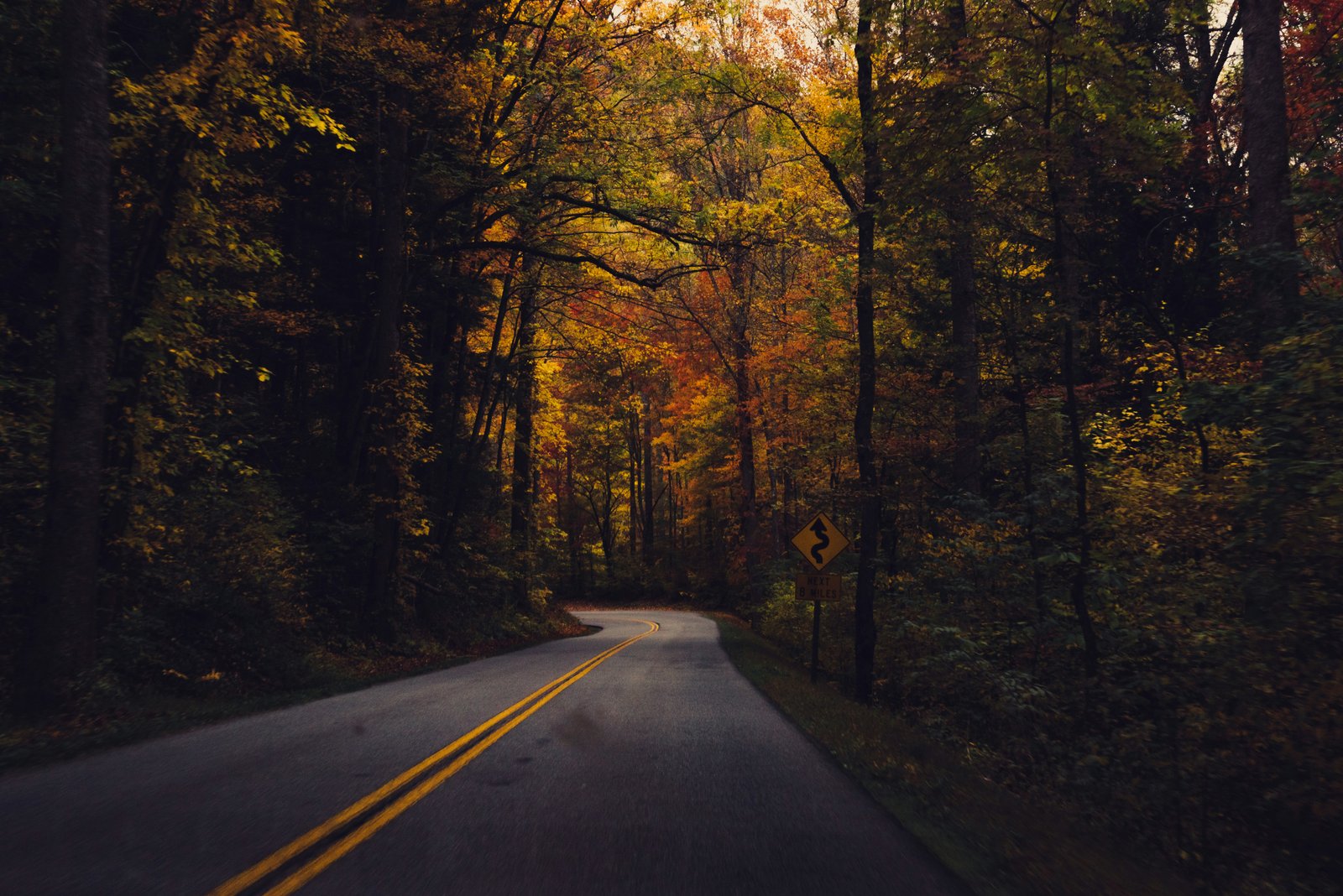
If hiking isn’t your thing—or if you just want to rest your legs after a long day on the trail—taking a scenic drive through the Great Smoky Mountains is one of the best ways to explore the park. With windows rolled down and crisp mountain air rushing through, you can experience sweeping vistas, rushing rivers, and historic homesteads right from your car.
Some of the most popular and breathtaking roads to cruise in the park include:
- Newfound Gap Road: The main highway slicing right through the center of the park, taking you from Gatlinburg to Cherokee with massive high-elevation overlooks.
- Roaring Fork Motor Nature Trail: A narrow, 5.5-mile one-way loop near Gatlinburg that winds deep through old-growth forests and rushing streams.
- Little River Road: A gorgeous, winding drive running alongside a rushing river between visitor centers and Townsend/Cades Cove.
- Cades Cove Loop Road: The iconic 11-mile one-way loop famous for historic buildings and wildlife viewing.
- Balsam Mountain Road: A more remote, rugged, and winding gravel drive that offers a quieter, high-elevation escape.
Pro-Tip: Cell service is non-existent on many of these winding roads, so map your route ahead of time. Also, keep your eyes peeled for roadside pull-offs—they fill up fast, but they offer the best spots to grab a quick photo!!
#6. Start the Day with a Sunrise
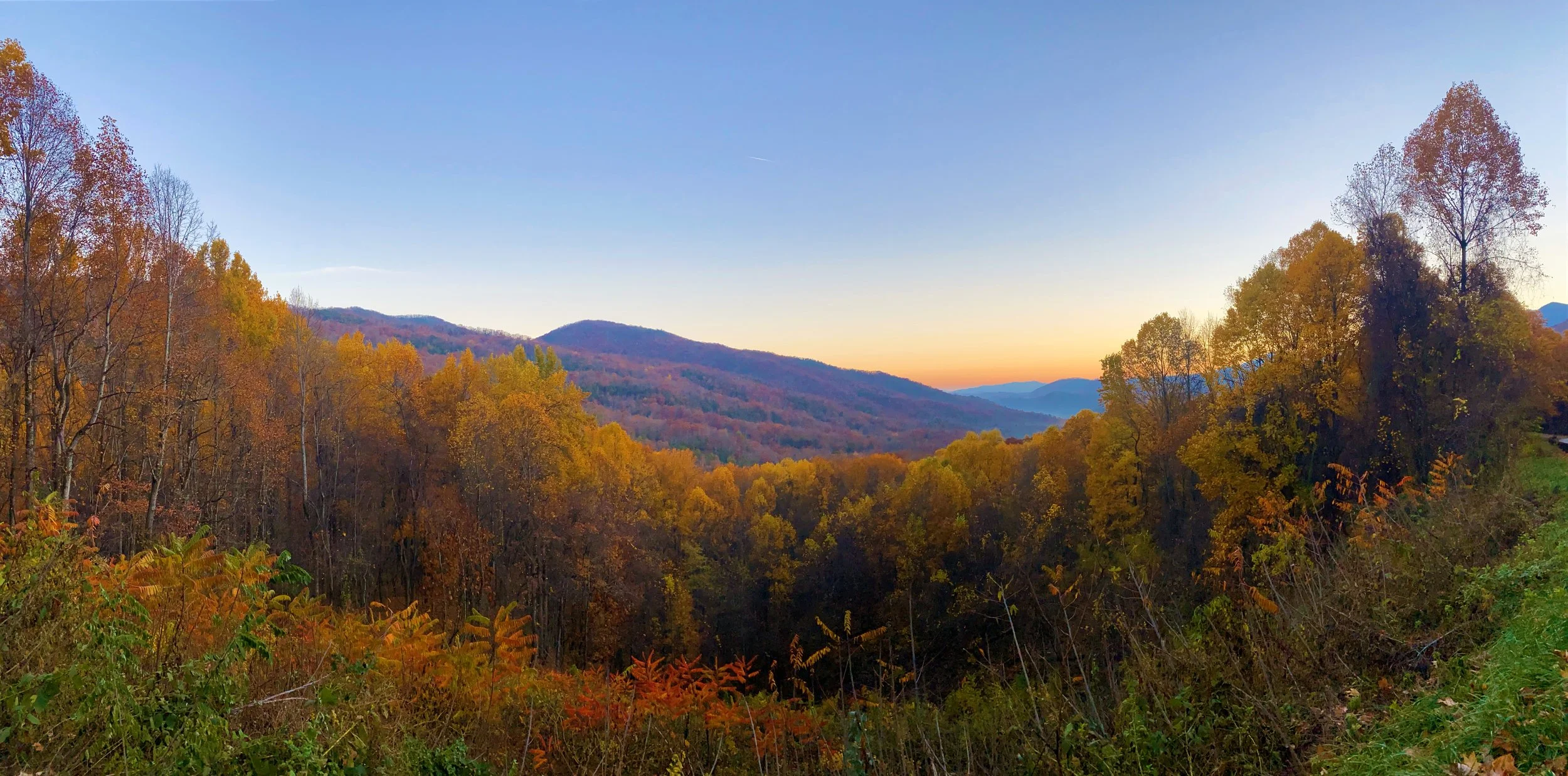
Our favorite way to start the day in a national park is by catching the sunrise. It’s one of the best ways to experience the calm, peaceful magic of the Smokies before the crowds roll in. On our way to hike up to LeConte Lodge, we pulled over at a roadside overlook, and the morning view completely took our breath away. There is truly nothing quite like watching the first light hit the rolling ridges and bring that signature blue mist to life.
Some of the best sunrise spots in the park include:
- Kuwohi (Clingmans Dome): For a literal world-above-the-clouds perspective as the sun breaks over the horizon.
- Newfound Gap Overlook: Easily accessible right off the main highway with massive, sweeping eastern views.
- Oconaluftee Valley Overlook: A stunning spot on the North Carolina side where the morning sun lights up the valley below.
Pro-Tip: Check sunrise times ahead of time and remember to pack a headlamp or flashlight if you’re walking from a parking area to an overlook in the pre-dawn dark!
#7. End the Day with a Sunset
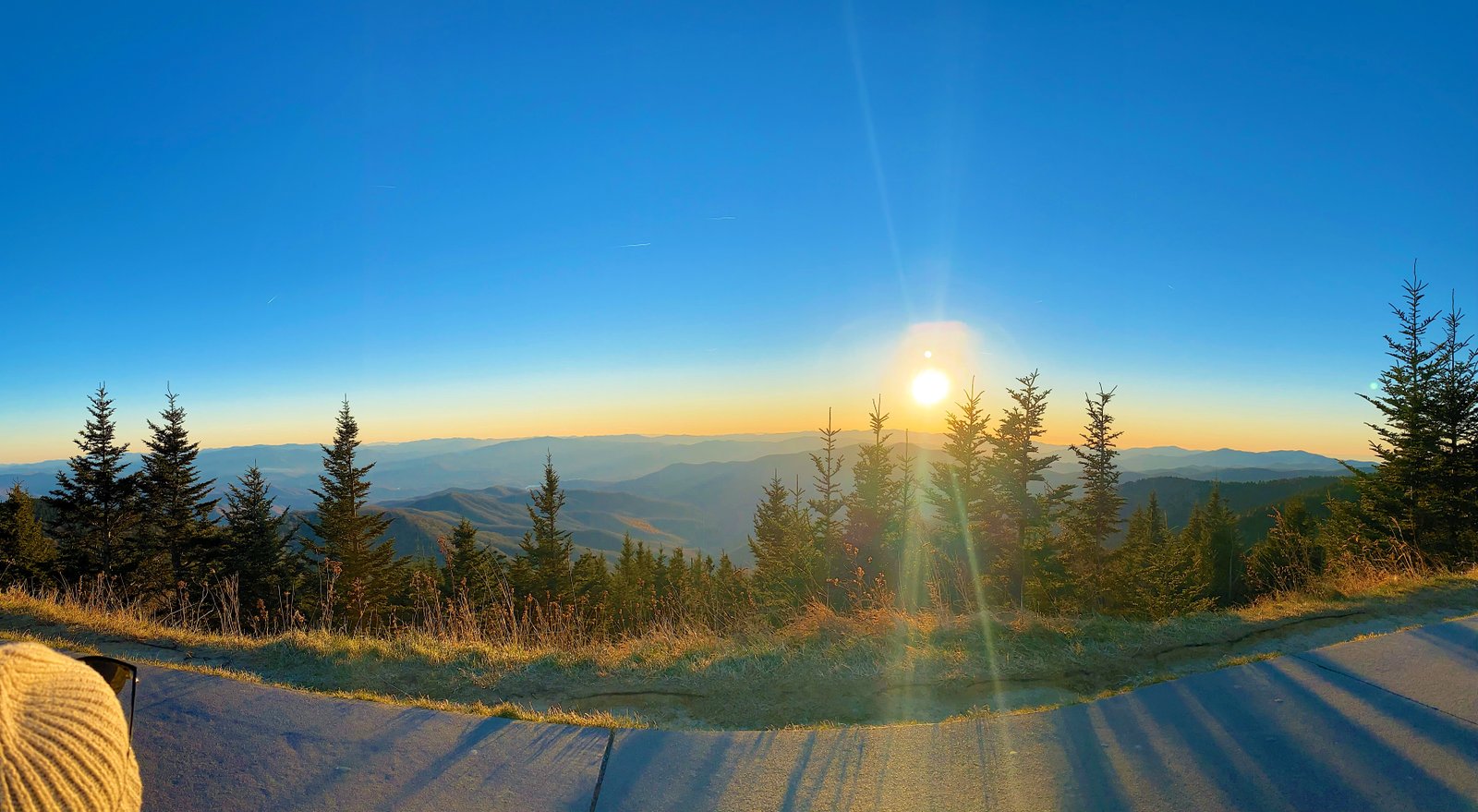
Complete your day in the park with a breathtaking sunset over the Smoky Mountains. With clear blue skies, layer upon layer of mountains stretching as far as the eye can see, and a magical orange glow painting the horizon, it’s easy to see why this is the country’s most visited national park.
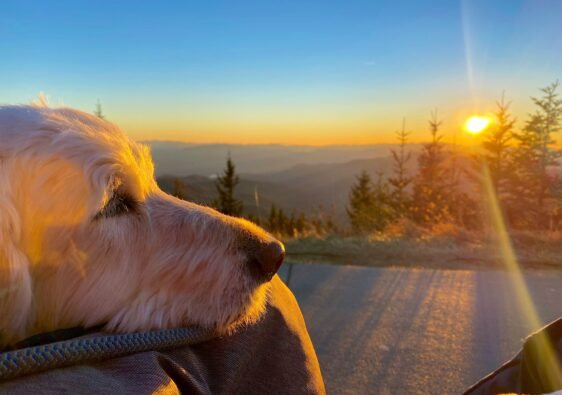
While there are plenty of incredible overlooks along the park’s main roads, our personal favorite spot to watch the sun go down is up at Kuwohi (Clingmans Dome). Watching the light fade over the sea of peaks from the highest point in the park is an experience you won’t soon forget.
Pro-Tip: If you’re staying for sunset at higher elevations like Clingmans Dome or Newfound Gap, make sure you bring a flashlight or headlamp for the walk back to your car once twilight fades!
#8. Have a Doggie Day
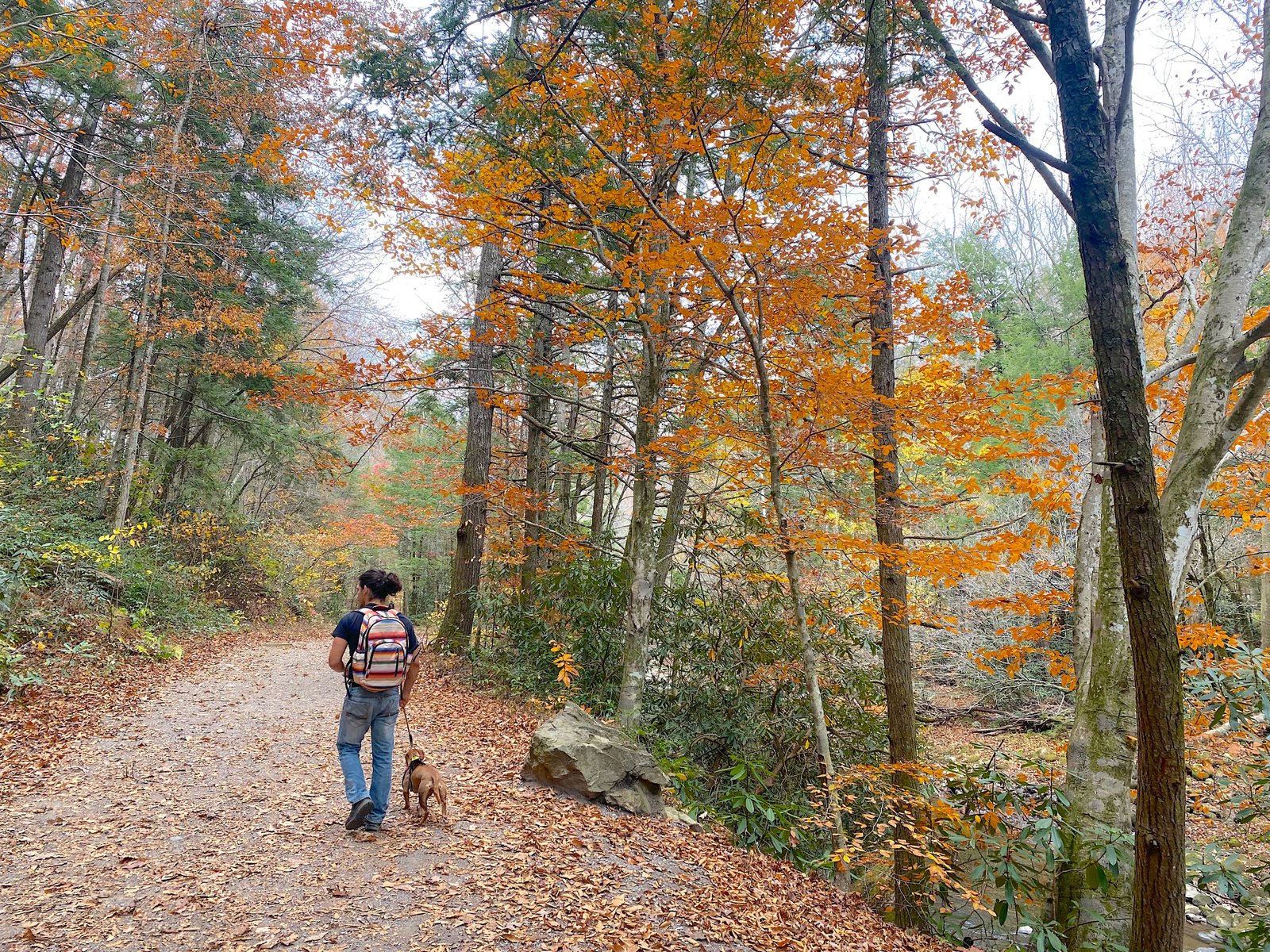
The first national park Griffin and Lucy ever visited was the Great Smoky Mountains! While many national parks are known for being very restrictive with pets, the Great Smoky Mountains actually has a couple of fantastic exceptions where dogs are welcome to join the adventure.
Because dogs aren’t allowed on most dirt hiking trails or in the backcountry, the park features two great multi-use paths where you can stretch your legs with your four-legged best friends:
- The Gatlinburg Trail: A scenic 1.9-mile trail (3.8 miles round-trip) that runs alongside the river just outside the Gatlinburg entrance.
- The Oconaluftee River Trail: A lovely 1.5-mile trail (3 miles round-trip) near the Oconaluftee Visitor Center on the North Carolina side, passing through lush forests and historic sites.
(Planning a trip with your pups? Be sure to check out our Visiting the Great Smoky Mountains With Dogs: The Ultimate Pet-Friendly Guide for more tips on where to stay, eat, and explore with your pets!)
Pro-Tip: Remember the B.A.R.K. Ranger rules! Dogs must be kept on a leash no longer than 6 feet at all times, and you’ll need to pack out all waste. It’s a great way to let your pups earn a special park collar tag!
#9. Stay Overnight in the Park (Or at LeConte Lodge!)
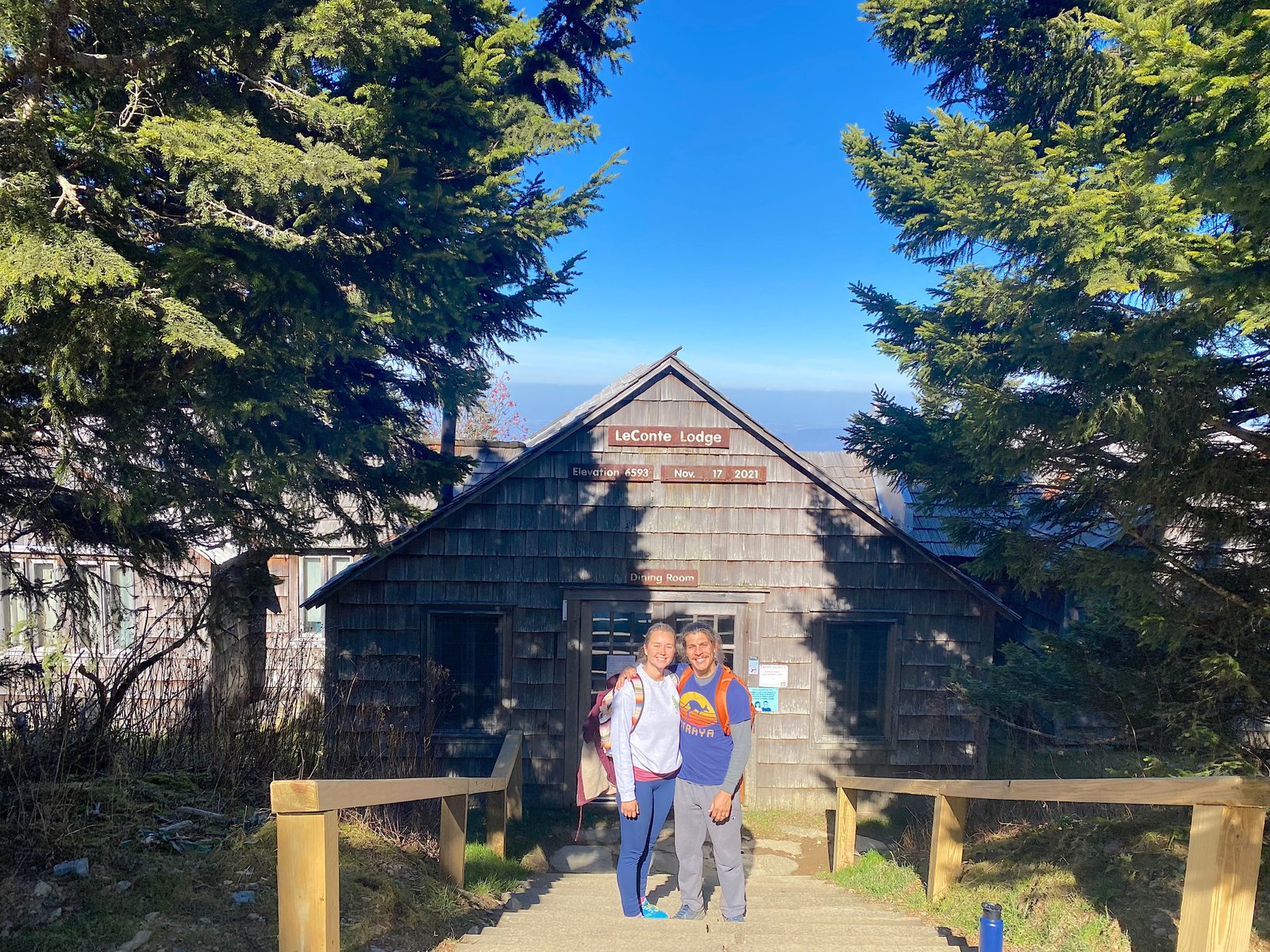
For a truly unique experience, stay overnight at the only lodge located inside the Great Smoky Mountains National Park: LeConte Lodge. Perched at 6,400 feet near the summit of Mount LeConte, this historic lodge is the only non-camping accommodation in the entire park. Even better? It can’t be reached by car—you have to hike about 5.5 miles (typically via the Alum Cave Trail) to get there!
If a backcountry mountain lodge isn’t your speed, the park still offers plenty of other ways to sleep under the stars, including:
- Ten Developed Campgrounds: Great spots like Elkmont, Cades Cove, and Smokemont that accommodate tents and RVs.
- Drive-In Horse Camps: Specialized campgrounds for visitors exploring the park on horseback.
- Backcountry Campsites & Shelters: Scores of designated primitive sites for avid backpackers trekking the Appalachian Trail and beyond.
Pro-Tip: If you want to stay at LeConte Lodge, you need to book way in advance. Because of its legendary status and limited capacity, reservations often fill up almost a year ahead of time.
#10. Explore the Nearby Mountain Towns

While the national park is the main event, no trip to the Smokies is complete without exploring the charming mountain towns that border it. Vibrant hubs like Gatlinburg and Pigeon Forge offer endless options for dining, shopping, and family-friendly entertainment.
During your visit, you might want to look beyond the main strips, too. We stayed in the peaceful area of Wears Valley and absolutely loved it for its quieter, laid-back vibe. Some of our favorite things we did in the surrounding area included:
- Grab coffee at The Artistic Bean: Located nearby in Townsend, this is easily one of our favorite coffee shops to date.
- Ride an Alpine Coaster: A thrilling, gravity-powered coaster that zips you down the mountainsides around Pigeon Forge.
- Visit The Incredible Christmas Place: A massive, festive wonderland in Pigeon Forge where it feels like Christmas all year round.
Pro-Tip: Traffic in Pigeon Forge and Gatlinburg can get heavily congested, especially during peak summer and fall foliage seasons. Look for back roads and parkways (like Wears Valley Road) to help bypass some of the gridlock!
Bonus: Two Hidden Phenomena You Can’t Miss (If the Timing is Right!)
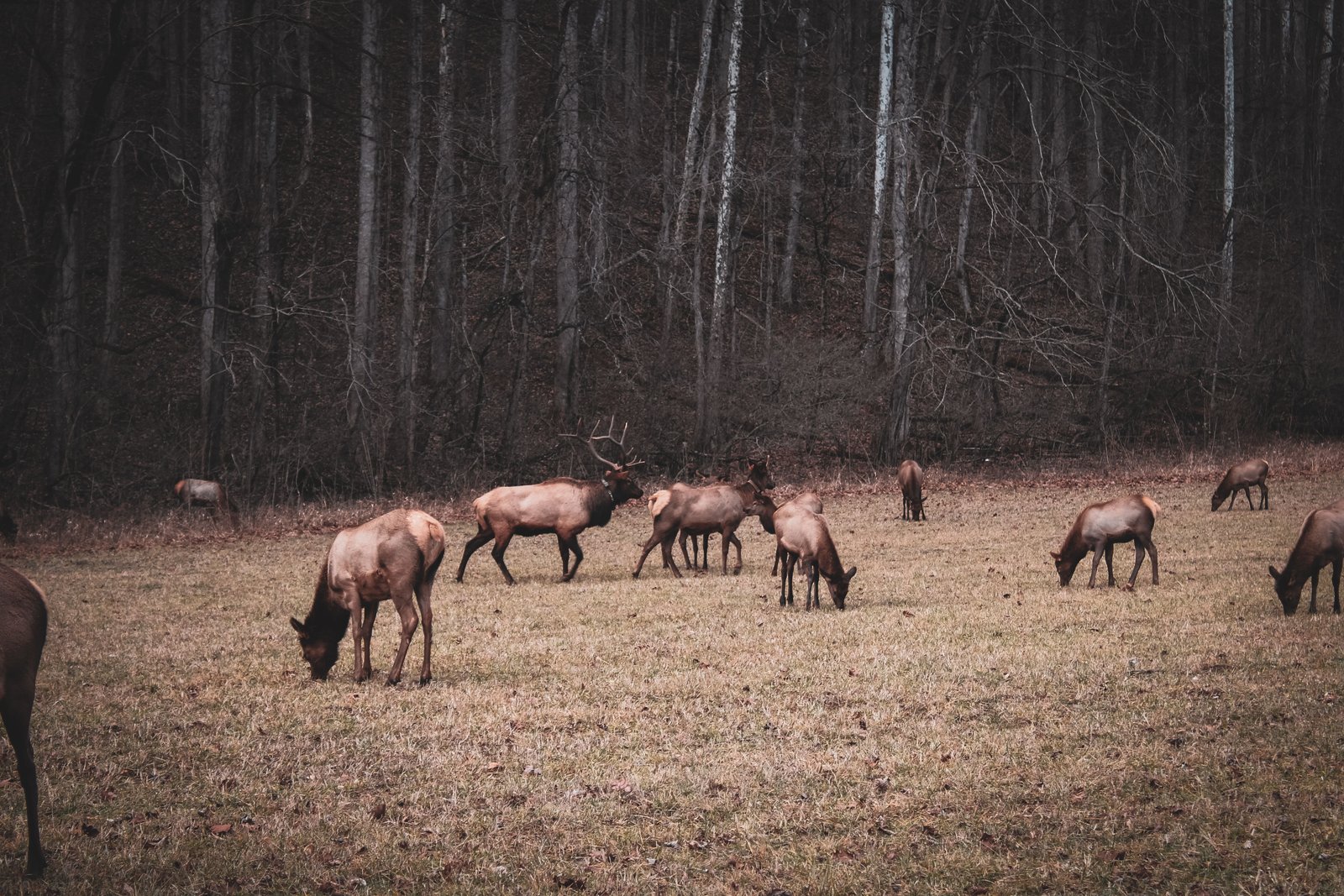
If you happen to visit during the right time of year, two incredible experiences in the Smokies are worth going out of your way to catch:
- Spotting Wild Elk in Cataloochee Valley: Tucked away in a quieter, more remote corner of the park, the Cataloochee Valley is home to a reintroduced herd of majestic wild elk. Visiting at dawn or dusk gives you a front-row seat to watch them graze in the open meadows against a backdrop of historic 19th-century homesteads.
- The Synchronous Fireflies in Elkmont: If you travel to the Smokies in late spring (usually late May to early June), you might catch one of the most magical natural shows on Earth. A rare species of fireflies in the Elkmont area gathers in the forest to flash their lights in exact, breathtaking unison. (Note: Because of its wild popularity, you do have to enter a competitive ticket lottery months in advance to catch this one!)
Quick Tips for Visiting the Great Smoky Mountains
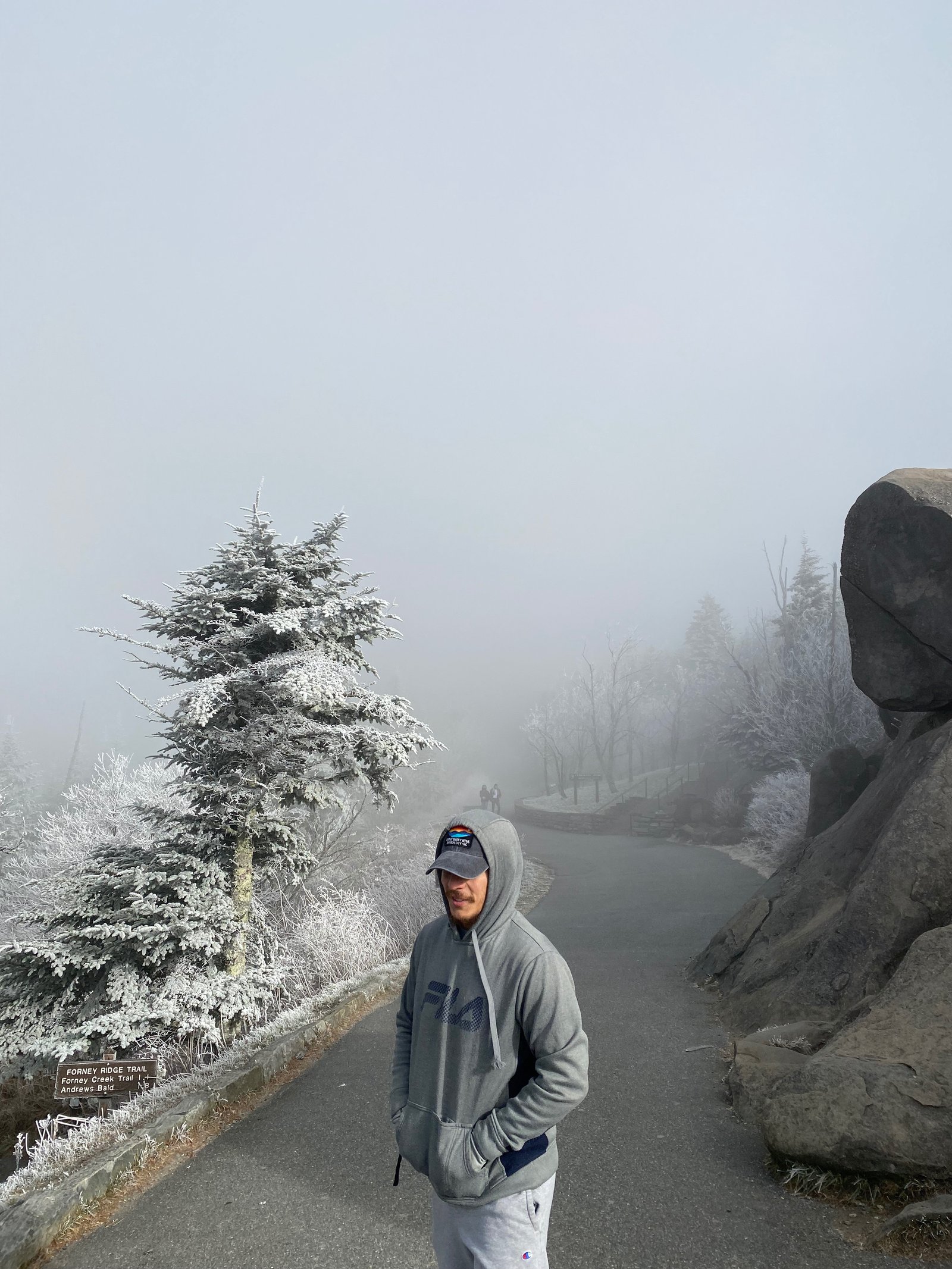
- Cell Service is Non-Existent: Don’t rely on your phone for navigation once you enter the park boundaries. Download offline maps (like Google Maps or AllTrails) ahead of time.
- Pack Layers for the Elevation: Temperatures at peaks like Kuwohi (Clingmans Dome) can easily be 10 to 20 degrees cooler than down in Gatlinburg or Pigeon Forge. Always toss a jacket or fleece into your daypack!
- Beat the Crowds Early: Popular spots like Cades Cove, Laurel Falls, and Clingmans Dome fill up fast. Aim to arrive early in the morning (before 9:00 AM) to secure a parking spot.
- Keep Your Distance from Wildlife: Black bears and elk call the park home. Always use a zoom lens for photos and keep a safe distance—the park requires you to stay at least 50 yards away from bears and elk.
Frequently Asked Questions About Visiting the Smokies
Q: Do you have to pay to enter the Great Smoky Mountains National Park?
A: No! True to its history, the park itself is completely free to enter and drive through. However, if you plan to park your vehicle for longer than 15 minutes anywhere inside the park boundaries, you do need to display a physical “Park It Forward” parking tag. They are very affordable: $5 for a daily tag, $15 for a weekly tag, or $40 for an annual tag.
Q: What is the best time of year to visit the Smokies?
A: It depends on what you want to see! Spring (April to May) brings blooming wildflowers and rushing waterfalls, while Autumn (October) is world-famous for its jaw-dropping fall foliage. If you want warm weather for hiking and don’t mind summer crowds, June through August is also a popular time.
Q: Can I bring my dog to the national park?
A: Yes, but with strict limitations. Dogs are not allowed on most dirt hiking trails or in the backcountry. However, they are warmly welcomed on the Gatlinburg Trail and the Oconaluftee River Trail, as well as throughout the gateway towns and many local pet-friendly cabins.
Q: Do I need reservations to visit?
A: You do not need a reservation or entry ticket just to drive into the park or day-hike. However, if you want to stay overnight at developed campgrounds, book a backcountry site, or reserve a room at the legendary LeConte Lodge, you will need to book months in advance.
Ready to Plan Your Smokies Adventure?
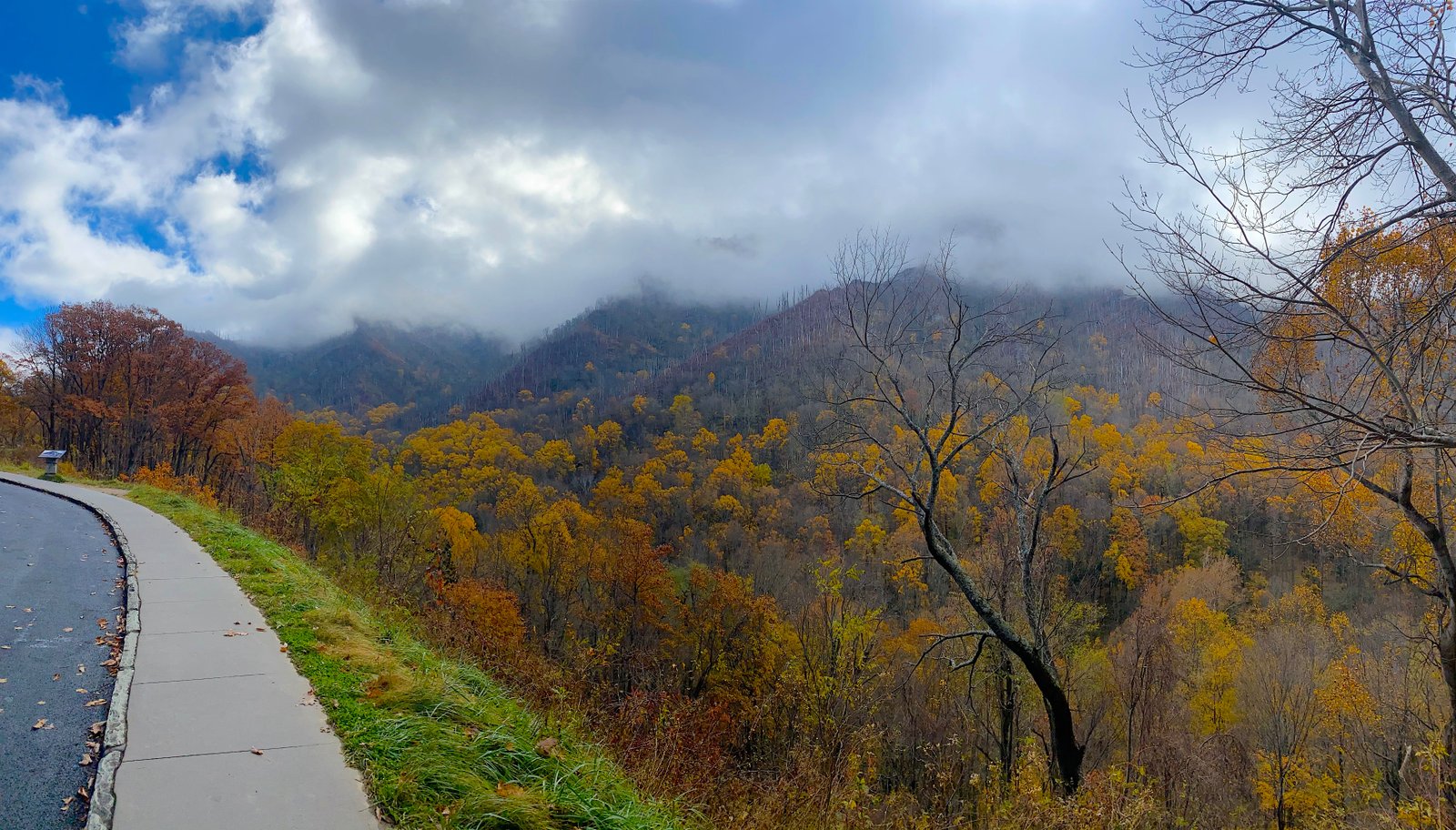
Whether you’re chasing misty waterfalls, watching the sunrise from the highest peak, or sipping coffee in a cozy mountain town, the Great Smoky Mountains National Park offers a little bit of magic for every kind of traveler. With so much to see and do, one trip is rarely enough—which is probably why millions fall in love with these blue ridges year after year.
Have you ever visited the Great Smoky Mountains, or is it sitting at the top of your travel bucket list? Let me know your favorite spot (or what you’re most excited to see) in the comments below!
Helpful Resources & Links for Your Trip
To make planning your getaway a breeze, here are a few official resources and handy links:
- Official Park Planning: Check out the National Park Service: Great Smoky Mountains Official Website for real-time road closures, weather updates, and trail conditions.
- Parking Tags: Learn more about the “Park It Forward” program and purchase your daily or weekly parking tags online via Recreation.gov or learn about physical sales locations on the NPS Fees & Passes Page.
- Pet-Friendly Travel: Bringing your four-legged best friends along? Don’t forget to read our full Visiting the Great Smoky Mountains With Dogs: The Ultimate Pet-Friendly Guide for extra tips on pet-friendly cabins, patios, and trails!
- Overnight Stays: Explore backcountry and frontcountry campground availability or check lottery info for the famous LeConte Lodge.